
Have you ever wondered if pet birds poop in the house? If you’re thinking about bringing a feathered friend into your home, this question is probably on your mind.
Understanding your bird’s bathroom habits is key to keeping your space clean and comfortable. You’ll discover what to expect, how to manage messes, and simple tips to make living with your pet bird easier. Keep reading to find out everything you need to know about your bird’s bathroom behavior and how it can affect your home.
Bird Pooping Habits
Bird pooping habits are important to understand for every bird owner. Birds do not have control over when they poop. Their droppings happen frequently and without warning. Knowing their habits can help keep your home clean and your bird healthy.
Frequency Of Bird Droppings
Birds poop many times throughout the day. Small birds like parakeets and finches may poop every 10 to 15 minutes. Larger birds such as cockatoos and macaws poop less often but produce bigger droppings. On average, a bird can poop 50 to 80 times a day. This is normal and shows a healthy digestive system.
Birds also poop shortly after eating. Their fast digestion means droppings follow meals quickly. A bird’s diet and water intake can change how often they poop. More water or fresh fruit can increase droppings.
Common Pooping Patterns
Birds often poop in certain patterns. Many birds poop right after waking up. This helps clear their digestive system for the day. During play or excitement, birds may poop more often. Stress or illness can also affect their pooping habits.
Birds tend to poop in specific spots if trained. Many owners teach birds to use a perch or a newspaper area. This reduces mess around the house. Watching your bird’s patterns helps predict where and when droppings occur.
Why Birds Poop Indoors
Pet birds often poop indoors because it is part of their natural routine. Birds do not have control over when they relieve themselves. This behavior can surprise many bird owners at first. Understanding why birds poop inside helps owners manage and care for their pets better.
Natural Behavior In Captivity
Birds do not learn to hold their waste like some other pets. They poop frequently throughout the day. In the wild, birds release waste while flying or perched. Captive birds follow the same pattern inside the house. Their digestive system works fast, causing regular droppings. This is normal and healthy for them.
Influence Of Bird Species
Different bird species have different pooping habits. Smaller birds like parakeets poop more often than larger parrots. Some species are messier because of their diet and digestion speed. Knowing your bird’s species helps predict their bathroom habits. This knowledge makes cleaning easier and keeps your home tidy.
Health Implications Of Bird Poop
Bird poop in the house can affect health. It contains bacteria and fungi that cause diseases. Both humans and birds face risks from exposure to bird droppings. Understanding these dangers helps keep everyone safe.
Risks To Humans
Bird droppings can carry harmful germs. These include bacteria like Salmonella and fungi such as Histoplasma. People can catch infections by touching or breathing in dried droppings. Symptoms range from mild flu-like signs to serious lung problems.
Children, elderly, and people with weak immune systems are more vulnerable. Cleaning bird poop without protection increases the risk. Using gloves and masks lowers chances of illness. Keeping bird areas clean helps reduce health threats.
Risks To Birds
Birds can get sick from their own droppings. Dirty cages promote the growth of harmful bacteria and parasites. These can cause infections, digestive issues, and respiratory problems in birds.
Regular cleaning of cages and surroundings is important. It stops the spread of diseases among birds. Healthy birds need a clean living space free of waste buildup.
Credit: www.etsy.com
Managing Bird Poop In The House
Managing bird poop in the house can feel like a constant challenge, especially if you have playful pet birds that love to roam freely. The good news is that with the right approach, you can keep your living space clean without stressing your feathered friends. Understanding how to clean effectively and prevent messes will make your home more pleasant for both you and your pets.
Effective Cleaning Techniques
Start by using paper towels or disposable wipes to pick up fresh droppings quickly. This prevents stains and odors from setting in. For tougher spots, a mild soap mixed with warm water works well without harming surfaces.
Consider using a bird-safe disinfectant spray to sanitize perches, cages, and nearby areas. Avoid harsh chemicals that might irritate your bird’s respiratory system. Cleaning regularly, ideally daily, reduces buildup and makes the task less overwhelming.
Have you tried lining the bottom of cages with newspaper or specialized bird cage liners? They make cleanup faster because you can remove and replace soiled layers in seconds.
Preventive Measures
Training your bird to poop in designated areas can drastically reduce messes. You can use a small tray or perch with paper underneath and reward your bird when it uses this spot. Positive reinforcement helps your bird understand where it’s appropriate to go.
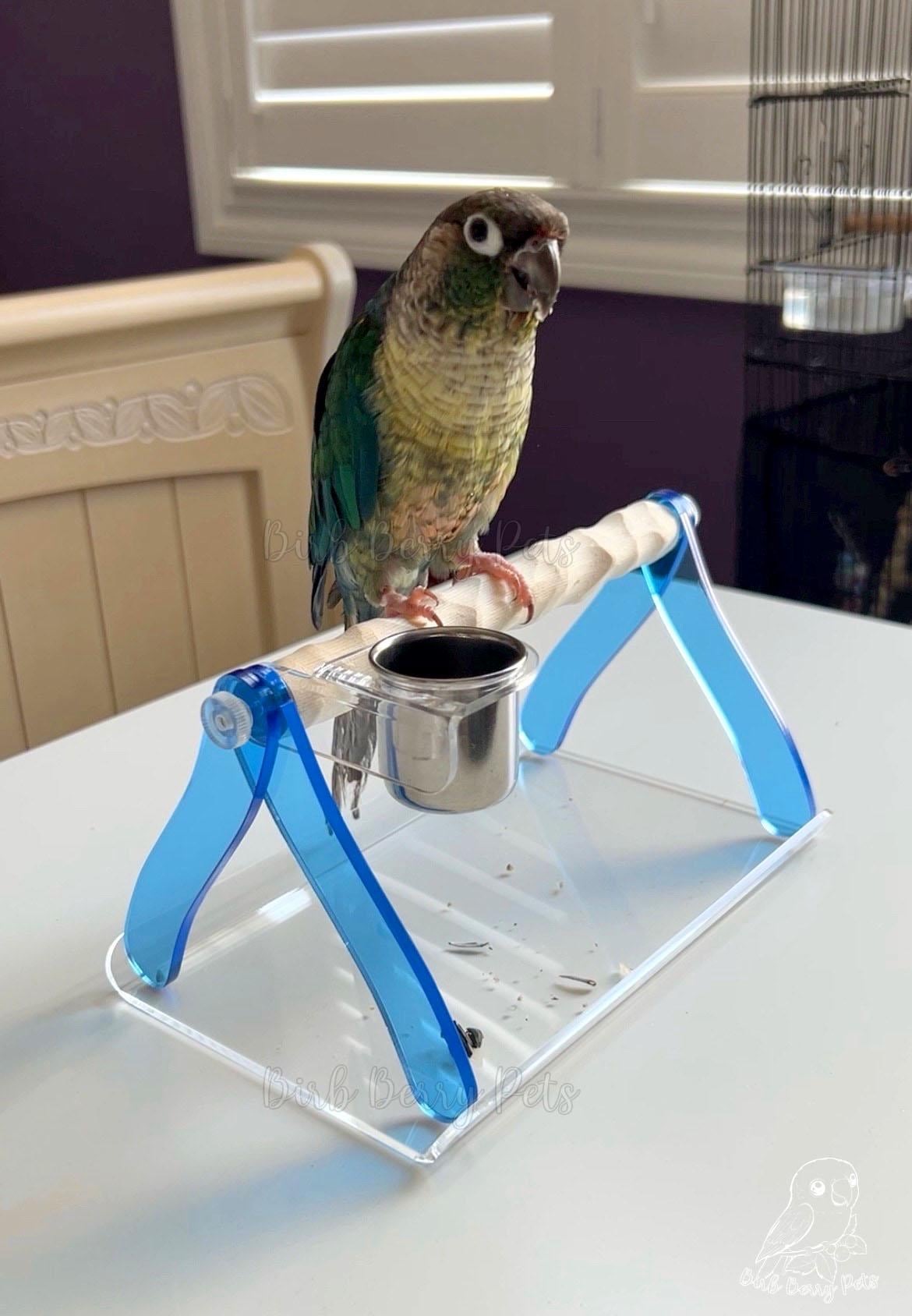
Placing cage covers or strategically positioning your bird’s play area over easy-to-clean surfaces helps too. Setting up bird stands with trays beneath can catch droppings before they hit the floor or furniture.
Think about limiting free-flight times to spaces that are simple to clean or protected with washable mats. This way, you can enjoy your bird’s company without constantly worrying about unexpected surprises.
Training Birds To Minimize Mess
Training your pet bird to minimize mess is key to enjoying their company without the constant cleanup. Birds naturally poop frequently, but with patience and consistent effort, you can guide them to be tidier. This doesn’t mean they’ll be perfect, but it will significantly reduce surprises on your favorite chair or floor.
Potty Training Methods
Potty training a bird might sound unusual, but many owners have successfully taught their pets to poop in specific places. Start by observing your bird’s routine—most birds poop shortly after eating or waking up. Use this pattern to your advantage.
Place your bird on a designated spot, like a perch or a tray, during these times. Reward them immediately with praise or a treat when they go there. Consistency is crucial; repeating this regularly helps your bird understand where it’s appropriate to poop.
Patience matters here. It might take weeks before your bird gets the hang of it. Ask yourself: How often do you reward good behavior in your daily routine? Your bird learns the same way—with positive reinforcement.
Using Bird Cages And Perches
Your bird’s cage setup plays a big role in controlling mess. Use cages with removable trays to make cleaning easier. Line these trays with paper or bird-safe liners that can be changed quickly.
Adding perches over the tray helps catch droppings, keeping other areas clean. Some owners place a perch just above the tray to encourage birds to poop there naturally. This simple setup reduces mess outside the cage.
Think about your bird’s comfort too. Birds like to have places to rest and feel safe, which affects where they choose to poop. Does your bird have enough perches in the cage? Adjusting perch placement can make a surprising difference in mess control.
Credit: lafeber.com
Common Myths About Bird Pooping
Pet birds are delightful companions, yet misconceptions surround their habits. One major myth is about bird pooping. Many believe birds are messy and uncontrollable. But is this really true?
Misconceptions Debunked
People think birds poop everywhere. This isn’t entirely true. Birds can be trained. They can learn where to go. Another myth is birds poop constantly. While they do poop often, it’s not excessive. Birds have fast metabolisms, needing frequent bathroom breaks. But it’s manageable with training.
Truths About Bird Behavior
Birds are intelligent creatures. They have natural habits that might seem strange. Understanding these can help manage them. Birds often poop before flying. This is instinctive. It lightens their weight for flight. Observing and learning these patterns aids in training. Many birds also choose specific spots to relieve themselves. They prefer clean areas, contrary to popular belief.
Credit: www.petassure.com
Frequently Asked Questions
Do Pet Birds Poop Inside The House?
Yes, pet birds often poop inside the house. They naturally defecate frequently, and without training, they can soil furniture and floors.
How Can I Manage Bird Poop Indoors?
Use cage liners and place trays beneath cages. Regular cleaning and bird training help minimize mess and maintain hygiene indoors.
Is Bird Poop Harmful To Humans?
Bird poop can carry bacteria and fungi harmful to humans. Clean bird droppings promptly and maintain good ventilation to reduce health risks.
Can Birds Be Trained To Poop Outside?
Yes, with patience, birds can learn designated areas to poop. Consistent training and positive reinforcement improve their bathroom habits.
Conclusion
Pet birds do poop in the house, but it is normal. Their droppings can be small but frequent. Cleaning often helps keep your home fresh and healthy. Training your bird to use a specific spot is possible. Patience and care make a big difference.
Knowing this helps you enjoy your pet more. Birds bring joy despite the little messes. Keep your bird’s area clean for a happy home.




