
Have you ever wondered if the hummingbird feeder in your yard is actually helping or harming these tiny birds? You want to attract hummingbirds and enjoy their beauty, but is your feeder doing more harm than good?
It’s natural to want the best for these delicate creatures, and understanding the truth about hummingbird feeders can make all the difference. Keep reading to discover what you need to know to keep your feathered friends safe and happy.
Hummingbird Feeding Basics
Hummingbird feeding basics help us understand how to support these tiny birds safely. Hummingbirds need energy to fly and stay active. Feeders can provide a quick source of sugar that mimics flower nectar. Proper feeding helps birds during migration and in areas with few natural flowers.
Why Feed Hummingbirds
Feeding hummingbirds gives them extra energy to survive. It helps during cold or dry seasons when flowers are scarce. People enjoy watching these fast, colorful birds up close. Feeding supports their health and encourages them to visit your garden often.
Types Of Feeders
Feeders come in many styles to attract hummingbirds safely. Some are simple bottles with red parts that catch birds’ attention. Others have built-in perches for the birds to rest. Choose feeders easy to clean to prevent mold and bacteria growth.
- Top-fill feeders – easy to refill and clean
- Window feeders – stick to glass for close viewing
- Perch feeders – provide resting spots for birds
- Ant-proof feeders – keep insects away from nectar
Common Concerns About Feeders
Hummingbird feeders raise several concerns among bird lovers and experts. These worries focus on the health and safety of hummingbirds. Understanding these common concerns helps feeders provide better care and avoid harm.
Risk Of Disease
Feeders can spread diseases if not cleaned regularly. Bacteria and mold grow quickly on leftover nectar. Birds sharing feeders may pass infections easily. Clean feeders every few days to protect hummingbirds.
Impact On Natural Feeding
Some worry feeders make birds rely less on flowers. Hummingbirds may visit fewer plants and pollinate less. However, feeders offer extra food during scarce times. Balanced use supports natural feeding habits.
Attracting Predators
Feeders can draw unwanted animals like cats or larger birds. Predators wait near feeders to catch hummingbirds. Placing feeders in safe, open spots reduces this risk. Watch for signs of predators to keep birds safe.
Safe Feeding Practices
Safe feeding practices ensure hummingbirds stay healthy and happy. Proper care prevents diseases and attracts more birds. Feeding hummingbirds correctly supports their natural habits.
Proper Feeder Cleaning
Clean feeders often to stop mold and bacteria growth. Use hot water and mild soap for washing. Rinse well to remove all soap. Avoid harsh chemicals that can harm birds. Clean feeders every 3 to 5 days, more in hot weather.
Correct Nectar Preparation
Make nectar with four parts water to one part white sugar. Boil water first, then mix in sugar until dissolved. Cool before filling the feeder. Avoid honey, artificial sweeteners, or red dye. Fresh nectar should be replaced every 3 days.
Optimal Feeder Placement
Place feeders in shaded spots to keep nectar fresh. Avoid direct sunlight and strong winds. Position feeders near flowers or shrubs for cover. Keep feeders at least 10 feet away from windows. This reduces bird collisions and stress.
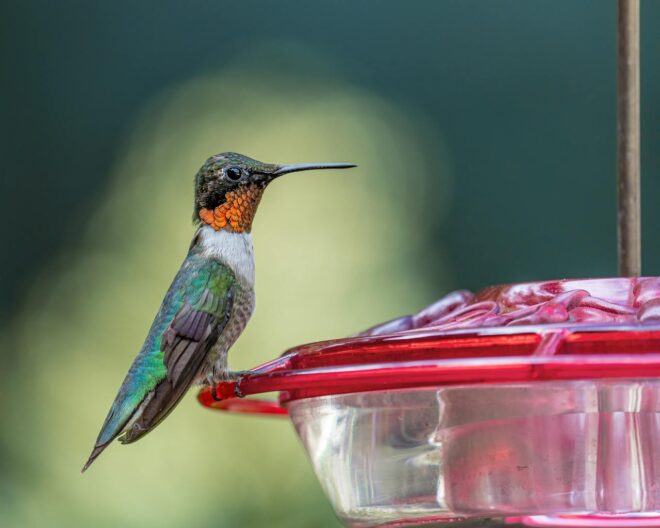
Credit: www.birdwatchingdaily.com
Effects On Hummingbird Behavior
Hummingbird feeders can influence the natural behavior of these tiny birds in several ways. Understanding these effects helps you decide how to set up feeders that support rather than disrupt their lifestyle. Let’s look closely at how feeders affect their territorial instincts and potential dependency issues.
Territorial Behavior
Hummingbirds are naturally territorial, often defending feeding areas aggressively. When you place feeders, they can become hotspots for disputes among males competing for control.
One time, I noticed a single feeder attracting multiple hummingbirds, but only one would feed at a time. The dominant bird chased others away repeatedly, sometimes even preventing access for long periods.
This behavior can stress the birds and limit feeding opportunities for less dominant individuals. You can reduce this by putting up several feeders spaced apart. This spacing helps spread out the birds and lowers aggression.
Dependency Risks
Feeding hummingbirds regularly might make them rely too much on these artificial food sources. This dependency can reduce their natural foraging skills and make them vulnerable if feeders are suddenly removed.
Imagine if you travel for a week and forget to refill the nectar. Birds used to easy access might struggle to find natural food quickly.
To avoid this, try to keep feeders as a supplement rather than a replacement for natural nectar. Planting native flowers near feeders encourages hummingbirds to keep their natural feeding habits alive.
Environmental Considerations
Environmental considerations are key when deciding whether to use hummingbird feeders. These feeders can influence local bird populations and ecosystems in ways you might not expect. It’s important to understand both the positive and negative impacts to make the best choice for your garden and the birds.
Supporting Local Ecosystems
Hummingbird feeders can support local ecosystems by providing a reliable food source, especially in urban or heavily altered environments. This can help hummingbirds maintain their energy levels and improve their chances of survival. However, you should be cautious about placing feeders too close to natural nectar sources, as this might disrupt the birds’ natural feeding patterns.
Think about your garden’s role: Does it already have plenty of native flowers? If so, a feeder might not be necessary. Feeding hummingbirds in areas with limited natural resources can actually help maintain a balanced ecosystem.
Feeding During Migration
Many hummingbirds migrate long distances and rely on energy-rich food during these journeys. Feeders can act as crucial rest stops, offering quick access to sugar water that boosts their stamina. This is especially helpful in areas where natural food sources are scarce during migration seasons.
But be mindful—over-reliance on feeders can sometimes lead birds to ignore natural food sources, which could affect their long-term survival skills. Have you noticed changes in local bird behavior during migration? Observing this can guide how and when you use feeders most effectively.

Credit: www.hummingbirdsociety.org
Alternatives To Feeders
Considering alternatives to hummingbird feeders can benefit these vibrant birds. Planting native flowers is a natural option. These blooms provide nectar and attract insects for protein. Another choice is to create a hummingbird garden. This habitat provides shelter, food, and water for hummingbirds, promoting a healthy ecosystem.
If you’re wondering whether there are better ways to support hummingbirds than using feeders, you’re not alone. Feeders can be convenient, but they come with their own set of challenges, like cleaning and ensuring the right sugar-water ratio. Fortunately, there are natural alternatives that not only benefit hummingbirds but also enhance your garden’s biodiversity.Planting Native Flowers
Planting native flowers is one of the best ways to attract hummingbirds naturally. Native plants are adapted to your local climate and soil, providing a reliable food source without the need for artificial feeders. Consider planting flowers like bee balm, columbine, and trumpet vine, which are favorites among hummingbirds. These plants not only offer nectar but also attract insects, providing an additional food source for the birds. You can create a vibrant, colorful garden that blooms throughout the seasons by choosing a variety of plants. This not only keeps hummingbirds visiting all year long but also supports other pollinators.Creating Natural Habitats
Creating a natural habitat is another effective way to support hummingbirds. This involves more than just planting flowers; it’s about creating a welcoming environment. Add elements like trees and shrubs for perching and nesting. These provide shelter and protection, encouraging hummingbirds to linger in your garden. Water sources like small fountains or bird baths can further enhance your garden. Ensure these water features are shallow and refreshed regularly to keep them clean and inviting. By focusing on natural solutions, you’re contributing to a healthier ecosystem. Isn’t it rewarding to know you’re making a positive impact?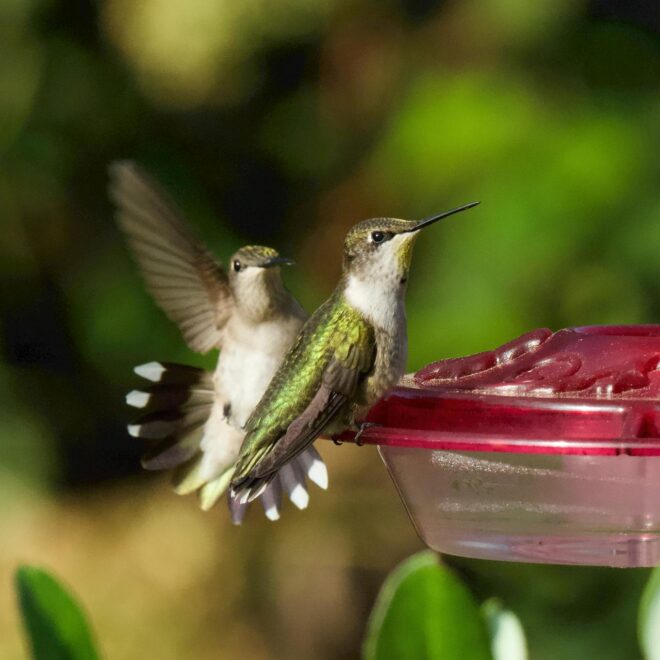
Credit: www.birdwatchingdaily.com
Frequently Asked Questions
Are Hummingbird Feeders Harmful To Birds’ Health?
Hummingbird feeders are generally safe if cleaned regularly. Dirty feeders can cause mold and disease, which harm birds. Use fresh sugar water and avoid red dye to keep birds healthy.
How Often Should I Clean Hummingbird Feeders?
Clean feeders at least once a week with hot, soapy water. In hot weather, clean them every 2-3 days to prevent mold and bacteria growth, ensuring a safe feeding environment for hummingbirds.
Can Hummingbird Feeders Attract Unwanted Animals?
Yes, feeders can attract ants, bees, and wasps. Use ant moats and bee guards to minimize pests. Proper feeder placement and maintenance reduce risks of attracting unwanted animals.
What Sugar Water Ratio Is Best For Hummingbird Feeders?
A 4:1 water-to-sugar ratio mimics natural nectar. Boil water, dissolve sugar, and cool before filling feeders. Avoid honey, artificial sweeteners, or red dye to protect hummingbirds’ health.
Conclusion
Hummingbird feeders can help birds find food, especially in tough times. Clean feeders often to keep birds healthy and safe. Use fresh sugar water, never honey or artificial sweeteners. Watch birds closely to spot any signs of illness. Feeders should be placed where birds feel safe.
Feeding hummingbirds is a simple way to enjoy nature. Careful habits make sure feeders do not harm birds. Small actions can create a big difference for these tiny creatures.




