
Are you ready to discover the amazing world of Australian birds? Whether you’re a beginner or have some experience, this field guide will help you spot and understand the unique birds that call Australia home.
Imagine hearing a strange call or seeing a flash of color—wouldn’t it be great to know exactly what bird you’re looking at? This guide is designed just for you, making birdwatching simple, fun, and rewarding. Keep reading, and soon you’ll feel confident identifying birds you never knew existed right in your own backyard.
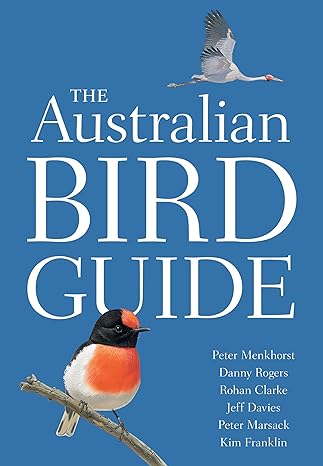
Credit: buteobooks.com
Bird Habitats In Australia
Australia hosts a wide variety of bird species. Their habitats range from vast deserts to lush forests and vibrant coastlines. Each habitat offers unique conditions that support different bird life. Understanding these habitats helps bird watchers spot species more easily. It also reveals how birds adapt to survive in diverse environments.
Coastal And Marine Birds
Australia’s coastline stretches over 25,000 kilometers. This long coast supports many seabirds and shorebirds. Birds like pelicans, gulls, and terns thrive here. They feed on fish and small marine creatures. Mangroves and rocky shores provide safe nesting spots. Coastal wetlands attract migratory birds from far away.
Forest And Woodland Species
Forests cover large parts of eastern and southern Australia. These areas are rich in eucalyptus trees and dense undergrowth. Parrots, kookaburras, and lyrebirds live in these woods. They find food like insects, fruits, and seeds. Forests offer shelter and breeding sites for many birds. The variety of trees creates different layers for birds to explore.
Desert And Arid Zone Birds
Australia’s interior is mostly dry and arid. Few plants grow here, but some birds are well adapted. Budgerigars, emus, and thornbills are common in deserts. They survive on seeds and small insects. Water holes become important bird gathering spots. These birds can handle extreme heat and lack of water.
Wetlands And Riverine Birds
Wetlands and rivers are vital for many birds. They provide food, water, and nesting areas. Species like swans, herons, and ducks depend on these habitats. Floodplains attract large flocks during wet seasons. The mix of water and plants supports fish and insects. This rich environment keeps bird populations healthy and diverse.

Credit: www.ebay.com.au
Common Australian Birds
Australia hosts a wide variety of birds found across its vast landscapes. Many common species appear in cities, forests, and wetlands. These birds show unique colors, sounds, and behaviors. Knowing common Australian birds helps spot them easily during outdoor trips. This guide highlights familiar birds in several groups.
Iconic Parrots And Cockatoos
Parrots and cockatoos are bright and noisy. They often gather in flocks, making lively scenes.
- Rainbow Lorikeet:Known for its bright blue, green, and red feathers.
- Sulphur-crested Cockatoo:Large white bird with a yellow crest.
- Crimson Rosella:Red and blue colors make it easy to spot.
- Galah:Pink and grey, common in open areas.
Popular Songbirds
Songbirds fill the air with sweet melodies. They are small and often colorful.
- Superb Fairywren:Males turn bright blue during breeding season.
- Red Wattlebird:Large honeyeater with a loud call.
- Willie Wagtail:Black and white bird known for its wagging tail.
- Australian Magpie:Bold and black-and-white, common in parks.
Waterfowl And Shorebirds
These birds live near lakes, rivers, and coasts. They vary in size and shape.
- Australian Wood Duck:Brown and grey with a quiet call.
- Black Swan:Large with black feathers and a red bill.
- Masked Lapwing:Known for its loud, warning cries.
- Red-necked Stint:Small migratory shorebird with a quick flight.
Raptors And Birds Of Prey
Raptors hunt for food using sharp eyes and strong claws. They soar high or perch quietly.
- Wedge-tailed Eagle:Australia’s largest bird of prey with long wings.
- Brown Falcon:Found in open areas, hunts small animals.
- Peregrine Falcon:Fast flyer, hunts birds in mid-air.
- Black-shouldered Kite:Small raptor that hovers while hunting.
Bird Identification Tips
Identifying Australian birds can be a rewarding challenge. Paying close attention to certain details helps you recognize species more accurately. Your ability to spot subtle differences will improve with practice and patience.
Key Features To Observe
Focus on size, shape, and color patterns first. Notice the bird’s beak shape—this often hints at its diet and species. Look at wing and tail length, as well as any distinctive markings like spots or stripes.
Don’t forget to observe the bird’s posture and the way it holds its tail or wings. These small clues often separate similar species. Have you ever noticed how a Currawong’s robust body contrasts with the slimmer Magpie?
Bird Calls And Songs
Bird sounds are unique and can be easier to recognize than visual features. Try to remember the rhythm and pitch of calls you hear. Some birds, like the Laughing Kookaburra, have unmistakable laughs that instantly reveal their identity.
Recording calls on your phone helps you compare them later with field guides. Can you differentiate between the sharp “chip” of a Willie Wagtail and the melodious notes of a Superb Fairywren?
Behavior And Movement
Observe how birds move: hopping, gliding, or flitting between branches. Behavioral traits like feeding habits or flocking patterns give strong identification clues. For instance, Fairywrens often move in quick bursts and gather in groups, while a solitary Wedge-tailed Eagle soars high above.
Pay attention to how birds interact with their environment. Does the bird spend time on the ground, or is it mostly found in the canopy? Your observations here can narrow down the possibilities significantly.
Seasonal Variations
Bird appearance and behavior can change with the seasons. Breeding plumage often makes birds look brighter and easier to identify. You might spot a brightly colored male Red Wattlebird during spring, while it looks duller in winter.
Migration patterns also affect which birds you’ll see at different times of the year. Have you noticed how some species vanish from your local park during colder months? Tracking these changes sharpens your birding skills and keeps your outings exciting.
Essential Birdwatching Gear
Birdwatching in Australia offers a unique chance to see vibrant and rare birds. Having the right gear can make your experience more enjoyable and productive. Essential birdwatching gear helps you spot, identify, and capture the beauty of Australian birds easily.
Choosing Binoculars
Binoculars are a vital tool for birdwatchers. Look for models with 8x to 10x magnification. They provide clear, close views without shaking too much. Choose lightweight and waterproof binoculars for comfort and durability. Good optics help you see details like colors and markings.
Field Guides And Apps
Field guides help identify birds by showing pictures and descriptions. Choose a guide focused on Australian species. Apps offer bird calls and photos on your phone. Many apps allow you to record sightings and share with others. Use both to learn and track your birdwatching progress.
Photography Equipment
Capturing birds in photos requires special equipment. A camera with a zoom lens helps photograph distant birds. Consider a tripod for steady shots. Use fast shutter speeds to freeze movement. Extra batteries and memory cards keep you ready for long outings.
Clothing And Accessories
Wear neutral-colored clothes to blend with nature. Choose breathable fabrics to stay cool in the Australian heat. A wide-brimmed hat protects from the sun. Carry insect repellent to avoid bites. A small backpack holds your gear and snacks comfortably.
Top Birdwatching Spots
Australia hosts a wide variety of birds across diverse habitats. Birdwatchers find many prime spots to observe native species. Each location offers unique experiences and rare sightings. Exploring these areas brings you close to Australia’s rich birdlife.
National Parks And Reserves
National parks protect natural habitats and attract many bird species. Places like Kakadu, Daintree, and Grampians National Parks are top choices. These parks offer walking trails and bird hides for easy viewing. Visitors can see parrots, cockatoos, lyrebirds, and more.
Urban Birdwatching Locations
City parks and gardens host surprising bird diversity. Sydney’s Royal Botanic Garden and Melbourne’s Royal Park attract many birds. Urban wetlands also provide habitats for waterbirds and migratory species. These spots suit beginners and those with limited time.
Coastal Birding Destinations
Coastal areas offer chances to see seabirds and shorebirds. The Mornington Peninsula and Moreton Bay are excellent for spotting pelicans and terns. Mangroves and estuaries shelter many waders and small birds. Sunrise and sunset are the best times to visit.
Remote And Wilderness Areas
Remote regions hold rare and endemic species not found elsewhere. The Kimberley and Tasmania’s wilderness attract serious birdwatchers. These areas feature rugged landscapes and unique bird calls. Adventure and patience reward watchers with unforgettable sightings.
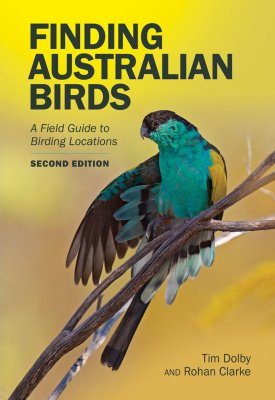
Credit: www.nhbs.com
Conservation And Birdwatching Ethics
Birdwatching in Australia is not just about observing the breathtaking array of avian life but also about ensuring these magnificent creatures thrive in their natural habitats. Conservation and birdwatching ethics play a pivotal role in preserving Australia’s diverse bird species. By understanding and practicing ethical birdwatching, you contribute to the protection of these birds and their environments.
Protecting Bird Habitats
One of the most crucial aspects of bird conservation is protecting their natural habitats. When you visit a birdwatching site, consider the impact of your presence. Stick to designated paths to prevent disturbing nesting sites and avoid using flash photography, which can startle birds.
Consider how your actions can affect the fragile balance of the ecosystem. A single misplaced step can disrupt a delicate habitat. Small actions can have a big impact—be mindful of where you tread.
Responsible Watching Practices
Responsible birdwatching involves more than just observing; it requires respect for the creatures and their environment. Keep a respectful distance from the birds and use binoculars for a closer view. This prevents stress on the birds and allows them to go about their day without interference.
Think about how you’d feel if someone invaded your space without permission. Respect their space and privacy. Wouldn’t you want the same consideration?
Supporting Conservation Efforts
Supporting conservation efforts is a tangible way to contribute to the preservation of bird species. You can support local conservation groups through donations or volunteer work. These organizations often have programs aimed at habitat restoration and species protection.
Imagine the impact if every birdwatcher contributed to conservation efforts. Your involvement can make a significant difference. Consider how you can contribute to these vital initiatives.
Citizen Science Opportunities
Engaging in citizen science projects allows you to contribute valuable data to ongoing research. Many organizations offer opportunities for birdwatchers to report sightings and behaviors. This data helps scientists track bird populations and understand migration patterns.
What if your observations could aid in the conservation of a species? By participating in these projects, you’re directly contributing to scientific knowledge. Your observations are not just for you but serve a greater purpose.
Frequently Asked Questions
What Are The Most Common Australian Birds To Spot?
Common Australian birds include the kookaburra, magpie, cockatoo, and rainbow lorikeet. These birds are easily found in urban and rural areas across Australia. Birdwatchers often spot them in parks, gardens, and forests throughout the year.
How Can I Identify Australian Birds By Their Calls?
Australian birds have distinctive calls that help in identification. For example, the kookaburra’s laugh is iconic. Learning bird calls improves birdwatching experiences and helps locate species hidden in foliage or distant trees.
When Is The Best Time To Watch Australian Birds?
Early mornings and late afternoons are ideal for birdwatching in Australia. Birds are most active during these times, especially during breeding seasons in spring and summer. Cooler temperatures also encourage more bird activity and vocalizations.
What Habitats Do Australian Birds Prefer?
Australian birds inhabit diverse environments, including forests, deserts, wetlands, and urban areas. Different species adapt to specific habitats, such as parrots in woodlands and waterbirds near lakes or rivers. Understanding habitats aids in finding and observing various bird species.
Conclusion
Australia’s birds offer a world full of color and song. Spotting them brings joy and peace. Each bird has a unique story to tell. Carry this guide on your next outdoor trip. Watch, listen, and learn from nature’s wonders. Birdwatching connects us to the wild and free.
Keep exploring, and enjoy Australia’s feathered friends.




