
Have you ever wondered why filmmakers and photographers use a bird’s eye view shot? This unique angle gives you a fresh perspective, showing the big picture in a way that grabs your attention instantly.
It can make your scenes feel more dramatic, reveal hidden details, or even create a sense of control and power. If you want to understand how this simple technique can transform your visuals and storytelling, keep reading. You’ll discover why the bird’s eye view shot is a powerful tool you don’t want to miss.
Purpose Of Bird Eye View Shots
A bird eye view shot shows a scene from above. It looks down on the subject like a bird flying high.
This type of shot helps viewers see the big picture. It shows details that are hard to notice from ground level.
Capturing Scale And Scope
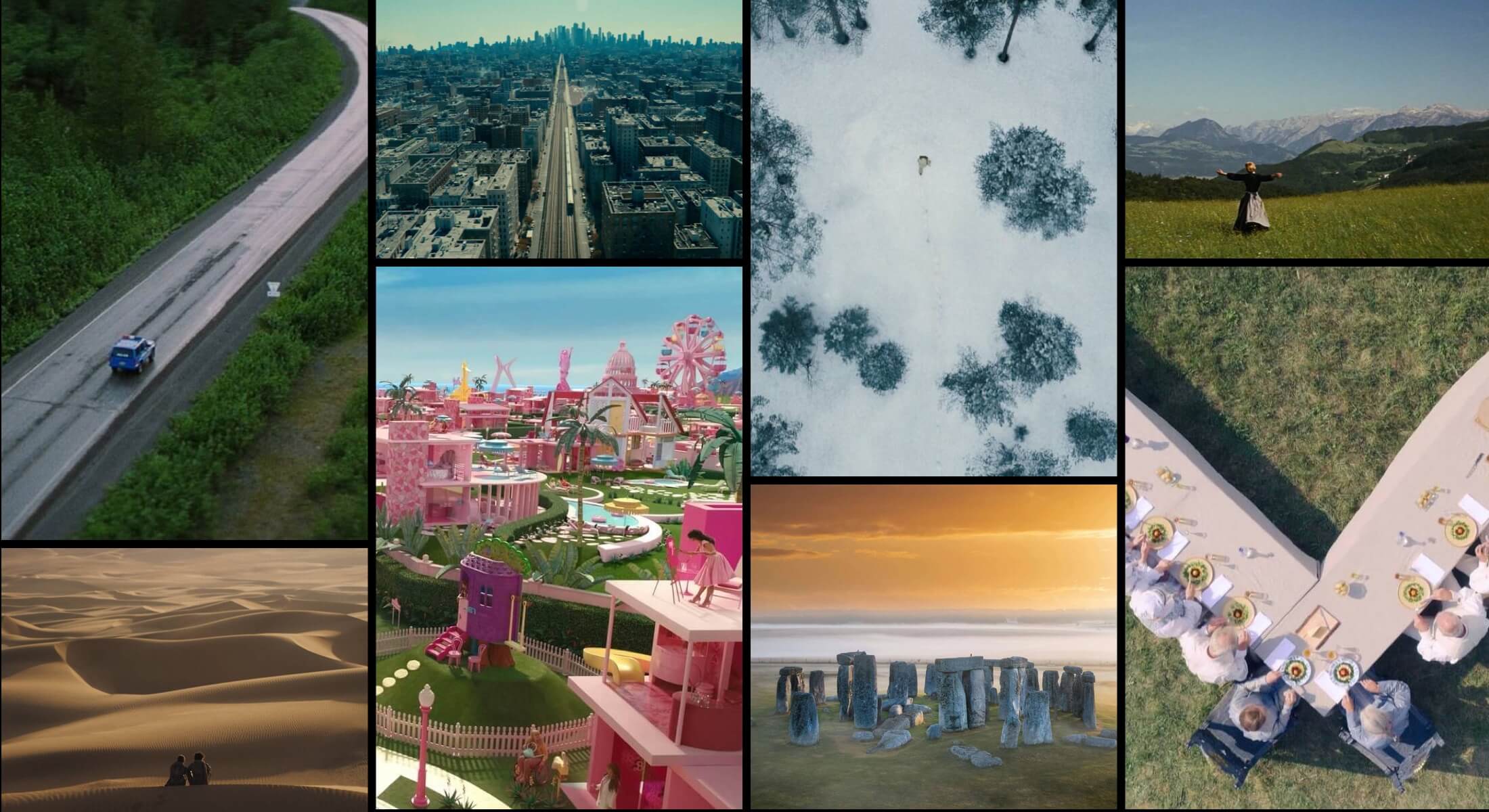
Bird eye view shots show how big or wide a place is. They capture large areas all at once.
This view helps explain the size of buildings, crowds, or landscapes. It shows the full scale clearly.
- Shows wide city streets and parks
- Displays large events or gatherings
- Highlights natural landscapes and terrains
Enhancing Spatial Awareness
This shot helps viewers understand where things are placed. It shows the position of objects in space.
Bird eye views make it easier to see paths, roads, and how parts connect. It guides the viewer’s eye smoothly.
- Shows how buildings relate to each other
- Reveals road layouts and traffic flow
- Maps out event setups or complex scenes
Creating Dramatic Effects
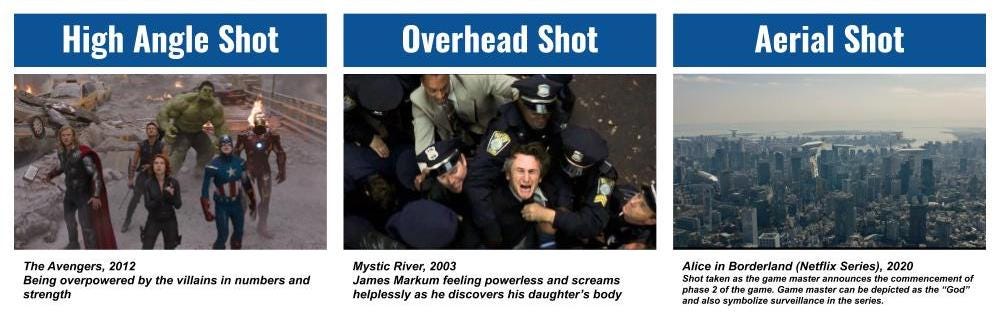
Looking down from above can make a scene feel powerful or small. It adds drama and emotion.
This angle can show a character’s loneliness or a place’s vastness. It changes how viewers feel about the scene.
- Makes subjects look tiny or vulnerable
- Shows overwhelming size of spaces
- Creates tension or awe in storytelling

Credit: en.wikipedia.org
Techniques To Achieve Bird Eye Views
Bird eye view shots show scenes from high above. This angle helps viewers see the whole area. Filmmakers use different ways to get these views.
These techniques include flying cameras, special rigs, and computer effects. Each method offers unique benefits for capturing bird eye shots.
Use Of Drones And Helicopters
Drones are popular for bird eye views. They fly high and move smoothly. Drones are easier to use and cost less than helicopters.
Helicopters give stable, wide shots from great heights. They are good for big scenes and long takes. Pilots can adjust the angle quickly.
- Drones offer flexibility and lower cost
- Helicopters provide steady, broad views
- Both allow filming from high above
High-angle Camera Rigs
High-angle rigs hold cameras above the subject. These rigs use poles, cranes, or jibs. They let cameras move up and down smoothly.
These rigs work well indoors and outdoors. They give control over the camera’s height and angle. Operators can capture detailed bird eye shots safely.
- Poles and cranes lift cameras high
- Operators control camera movement
- Good for close and medium bird eye views
Digital Effects And Cgi
Digital effects create bird eye views without a camera. CGI can build scenes from above using software. This method is useful for impossible shots.
Filmmakers mix real footage with CGI to enhance shots. This adds creative freedom and safety. It also saves time and money in some cases.
- CGI builds scenes from any angle
- Mixing real and digital shots looks natural
- Safe and cost-effective for complex views
Visual Impact On Storytelling
A bird eye view shot shows a scene from above. It gives a wide look at the area or action.
This shot helps tell stories by adding depth and meaning to what viewers see.
Establishing Setting And Environment
A bird eye view shows the full setting clearly. It helps the audience understand where the story happens.
This shot shows the size and layout of places, making the scene feel real and complete.
- Shows how characters relate to their surroundings
- Highlights important places in one view
- Gives a sense of scale and distance
Conveying Power And Vulnerability
Looking down from above can make people or objects seem small or weak.
It can show who has control or who feels lost in a scene.
- Small figures feel vulnerable or alone
- Large empty spaces add to weakness
- Dense groups can show power or threat
Guiding Viewer Focus
The bird eye view guides the viewer to see what matters most. It shows paths and movements clearly.
This helps direct attention to key actions or details in the story.
- Shows main characters in context
- Highlights important objects or places
- Leads eyes through the scene naturally
Common Genres Using Bird Eye Shots
Bird eye view shots show scenes from above. They give a wide perspective.
This view is popular in many film genres. It helps tell stories in unique ways.
Action And Adventure
Bird eye shots show large-scale scenes in action films. They capture chases and battles from above.
- Track fast movements of characters
- Show dangerous terrain or obstacles
- Reveal the size of the environment
- Create suspense by showing threats around
Documentaries And Nature Films
Nature films use bird eye views to show landscapes and animal behavior. It helps viewers see patterns and habitats clearly.
| Purpose | Example |
| Show animal migration | Birds flying in formation |
| Display forest coverage | Rainforest canopy |
| Reveal water flow | Rivers and waterfalls |
Urban And Architectural Videos
Bird eye shots highlight city layouts and building designs. Filmmakers show structure and scale from high above.
- Reveal street patterns and traffic flow
- Show the size of buildings and landmarks
- Display construction progress over time
- Present urban planning and development
Creative Variations And Innovations
The bird eye view shot offers a unique perspective that filmmakers use creatively. It shows scenes from above, revealing patterns, shapes, and spatial relationships.
Innovators combine this shot with other techniques to add depth and interest. It is not just a static view but a tool for storytelling and mood setting.
Combining With Other Angles
Bird eye view shots work well with different camera angles to create a fuller story. Switching between angles can highlight action or emotion.
- Close-ups after a bird eye shot focus on character details.
- Wide angles paired with bird eye views show context and environment.
- Low angles contrasted with bird eye shots emphasize power or vulnerability.
Dynamic Movements And Transitions
Adding motion to bird eye shots makes scenes dynamic and engaging. Smooth transitions can shift the viewer’s focus naturally.
- Drone shots glide over landscapes or crowds for fluid movement.
- Quick zoom-ins from bird eye height to ground level create surprise.
- 360-degree rotations capture complete surroundings in one take.
Color And Lighting Enhancements
Lighting and color adjustments improve the mood and clarity of bird eye shots. Creators use these tools to guide the viewer’s emotions.
| Technique | Effect |
| High contrast lighting | Highlights shapes and patterns |
| Warm color tones | Creates cozy or nostalgic moods |
| Cool color tones | Gives a calm or eerie feeling |
| Selective color focus | Draws attention to key objects |
Credit: thefilmpost.medium.com
Credit: www.studiobinder.com
Frequently Asked Questions
What Is A Bird Eye View Shot?
A Bird Eye View shot captures scenes from directly above. It offers a unique perspective, showing spatial relationships clearly. This shot helps viewers understand complex layouts and movements in a scene.
Why Use Bird Eye View In Filmmaking?
Filmmakers use Bird Eye View to create dramatic effects. It highlights scale, patterns, or chaos in a scene. This angle adds visual interest and guides audience focus effectively.
How Does Bird Eye View Affect Storytelling?
Bird Eye View enhances storytelling by showing context and environment. It reveals character positions and actions simultaneously. This shot supports narrative clarity and emotional impact.
When Is Bird Eye View Most Effective?
Bird Eye View is effective in action sequences, landscapes, or crowd scenes. It provides overview and strategic insight. This shot is useful to convey control or vulnerability.
Conclusion
Bird’s eye view shots offer a unique perspective. They give viewers a complete scene overview. Filmmakers use this angle to create dramatic effects. It helps in storytelling by showing relationships between elements. This shot adds depth and context to the narrative.
It enhances understanding by revealing patterns and connections. Audiences find it visually appealing and engaging. Directors can convey messages more effectively. These shots transform ordinary scenes into something special. Using bird’s eye view enriches the visual experience. It’s a powerful tool in the filmmaker’s arsenal.




