
Are you looking to attract beautiful songbirds to your garden or backyard? Choosing the right bird seed mix can make all the difference.
But what exactly makes a good song bird seed mix? The answer might surprise you. It’s not just about tossing any seeds outside; it’s about understanding what your feathered visitors truly love to eat. You’ll discover how to pick the perfect blend that keeps songbirds coming back day after day.
Keep reading, and soon your outdoor space will be alive with the sweet sounds of nature.

Credit: www.amazon.ca
Key Ingredients For Songbird Seeds
Choosing the right ingredients for your songbird seed mix can make all the difference in attracting vibrant and healthy birds to your garden. The key ingredients not only draw in a variety of songbirds but also provide the essential nutrients they need to thrive. Understanding what seeds to include, their nutritional value, and what to avoid will help you create the perfect mix for your feathered visitors.
Seeds That Attract Songbirds
Different seeds appeal to different species of songbirds. Black oil sunflower seeds are a top favorite because their thin shells make them easy to crack open. Nyjer (thistle) seeds attract finches and other small birds that love tiny, oil-rich seeds.
Millet, especially white proso millet, is excellent for ground-feeding birds like sparrows and juncos. Safflower seeds draw cardinals and grosbeaks but are less attractive to squirrels. Including a variety of these seeds can invite a wider range of birds to your feeder.
Nutritional Benefits For Birds
Songbirds need a balance of protein, fat, and carbohydrates to stay healthy and energetic. Seeds like sunflower and safflower are high in fat, which provides energy, especially during cold months. Millet is a good source of carbohydrates, offering quick energy for daily activities.
Some mixes also include dried fruits or nuts, which add vitamins and minerals essential for feather health and immune support. Providing a mix with diverse nutritional benefits helps songbirds maintain their strength and vitality throughout the year.
Avoiding Harmful Additives
Not all seed mixes are created equal. Avoid mixes with fillers like red millet, wheat, or oats as many songbirds tend to discard these, wasting your money and attracting unwanted pests. Also, steer clear of seed mixes that contain artificial colors or preservatives.
These additives can harm birds or disrupt their natural diets. Always check the ingredient list and choose natural, clean seeds to ensure you’re supporting your local wildlife safely and effectively.
Types Of Songbird Seed Mixes
Choosing the right songbird seed mix can transform your backyard into a lively haven filled with colorful birds and cheerful songs. Different mixes attract different species, so understanding the types of seed blends available helps you create the perfect feeding spot. Let’s look at the common categories that can suit your birdwatching goals and local bird population.
All-purpose Blends
All-purpose blends are designed to attract a wide variety of songbirds, making them a great choice if you want diversity. These mixes often include sunflower seeds, millet, cracked corn, and sometimes safflower seeds. If you’re new to bird feeding, an all-purpose blend lets you see which species visit your feeder before specializing.
One time, I used an all-purpose mix and was surprised to see cardinals, chickadees, and finches all visiting regularly. Have you noticed how certain seeds seem to attract more birds in your area? Experimenting with these blends can give you clues about local preferences.
Specialized Mixes For Different Species
If you want to attract specific birds, specialized mixes are the way to go. For example, finch mixes usually contain nyjer and thistle seeds, which are favorites for these small, agile birds. Or, if you want to see more cardinals and grosbeaks, look for blends rich in safflower and sunflower chips.
Specialized mixes help avoid wasting seeds on birds you don’t want or aren’t interested in. They also reduce competition at feeders, giving your favorite species better access. What birds do you wish to see more often? Choosing the right seed mix can make that happen.
Seasonal Seed Mix Options
Birds’ dietary needs change with the seasons, and so should your seed mix. In winter, high-fat seeds like sunflower and peanuts provide the energy birds need to stay warm. During spring and summer, offering lighter seeds like millet and cracked corn supports breeding and feeding young.
Some seed blends are formulated specifically for these seasonal needs, ensuring you provide the best nutrition year-round. Have you ever noticed your feeder activity change with the seasons? Matching your seed mix to the time of year can keep your feathered friends happy and healthy.
Top Picks For Quality Seed Mixes
Choosing the right song bird seed mix ensures birds visit your garden often. Quality mixes attract a variety of birds and keep them healthy. These blends combine seeds that offer nutrition and appeal to different bird species.
Top picks for seed mixes balance taste, nutrition, and cost. They include trusted brands, organic options, and affordable choices. Understanding these can help you pick the best mix for your backyard friends.
Popular Brands And Their Features
- Kaytee:Known for high-quality ingredients and broad bird appeal.
- Wagner’s:Offers blends with sunflower, millet, and cracked corn.
- Audubon Park:Focuses on natural seed mixes without fillers.
- Ornery:Provides mixes designed for specific bird types.
These brands use fresh seeds and avoid cheap fillers. Their mixes attract many songbirds like finches, sparrows, and chickadees.
Organic Vs. Conventional Seeds
Organic seed mixes are grown without synthetic chemicals. They avoid pesticides and fertilizers that can harm birds.
Conventional mixes may contain treated seeds and fillers. These are often less expensive but might lack purity.
Organic seeds offer safer nutrition but cost more. Conventional seeds suit casual bird watchers on a budget.
Price Vs. Quality Considerations
| Price Range | Quality | Best For |
|---|---|---|
| Low | Basic seed blends, may contain fillers | Casual bird feeding |
| Medium | Good seed variety, fewer fillers | Regular bird watchers |
| High | Premium seeds, organic options | Serious bird enthusiasts |
Better quality mixes support bird health and attract more species. Consider how often you feed birds and your budget. Investing in quality seeds can reward you with vibrant bird visits.

Credit: www.amazon.ca
Tips For Feeding Songbirds
Feeding songbirds is a rewarding activity that connects you with nature. Proper feeding helps birds stay healthy and active. It also encourages a variety of species to visit your yard. Simple tips can improve their feeding experience and keep your garden safe and clean.
Best Feeders To Use
Choose feeders that suit different bird sizes and types. Tube feeders work well for small birds like finches. Hopper feeders attract larger birds such as cardinals. Platform feeders allow many birds to feed at once. Use feeders with drainage holes to prevent seed spoilage. Pick feeders made from durable, weather-resistant materials.
Proper Storage Of Seed Mixes
Store seed mixes in a cool, dry place. Use airtight containers to keep seeds fresh. Avoid places with high humidity or direct sunlight. Proper storage stops mold and pests from ruining the seeds. Check seed freshness regularly and discard old or damp seeds. This keeps birds healthy and eager to visit.
Maintaining A Clean Feeding Area
Clean feeders at least once every two weeks. Use warm, soapy water and rinse well. Remove old seeds and bird droppings from the ground. Spread seed on trays or ground sparingly to avoid waste. Clean feeding areas reduce disease risk among birds. Keep nearby plants trimmed to prevent pests.
Signs Of Happy And Healthy Birds
Knowing the signs of happy and healthy birds helps you choose the right song bird seed mix. Birds that enjoy their food show clear signals in their behavior and appearance. These signs reveal their well-being and indicate that their diet meets their needs.
Behavioral Indicators
- Active movement and playful behavior
- Frequent singing or chirping
- Regular visits to the feeder
- Calm and confident posture
- Social interaction with other birds
Physical Health Signs
- Bright and clear eyes
- Smooth and shiny feathers
- Alert and responsive to sounds
- Good weight without being too thin or fat
- Clean and well-kept beak and claws
Seasonal Changes In Feeding Habits
Birds eat differently through the seasons. They may eat more in cold months to stay warm. In spring, they need energy for nesting and raising chicks. Summer diet often includes more insects and fruits. Fall is a time to build fat stores for winter. A good seed mix adapts to these changes to keep birds healthy all year.
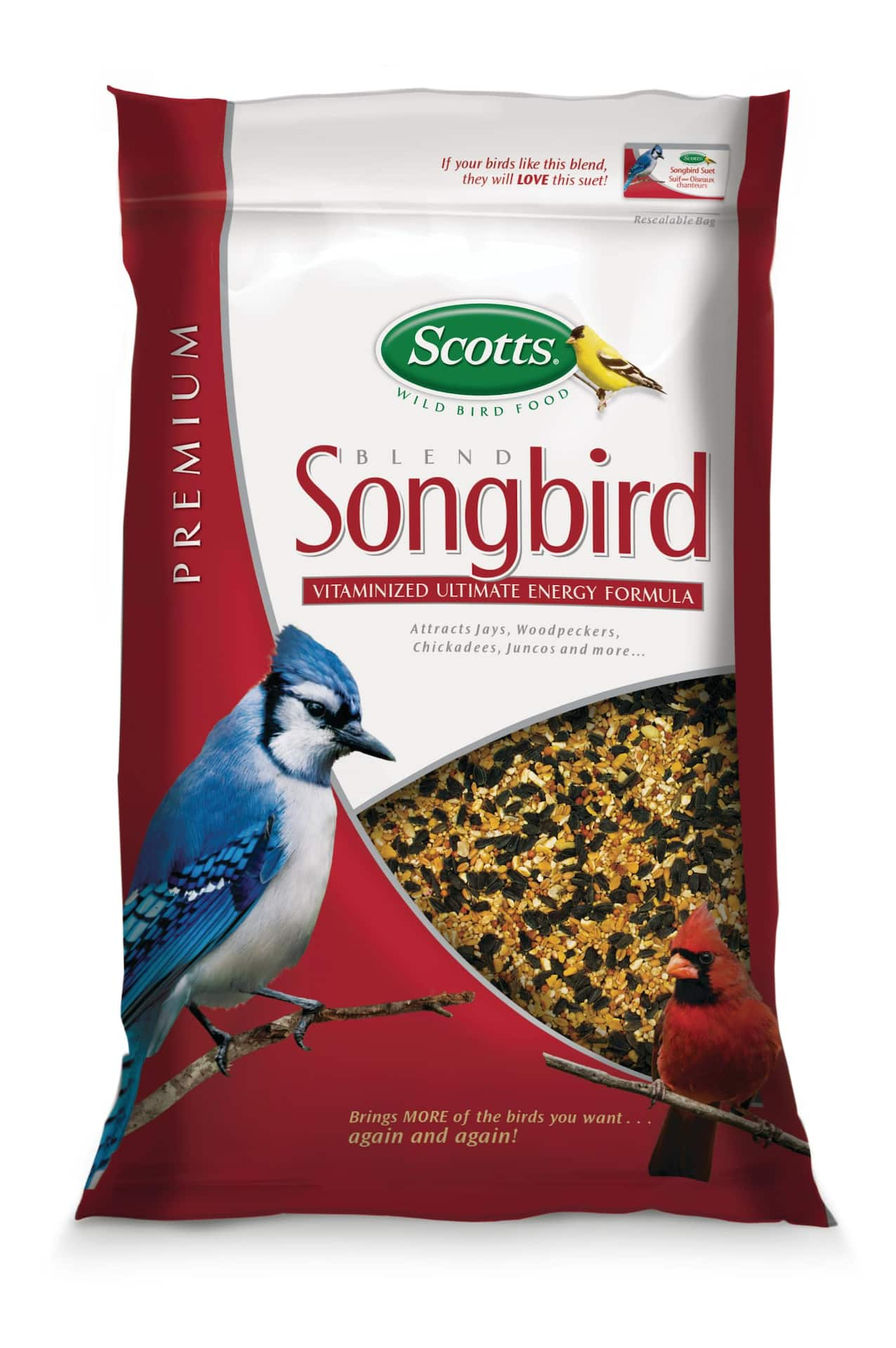
Credit: www.canadiantire.ca
Frequently Asked Questions
What Ingredients Make A Good Song Bird Seed Mix?
A good song bird seed mix contains sunflower seeds, millet, cracked corn, and nyjer seeds. These ingredients attract various songbirds and provide balanced nutrition for their health and energy.
Which Seeds Attract The Most Songbirds?
Black oil sunflower seeds attract the most songbirds due to their high fat content and thin shells. Nyjer seeds also attract finches and other small birds, making them popular in seed mixes.
How To Choose The Best Song Bird Seed Mix?
Choose a mix with diverse seeds like sunflower, millet, and nyjer. Avoid mixes with fillers like wheat or oats, as they don’t attract many songbirds and waste your money.
Can Song Bird Seed Mixes Support Different Bird Species?
Yes, a variety of seeds in the mix supports multiple species. Sunflower seeds attract larger birds, while millet and nyjer attract smaller birds like finches and sparrows.
Conclusion
A good songbird seed mix keeps birds healthy and happy. It includes seeds like sunflower, millet, and safflower. These seeds provide energy, vitamins, and nutrients for birds. Fresh, clean seeds attract more birds to your yard. Avoid mixes with too many fillers or artificial ingredients.
Choose a mix that suits the birds in your area. This helps support local wildlife and brings nature closer. Feeding birds is simple with the right seed mix. Enjoy watching colorful birds visit your garden daily.




