
Is your feathered friend looking unwell, and you’re unsure what to do next? When your bird falls sick, it can feel overwhelming and scary.
You want to help, but how do you care for a fragile creature at home safely and effectively? This guide will give you simple, practical steps to treat your sick bird and ease your worries. By learning these easy tips, you’ll feel more confident in giving your bird the comfort and care it needs right now.
Keep reading to discover how you can make a real difference in your bird’s health today.

Credit: www.chewy.com
Recognize Signs Of Illness
Birds cannot tell us when they feel sick. We must watch them closely. Spotting sickness early helps your bird get better fast.
Look for changes in how your bird acts and looks. These signs can show your bird needs care at home or from a vet.
Changes In Behavior
Sick birds often act differently than usual. They may sleep more or hide from people. Watch for any new habits.
Less movement or less vocal sounds can mean your bird feels unwell. Pay attention to how active your bird is each day.
- Sleeping more than usual
- Hiding or avoiding contact
- Less singing or chirping
- Not flying or moving much
Physical Symptoms
Look at your bird’s body for signs of illness. Swollen eyes or a dirty beak can be warning signs. Check feathers and skin too.
Other signs include breathing problems or droppings that look different. Catching these early helps your bird heal.
- Swollen or crusty eyes
- Ruffled or missing feathers
- Labored or noisy breathing
- Runny nose or beak discharge
- Unusual droppings
Eating And Drinking Habits
Sick birds often eat or drink less. Watch if your bird stops eating favorite foods or drinks less water than usual.
Changes in appetite can quickly affect your bird’s health. Make sure food and water are fresh and easy to reach.
- Loss of appetite or interest in food
- Drinking less water than normal
- Spitting out food or dropping it
- Weight loss or weak body
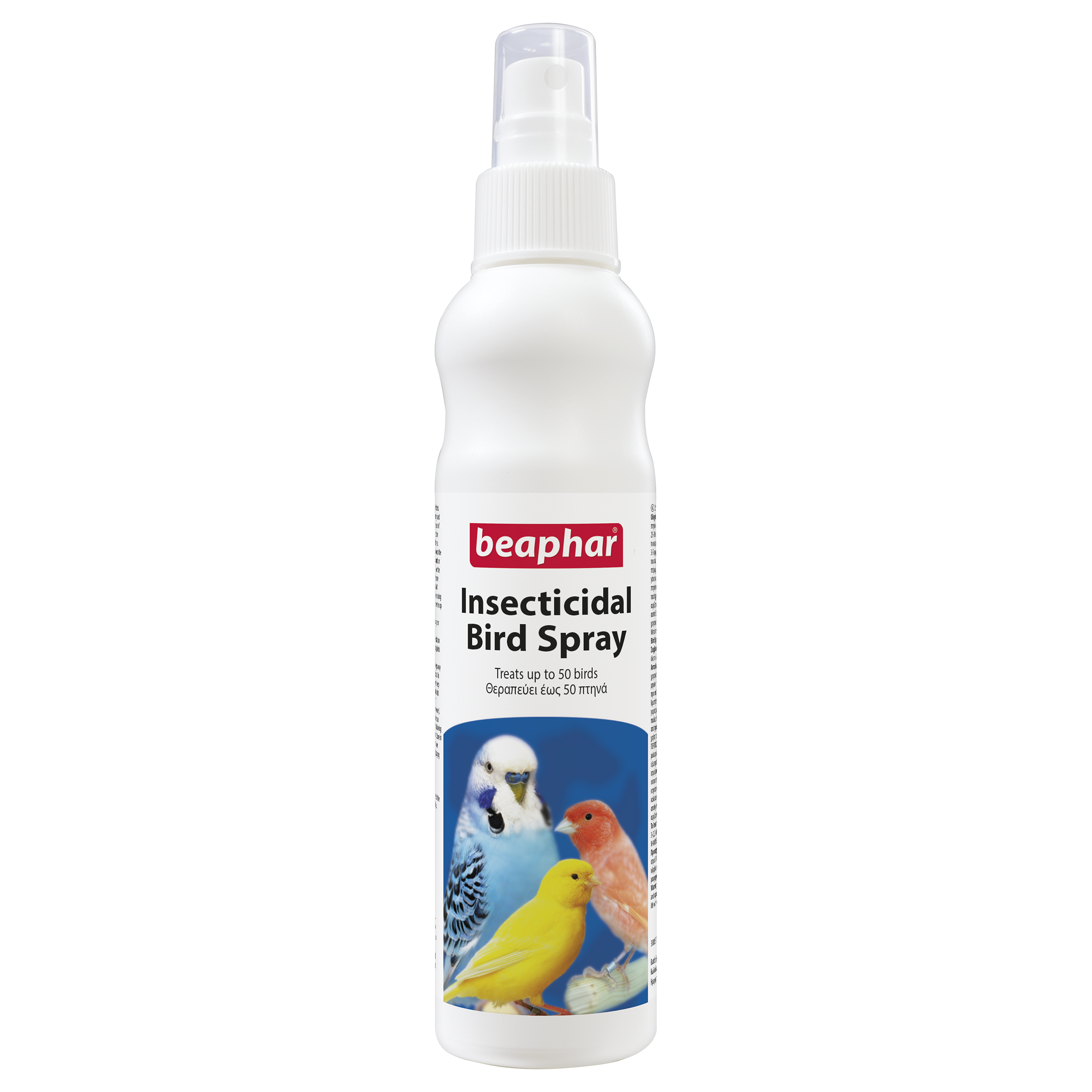
Credit: www.beaphar.com
Create A Comfortable Space
When your bird is sick, making a cozy spot helps it heal faster. A good space keeps your bird calm and safe.
Focus on the right temperature, lighting, quiet, and cleanliness. These things make a big difference.
Temperature And Lighting
Keep the room warm but not hot. Birds get cold easily when they are sick. Use soft light instead of bright lights to avoid stress.
- Maintain temperature between 75°F and 80°F (24°C to 27°C)
- Use a small lamp with a low watt bulb for warmth
- Cover the cage with a light cloth at night
- Avoid direct sunlight or harsh fluorescent lights
Quiet Environment
A calm place helps your bird rest. Keep noise low and avoid sudden loud sounds. Limit visitors and activity near the bird’s space.
| Noise Source | What to Do |
| TV or radio | Turn off or lower volume |
| Other pets | Keep in a separate room |
| Household chores | Do them away from the bird |
| Talking or loud voices | Speak softly near the bird |
Cleanliness Tips
Keep the bird’s space clean to stop germs from spreading. Change bedding and clean food and water dishes daily.
- Remove droppings and soiled bedding every day
- Wash food and water containers with warm water and mild soap
- Use safe disinfectants recommended for birds
- Dry everything before placing it back in the cage
Provide Proper Nutrition
Feeding a sick bird the right food helps it get better fast. Good nutrition supports healing and keeps the bird strong.
It is important to give foods that are easy to digest and full of nutrients. Avoid foods that can upset your bird’s stomach.
Hydration Needs
Water helps your sick bird stay healthy and recover. Birds can get dehydrated quickly if they are sick.
Always offer fresh, clean water in a shallow dish or water bottle. Change the water at least once a day.
- Keep water within easy reach
- Use a clean bowl or bottle
- Watch if the bird drinks enough
Suitable Foods
Choose soft and easy foods for your sick bird. Seeds, pellets, and fruits are good options.
Warm food slightly to make it more appealing and easier to eat. Offer small amounts often instead of one large meal.
- Cooked rice or pasta
- Soft fruits like banana or melon
- Boiled eggs for protein
- Bird pellets soaked in water
Avoiding Harmful Substances
Keep your sick bird away from foods that can cause harm. Some foods are toxic or hard to digest.
Do not feed your bird chocolate, avocado, caffeine, or salty snacks. Also, avoid giving dairy products or alcohol.
- No chocolate or candy
- No avocado or onion
- No caffeine or tea
- No salty or fried foods
- No dairy or alcohol

Credit: birdsupplies.com
Administer Basic Care
Caring for a sick bird at home needs patience and attention. Basic care helps your bird heal safely.
Learn how to handle your bird gently, give medicines correctly, and watch for signs of recovery.
Handling With Care
Always hold your bird softly to avoid stress or injury. Use a towel if needed to gently wrap it.
- Keep your bird in a quiet place.
- Handle the bird only when necessary.
- Support the bird’s body fully while holding.
- Speak softly to calm your bird.
- Wash your hands before and after handling.
Medication At Home
Give medicines exactly as the vet orders. Use a dropper or syringe for liquid medicine.
| Medicine Type | Method | Tip |
| Liquid | Use dropper or syringe | Place drops at side of beak |
| Tablet | Crush and mix in food | Check bird eats all food |
| Topical | Apply on skin or feathers | Use clean hands or cotton swab |
Monitoring Progress
Watch your bird carefully each day. Note any changes in behavior or health.
- Check appetite and water intake.
- Observe droppings for changes.
- Look for signs of breathing trouble.
- Note any unusual behavior or weakness.
- Record temperature if possible.
When To Seek Professional Help
Knowing when to get expert care can save your sick bird’s life. Some signs need quick attention from a vet.
This guide helps you spot emergency signs, find a vet, and prepare for the visit.
Emergency Signs
If your bird shows these signs, seek professional help immediately. Birds hide illness well, so act fast.
- Labored or noisy breathing
- Severe bleeding or injury
- Not eating or drinking for over 24 hours
- Fluffed up feathers and constant sleeping
- Weakness or inability to perch
- Swelling or lumps on the body
- Vomiting or diarrhea
- Sudden changes in behavior or seizures
Finding A Vet
Look for a vet who treats birds or exotic pets. They know how to handle and care for your bird safely.
Ask friends, check online reviews, or call local clinics to find the right specialist.
| Where to Look | What to Ask |
| Exotic animal clinics | Do you treat birds? |
| Bird rescue centers | Can you recommend a vet? |
| Online pet forums | Who has the best bird vet nearby? |
| Local veterinary offices | Do you have bird care experience? |
Preparing For The Visit
Get ready before you go. A calm bird visits the vet better and stress lessens.
- Use a secure, well-ventilated carrier for transport
- Bring a sample of your bird’s droppings if possible
- Note any changes in eating, behavior, or droppings
- Prepare a list of medications or supplements your bird takes
- Keep your bird warm and quiet before the visit
Prevent Future Illnesses
Taking care of a sick bird at home is important. You can help stop future sickness by keeping your bird healthy.
Focus on good habits like cleaning, feeding well, and regular vet visits to keep your bird strong.
Regular Cleanings
Clean your bird’s cage and toys often. This stops germs from building up and spreading.
- Wash food and water dishes daily
- Remove waste and old food every day
- Clean the cage with bird-safe disinfectant weekly
- Dry all items completely before putting them back
Balanced Diet
Feed your bird a mix of seeds, fruits, and vegetables. A good diet helps the bird fight illness.
| Food Type | Benefits |
| Seeds | Provide energy and fats |
| Fresh Fruits | Offer vitamins and minerals |
| Vegetables | Help with digestion and vitamins |
| Clean Water | Keeps your bird hydrated |
Routine Checkups
Take your bird to the vet regularly. This helps catch sickness early and keeps vaccinations up to date.
Some tips for vet visits:
- Watch for changes in behavior or appetite
- Bring a list of any concerns or symptoms
- Keep a health record of your bird
- Ask about parasite prevention and vaccines
Frequently Asked Questions
How Can I Tell If My Bird Is Sick At Home?
Look for signs like lethargy, fluffed feathers, loss of appetite, or unusual droppings. These often indicate illness.
What Are The First Steps To Treat A Sick Bird?
Isolate your bird, provide warmth, fresh water, and nutritious food. Monitor symptoms closely and maintain a calm environment.
When Should I Call A Vet For My Sick Bird?
If symptoms persist over 24 hours or worsen, seek veterinary care immediately. Early intervention improves recovery chances.
How Do I Keep A Sick Bird Hydrated?
Offer fresh water frequently and consider diluted electrolyte solutions. Avoid forcing water to prevent choking.
Conclusion
Caring for a sick bird at home takes patience and care. Watch your bird closely for any changes. Keep the environment clean and quiet to help healing. Offer fresh water and proper food regularly. Remember, quick action can make a big difference.
Don’t hesitate to contact a vet if needed. Your gentle care helps your bird feel safe and better soon. Small steps matter a lot in your bird’s recovery. Stay calm and attentive throughout the process.




