
Are you tired of squirrels turning your bird feeders into their personal snack bars? You’re not alone.
Those clever little creatures can quickly empty your feeder, leaving your feathered friends hungry and you frustrated. But don’t worry—there are simple and effective ways to protect your bird feeders from these persistent visitors. Keep reading, and you’ll discover easy tricks that let you enjoy watching birds without the squirrel chaos.
Your peaceful backyard birdwatching experience is just a few steps away.
Common Squirrel Challenges
Dealing with squirrels at your bird feeders can be frustrating. These clever creatures often outsmart simple barriers and cause unexpected problems. Understanding the common challenges they pose helps you prepare better defenses and keep your feeders safe.
Why Squirrels Target Feeders
Squirrels are naturally drawn to bird feeders because they offer an easy and reliable food source. Unlike foraging in the wild, feeders provide high-calorie seeds with minimal effort. Have you noticed how quickly squirrels learn the best times to raid your feeder?
They are also very persistent and agile climbers. Squirrels use their sharp claws and strong teeth to access food that birds work hard to gather. Their intelligence lets them figure out many common squirrel-proof tricks, so simple solutions often fail.
Damage Caused By Squirrels
Squirrels don’t just steal seeds; they can cause significant damage to your feeders and surrounding area. Chewed poles, broken feeder parts, and spilled seeds create a mess that attracts even more pests. This means you might spend more time cleaning and repairing than enjoying birdwatching.
Additionally, damaged feeders can become unsafe for the birds you want to attract. Sharp edges from chewed plastic or metal can harm them. Have you ever found your favorite feeder unusable because squirrels turned it into a chew toy?
Protecting your feeders means preventing both food loss and physical damage. Knowing exactly what you’re up against makes it easier to choose effective solutions that last.
Credit: www.walmart.com
Choosing Squirrel-resistant Feeders
Choosing the right squirrel-resistant feeder can save you hours of frustration and protect your bird feed investment. Not all feeders are built the same, and some designs work better at keeping squirrels out than others. Understanding the key features and types of these feeders will help you pick one that suits your yard and keeps those crafty squirrels at bay.
Features Of Squirrel-proof Designs
Squirrel-proof feeders often include specific design elements that make it difficult for squirrels to access the seed. Look for features such as:
- Weight-activated mechanisms:These feeders close off access ports when a heavier animal, like a squirrel, climbs on.
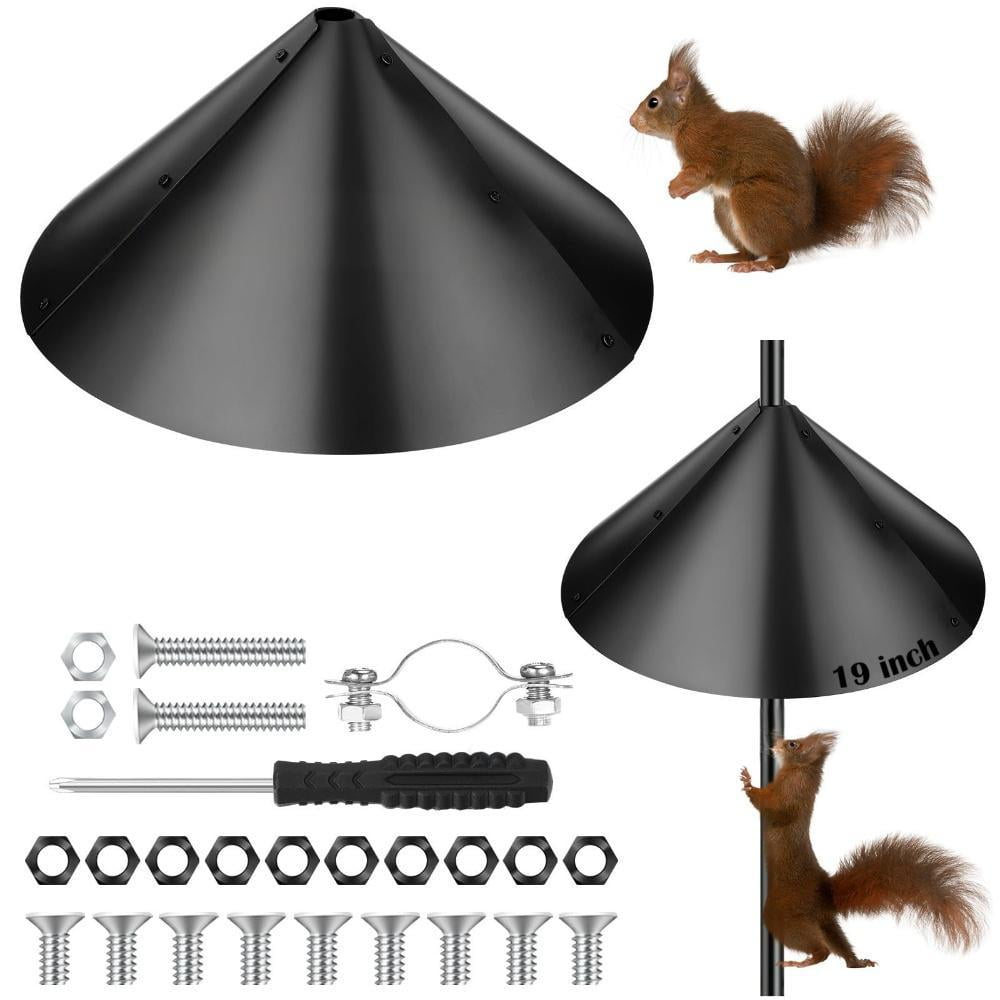
- Baffles:Dome- or cone-shaped barriers placed above or below the feeder to block squirrels from climbing or jumping onto it.
- Metal construction:Squirrels can chew through plastic or wood, so feeders made of metal are more durable.
- Seed compartments:Designs that release seed only when a small bird is feeding reduce waste and discourage squirrels.
Have you noticed squirrels jumping from trees or fences to reach your feeder? Features like baffles and weight-activated perches can prevent this by making the feeder too tricky or heavy for them to open.
Top Feeder Types To Consider
Several feeder styles are known for their squirrel-resistant qualities. Here are some popular options you can consider:
| Feeder Type | How It Works | Best For |
|---|---|---|
| Caged Feeders | Metal cage surrounds feeding ports, allowing small birds in but keeping squirrels out. | Small songbirds, backyard gardens |
| Weight-Sensitive Feeders | Shuts off seed access when heavier animals sit on it. | Areas with heavy squirrel activity |
| Baffle-Equipped Feeders | Uses a dome or cone to block squirrels from climbing. | Feeders hung from poles or trees |
| Tube Feeders with Metal Ports | Strong metal seed ports resist chewing and are sized for birds only. | Seed-specific feeding, like sunflower or nyjer |
Have you tried swapping your old feeder for one of these types? It might be the simplest way to stop squirrels from turning your bird feeding spot into their personal buffet.
Placement Strategies To Deter Squirrels
Placing your bird feeders thoughtfully can make a huge difference in keeping squirrels away. Squirrels are excellent jumpers and climbers, so where you put your feeders matters more than you might think. Smart placement can reduce their access and save your birdseed from becoming a squirrel snack.
Ideal Locations For Feeders
Choose spots that are hard for squirrels to reach. Avoid locations near trees, fences, or structures squirrels can jump from. A feeder placed at least 10 feet away from these launching pads gives birds a safe feeding zone.
Mount feeders on metal poles rather than wooden ones. Metal is slippery and tough for squirrels to climb. If you don’t have open lawn space, try hanging feeders from thin, strong wires stretched between two points, making sure there’s no nearby perch for squirrels to jump onto.
Using Distance And Barriers
Distance alone isn’t always enough; you can add barriers to make feeders even less accessible. Use baffles—cone-shaped or cylindrical metal or plastic guards—on poles or hanging wires to block squirrels from climbing up or down.
Place feeders at least 5 feet above the ground to prevent squirrels from jumping up easily. If you use a pole, install a baffle at least 4 feet high. You can also add a second baffle closer to the feeder for extra protection.
Ask yourself: have you checked every possible squirrel path to your feeder? Sometimes, trimming nearby branches or installing feeder poles away from walls and fences can close off the squirrel’s routes. Your goal is to isolate the feeder with space and slippery barriers.

Credit: www.amazon.com
Physical Barriers And Accessories
Physical barriers and accessories offer simple and effective ways to stop squirrels from raiding bird feeders. These tools block squirrels’ access without harming them. They also keep the bird food safe and clean. Using barriers helps birds feed in peace.
These devices come in different shapes and sizes. Some attach to poles or hang above feeders. Others surround the feeder itself. Choosing the right barrier depends on the feeder type and squirrel activity.
Baffles And Guards
Baffles and guards are smooth, curved shields placed near feeders. They stop squirrels from climbing poles or jumping onto feeders. These barriers work well on hanging and pole-mounted feeders.
- Place baffles below or above feeders to block squirrel paths.
- Use metal or plastic baffles that are too slippery for squirrels to grip.
- Ensure baffles are wide enough to cover all possible squirrel routes.
- Check and clean baffles regularly to keep them effective.
Cages And Protective Covers
Cages and covers surround bird feeders with wire mesh. They let small birds enter but keep squirrels out. These cages protect seeds from being stolen or contaminated.
- Choose cages with small holes to fit your bird species.
- Make sure the cage is strong enough to resist chewing.
- Install covers that shield feeders from rain and squirrels.
- Inspect cages often for damage or gaps.
Natural Deterrents And Repellents
Protecting your bird feeders naturally can keep squirrels at bay without harming the environment or the animals themselves. Using natural deterrents and repellents offers a safe way to maintain a peaceful feeding space for your feathered friends. These options often involve easy-to-find items and simple techniques you can start today.
Safe Plants And Scents
Certain plants naturally repel squirrels due to their strong scents or textures. Planting mint, lavender, or rosemary near your bird feeder can discourage squirrels from coming too close. Have you noticed how squirrels avoid areas with strong-smelling herbs?
Sprinkling crushed red pepper or chili powder around your feeder also works as a scent deterrent. Squirrels dislike the spicy smell, but it won’t harm birds or pets. Try combining these plants and scents to create a natural barrier that squirrels avoid.
Homemade Repellent Solutions
Making your own squirrel repellents at home is simple and cost-effective. Mix water with a few drops of peppermint oil and spray it on the feeder’s pole or nearby surfaces. The strong mint scent confuses squirrels and keeps them away.
Another option is a garlic and cayenne spray, which you can easily prepare by blending garlic cloves, cayenne pepper, and water. Spray this mixture around your feeder regularly to maintain its effectiveness. Have you tried these solutions before? You might find that a little effort saves you a lot of frustration.
Feeding Alternatives To Distract Squirrels
Offering squirrels their own food source can keep them away from bird feeders. Placing nuts or corn in a separate area distracts squirrels and protects birds’ meals. This simple trick helps both animals enjoy their snacks peacefully.
Feeding Alternatives to Distract Squirrels Squirrels can be quite the acrobatic thieves when it comes to bird feeders. One effective strategy to protect your feeders is to offer alternative feeding options specifically for these furry little critters. By providing them with their own source of food, you can keep them happily occupied and away from your bird feeders.Providing Squirrel Feeders
Squirrel feeders are a fantastic way to divert attention. They come in various forms, from simple corn cob holders to more elaborate feeders that require some squirrel ingenuity to access the food. Place these feeders away from your bird feeders, ideally in a location that’s easy for squirrels to reach but not birds. Fill them with foods that squirrels love, such as peanuts, sunflower seeds, or corn. You might even enjoy watching the squirrels as they try to solve the puzzles of some of the more complex feeders. It’s a win-win; the squirrels get their treats, and your birds dine in peace.Using Separate Feeding Stations
Creating separate feeding stations for squirrels and birds can be an effective tactic. Consider setting up a dedicated area just for squirrels, filled with their preferred snacks. Keep this area as far as possible from your bird feeders to minimize interference. You could use a simple platform feeder or even scatter food on the ground. This approach not only helps protect bird feeders but also encourages a peaceful coexistence between your backyard wildlife visitors. If you’ve struggled with squirrels in the past, why not give this a try and see if it brings harmony to your garden?Maintenance Tips To Keep Squirrels Away
Place bird feeders away from trees or structures squirrels can jump from. Use squirrel baffles or weight-sensitive feeders to block their access. Regularly clean up spilled seeds to avoid attracting these clever pests.
Keeping squirrels at bay is a common challenge for bird enthusiasts. With their acrobatic skills and persistent nature, squirrels can quickly turn your bird feeder into their personal buffet. However, maintaining your feeder with a few simple tips can help ensure that the birds get their fair share of the seeds. Let’s explore some practical maintenance strategies to keep those pesky squirrels away.Regular Cleaning Practices
Regular cleaning of your bird feeder is crucial. Not only does it prevent the spread of diseases among birds, but it also deters squirrels. They are less likely to be attracted to a tidy, well-kept feeder. Use a mild soap and water solution to wash the feeder every two weeks. Ensure it’s completely dry before refilling to avoid mold, which can spoil the seeds. Clean feeders are less likely to emit odors that attract squirrels, keeping them at a distance.Managing Seed Spills
Seed spills are an open invitation for squirrels. They will flock to any scattered seeds on the ground, creating a mess and attracting more unwanted visitors. Consider using a feeder with a built-in tray to catch falling seeds. If spills do happen, promptly clean them up. Regularly rake the area under the feeder to remove any accumulated seeds. You might also try placing a squirrel baffle beneath the feeder to catch stray seeds, making it harder for squirrels to feast. Taking these maintenance steps can make a world of difference. Have you ever noticed how a little bit of effort in upkeep can significantly impact your bird-watching experience? Tending to your feeder not only benefits the birds but also enhances your enjoyment by reducing squirrel interference.
Credit: www.popsci.com
Frequently Asked Questions
How Can I Keep Squirrels Off My Bird Feeder?
Use squirrel baffles and place feeders away from trees. Choose feeders with weight-sensitive perches that close access when squirrels land. Regularly clean feeders to avoid attracting squirrels.
What Foods Repel Squirrels From Bird Feeders?
Squirrels dislike spicy or pepper-coated seeds. Add cayenne pepper or use safflower seeds, which birds enjoy but squirrels avoid. Avoid peanut butter or sunflower seeds that attract squirrels.
Are Squirrel-proof Bird Feeders Effective?
Yes, squirrel-proof feeders deter squirrels using weight-activated mechanisms or cages. They protect seeds and ensure birds can feed peacefully. However, some squirrels may still attempt to access food.
Where Should I Place Bird Feeders To Avoid Squirrels?
Place feeders 10 feet away from jumping points like trees or fences. Hang feeders high on poles with baffles. Avoid placing feeders near roofs or decks squirrels can access easily.
Conclusion
Protecting bird feeders from squirrels takes patience and smart choices. Use simple tricks like baffles, weight-sensitive feeders, or placing feeders away from trees. Changing feeder locations often can also confuse squirrels. Keep feeders clean and filled with seeds that birds love but squirrels avoid.
Enjoy watching birds without constant squirrel interruptions. Small efforts make a big difference in keeping feeders safe. Keep trying different ideas until you find what works best. Bird feeding stays fun and peaceful this way.




