
Have you ever wanted to capture a stunning bird’s eye view but didn’t know where to start? Positioning your camera just right can transform ordinary shots into breathtaking images that make viewers feel like they’re soaring above it all.
You’ll discover simple and effective tips to set up your camera perfectly for that high-flying perspective. Whether you’re using a drone, a tripod, or just your smartphone, mastering this skill will take your photography to the next level. Keep reading, and soon you’ll be capturing views that truly stand out.

Credit: www.man.eu
Choosing The Right Camera
Choosing the right camera is crucial for capturing the perfect bird’s eye view. The camera you select will affect the clarity, angle, and overall quality of your shots. Understanding different camera types and their features helps you make a choice that fits your needs and budget.
Types Of Cameras For Bird’s Eye View
There are several camera types suitable for bird’s eye photography. Drones are popular because they can easily reach high altitudes and offer dynamic angles. Action cameras like GoPros are lightweight and can be mounted on various platforms to capture stable overhead shots.
Traditional cameras with wide-angle lenses also work well if you have access to a tall structure or tripod. Mirrorless and DSLR cameras provide excellent image quality but may require additional gear for overhead positioning.
Camera Features To Consider
Look for cameras with high resolution to capture sharp details from above. Optical image stabilization helps reduce blur caused by movement, which is common when shooting from drones or elevated platforms. A wide field of view lets you cover more area in one shot.
Consider cameras that support remote control or live preview, so you can adjust angles without physically moving the device. Battery life is another important factor, especially if you’re using drones or wireless cameras for extended sessions.
Budget Vs. Quality
It’s tempting to go for the cheapest option, but camera quality directly impacts your final images. Low-cost cameras might lack essential features like stabilization or high resolution, limiting your creative options. On the other hand, high-end cameras offer better control and image quality but come with a higher price tag.
Think about how often you’ll use the camera and what level of detail you need. Sometimes, mid-range cameras strike the best balance between cost and performance. What features are you willing to prioritize, and where can you afford to compromise?
Selecting The Best Location
Choosing the right spot for your camera is crucial to capture a true bird’s eye view. The location determines the angle, the scope of the scene, and the overall impact of your shot. Let’s break down how to find the perfect place that fits your needs and keeps your setup practical.
High Points And Structures
Look for tall buildings, hills, or towers that offer a clear, elevated perspective. These spots provide a natural vantage point to capture wide, sweeping views without needing extra equipment like drones.
I once set up on a rooftop overlooking a city park. The height gave me a stunning, unobstructed view that no ground-level shot could match. Think about places like observation decks, bridges, or even sturdy trees if allowed.
Open Spaces Vs. Crowded Areas
Open spaces give you freedom to move and adjust your camera without distractions. Parks, plazas, or empty rooftops allow for flexible positioning and often better lighting conditions.
Crowded areas might offer interesting subjects but can limit your setup and risk unwanted people in your shot. Ask yourself: Is the crowd adding to the story or just cluttering the frame? Choose the space that supports your creative vision.
Safety And Accessibility
Never compromise your safety for a shot. Make sure your chosen spot is easy to reach and stable enough to hold your equipment. Avoid precarious edges or unstable surfaces.
Check if you need permission to access certain locations. I learned this the hard way when a security guard asked me to leave a rooftop. Planning ahead keeps your focus on shooting, not troubleshooting access issues.
Camera Mounting Techniques
Positioning your camera for a perfect bird’s eye view depends heavily on how you mount it. The right mounting technique can transform an ordinary shot into a stunning aerial perspective. Let’s break down some practical ways you can achieve that high vantage point effectively and safely.
Tripods And Stands
Tripods and stands are the simplest tools to lift your camera above eye level. They give you control over height and stability, especially when you don’t need extreme elevation.
Look for tripods with adjustable legs and a swivel head to tilt the camera downward. Some models offer extensions that let you raise the camera several feet off the ground, perfect for overhead shots of a small area. Have you tried balancing your camera on a sturdy stand at a crowded event? It can capture unique perspectives without crowd interference.
Drones For Aerial Shots
Drones provide unmatched freedom to capture bird’s eye views from high altitudes and hard-to-reach spots. They are excellent for sweeping landscapes or dynamic video footage.
Choosing a drone with a stable gimbal is crucial for smooth shots. Practice flying in open spaces before heading out to capture your main subject. Ever noticed how a small adjustment in drone height can completely change the story your photo tells? Experiment with different angles to find the most engaging perspective.
Using Poles And Extensions
Poles and extensions are a budget-friendly way to get your camera higher without buying expensive gear. They work well with action cameras or small DSLRs attached securely to the end.
Telescoping poles can extend several meters, letting you shoot over obstacles like fences or crowds. Just be mindful of stability—adding a counterweight or using a pole with a built-in stabilizer can reduce shake. Have you ever used a selfie stick for more than just selfies? It’s a handy tool for bird’s eye views in a pinch.
Adjusting Camera Settings
Adjusting your camera settings is essential for capturing a clear and compelling bird’s eye view. Getting the right settings helps you emphasize the height and perspective without losing important details. Let’s break down the key adjustments you should focus on to make your shots stand out.
Optimal Angles For Bird’s Eye View
The angle you choose directly affects how the scene looks. A true bird’s eye view is taken from directly above, usually at 90 degrees to the ground, which gives a flat, map-like perspective. But slightly tilting the camera between 70 to 85 degrees can add depth and dimension, making your photo more engaging.
Think about what you want to highlight. Are you showing patterns on a field or the layout of a city block? Adjusting the angle can emphasize those details. Have you tried moving your camera just a few degrees and noticed how it changes the story your photo tells?
Focus And Exposure Settings
Sharp focus is critical since bird’s eye shots often cover wide areas with many elements. Use manual focus if your camera allows it to lock on the most important part of your frame, avoiding blur from autofocus hunting. If you’re shooting outdoors in bright light, lower your ISO to reduce noise and keep the image crisp.
Exposure is another key factor. Try underexposing slightly to preserve details in bright spots like reflective surfaces or sunlight patches. Use your histogram as a guide instead of just relying on the screen preview. Have you experimented with exposure bracketing to capture multiple versions for later blending?
Lens Selection And Zoom
Choosing the right lens makes a big difference. Wide-angle lenses capture more of the scene but can introduce distortion, especially near the edges. If you want a cleaner, less distorted image, opt for a standard or short telephoto lens.
Zoom carefully. Digital zoom reduces image quality, so rely on optical zoom or physically move closer or higher for framing. Remember, the higher you go, the more atmosphere and haze you might capture, so lens choice helps maintain clarity. What lens do you find gives you the best balance of coverage and detail?
Lighting Tips For Aerial Shots
Lighting can make or break your aerial shots from a bird’s eye view. Proper light enhances details, adds depth, and creates mood. Understanding how to use natural and artificial light will help you capture stunning images that stand out.
Best Times Of Day
Early morning and late afternoon, often called the golden hours, offer soft, warm light that adds a beautiful glow to your aerial photos. The sun is low, casting long shadows that can highlight textures and shapes from above.
Shooting at midday produces harsh light and strong shadows, which can wash out details in your bird’s eye view. However, if you want sharp contrasts and bold patterns, this time can work well. Think about what mood you want before choosing your shooting time.
Dealing With Shadows
Shadows can either enhance or distract in your aerial shots. Notice where shadows fall and how they shape the scene beneath your camera. Move your drone or camera angle slightly to soften unwanted shadows or emphasize interesting patterns.
If shadows block important details, try adjusting your height or position. Sometimes, flying a bit higher reduces shadow interference. You can also wait for clouds to diffuse sunlight, creating softer shadows naturally.
Using Natural And Artificial Light
Natural light is the easiest to work with for bird’s eye views, but it’s not always perfect. When shooting indoors or in low light, consider adding artificial light sources like LED panels or portable lamps to brighten key areas.
Balance artificial light carefully to avoid harsh spots or unnatural colors. Use diffusers or bounce light to create even illumination. This gives your aerial shots a professional look, especially when natural light is limited.
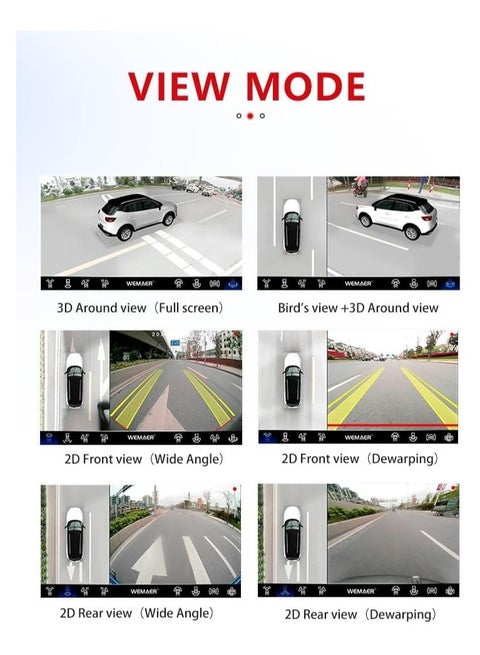
Credit: www.noon.com
Post-processing Techniques
Positioning a camera for a bird’s eye view requires height and stability. Use a drone or tall tripod to capture the scene from above. Ensure the camera is secure and the angle covers the desired area effectively.
Post-processing is a crucial part of achieving the perfect bird’s eye view photograph. It allows you to refine the raw images captured, enhancing their visual appeal and ensuring they convey the intended message. Let’s dive into some essential post-processing techniques to elevate your aerial photography.Cropping And Framing
Cropping isn’t just about trimming the edges. It’s about enhancing focus and composition. When you crop, think about what you want to emphasize. Is there an element that should be at the center of attention? Adjust the frame to guide the viewer’s eye directly to it. This is where the rule of thirds can be particularly useful, helping to create balanced and engaging images.Color Correction
Colors can make or break a photo. Adjusting white balance can dramatically change the mood of your image. A cloudy day might require a warmer tone, while sunny skies might benefit from cooler shades. Experiment with saturation and vibrance to make your colors pop without overdoing it. Subtle adjustments can highlight the natural beauty without making the image look artificial.Enhancing Details
Sharpening is key to bringing out the details. However, too much can lead to unnatural results. Focus on the areas where detail is critical, such as textures on rooftops or patterns in fields. Consider using clarity settings to enhance midtone contrast, which can add depth and dimension to your image. Remember, the goal is to enhance, not overwhelm the natural scene. By mastering these techniques, you can transform a simple bird’s eye view shot into a breathtaking masterpiece. What story do you want your image to tell?
Credit: www.man.eu
Frequently Asked Questions
How High Should I Position The Camera For Bird’s Eye View?
Position the camera directly above the subject, ideally 10 to 20 feet high. Ensure it captures the entire scene from top-down. Use a tripod or drone for stability and clear shots. Adjust height based on the area size and desired detail level.
What Camera Angle Is Best For Bird’s Eye Photography?
Use a 90-degree downward angle to achieve a true bird’s eye view. This angle eliminates perspective distortion and shows the scene from directly above. Avoid tilting the camera to maintain a clear and balanced composition.
Can I Use A Smartphone For Bird’s Eye Shots?
Yes, smartphones can capture bird’s eye views using drones or elevated mounts. Use camera apps with grid lines to align shots precisely. Ensure good lighting and stability to improve photo quality.
How To Avoid Shadows In Bird’s Eye Photos?
Shoot during midday when the sun is directly overhead to minimize shadows. Use diffusers or reflectors if shooting indoors. Adjust camera position to avoid casting your own shadow on the subject.
Conclusion
Positioning your camera for a bird’s eye view takes practice and patience. Start by finding a high spot or using a drone safely. Keep your camera steady and angle it straight down. Check your surroundings for good lighting and clear views.
Small changes make big differences in your shots. Try different heights and angles to see what works best. Remember, simple setups often create the best images. Keep experimenting and enjoy capturing unique perspectives from above.




