
Are you ready to bring more life and color to your backyard? Hanging bird feeders is one of the easiest ways to attract beautiful birds right outside your window.
But if you’re unsure where to start or how to do it properly, don’t worry—you’re not alone. This guide will show you simple, step-by-step tips to hang bird feeders that keep birds happy and safe. By the end, you’ll know exactly how to create a peaceful spot where feathered friends can gather—and you can enjoy their cheerful visits every day.
Keep reading to discover how easy it is to transform your outdoor space into a bird lover’s paradise!
Credit: edis.ifas.ufl.edu
Choosing The Right Feeder
Choosing the right bird feeder is key to attracting birds and keeping them safe. Different feeders suit different types of birds and seed. A good feeder also lasts long and fits your space well. Understanding the options helps you make the best choice for your garden.
Types Of Bird Feeders
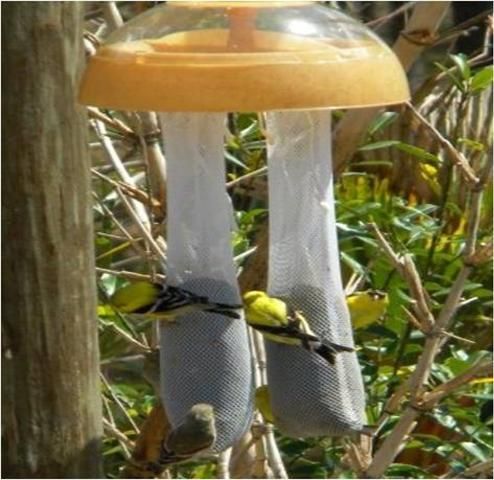
Feeders come in many shapes and styles. Tube feeders are popular for small birds like finches. Platform feeders offer space for larger birds. Hopper feeders hold a lot of seed and protect it from rain. Suet feeders attract woodpeckers and other insect-eaters. Choose a style that suits the birds in your area.
Materials And Durability
Feeders are made from plastic, metal, wood, or glass. Metal feeders are strong and last long. Plastic feeders are light and easy to clean but may wear out fast. Wood looks natural but needs weather protection. Pick a feeder that can stand outdoor conditions in your location.
Feeder Size And Capacity
Feeder size affects how often you refill it. Large feeders hold more seed and attract many birds. Small feeders are easier to clean and refill. Consider how many birds visit and how much space you have. A good size keeps seed fresh and reduces waste.
Selecting The Best Location
Choosing the right spot for your bird feeder is key to attracting birds and keeping them safe. The location affects how often birds visit and how well you can watch them. Thoughtful placement ensures birds feel secure and enjoy their food without disturbance.
Safety From Predators
Place feeders away from places where cats or other predators can hide. Avoid locations near dense bushes or low branches. Keep feeders at least 5 feet above the ground. This helps birds spot danger early and escape quickly.
Visibility For Bird Watching
Pick a spot visible from your window or favorite outdoor seat. Open areas without many obstructions work best. Position feeders near places where birds naturally gather. This allows easy and enjoyable watching without scaring the birds.
Protection From Weather Elements
Choose a location sheltered from strong winds and heavy rain. Placing feeders near trees or buildings offers good cover. Avoid spots that get full sun all day. Shade helps keep bird food fresh and birds comfortable during hot weather.
Hanging Techniques
Hanging bird feeders correctly helps attract more birds and keeps feeders safe. Proper techniques also protect birds from predators and harsh weather. Using the right tools and locations ensures feeders last longer and stay clean.
Using Hooks And Poles
Hooks offer a simple way to hang feeders from branches or eaves. Use sturdy metal hooks to hold the feeder’s weight. Poles provide more stability and can stand alone in the yard. Choose poles with a squirrel guard to prevent pests from stealing food.
- Secure hooks firmly into wood or metal surfaces
- Insert poles deep into the ground for stability
- Attach feeders to poles using strong chains or wires
Mounting On Trees Vs. Structures
Trees provide natural perches for birds and shade for feeders. Avoid damaging branches by using straps instead of nails. Structures like decks, fences, or walls offer stable mounting points. Feeders on structures may be easier to refill and clean.
- Use adjustable straps around tree limbs
- Mount feeders on fence posts or deck rails securely
- Place feeders at a safe height to deter predators
Avoiding Common Hanging Mistakes
Placing feeders too low invites cats and other predators. Hanging feeders where squirrels can jump on them causes food loss. Avoid direct sunlight that spoils seed quickly. Check regularly for loose hooks or damaged parts to keep feeders safe.
- Keep feeders at least 5 feet above ground
- Use baffles or guards to stop squirrels
- Choose shaded spots away from harsh weather
- Inspect hanging points weekly for wear and tear
Choosing Bird Food
Choosing the right food for your bird feeder is more important than you might think. The type of food you select can attract different bird species, affect their health, and even influence how often you need to refill the feeder. Knowing what birds prefer and how to store the food properly can save you time and make your bird-watching experience more enjoyable.
Popular Seeds And Mixes
Black oil sunflower seeds are a favorite for many backyard birds. Their thin shells make them easy to crack open, attracting finches, chickadees, and cardinals.
Nyjer (thistle) seed is another popular choice, especially for finches. It’s tiny, so use a specialized feeder to avoid spills.
Mixed seed blends can attract a variety of birds, but be careful—some mixes contain fillers like millet or red milo that many birds ignore. Look for high-quality blends with more sunflower seeds and less filler.
Seasonal Food Choices
Birds’ food needs change with the seasons. In winter, high-fat foods like suet or peanuts help birds maintain energy and warmth.
During spring and summer, offer foods rich in protein like mealworms to support nesting and feeding young.
Think about what’s natural for your local birds. Native berries and fruits can be a great addition in the fall, providing essential nutrients before migration.
Food Storage Tips
Store bird food in a cool, dry place to prevent mold and spoilage. Moisture is the enemy of seeds and can cause them to rot quickly.
Use airtight containers to keep pests like rodents and insects out. Clear bins let you see when it’s time to restock without opening the container.
Buy seeds in smaller quantities if you don’t feed birds year-round. This reduces waste and ensures the food stays fresh for your feathered visitors.
Maintaining Your Feeders
Maintaining your bird feeders is essential to keep your feathered visitors healthy and happy. Regular upkeep prevents disease spread and keeps pests away. It also ensures your feeders stay inviting and functional throughout the seasons.
Regular Cleaning
Clean your feeders at least once every two weeks. Use warm, soapy water and a brush to remove old seeds and debris. Rinse thoroughly to avoid soap residue, which can harm birds.
Neglecting cleaning can lead to harmful bacteria buildup. I once skipped cleaning for a month, and noticed fewer birds visiting—likely due to dirty feeders. How often do you check your feeders for grime?
Preventing Mold And Pests
Mold thrives in damp, stale seed, so keep feeders dry and sheltered from rain. Choose feeders with drainage holes to let water escape easily. If you spot mold, discard the seed immediately and clean the feeder thoroughly.
To deter pests like squirrels and ants, consider adding baffles or placing feeders away from branches. You can also sprinkle cayenne pepper on seeds—it doesn’t bother birds but keeps pests at bay. What’s your biggest pest challenge?
Refilling And Monitoring
Refill feeders regularly to keep fresh seed available. Avoid overfilling, which can lead to waste and spoilage. Monitor seed levels daily, especially during cold weather when birds rely on feeders most.
Watch how birds use the feeders—if seeds are left untouched, try switching seed types. Observing their preferences helps you provide the best food. Have you noticed certain birds favoring specific seeds?

Credit: store.bromebirdcare.com
Encouraging Backyard Birds
Position bird feeders at different heights to attract various bird species. Ensure they are securely fastened to prevent spills. Choose locations near trees or bushes for added safety.
Encouraging backyard birds can transform your garden into a lively sanctuary. Birds bring color, sound, and movement to your outdoor space. They also help control pests and pollinate flowers. To attract and support these feathered friends, consider some key strategies.Adding Water Sources
Birds need water for drinking and bathing. Install a birdbath or shallow water dish. Place it near trees or shrubs for safety. Ensure water is clean and fresh daily. A small fountain or bubbler can attract more birds. The sound of moving water is inviting. In colder months, use a heated birdbath. It keeps water from freezing.Planting Native Vegetation
Native plants provide food and shelter. They attract insects birds love to eat. Choose a variety of trees, shrubs, and flowers. These support different bird species. Berry-producing plants are especially appealing. Plant in layers to mimic natural habitats. This offers nesting spots and protection. Native plants are also low-maintenance. They adapt well to local climates.Avoiding Harmful Chemicals
Avoid using pesticides and herbicides in your garden. These chemicals can harm birds and their food sources. Opt for natural pest control methods. Encourage beneficial insects like ladybugs. They help manage pests without chemicals. Composting is a safe way to enrich soil. It supports healthy plant growth. Healthy plants attract more birds.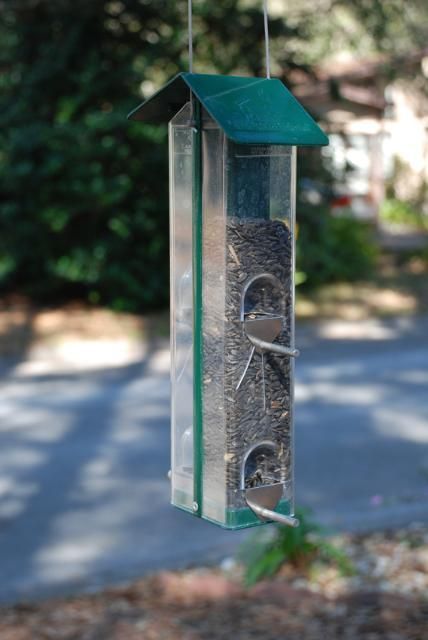
Credit: edis.ifas.ufl.edu
Frequently Asked Questions
How High Should I Hang A Bird Feeder?
Hang bird feeders at least 5 feet above the ground. This height keeps birds safe from predators. It also makes feeding easier. Avoid placing feeders too close to windows to prevent bird collisions.
Where Is The Best Location For Bird Feeders?
Choose a quiet spot with nearby trees or shrubs. This offers birds shelter and perching spots. Ensure feeders are visible but away from heavy foot traffic. Sunlight exposure helps keep seed dry and fresh.
What Type Of Bird Feeder Is Easiest To Hang?
Tube feeders are lightweight and simple to hang. They usually come with hooks or hanging loops. Platform feeders require sturdy support but attract diverse bird species. Select feeders based on your yard space and bird preferences.
How Often Should I Clean Bird Feeders?
Clean feeders every two weeks or when dirty. Use warm soapy water to remove mold and bacteria. Rinse thoroughly and dry before refilling. Regular cleaning prevents bird diseases and keeps feeders inviting.
Conclusion
Hanging bird feeders is simple and fun. Choose a good spot with some shade. Use strong hooks or wires to keep feeders safe. Fill feeders with fresh seeds often. Watch birds visit and enjoy your garden. Clean feeders regularly to keep birds healthy.
Small efforts bring many bird friends to your yard. Enjoy the calm and beauty they bring daily. Keep feeding, and your garden will thrive with life.




