
If you have finches or are thinking about bringing these cheerful little birds into your home, knowing how to care for them is key. You want your finches to stay happy, healthy, and full of energy, right?
This guide will show you simple, effective ways to meet their needs every day. From feeding tips to creating the perfect living space, you’ll learn exactly what your finches need to thrive. Keep reading, and you’ll discover easy steps that make caring for your finches a joyful and rewarding experience.
Credit: blogs.thatpetplace.com
Choosing The Right Finch Species
Choosing the right finch species is important for a happy pet bird experience. Different finches have unique needs, colors, and behaviors. Picking the best type suits your lifestyle and space. This helps you provide proper care and enjoy your feathery friend fully.
Popular Finch Varieties
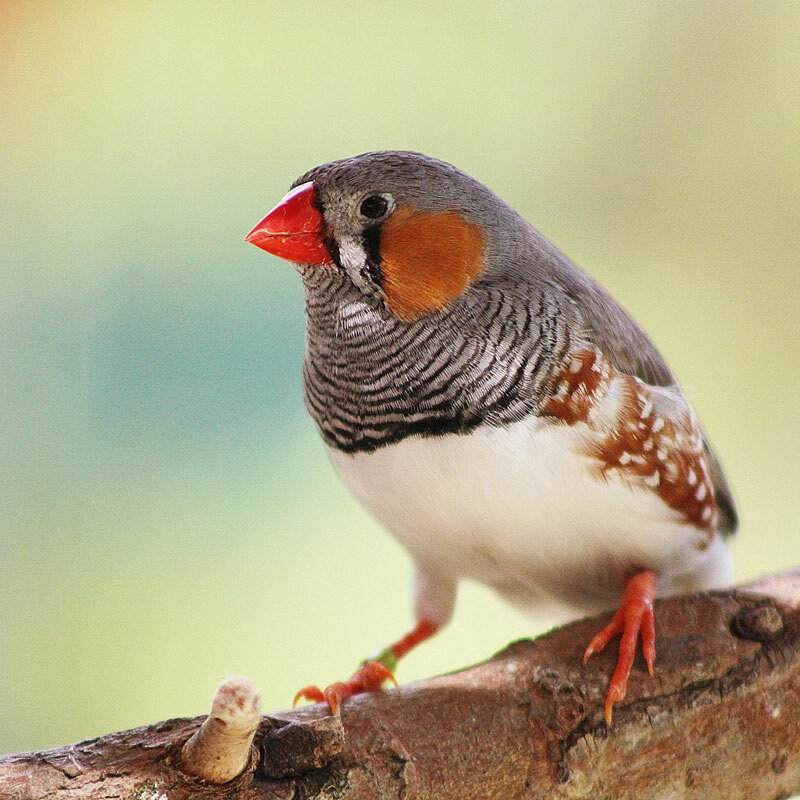
- Zebra Finch: Small, active, and easy to care for.
- Society Finch: Social birds that do well in groups.
- Gouldian Finch: Known for bright, vibrant colors.
- Java Finch: Hardy and calm, good for beginners.
- Canary Finch: Great singers but need more attention.
Temperament And Behavior
Finches are generally peaceful and lively birds. Some species are more social and enjoy company. Others prefer quiet or smaller groups. Watching their behavior helps you learn their needs. This way, you can keep them happy and healthy.
Compatibility With Other Pets
Finches usually get along well with other small birds. Avoid housing them with larger, aggressive pets. Cats and dogs may stress or harm finches. Keep finches in a safe, calm environment. This protects their well-being and reduces fear.
Setting Up The Ideal Finch Habitat
Setting up the perfect home for your finches is key to their happiness and health. Their habitat must feel safe and comfortable. This helps them stay active and enjoy life. Small details in their living space make a big difference. Focus on the right cage, perches, and lighting to create a welcoming environment.
Cage Size And Design
Choose a cage that offers enough room for flying and moving. Finches love to fly side to side, so width is important. Taller cages help with climbing but do not replace horizontal space. Use a cage with bars close enough to prevent escapes. Stainless steel or powder-coated cages last longer and resist rust. Avoid cages with sharp edges or loose parts. A cage with easy access doors helps with cleaning and feeding.
Safe Perches And Accessories
Provide natural wood perches of different sizes. This helps keep feet strong and healthy. Avoid plastic or sandpaper-covered perches that can hurt their feet. Arrange perches at different heights for exercise. Add swings and ladders for fun and stimulation. Place food and water dishes where finches can reach easily. Keep the cage free of clutter to avoid injuries. Change accessories regularly to keep the environment interesting.
Optimal Lighting And Temperature
Finches need natural light or full-spectrum lighting daily. This supports their mood and natural rhythms. Avoid direct sunlight that can overheat the cage. Keep the room temperature steady between 65°F and 75°F (18°C to 24°C). Sudden temperature changes stress finches and may cause illness. Use gentle heating in cold months, but never place heat sources inside the cage. Ensure good airflow without drafts to keep air fresh and safe.
Feeding Your Finches
Feeding your finches well keeps them healthy and active. Their diet needs variety and balance. Good food helps with bright feathers and strong bones. Always provide fresh food and clean water daily. Finches enjoy different textures and flavors. This keeps them interested and happy.
Balanced Diet Essentials
A balanced diet for finches includes seeds, grains, and pellets. Seeds like millet and canary seed are favorites. Pellets are made to supply vitamins and minerals. Avoid feeding only seeds; it causes nutrient gaps. Protein is important too, from sources like boiled egg or mealworms. Keep variety to support their energy and growth.
Fresh Fruits And Vegetables
Fresh fruits and vegetables add vitamins and fiber. Small pieces of apple, carrot, or spinach work well. Remove any uneaten fresh food after a few hours. Citrus fruits should be given sparingly. Avoid avocado and onion; they are toxic to finches. Offer fresh greens daily for good digestion and health.
Providing Clean Water
Clean water is vital for your finch’s survival. Change water every day to prevent bacteria growth. Use a small, shallow water dish or bottle. Check water quality regularly to keep it clear and fresh. Water helps with digestion and feather condition. Always place water away from food to avoid contamination.
Credit: lafeber.com
Maintaining Finch Health
Keeping your finches healthy means paying close attention to their behavior and environment every day. Small changes in their activity or appearance can signal health problems early on. By understanding how to spot these signs and knowing what actions to take, you can ensure your finches live a long and happy life.
Recognizing Common Illnesses
Finches often hide their sickness, so you need to watch carefully for subtle clues. Look for symptoms like fluffed-up feathers, reduced singing, or less movement. Difficulty breathing, watery eyes, or changes in droppings also indicate health issues.
One time, I noticed my finch was eating less and sitting quietly for hours. A quick check revealed it had a respiratory infection, which was treated successfully because I caught it early. Could you spot these signs before your bird feels worse?
Regular Vet Checkups
Scheduling routine visits to an avian vet can prevent many health problems before they start. Even if your finch seems fine, a vet can detect issues invisible to you. Annual or biannual checkups help keep vaccinations and parasite control up to date.
Don’t wait for illness to strike—think of vet visits as a wellness plan. Have you booked your finch’s next appointment yet?
Preventive Care Tips
- Clean Cage Regularly:Remove droppings and leftover food daily to prevent bacteria buildup.
- Provide Fresh Water:Change water every day to avoid contamination.
- Balanced Diet:Add seeds, fresh fruits, and vegetables to support immune health.
- Safe Environment:Keep cage away from drafts, direct sunlight, and toxic fumes.
- Enrichment:Offer toys and perches to reduce stress and promote exercise.
Simple steps like these reduce your finch’s risk of disease significantly. What small change can you make today to improve your bird’s health?
Encouraging Finch Activity
Encouraging activity in finches is key to their health and happiness. Active finches stay fit, reduce stress, and show more natural behaviors. You can make their environment stimulating and fun, which keeps them curious and engaged every day.
Toys And Enrichment Ideas
Finches love toys that challenge their minds and bodies. Try adding swings, ladders, and mirrors to their cage. These items encourage movement and curiosity.
Rotate toys regularly to keep things fresh. A new texture or shape can spark interest quickly. You might notice your finch exploring and playing more eagerly.
Offer natural items like small branches or safe leaves. These bring a taste of the wild into their space. It’s amazing how a simple twig can turn into hours of fun.
Flight And Exercise Opportunities
Flight is essential for finches’ physical health. If you can, allow them time outside the cage in a safe, enclosed room. This lets them stretch their wings and build muscle.
Consider a larger cage with multiple perches at different heights. This setup encourages flying short distances and hopping around. You’ll see more active behaviors and less boredom.
Think about the layout—can your finch easily move from perch to perch? Adding variety in perch size and texture invites exercise. How often do you give your bird a chance to fly freely?
Social Interaction Needs
Finches are social birds and thrive with company. Keeping them in pairs or small groups usually works best. They’ll interact, groom, and even sing to each other.
If you have only one finch, you’ll need to spend extra time engaging with it. Talk, whistle, or gently offer treats by hand. Your attention can help fill the social gap.
Watch your finch’s behavior closely. Is it calling out or looking around often? These signs might mean it’s craving more social contact. Can you provide a buddy or more interaction to meet this need?

Credit: www.amazon.ca
Breeding And Raising Finch Chicks
Caring for finch chicks requires a clean, warm nest and fresh food daily. Gentle handling helps them grow strong and healthy. Watch closely for signs of illness to ensure their well-being.
Breeding finch chicks is a rewarding experience. It requires patience and attention to detail. Finches are small, social birds. They thrive in pairs and often breed willingly. Understanding their needs is crucial to successful breeding and chick rearing. This section guides you through the essential steps.Preparing The Nesting Area
Finches need a safe, quiet spot for nesting. Use a nesting box or basket. Line it with soft materials like coconut fiber. Avoid synthetic fibers; they can harm chicks. Ensure the nesting area is free from disturbances. Place it in a secure part of the aviary. Finches prefer a stable environment. Maintain consistent temperature and light. A calm setting encourages breeding success.Caring For Eggs And Hatchlings
Check the nest daily for eggs. Handle them gently if needed. A clutch usually has 3 to 6 eggs. Incubation lasts about two weeks. Both parents share the task. Keep the environment warm and draft-free. Observe the parents’ behavior. They will feed the hatchlings regularly. Provide a balanced diet to the parents. It ensures healthy chick development.Weaning And Independence
Chicks start leaving the nest at three weeks old. They learn to fly and explore. Encourage independence by placing food near them. Observe their eating habits closely. They will gradually feed themselves. Offer a variety of seeds and soft foods. Once fully weaned, they can join the adult finches. Monitor their interactions to prevent bullying. A harmonious group ensures a happy aviary.Cleaning And Maintenance Routine
Regularly clean finch cages to keep birds healthy and happy. Change water daily and remove leftover food to prevent bacteria. Check perches and toys often for dirt or damage.
Keeping finches healthy and happy requires regular cleaning and maintenance. A clean environment helps prevent diseases and keeps your birds comfortable. Establishing a routine ensures their habitat remains safe and pleasant.Daily Cage Cleaning
Daily cleaning keeps the cage fresh and inviting. Remove uneaten food and replace dirty paper liners. Wipe down surfaces with a damp cloth to remove droppings. This prevents bacteria buildup and keeps finches healthy.Disinfecting Food And Water Dishes
Clean food and water dishes daily. Use mild soap and hot water for washing. Ensure all soap is rinsed off before refilling. Regular disinfection prevents germs and keeps finches safe.Handling Waste And Odors
Proper waste handling controls odors and bacteria. Dispose of soiled liners and droppings daily. Use a small trash bag for easy cleanup. A clean cage reduces odors and ensures a pleasant home for your birds.Frequently Asked Questions
How Often Should I Clean My Finch’s Cage?
Clean your finch’s cage weekly to prevent bacteria and odors. Remove droppings, old food, and replace bedding regularly. A clean environment keeps finches healthy and happy.
What Is The Best Diet For Finches?
Feed finches a mix of high-quality seeds, pellets, fresh fruits, and vegetables. Provide clean water daily. A balanced diet supports their energy and vibrant plumage.
How Much Space Do Finches Need To Thrive?
Finches need a spacious cage with at least 24 inches in length. Ample space allows flying and prevents stress. Include perches and toys for enrichment.
Can Finches Live Together Peacefully?
Yes, finches are social birds and prefer living in groups. Keep multiple finches to promote natural behavior. Monitor for aggression and provide enough resources.
Conclusion
Caring for finches brings joy and beauty to your home. Keep their cage clean and provide fresh food daily. Give them space to fly and toys to play with. Watch their health and behavior every day. Simple steps make finches happy and healthy.
Enjoy the gentle songs and lively movements. Small efforts create a safe, loving environment for your birds. Your care helps finches thrive and brighten your life.




