
Thinking about bringing an exotic bird into your life? You might wonder, how hard is it really to care for one?
These beautiful, colorful creatures can brighten your home and heart, but they also come with unique needs. If you want to keep your feathered friend happy and healthy, you need to know what you’re getting into. This article will help you understand the challenges and rewards of caring for an exotic bird.
Keep reading to discover what it takes to be a great bird owner—and whether it’s the right choice for you.
Credit: medium.com
Choosing The Right Exotic Bird
Choosing the right exotic bird is crucial before bringing one home. Each species has unique needs, personalities, and care requirements that can make your experience rewarding or challenging. Understanding these factors helps you find a bird that fits your lifestyle and ensures a happy, healthy pet.
Popular Exotic Bird Species
Some exotic birds are more common and easier to care for than others. Popular choices include:
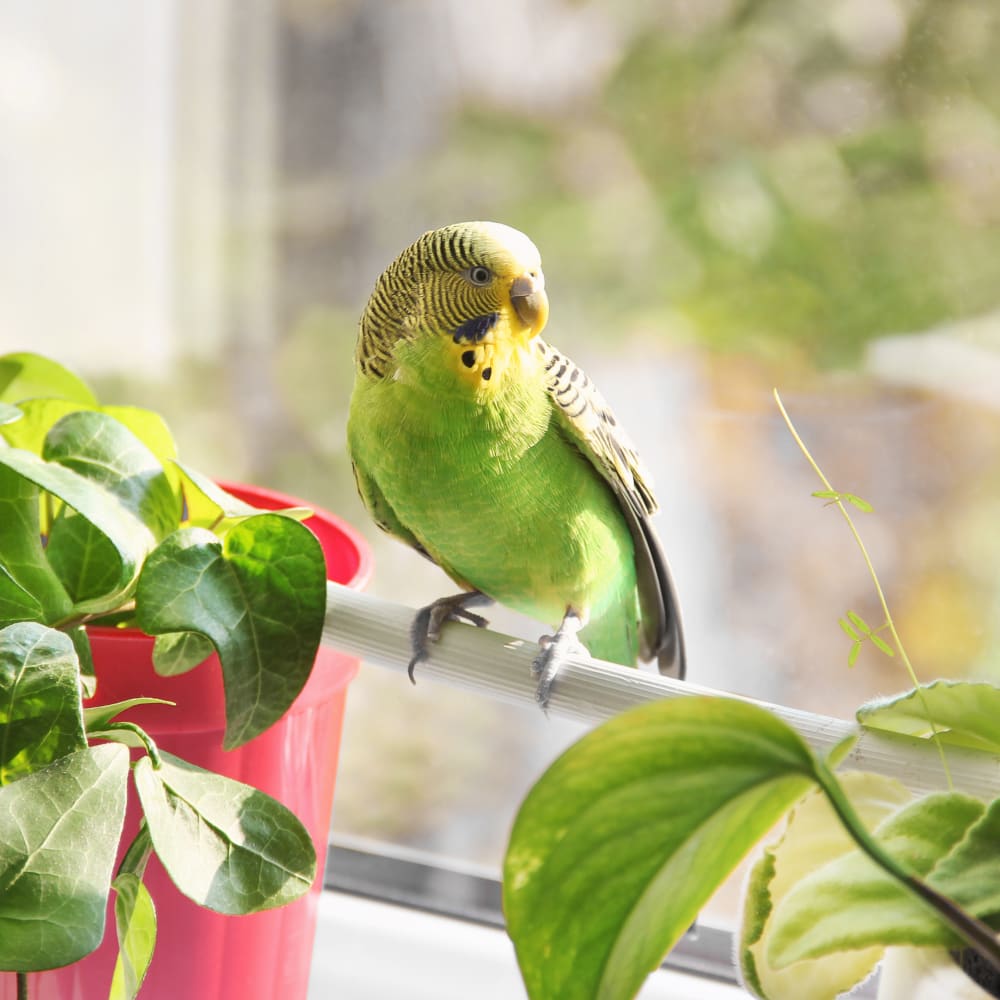
- Budgerigars (Budgies): Small, social, and relatively low-maintenance.
- Conures: Playful and affectionate but need plenty of attention.
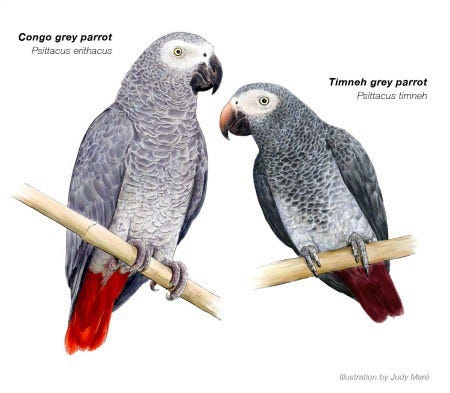
- African Grey Parrots: Highly intelligent with excellent talking ability but require mental stimulation.
- Macaws: Large, colorful, and loud; they need space and time for social interaction.
Think about the space you have and how much time you can spend daily with your bird before picking a species.
Temperament And Behavior
Birds differ widely in temperament. Some are calm and independent, while others crave constant interaction.
For example, African Greys can bond deeply but may develop behavioral issues if ignored. Conures are lively but can be noisy, which might not suit every home.
Ask yourself: Are you ready to handle a bird that might test your patience with loud calls or nips? Matching your personality with the bird’s behavior is key to a smooth relationship.
Lifespan And Commitment
Exotic birds often live much longer than typical pets. Macaws can live 50 years or more, while smaller birds like budgies average 10-15 years.
This long lifespan means you’re making a serious commitment. Think about your future plans and whether you can provide consistent care for decades.
Owning an exotic bird is like welcoming a family member. Can you commit to their daily needs and long-term wellbeing?
Credit: www.cambridgeanimalhosp.com
Housing And Environment Needs
Caring for an exotic bird means paying close attention to its housing and environment. Your bird’s cage isn’t just a place to stay—it’s where it eats, sleeps, plays, and feels safe. Creating the right setup can make a huge difference in your bird’s happiness and health.
Cage Size And Setup
Size matters a lot for exotic birds. A cramped cage restricts movement and can cause stress or even health problems. Your bird needs enough room to stretch its wings fully, climb, and play.
Think about the bird’s natural behavior. Parrots, for example, are active and curious, so they need a cage that’s wide and tall. Smaller birds like finches might be fine with less space but still require room to fly short distances.
- Choose cages made of safe, non-toxic materials.
- Add perches of different sizes to exercise their feet.
- Include toys to keep their minds engaged.
Temperature And Lighting
Exotic birds come from diverse climates, so their comfort zone varies. Most tropical birds prefer temperatures between 65°F and 85°F. Sudden temperature changes or drafts can cause illness.
Lighting is another key factor. Birds need exposure to natural light or full-spectrum lighting to regulate their sleep cycle and produce vitamin D. Poor lighting can lead to behavioral and health issues.
- Keep the cage away from direct sunlight to avoid overheating.
- Use a timer for artificial lights to mimic natural day and night cycles.
- Monitor room temperature and humidity regularly.
Safety Considerations
Your bird’s environment must be free from hazards. Toxic plants, open windows, and ceiling fans can pose serious dangers. Even everyday household items like non-stick cookware fumes can be deadly.
Are you aware of all the risks in your home? Small things like loose wires or sharp edges might be tempting for a curious beak. Make sure the cage bars are spaced correctly to prevent escapes or injuries.
- Secure all windows and doors.
- Avoid placing the cage in the kitchen during cooking.
- Remove any poisonous plants or chemicals from the bird’s reach.
Diet And Nutrition Essentials
Proper diet and nutrition are vital for exotic birds’ health and happiness. These birds need specific nutrients to stay strong and active. Understanding what to feed and how often can prevent many health problems.
Each exotic bird species has unique dietary needs. A diet lacking essential vitamins or minerals can cause illness. Providing a balanced diet supports their feathers, bones, and immune system.
Balanced Diet Components
Exotic birds require a mix of foods to meet their nutritional needs. A balanced diet usually includes:
- High-quality pellets designed for their species
- Fresh fruits like apples, berries, and melons
- Vegetables such as carrots, spinach, and peas
- Seeds and nuts in moderation
- Clean, fresh water daily
Variety keeps their meals interesting and ensures nutrient intake. Avoid feeding only seeds; they lack some vital nutrients.
Avoiding Toxic Foods
Many common human foods can harm exotic birds. Some toxic foods to avoid include:
- Avocado
- Chocolate
- Caffeine
- Alcohol
- Onions and garlic
- Fruit pits and seeds like apple seeds
These foods can cause serious illness or death. Always check if a food is safe before offering it.
Feeding Schedule Tips
Consistent feeding times help maintain a bird’s routine and health. Most exotic birds eat twice a day:
- Morning meal with pellets and fresh fruits or vegetables
- Evening meal with seeds or nuts as treats
Remove uneaten fresh food after a few hours to prevent spoilage. Fresh water should be available at all times.
Health And Wellness Care
Caring for an exotic bird means paying close attention to its health and wellness. These birds have unique needs that differ from common pets. Understanding their health helps prevent serious problems. Regular care supports a long, happy life for your feathered friend.
Common Health Issues
Exotic birds often face specific health challenges. Respiratory infections are common due to sensitive airways. Nutritional deficiencies arise if diet lacks variety. Feather plucking can indicate stress or illness. Parasites like mites or lice may affect their skin and feathers. Early detection is key to managing these issues effectively.
Signs Of Illness
Birds hide sickness well, so watch for subtle signs. Look for changes in appetite or droppings. Notice if the bird is less active or sleeps more. Ruffled feathers and unusual breathing can signal trouble. Swollen eyes or beak also suggest illness. Prompt action improves chances of recovery.
Regular Veterinary Checkups
Routine vet visits keep your bird healthy. Exotic bird vets know specific diseases and treatments. Annual or biannual exams catch problems early. Vaccinations and parasite control happen during these visits. Vet advice helps adjust diet and environment for wellness. Trust professional care to support your bird’s health journey.
Behavioral Challenges
Caring for an exotic bird isn’t just about feeding and cleaning; their behavior can present real challenges that test your patience and understanding. These birds have unique personalities and instincts that can sometimes lead to difficult situations. Understanding these behavioral traits helps you prepare and handle your bird better, making the experience more rewarding for both of you.
Noise And Vocalization
Exotic birds are known for their loud calls, which can be surprising if you’re not ready. Some species, like parrots, have vocal cords designed to produce a wide range of sounds, including screeches that can carry throughout your home.
Imagine trying to focus on work while your bird decides it’s time for a concert. Managing noise requires setting boundaries early and providing plenty of stimulation to keep your bird engaged. Have you thought about how your daily routine might accommodate bursts of loud vocalization?
Aggression And Biting
Birds may bite out of fear, territorial behavior, or frustration. This behavior can be painful and off-putting, especially if the bird is large or has a strong beak.
Understanding why your bird bites helps you respond effectively. For example, if your bird lashes out during certain handling, it might be a sign of discomfort rather than aggression. How do you plan to read your bird’s body language before interaction?
Socialization And Training
Exotic birds crave social interaction but can be picky about who they trust. Regular, gentle training helps build a bond and encourages positive behavior.
Patience is key when teaching your bird new tricks or commands. Using consistent rewards, like favorite treats, reinforces good behavior and reduces anxiety. What training methods have you considered to ensure your bird feels secure and engaged?

Credit: birdsupplies.com
Time And Attention Requirements
Caring for an exotic bird demands daily time and focused attention. These birds need social interaction and mental stimulation to stay healthy and happy. Without regular care, they can become lonely or stressed.
Caring for an exotic bird requires substantial time and attention. These vibrant creatures thrive on interaction and stimulation. Owners must commit daily to their needs.Daily Interaction Needs
Exotic birds need daily interaction with their owners. Spending time with them helps build trust. A few hours of attention each day is vital. Lack of interaction can lead to loneliness and stress in birds. This may result in unwanted behaviors or health issues.Mental Stimulation And Enrichment
Birds are intelligent and need mental stimulation. Providing toys and puzzles can keep them engaged. Rotate toys regularly to maintain interest. Foraging activities mimic natural behaviors and enhance mental activity. Enrichment prevents boredom and encourages a happy, healthy bird.Handling And Bonding
Handling your bird often strengthens your bond. Start with gentle interactions to build comfort. Use treats to encourage positive behavior during handling. Patience is key in developing trust over time. A strong bond ensures a cooperative and content bird.Legal And Ethical Considerations
Caring for an exotic bird involves more than just feeding and cleaning. It requires understanding legal and ethical responsibilities. These ensure the bird’s well-being and conservation. Let’s explore these important aspects.
Permits And Regulations
Many countries have strict laws about exotic bird ownership. You may need permits to own certain species. These regulations protect endangered birds. They prevent illegal trade and ensure sustainable practices. Research local laws before acquiring an exotic bird. This ensures compliance and helps in conservation efforts.
Conservation And Ethical Sourcing
Exotic birds often come from sensitive ecosystems. Buying from unethical sources harms these environments. It threatens bird populations. Ethical sourcing ensures birds are bred in captivity. It reduces pressure on wild populations. Choose reputable breeders who prioritize bird welfare. This supports conservation and ethical practices.
Responsible Ownership
Owning an exotic bird is a long-term commitment. These birds often live for decades. They need proper care throughout their lives. This includes providing a suitable habitat and diet. It also means regular veterinary visits. Owners must ensure their birds are not just pets but part of the family. Responsible ownership enriches the bird’s life and enhances your experience.
Frequently Asked Questions
What Are The Main Challenges Of Caring For Exotic Birds?
Exotic birds need specialized diets, large cages, and social interaction. They require regular vet visits and mental stimulation. Noise and mess can be significant challenges. Understanding their unique behaviors is essential for proper care and a happy bird.
How Much Time Daily Is Needed For Exotic Bird Care?
Exotic birds need at least 1-2 hours of daily interaction and exercise. They require cage cleaning, feeding, and mental stimulation every day. Consistent time commitment ensures their well-being and prevents behavioral issues like boredom or aggression.
What Special Diet Do Exotic Birds Require?
Exotic birds need a balanced diet including pellets, fresh fruits, vegetables, and seeds. Avoid feeding them only seeds, as it lacks nutrients. Proper nutrition supports their health, feathers, and longevity, making diet a critical part of care.
Are Exotic Birds Noisy And How To Manage It?
Yes, many exotic birds can be noisy, especially parrots. Training and providing toys help reduce excessive noise. Understanding their natural vocal habits helps manage expectations and maintain a peaceful environment.
Conclusion
Caring for an exotic bird takes time and patience. These birds need special food and a clean space. They also want attention and love every day. Not everyone can give them what they need. The effort is worth it for bird lovers.
Be ready to learn and stay committed. Exotic birds can bring joy and beauty into your home. Think carefully before choosing one as a pet. Your care will keep them happy and healthy.




