
Have you ever wondered how your car seems to have eyes all around it? That’s the magic of the in-car bird’s eye camera.
It gives you a complete view of your vehicle’s surroundings, making parking and tight maneuvers feel effortless. But how exactly does this system work to keep you safe and confident on the road? Keep reading to uncover the smart technology behind the bird’s eye camera and discover how it can change the way you drive.
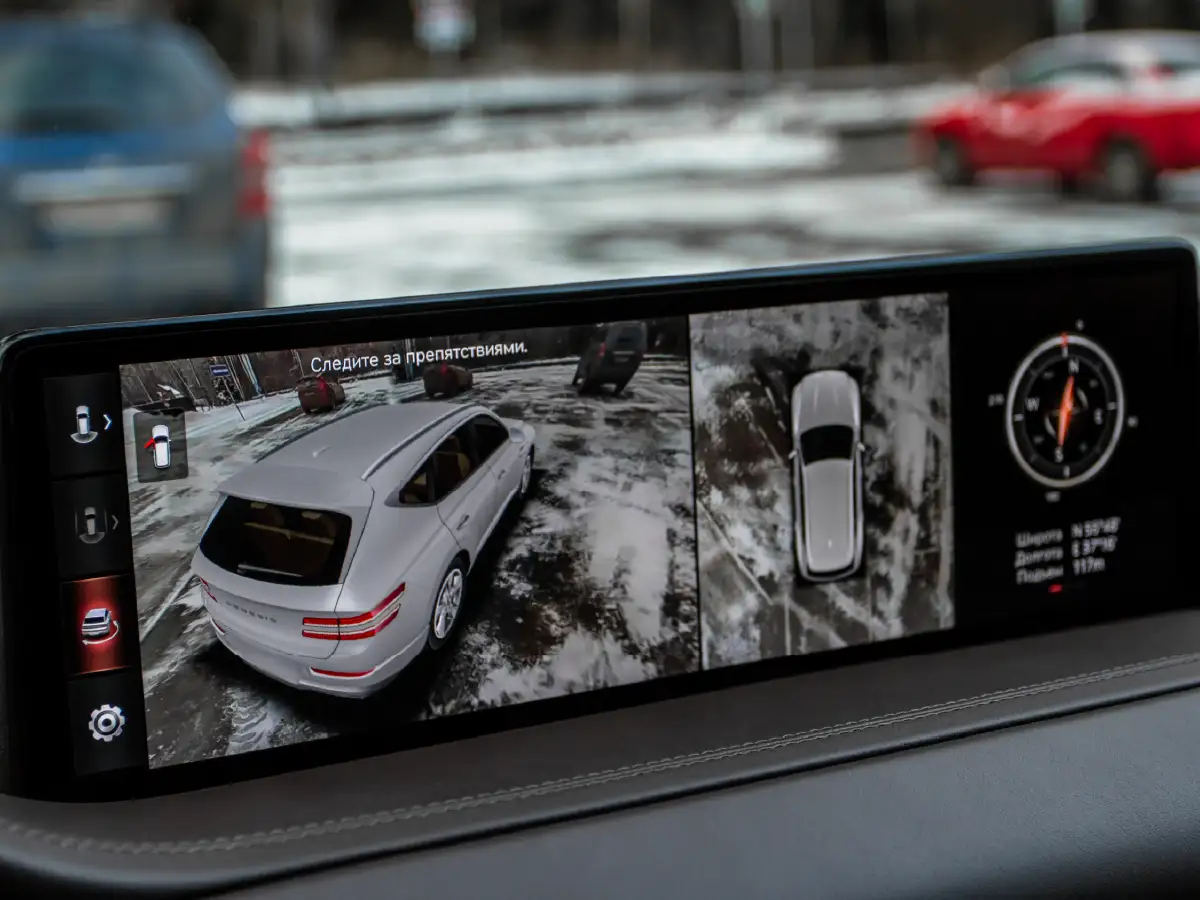
Credit: www.cars24.com
Birds Eye Camera Basics
The Birds Eye Camera provides drivers with a clear view around their vehicle. It helps avoid blind spots and makes parking easier. This system combines images from multiple cameras to create a single, top-down view. Understanding its basics shows how technology improves driving safety.
Core Components
The system includes several key parts working together. Cameras are placed at the front, rear, and sides of the car. These cameras capture real-time images from different angles. A central processing unit collects and merges these images. The display screen inside the car shows the combined view. Sensors may also assist in detecting obstacles nearby.
How It Captures Surroundings
Cameras use wide-angle lenses to cover a large area. Each camera sends live video to the processor. The processor stitches these videos into one seamless image. It corrects distortions to create a natural top-down perspective. This view shows the vehicle in the center with surroundings around it. Drivers see a 360-degree view on the screen, helping with tight spaces and turns.
Credit: www.youtube.com
Image Processing Techniques
Image processing is the backbone of the in-car birds eye camera system. It takes raw images from multiple cameras around your vehicle and transforms them into a clear, unified view. This process lets you see your car from above, making parking and maneuvering much easier.
Stitching Multiple Views
Your car’s birds eye camera uses several cameras placed at different angles—front, rear, and sides. Each camera captures a partial view around your vehicle.
The system then stitches these images together. It aligns overlapping areas carefully to avoid mismatches or distortions.
Think about how you piece together a puzzle. The software detects common points in each image and blends them seamlessly. This creates one continuous, smooth picture that shows the area all around your car.
Have you ever noticed how some systems show blurry edges or mismatched lines? That’s often due to poor stitching. High-quality processing ensures clarity and precise alignment, helping you trust what you see on the screen.
Creating A 360-degree Image
Once the images are stitched, the system generates a 360-degree view. This means you get a bird’s eye perspective, as if you’re looking down from above your car.
The software maps the stitched image onto a virtual plane around your vehicle. It corrects the camera lens distortions and perspective to create a realistic top-down image.
This part is critical because it turns flat images into a spatially accurate view. It helps you judge distances and spot obstacles you might miss with just mirrors or a single camera.
Imagine parking in a tight spot and being able to see exactly how close you are to curbs or other cars. That’s the power of this 360-degree image creation.
Sensor And Camera Placement
Sensor and camera placement is crucial for the performance of an in-car birds eye camera system. The right positioning ensures you get a clear, wide view around your vehicle, helping you avoid obstacles and park safely. Getting this setup right can transform your driving experience.
Typical Camera Locations
Cameras are usually placed at strategic points around your car’s exterior. Common spots include:
- Front grille:Captures the area directly ahead of the vehicle.
- Side mirrors:Provide views along the sides and help cover blind spots.
- Rear bumper or tailgate:Offers a clear look behind the car, essential for reversing.
These locations work together to create a full 360-degree view. Placing cameras too high or low can distort the image, so manufacturers often stick to these standard points for the best perspective.
Sensor Calibration
After installing cameras, sensor calibration is key to accurate image stitching. Calibration aligns the cameras so their views overlap correctly, producing a seamless birds eye image.
Calibration involves measuring distances and angles between cameras. This process can be done automatically by the car’s system or manually using special tools.
If calibration isn’t precise, you may see gaps or mismatched images. Have you ever noticed a strange “floating” object on your screen? That’s usually a sign that calibration needs adjustment.
Software Integration
Software integration is the backbone of how the in-car Birds Eye Camera system functions seamlessly. It ties together multiple camera feeds and sensor data, creating a unified view that helps you navigate tight spots with confidence. Without smart software, the hardware alone wouldn’t provide the clear, comprehensive perspective you need while driving.
Real-time Image Rendering
The software stitches images from several cameras around your vehicle into one continuous 360-degree view. This happens instantly, so you see the surroundings without any delay. The challenge lies in aligning different camera angles and lens distortions perfectly, and advanced algorithms handle this to give you a smooth, real-time picture.
Imagine parking in a crowded lot. The system updates the display as you move, showing exactly where obstacles are relative to your car. This instant feedback can prevent minor scrapes and boost your confidence in tricky spaces.
Object Detection And Alerts
Beyond just showing images, the software analyzes them to spot pedestrians, cyclists, or other obstacles. It then sends alerts to your dashboard or sounds warnings, helping you react faster to potential hazards. These alerts are smart—they prioritize based on distance and movement, so you’re not overwhelmed by unnecessary notifications.
Have you ever almost missed a small object near your tire? The system’s ability to highlight such details can save you from costly damage. This feature proves how software doesn’t just assist visually but actively enhances your overall driving safety.
Benefits For Drivers
Drivers gain a clear, wide view around the car, reducing blind spots and parking risks. This camera helps spot obstacles easily, making driving safer and stress-free.
Having a birds eye camera in your car can transform your driving experience by providing numerous benefits. These cameras offer a comprehensive view around your vehicle, making driving safer and more convenient. Let’s explore some of the key advantages these systems provide for drivers.Enhanced Parking Assistance
Parking can often be a stressful part of driving, especially in tight spaces. With a birds eye camera, you can see a 360-degree view of your car, making parking much easier. This system helps you avoid obstacles and park with precision. Imagine backing into a narrow spot without the usual anxiety. The camera displays everything around your car, showing precisely how much space you have. No more guessing or multiple attempts to park perfectly.Improved Safety
Safety is a top concern for every driver. Birds eye cameras reduce blind spots, ensuring you can see pedestrians, cyclists, or other vehicles that might be out of your line of sight. This visibility is crucial for preventing accidents and keeping everyone on the road safe. Consider the peace of mind you gain knowing that you have a clear view of all sides of your vehicle. These cameras can alert you to potential hazards before they become real problems. Can you recall a time when you almost missed seeing something while driving? These cameras help you catch those small, yet critical details. They act as an extra set of eyes, enhancing your awareness and confidence behind the wheel.
Credit: www.youtube.com
Limitations And Challenges
Birds Eye cameras in cars offer a remarkable view around your vehicle, but they come with their own set of limitations and challenges. Understanding these can help you use the system more effectively and avoid surprises when driving. Let’s look closely at what can affect the performance of these cameras and where the technology still struggles.
Environmental Factors
Your Birds Eye camera’s performance can drop significantly due to weather and lighting conditions. Rain, snow, or fog can blur the lenses and reduce visibility, making the images unclear or distorted. Have you ever noticed how a dirty or wet camera lens makes it hard to see? This is a common challenge that affects camera clarity.
Lighting also plays a big role. Bright sunlight or deep shadows can create glare or dark spots, which confuse the camera’s sensors. At night, even though many systems use infrared or low-light technology, the image quality can still suffer, especially if the area is poorly lit.
Technical Constraints
Birds Eye camera systems rely on multiple small cameras stitched together to create a full view. This stitching process can sometimes cause visual glitches where the images don’t align perfectly. You might see slight distortions or overlaps, especially around curved edges or tight corners.
The resolution of these cameras is another limitation. While they provide a wide view, the detail might not be sharp enough to spot very small objects or subtle movements immediately. This can be critical when you need to detect pedestrians or animals close to your vehicle.
Additionally, the processing power required to combine and display these images in real-time can introduce a slight delay. This lag might seem minor, but in fast-moving traffic situations, even a fraction of a second matters.
Future Developments
The future of in-car bird’s-eye cameras holds exciting advancements. As technology evolves, these systems will transform the driving experience. Let’s explore some future developments on the horizon.
Ai And Machine Learning Enhancements
AI and machine learning will improve camera accuracy and functionality. These technologies can process vast amounts of data quickly. Cameras will recognize objects and predict their movements. This will help in reducing accidents and improving safety. AI will also enhance image quality, even in low-light conditions. Drivers will receive clearer and more reliable visual information.
Integration With Autonomous Systems
Bird’s-eye cameras will integrate with autonomous vehicle systems. They will provide essential data for self-driving cars. These cameras will map surroundings in real-time. This information is crucial for navigation and obstacle avoidance. Integration will make autonomous systems more efficient and reliable. The seamless cooperation between cameras and autonomous systems will ensure safer journeys.
Frequently Asked Questions
How Does An In-car Bird’s Eye Camera Work?
An in-car bird’s eye camera uses multiple cameras around the vehicle. It stitches these images together to create a top-down 360-degree view. This helps drivers see obstacles and surroundings clearly, improving safety and parking accuracy.
What Are The Main Components Of Bird’s Eye Camera Systems?
Key components include multiple wide-angle cameras, image processors, and display screens. Cameras capture real-time footage, processors stitch images seamlessly, and screens show the combined view to the driver.
How Does Bird’s Eye Camera Improve Driving Safety?
It provides a clear, 360-degree view around the car. This reduces blind spots and helps avoid collisions with pedestrians or objects. It is especially useful in tight parking spaces and crowded areas.
Are Bird’s Eye Camera Systems Effective In Low Light?
Yes, many systems feature infrared or low-light cameras. These enhance visibility during night or poor lighting conditions. This ensures the driver has a clear view regardless of the environment.
Conclusion
Birds eye cameras help drivers see all around their car clearly. They use several cameras to create a full view from above. This view makes parking and driving safer and easier. Drivers can spot obstacles that are hard to see.
The system works in real time, so it updates as you move. Understanding how it works helps you use it better. This technology adds safety without needing extra effort. It’s a smart tool for every driver’s safety kit.




