
Are you wondering how your backyard chickens could catch bird flu? It’s a question every chicken owner should ask.
You work hard to keep your flock safe and healthy, but bird flu is sneaky. It can spread in ways you might not expect. Understanding how this virus reaches your backyard is the first step to protecting your birds and your peace of mind.
Keep reading to discover the surprising ways bird flu travels and what you can do to stop it before it strikes your flock.
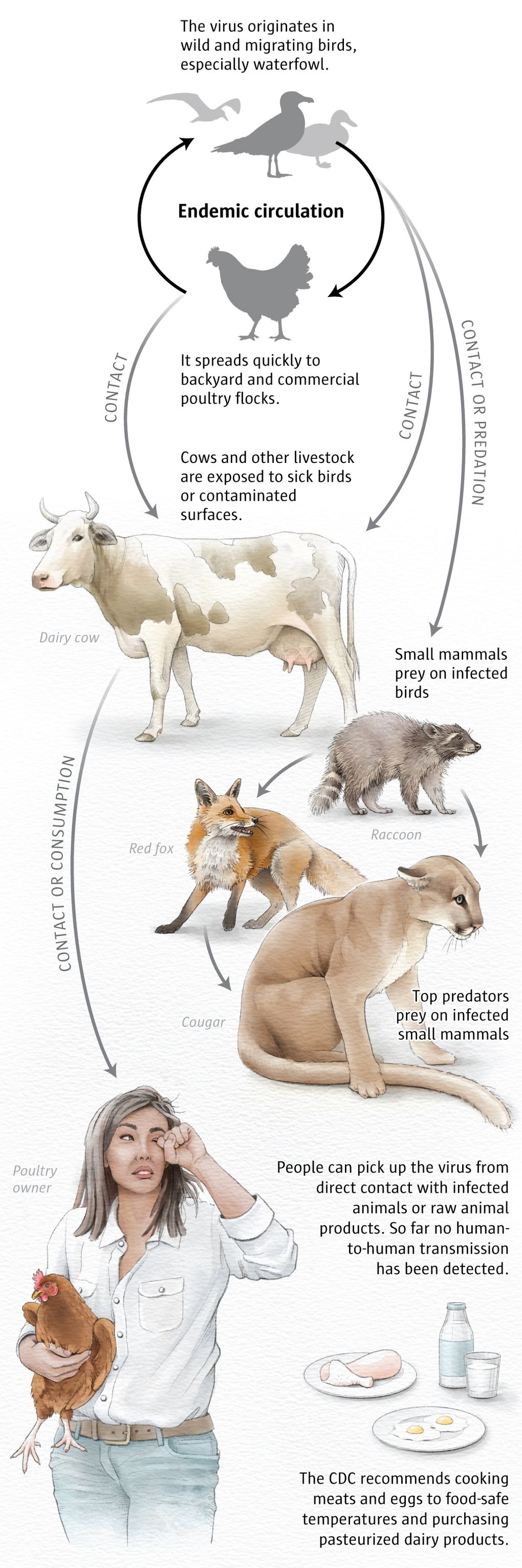
Credit: www.seattletimes.com
Bird Flu Basics
Understanding the basics of bird flu is crucial if you keep backyard chickens or are thinking about starting a flock. This disease can spread quickly and cause serious problems, but knowing what it is and how to spot it early can help protect your birds.
What Is Bird Flu?
Bird flu, also called avian influenza, is a contagious viral infection that affects birds. It spreads through direct contact with infected birds or contaminated surfaces. Wild waterfowl, like ducks and geese, often carry the virus without showing signs, making them a hidden risk to backyard chickens.
Have you noticed wild birds near your coop? These visitors might unknowingly bring the virus to your flock. Understanding this connection is key to preventing an outbreak on your property.
Common Symptoms In Chickens
Bird flu symptoms in chickens can be subtle at first but worsen rapidly. Watch for:
- Sudden death without warning
- Swelling of the head, neck, or eyes
- Respiratory issues such as coughing, sneezing, or nasal discharge
- Lethargy and loss of appetite
- Drop in egg production or soft-shelled eggs
If you see any of these signs, it’s important to act quickly. Early detection can save your flock and prevent the virus from spreading to neighboring farms.

Credit: epi.utah.gov
Backyard Chicken Risks
Backyard chicken keeping is growing in popularity, but it comes with unique risks, especially when it comes to diseases like bird flu. Understanding these risks helps you protect your flock and avoid costly losses. Let’s look closely at what makes backyard chickens vulnerable and how exposure happens.
How Backyard Flocks Differ
Backyard flocks usually live in smaller, less controlled environments compared to commercial farms. You might have only a few chickens roaming in your yard, which means there’s less biosecurity in place. This casual setup can allow easier entry for viruses.
Unlike large poultry operations, backyard chickens often have more contact with other animals and people. This increases their chances of picking up diseases. Have you noticed how your chickens interact with neighborhood pets or visitors? These everyday moments can be risk points.
Exposure To Wild Birds
Wild birds are natural carriers of bird flu viruses. They often don’t show symptoms but can spread the virus through droppings, feathers, or direct contact. If your chickens share space with wild birds, the risk of infection rises significantly.
Consider how open your chicken coop is. Are wild birds able to perch or nest nearby? Feeding your flock outside or leaving water uncovered can attract wild birds. You might want to rethink these habits to reduce exposure.
Transmission Sources
Wild birds often carry bird flu viruses, spreading them to backyard chickens through droppings and water. Contaminated equipment and close contact with infected birds also help transmit the disease. Understanding these sources can help protect your flock.
Understanding how backyard chickens contract bird flu is vital for any poultry owner. The virus doesn’t just appear out of nowhere; it’s transmitted through various sources. Recognizing these transmission sources can help you protect your flock and maintain a healthy coop environment. Let’s dive into some common ways bird flu can spread among backyard chickens.Contaminated Water And Feed
Chickens are highly susceptible to consuming contaminated resources. Bird flu can spread through water and feed that have been exposed to infected feces. Imagine your chickens sipping from a puddle where a wild bird has previously perched. Regularly clean and sanitize waterers and feeders to minimize risks. Use fresh, uncontaminated water and keep feed storage areas secure from wild birds. This simple step can significantly reduce exposure to the virus.Human Activity And Equipment
You might not realize it, but your daily routine could be a conduit for bird flu. Humans can inadvertently carry the virus on clothing, shoes, and equipment. Have you ever walked through a public park and then gone straight into your chicken coop? Consider designating specific footwear and clothing for use around your chickens. Clean equipment after each use and limit unnecessary contact with poultry. These small changes can make a big difference in preventing disease transmission.Migratory Birds As Carriers
Migratory birds are natural travelers and can carry the virus over vast distances. They often stop in areas shared with domestic poultry, which can lead to cross-contamination. Have you ever watched a flock of ducks pass overhead and wondered where they’ve been? To protect your flock, try to minimize contact between wild birds and your chickens. Installing netting or fencing over runs can deter wild birds from entering your chickens’ space. Think of it as setting up a protective barrier around your flock. Taking proactive steps can help keep your chickens healthy. Are you prepared to make these changes to safeguard your backyard flock? Stay vigilant and your chickens will thank you!Environmental Factors
Environmental factors play a big role in how backyard chickens catch bird flu. The surroundings can help the virus spread or keep it away. Understanding these factors helps protect your flock better.
Weather And Seasonal Impact
Cold and wet weather makes bird flu spread easier. The virus lives longer in low temperatures. Rain and snow create damp places where germs survive. Birds stay closer together in cold times. This closeness helps the virus pass quickly. Winter and early spring often see more cases of bird flu.
Dry and hot weather can slow down the virus. Sunlight and heat reduce how long it stays alive outside. But sudden weather changes can stress chickens. Stress lowers their immunity and makes them get sick more easily.
Nearby Poultry Farms
Close poultry farms increase the risk of bird flu for backyard chickens. The virus can travel through air, water, or wild birds that visit both places. Shared equipment or feed trucks may carry germs too. Farms with many birds can be virus sources. Backyard flocks near these farms face higher chances of infection.
Wild birds often move between farms and backyards. They can carry the virus without getting sick. Keeping your chickens away from wild birds helps reduce risks. Biosecurity steps are important near other poultry farms.
Preventive Measures
Preventing bird flu in backyard chickens requires careful actions. These measures reduce risks and keep your flock healthy. Simple steps can stop the virus from spreading.
Biosecurity Practices
Limit visitors to your chicken area. Wild birds and animals can carry the virus. Keep your chickens away from ponds or places wild birds visit. Clean and disinfect tools and equipment regularly. Use separate clothes and shoes for chicken care. Remove dead birds quickly and dispose of them safely.
Vaccination Options
Vaccines can help protect chickens from bird flu. Check with local vets about available vaccines. Follow the recommended schedule for shots. Vaccination does not replace good biosecurity but adds a layer of protection. Keep vaccination records for your flock.
Safe Handling And Hygiene
Wash hands thoroughly before and after touching chickens. Use gloves when cleaning coops or handling sick birds. Avoid sharing equipment with other flocks. Clean water and fresh food reduce disease risk. Regularly clean the coop and nesting areas to keep them dry and clean.

Credit: www.randyschickenblog.com
What To Do If Infection Occurs
Dealing with bird flu in backyard chickens requires quick and careful action. Early response helps reduce the spread of infection and protects your flock. Knowing what to do can save lives and limit damage.
Recognizing Early Signs
Watch for sudden changes in your chickens’ behavior. Signs include:
- Loss of appetite
- Weakness or lethargy
- Swelling around the eyes or neck
- Coughing or sneezing
- Discharge from the nose or eyes
- Sudden death in some birds
Spotting these early can help you act faster.
Reporting And Quarantine
Contact local animal health authorities immediately. Reporting helps control outbreaks and protects other farms. Separate sick birds from healthy ones without delay.
- Use a secure area away from the main flock
- Limit contact with the quarantined birds
- Disinfect tools and footwear after handling
- Keep records of all symptoms and deaths
Care And Treatment
No specific cure exists for bird flu in chickens. Supportive care is vital to ease symptoms and prevent complications. Provide plenty of clean water and nutritious feed. Keep the environment warm and dry. Monitor birds regularly for worsening symptoms. Consult a veterinarian for advice on treatment and biosecurity measures.
Frequently Asked Questions
How Do Backyard Chickens Catch Bird Flu?
Backyard chickens catch bird flu mainly through contact with wild birds. The virus spreads via saliva, nasal secretions, and droppings. Contaminated feed, water, and equipment can also transmit the virus. Close proximity and poor biosecurity increase infection risks.
Can Humans Transmit Bird Flu To Backyard Chickens?
Humans rarely transmit bird flu to chickens. However, they can carry the virus on clothing or shoes. Practicing good hygiene and disinfecting equipment helps prevent spreading the virus between flocks.
What Are Common Bird Flu Symptoms In Backyard Chickens?
Common symptoms include coughing, sneezing, lethargy, and sudden death. Birds may have swollen eyes, nasal discharge, and decreased egg production. Early detection helps control the disease spread.
How To Prevent Bird Flu In Backyard Chickens?
Prevent bird flu by limiting contact with wild birds and maintaining strict biosecurity. Clean and disinfect coops regularly. Quarantine new birds before introducing them to your flock.
Conclusion
Backyard chickens can catch bird flu in many ways. Wild birds often carry the virus and spread it nearby. Contaminated water, feed, or surfaces also help the flu spread fast. Keeping your chickens safe means watching their environment closely. Clean their coop regularly and stop contact with wild birds.
Stay alert to any signs of illness in your flock. Protecting backyard chickens helps keep them healthy and your family safe. Understanding how bird flu spreads is the first step to prevention. Small actions can make a big difference in stopping the virus.




