
Are you thinking about adding some greenery to your bird’s cage but worried about the mess or maintenance real plants bring? Fake plants might seem like the perfect solution—bright, colorful, and hassle-free.
But can you put fake plants in a bird cage safely? Before you place that plastic leaf inside, it’s important to know how it could affect your feathered friend’s health and happiness. Keep reading to discover what you need to consider to create a safe and beautiful environment your bird will love.
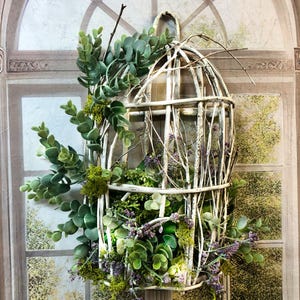
Credit: www.etsy.com
Benefits Of Fake Plants In Bird Cages
Fake plants offer many benefits when placed inside bird cages. They create a pleasant environment for your bird without the risks real plants may bring. These plants improve the cage’s look and give your pet a sense of security. They also save time and effort in care. The durability of fake plants makes them a smart choice for bird owners.
Enhancing Cage Aesthetics
Fake plants add color and life to a bird cage. They make the space look natural and inviting. Birds feel more comfortable with greenery around. Artificial plants come in many shapes and sizes. This variety lets you design a unique space for your bird. They brighten the cage without the mess of soil or water.
Low Maintenance Option
Fake plants do not need watering or sunlight. There is no need for trimming or replacing dead leaves. This saves time for busy bird owners. The plants stay fresh and green all year. They do not attract insects or pests. Cleaning the cage becomes easier without soil or dirt.
Durability Compared To Real Plants
Fake plants last much longer than real ones. They do not wilt or die from lack of care. Birds may chew on leaves, but fake plants resist damage better. They hold their shape and color over time. This makes them cost-effective and long-lasting. You avoid the hassle of buying new plants often.

Credit: www.makingitinthemountains.com
Safety Considerations
Safety is the top priority when adding fake plants to a bird cage. Birds are curious and often chew on objects. Some materials can harm their health or cause injuries. Careful selection and placement of fake plants protect your pet’s well-being. Understanding key safety factors helps create a safe and pleasant cage environment.
Non-toxic Materials
Choose fake plants made from non-toxic materials only. Birds may nibble on leaves or stems. Toxic chemicals can cause poisoning or digestive issues. Look for products labeled safe for pets or birds. Avoid plants with paints or coatings that can chip off. Natural-looking plastic or silk plants usually work well.
Avoiding Small Detachable Parts
Fake plants with small parts can be dangerous. Birds might swallow tiny pieces, leading to choking or blockages. Avoid plants with beads, glitter, or loose petals. Secure any loose parts firmly before placing them inside. Regularly check plants for damage or loose pieces. Remove any broken parts immediately to keep your bird safe.
Proper Placement To Prevent Injury
Place fake plants carefully to avoid bird injuries. Sharp edges or wires can cause cuts or scratches. Position plants away from perches and feeding areas. Ensure plants do not block ventilation or cage doors. Use soft ties or clips to secure plants without harming your bird. Always observe your bird’s interaction with plants and adjust placement as needed.
Choosing The Right Fake Plants
Placing fake plants in a bird cage can add a touch of nature without the upkeep. Choose non-toxic, durable materials to ensure safety for your feathered friends. These plants can enhance the cage’s aesthetics while providing a vibrant and lively environment for birds.
Choosing the right fake plants for a bird cage requires careful consideration. Birds are curious creatures, often interacting with their environment. This makes the selection of artificial plants crucial. They should be safe, attractive, and suitable for the cage environment. Let’s explore the key factors to consider.Size And Shape Suitability
Select fake plants that fit well in your bird cage. Ensure they do not overcrowd the space. Birds need room to move and explore. Choose plants with a shape that mimics natural foliage. This creates a more realistic environment for your feathered friends. Avoid plants with sharp edges or small parts. These can pose risks to the birds.Materials That Withstand Chewing
Birds love to chew, so choose durable materials. Look for fake plants made from non-toxic plastic or silk. These materials can endure pecking and chewing. They also resist wear and tear over time. Avoid materials that can break easily. This ensures the safety of your birds while they play.Colors That Attract Birds
Colorful environments engage birds and stimulate their senses. Choose fake plants with vibrant, bird-friendly colors. Green is a natural choice, but add splashes of red or yellow. These colors can attract birds and encourage interaction. Ensure the colors are non-toxic and safe for pets. A visually appealing cage can improve your bird’s well-being.Placement Tips For Fake Plants
Placing fake plants inside a bird cage can brighten the space and make it feel more natural. Proper placement ensures the plants stay safe and do not bother your bird. Thoughtful arrangement helps balance decoration and your bird’s freedom to move and play.
Securing Plants Inside The Cage
Secure fake plants tightly to avoid falls. Use zip ties or twist ties for firm attachment. Avoid loose plants that could block airflow or fall on your bird. Attach plants to cage bars or corners for stability. Check regularly to keep plants safe and steady.
Creating Natural-looking Spaces
Place plants at different heights to mimic nature. Mix various leaf shapes and sizes for a realistic effect. Avoid overcrowding; keep some open space visible. Use green shades that look soft and natural. This setup helps your bird feel calm and cozy.
Balancing Decoration And Bird Movement
Keep enough room for your bird to fly and climb. Avoid placing plants near food and water dishes. Ensure plants do not block perches or toys. Watch your bird’s behavior to adjust plant positions if needed. A good balance keeps your bird happy and active.
Cleaning And Maintenance
Keeping fake plants in a bird cage clean is important for your pet’s health. Dust and dirt can build up quickly on artificial leaves. Regular cleaning helps maintain a fresh look and a safe environment. It also prevents your bird from breathing in dust or harmful particles. Proper cleaning and care extend the life of the fake plants.
Regular Dusting Techniques
Use a soft brush or cloth to remove dust gently. A small paintbrush works well for tight spots. Wiping with a damp cloth can clean stubborn dirt. Avoid soaking the plants to prevent mold growth. Do this cleaning once a week to keep dust away. Regular dusting stops buildup that can harm your bird.
Safe Cleaning Products
Choose bird-safe cleaners for washing fake plants. Mild soap diluted in water is a good option. Avoid harsh chemicals, bleach, or strong detergents. These can harm your bird’s health if ingested. Rinse the plants well after cleaning to remove soap. Always dry plants completely before placing them back in the cage.
Replacing Worn Or Damaged Plants
Check fake plants often for damage or wear. Frayed edges or loose parts can be dangerous for birds. Replace plants that look old or broken right away. Use sturdy, bird-safe artificial plants for replacements. Keeping fresh plants ensures a safe and attractive cage. Regular replacement keeps your bird’s home clean and safe.
Alternatives To Fake Plants
Looking for alternatives to fake plants in your bird cage can open up new ways to make the space safe and stimulating for your feathered friend. Fake plants might seem convenient, but they can pose risks if birds chew on toxic materials or ingest loose pieces. Exploring other options lets you create a vibrant environment that supports your bird’s health and natural curiosity.
Safe Live Plants For Bird Cages
Live plants add freshness and natural beauty to your bird’s space. Choose bird-safe plants like spider plants, basil, or bamboo palm. These plants are non-toxic and can even improve air quality inside the cage.
Remember to wash plants thoroughly and avoid pesticides. Also, watch how your bird interacts with them—some birds enjoy nibbling on leaves, so providing safe options is essential.
Other Cage Decorations
Decorations don’t have to be green to be appealing. You can add natural branches, untreated wood perches, or paper-based toys. These items encourage chewing and playing, which are great for mental stimulation.
Consider adding swings or ladders made from bird-safe materials. These alternatives keep your bird engaged and prevent boredom without introducing any risks fake plants might bring.
Combining Fake And Real Elements
Not ready to give up fake plants entirely? Blend them with live ones to balance safety and aesthetics. Use sturdy, high-quality artificial plants placed out of reach to reduce chewing risks.
Pair these with real plants placed where your bird can explore safely. This mix creates a lively environment and limits your bird’s exposure to harmful materials.
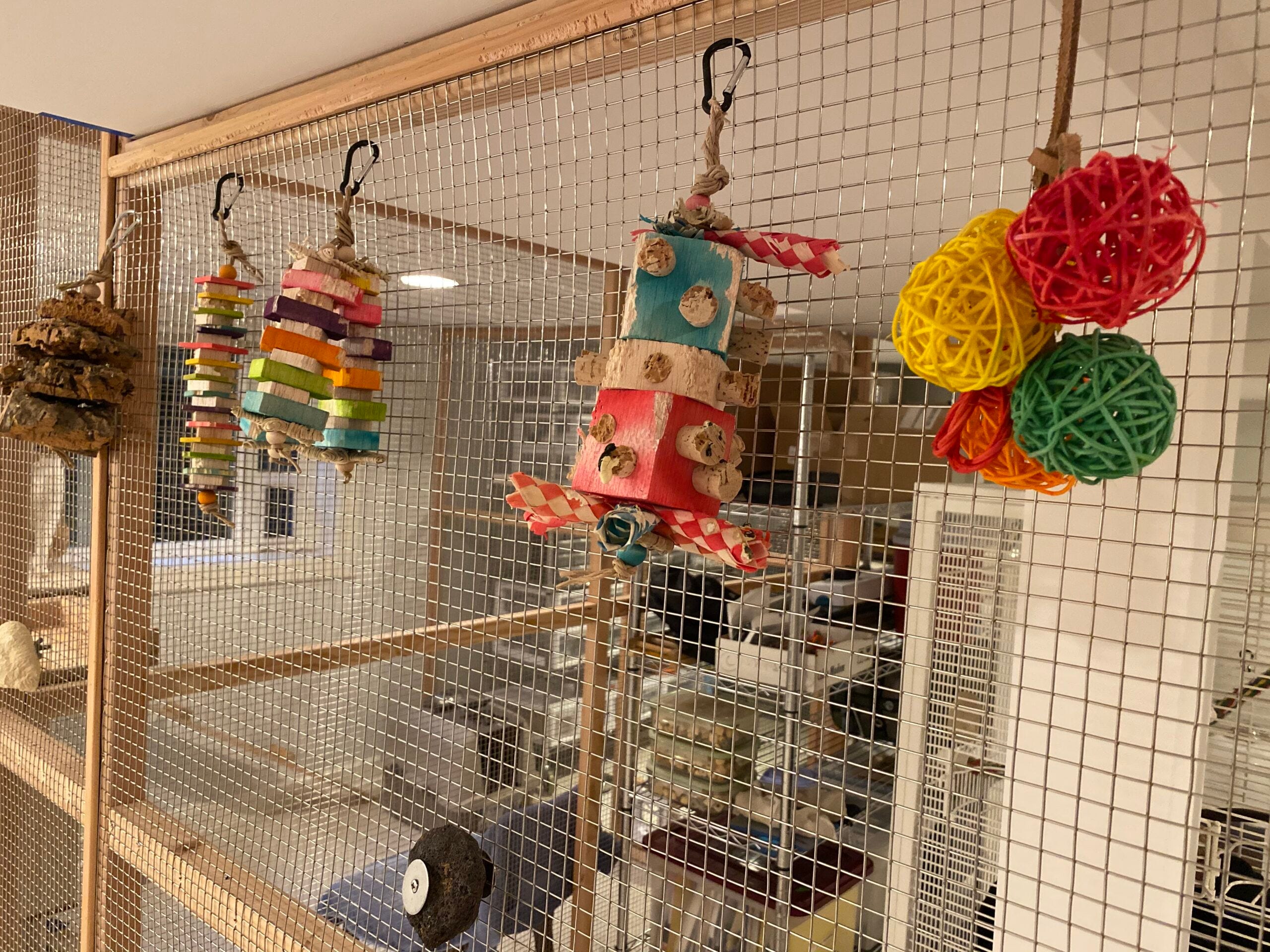
Credit: freerangeparrots.org
Frequently Asked Questions
Can Fake Plants Be Safe For Bird Cages?
Yes, fake plants can be safe if made from non-toxic materials. Avoid sharp edges and secure plants firmly to prevent harm or ingestion by birds.
How Do Fake Plants Benefit Birds In Cages?
Fake plants add visual interest and comfort without the mess of real plants. They create a natural environment and reduce stress for caged birds.
Can Birds Chew On Fake Plants Safely?
Most fake plants are not designed for chewing. Birds may ingest harmful materials, so always monitor and choose bird-safe, durable options.
How To Clean Fake Plants In Bird Cages?
Remove fake plants and wash with warm, soapy water. Rinse thoroughly and dry before placing back to maintain hygiene and prevent mold.
Conclusion
Fake plants can add beauty to a bird cage safely. Choose non-toxic materials to protect your bird’s health. Clean fake plants regularly to avoid dust and germs. Watch your bird’s behavior to ensure comfort and safety. Simple care keeps the cage fresh and inviting.
A well-decorated cage helps your bird feel happy. Small touches make a big difference in their space. Safe fake plants create a pleasant home for your pet.




