
Have you ever wondered if a rat can get into your bird’s cage? It’s a question every bird owner should ask.
Rats are clever and quick, and they can cause serious trouble for your feathered friend. If you want to keep your bird safe and your home clean, understanding how rats might invade a bird cage is crucial. Keep reading to learn what to watch for and how to protect your pet from unwanted visitors.

Credit: www.reddit.com
Rat Behavior Near Bird Cages
Rats near bird cages are more common than you might think. Their natural curiosity and survival instincts push them to investigate any potential food source. Understanding their behavior around bird cages can help you protect your feathered friends and keep your home clean.
Attraction To Bird Food
Bird food is a major lure for rats. Seeds, nuts, and crumbs often spill outside the cage, creating an easy meal for them.
Rats have a strong sense of smell, so even a small amount of bird food can attract them from a distance. Have you noticed how quickly spilled seeds disappear? That’s a clear sign rats might be nearby.
To reduce this attraction, clean up any fallen food daily. Store bird food in sealed containers to cut off their scent trail.
Climbing And Entry Tactics
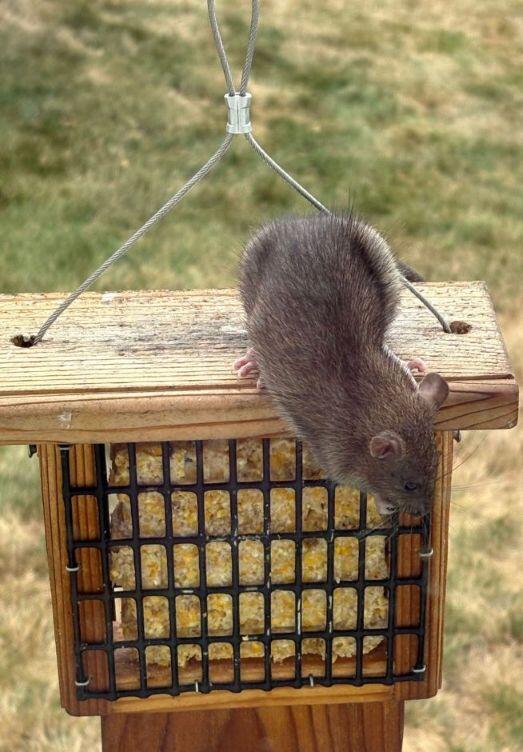
Rats are excellent climbers and can easily scale cage bars or nearby furniture. They use their sharp claws and flexible bodies to squeeze through tight gaps.
Have you ever found tiny holes or loose wires on your bird cage? These can be entry points for rats. They are persistent and will try multiple angles to get inside.
Securing your bird cage with additional barriers, like wire mesh or zip ties, can help keep rats out. Regularly inspect your cage for weak spots where a rat could slip in.
Common Entry Points In Bird Cages
Rats are clever and determined creatures. They can squeeze through very small spaces to reach food or shelter. Bird cages often have spots that rats find easy to enter. Knowing these common entry points helps protect your birds and keep rats out.
Gaps And Openings
Bird cages usually have gaps between bars or at joints. Rats can fit through holes as small as half an inch wide. Check areas where cage parts connect. Small gaps or loose bars give rats a clear path inside. Doors without secure locks or gaps around hinges are weak spots. Even a small opening near the base can allow entry.
Weak Cage Materials
Some cages use thin wire or plastic parts. Rats can chew through soft materials easily. Plastic cages or cages with thin coatings are vulnerable. Metal bars that rust or bend create new gaps. Over time, wear and tear weaken the cage structure. Rats exploit these weak materials to get inside the cage.
Risks To Birds From Rat Intrusions
Rats sneaking into bird cages is more than just a nuisance—it poses serious risks to your feathered friends. These intrusions can expose birds to dangers that might not be obvious at first glance. Understanding these risks helps you protect your birds before an issue arises.
Disease Transmission
Rats carry a variety of diseases that can easily spread to birds. Their droppings and urine contain harmful bacteria and viruses, which can contaminate food and water inside the cage.
One common concern is salmonella, which rats can transmit. Birds exposed to these pathogens may develop severe infections, leading to lethargy, loss of appetite, or worse. Have you checked your bird’s cage for signs of rat droppings lately?
Keeping the cage clean is crucial. Regularly sanitize feeding areas and remove any leftover food that might attract rodents. You can’t always see the danger, but taking these steps reduces risk significantly.
Physical Harm To Birds
Rats are not just carriers of disease—they can physically harm your birds. These rodents may bite or scratch, causing injuries that can become infected if untreated.
Smaller birds are especially vulnerable because rats can easily reach inside the cage. Imagine your pet suddenly showing signs of stress or injury without an obvious cause. Could a rat be the hidden threat?
Besides direct attacks, rats may damage cage bars or nesting material, making the environment unsafe. Strengthening cage security and inspecting it regularly helps prevent these harmful encounters.

Credit: www.reddit.com
Signs Of Rat Presence In Bird Areas
Noticing signs of rat presence around your bird’s cage is crucial for protecting your feathered friend. Rats can be sneaky and cause damage before you even realize they’re there. Paying attention to subtle clues can save you from bigger problems later.
Droppings And Tracks
One of the easiest ways to detect rats is by spotting their droppings. These are usually small, dark, and pellet-shaped, often found near food bowls or cage corners.
Look closely for tiny footprints, especially in dusty or muddy areas around the cage. These tracks can reveal where rats are moving, helping you identify their entry points.
Have you ever noticed unexplained dirt trails or smudge marks? Rats often leave greasy marks from their fur along walls or cage bars as they squeeze through tight spaces.
Damage To Cage And Food Supplies
Rats don’t just leave marks; they chew. Check your bird’s cage for gnaw marks on wires or wooden parts. These damages weaken the structure and could put your bird at risk.
Food is a big attractor. If you find torn food bags, spilled seeds, or holes in storage containers, a rat might be the culprit. These pests contaminate food, which can be harmful to your bird’s health.
Have you noticed your bird acting restless or avoiding its usual feeding spot? Sometimes, the presence of rats can stress birds, making these subtle behavior changes a warning sign too.
Preventing Rat Access To Bird Cages
Preventing rats from accessing your bird cage is essential for the health and safety of your feathered friends. Rats are clever and persistent, so simply assuming your cage is rat-proof can lead to unwanted visits. Taking proactive steps can save you from stressful encounters and protect your birds from potential harm.
Secure Cage Designs
Choosing a cage with strong, tightly spaced bars is your first defense. Rats can squeeze through surprisingly small gaps, so bars should be no wider than half an inch apart. Look for cages made from durable materials like stainless steel, which resist chewing and damage.
Adding a secure locking mechanism also helps keep rats out. Simple clips or twist locks can be easily bypassed by rats, so opt for locks that require a deliberate action to open. Have you checked if your current cage locks are truly rat-proof?
Regular Cleaning And Food Storage
Rats are attracted to leftover food and crumbs. Cleaning your bird cage daily reduces the chance of food debris piling up, which can invite unwanted guests. Pay special attention to the cage floor and feeding areas.
Storing bird food in sealed, rat-proof containers is equally important. Plastic or metal containers with tight lids prevent rats from sniffing out your bird’s meals. Have you noticed how rats can track food by smell even through thin plastic bags?
Maintaining a clean environment around the cage also deters rats. Remove any fallen seeds or food from the surrounding area immediately. This small habit can make a big difference in keeping rats away.
Credit: www.mass.gov
Safe Deterrents And Control Methods
Keeping rats out of bird cages is important for bird safety. Rats can harm birds and spread diseases. Using safe deterrents can protect your bird and home. Consider natural repellents and traps to manage this problem effectively.
Natural Repellents
Natural repellents can keep rats away without harming them. Peppermint oil is a popular choice. Its strong smell deters rats. Soak cotton balls in peppermint oil. Place them around the cage and room. This creates a barrier rats avoid.
Cayenne pepper is another option. Sprinkle it near potential entry points. Rats dislike its spicy scent. This simple method can be very effective.
Traps And Professional Help
Traps can also help manage rat problems. Choose humane traps to catch and release rats. Place them near entry points and check regularly. Always handle captured rats with care.
If traps and repellents fail, seek professional help. Pest control experts can assess the situation. They offer solutions tailored to your home. This ensures the safety of your birds and peace of mind.
Frequently Asked Questions
Can Rats Enter Bird Cages Easily?
Yes, rats can enter bird cages if the gaps are large enough. They are skilled climbers and squeeze through small openings to access food and shelter.
How Do Rats Get Inside Bird Cages?
Rats climb cage bars or use openings like loose wires or gaps. They are attracted by bird food and nesting materials inside the cage.
Are Bird Cages Safe From Rats?
Most bird cages are not rat-proof unless made with very small bar spacing. Extra precautions like secure locks and tight mesh help keep rats out.
What Damage Can Rats Do In Bird Cages?
Rats can chew through cage parts, steal food, spread disease, and harm birds. Their presence creates an unhealthy environment for pet birds.
Conclusion
Rats can enter bird cages if there are gaps or weak spots. Secure your cage with strong locks and tight bars. Keep the area clean to avoid attracting rats. Check cages often for damage or holes. Protect your birds by acting fast and staying alert.
Small steps can keep your feathered friends safe. Don’t wait until you see signs of rats. Prevention is better than dealing with problems later. Stay careful and watchful to keep your birds happy and secure.




