
Have you ever stopped to watch a bird in your backyard or at the park and wondered what it was? Imagine being able to identify that beautiful feathered visitor in seconds.
This guide is made just for you. Whether you’re a beginner or just curious, “A Field Guide to Birds” will give you the simple tools you need to recognize and appreciate birds wherever you go. Get ready to unlock the secrets of your local birdlife and turn every outdoor moment into an exciting discovery.
Keep reading—you’ll never look at birds the same way again.

Credit: www.ebay.ca
Choosing The Right Gear
Choosing the right gear shapes your birdwatching experience more than you might expect. The right tools bring birds into clearer focus and make identification easier. Without them, you might miss subtle details that separate one species from another.
Binoculars And Spotting Scopes
Good optics are the backbone of birdwatching. Binoculars with 8×42 magnification strike a balance between clarity and ease of use. They offer bright, wide views without being too heavy to carry all day.
Spotting scopes give you higher magnification but require a tripod. If you plan to watch birds at a distance, like shorebirds on a beach, a scope is worth the extra gear. Ask yourself: Are you mostly watching nearby birds or scanning wide areas?
Field Guides And Apps
A reliable field guide is more than just pictures. Look for one with clear descriptions of calls, habitats, and behaviors. It helps you learn to identify birds even when they don’t sit still for a photo.
Apps add a modern twist by letting you listen to bird calls and track sightings on the go. Some apps let you upload your photos and get identification help from a community of birders. Which format suits your style: flipping pages or tapping screens?
Clothing And Accessories
Comfort matters when you spend hours outdoors. Neutral-colored clothes blend into natural surroundings, reducing chances of startling birds. Lightweight layers keep you ready for sudden weather changes.
Don’t forget essentials like a wide-brimmed hat, insect repellent, and a sturdy backpack. A notebook for jotting down observations can turn casual watching into a rewarding habit. What little extras have made your outings smoother?
Identifying Birds In The Wild
Identifying birds in the wild can be both fun and rewarding. It takes patience and sharp observation skills. Each bird has unique traits that help tell it apart from others.
Birdwatchers rely on more than just looks. Sounds and behavior also give great clues. Understanding where a bird lives adds another layer to identification.
Key Features To Observe
Focus on size and shape first. Notice the length of the tail and beak. Color patterns on wings and body stand out. Look closely at the bird’s eyes and legs. Small details often make a big difference.
- Body size: small, medium, or large
- Beak shape: pointed, curved, or thick
- Color patterns: stripes, spots, or solid colors
- Wing shape and length
- Tail style: short, long, or forked
Listening To Bird Calls
Bird songs and calls are distinct sounds. Some species have simple calls, others sing complex tunes. Sounds help find birds hidden in trees or bushes. Train your ear to recognize common calls. Use apps or recordings to practice.
- Note the pitch: high, medium, or low
- Listen to rhythm: fast, slow, or steady
- Identify repeated patterns
- Distinguish between songs and alarm calls
Behavior And Habitat Clues
Bird actions reveal much about their identity. Watch how a bird moves: hops, flies, or walks. Feeding habits often vary by species. Habitat plays a key role in spotting birds. Some prefer forests, others open fields or wetlands.
| Behavior | Meaning |
|---|---|
| Hopping on ground | Often a thrush or sparrow |
| Soaring high | Likely a raptor or large bird |
| Pecking tree bark | Woodpecker or similar species |
| Wading in water | Heron or shorebird |
Best Birdwatching Practices
Watching birds is not just about spotting them; it’s about connecting with nature in a respectful and mindful way. Best birdwatching practices help you see more birds and keep them safe. How you approach birds can make all the difference in your experience and theirs.
Approaching Birds Quietly
Birds are easily startled by noise and sudden movements. Move slowly and keep your steps soft to avoid scaring them away. Try to keep your voice low or silent, especially near nests or feeding areas.
Wear neutral colors that blend with the environment to avoid drawing attention. Remember, patience pays off—standing still for a few minutes often encourages birds to come closer. Have you ever noticed how a sudden noise sends all birds flying? That’s a sign to slow down your pace.
Using Blinds And Hides
Bird blinds and hides are excellent tools for getting close without disturbing wildlife. These shelters let you observe birds from a hidden spot, increasing your chances of seeing shy species. You can build simple hides from natural materials or purchase portable ones.
Set your blind near water sources or fruiting trees where birds frequent. Make sure to enter and exit quietly to avoid alerting birds. Have you tried sitting in a hide for 20 minutes? You’ll often find birds resume their normal behavior, giving you great photo or observation opportunities.
Ethical Birdwatching
Respecting birds and their habitats is key to ethical birdwatching. Never disturb nests or try to touch birds. Keep a safe distance and use binoculars or cameras with zoom lenses to get a better view.
Avoid using playback calls excessively, as they can stress birds and interfere with their natural behavior. Always follow local rules and guidelines in parks and reserves. How would you feel if someone invaded your home unexpectedly? Treat birds’ spaces with the same respect.
Popular Birdwatching Locations
Finding the right spots to watch birds can make your experience much more rewarding. Popular birdwatching locations offer a chance to see a wide variety of species in their natural habitats. Knowing where to go helps you plan your trips and increases your chances of spotting rare or interesting birds.
Local Parks And Reserves
Local parks and nature reserves are often overlooked gems for birdwatchers. These areas usually have well-maintained trails and provide easy access for beginners. You might spot common birds like robins, sparrows, and woodpeckers, but keep an eye out for less common visitors.
Visiting a nearby park early in the morning can reward you with the best sightings. Have you ever noticed how different bird activity is at dawn compared to midday? Try visiting the same park at different times to see how bird presence changes.
Wetlands And Coastal Areas
Wetlands and coastal zones attract a wide variety of waterfowl and shorebirds. Places like marshes, estuaries, and tidal flats provide food and nesting areas for species you won’t find inland. You can expect to see herons, egrets, ducks, and maybe even some rare wading birds.
Bring binoculars and a field guide when visiting these areas. Watching birds feed or interact near the water offers a unique window into their behavior. Do you know which coastal area near you supports migratory shorebirds during the fall?
Migratory Hotspots
Migratory hotspots are essential for observing birds during their seasonal journeys. These locations often have a high concentration of species resting or feeding before continuing their travels. Timing your visit right can let you witness large flocks and diverse species in one place.
Famous migratory routes like the Mississippi Flyway or the East Asian-Australasian Flyway are great examples. But don’t overlook smaller local spots where birds gather. Have you checked if your region has any recognized migratory stopovers you could visit?
Keeping A Birdwatching Journal
Keeping a birdwatching journal enhances your field guide experience. Record sightings and details about different bird species. This habit helps in identifying patterns and improving observation skills.
Keeping a Birdwatching Journal Embracing the art of birdwatching is like opening a window to nature’s vibrant symphony. A birdwatching journal transforms fleeting moments into lasting memories. It’s not just about jotting down names but capturing the essence of each encounter.Recording Sightings
When you spot a bird, quickly note the date, time, and location. This information helps in understanding patterns over time. Use descriptive words to detail the bird’s appearance and behavior; this enriches your entries and hones your observation skills. Consider using symbols or shorthand to save time. If you see a common sparrow, a simple ‘CS’ might suffice. By developing your own system, you make journaling efficient and personal.Photographing Birds
Adding photos to your journal brings an extra layer of engagement. A picture captures details words might miss, like the iridescent sheen on a hummingbird’s wings. Even if photography isn’t your strong suit, a simple smartphone photo can be invaluable. When snapping a picture, focus on the bird’s unique features—its beak, plumage, or the way it perches. This visual record can spark memories and deepen your connection to the sighting.Tracking Seasonal Changes
Birdwatching journals are powerful tools for observing seasonal shifts. As the months change, so do the birds that visit your backyard or favorite park. Documenting these changes reveals migration patterns and feeding habits. Ask yourself, how does the bird population shift from spring to fall? Compare your notes year over year to see if any new species appear or if familiar ones have altered their behaviors. This awareness not only enhances your birdwatching experience but also contributes to a broader understanding of ecological changes.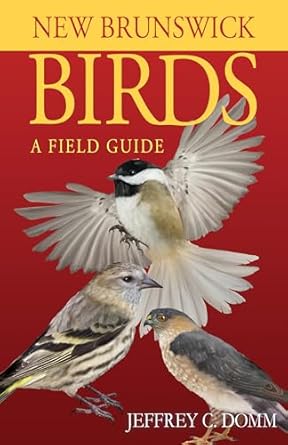
Credit: www.mapsandmore.ca
Joining The Birdwatching Community
Joining the birdwatching community enriches the experience beyond solo observation. It connects you with others who share your passion. These connections offer support, knowledge, and new opportunities. Sharing stories and tips helps everyone grow in their skills and enjoyment.
Birdwatching Clubs And Groups
Local birdwatching clubs bring enthusiasts together for regular outings. Groups often host guided walks and workshops. These events help beginners learn from experienced birders. Clubs also organize social gatherings to celebrate birding achievements. Joining a club builds friendships and deepens your interest.
Online Forums And Resources
Online forums connect birdwatchers worldwide. Members share photos, sightings, and advice daily. These platforms offer quick answers and diverse opinions. Many forums have sections for beginners and experts. Using online resources helps you identify birds faster and more accurately.
Participating In Citizen Science
Citizen science projects invite birdwatchers to contribute data. Recording sightings supports research and conservation efforts. Projects like eBird and the Christmas Bird Count are popular. Participation improves your observation skills and makes your hobby meaningful. It’s rewarding to know your efforts help protect birds.
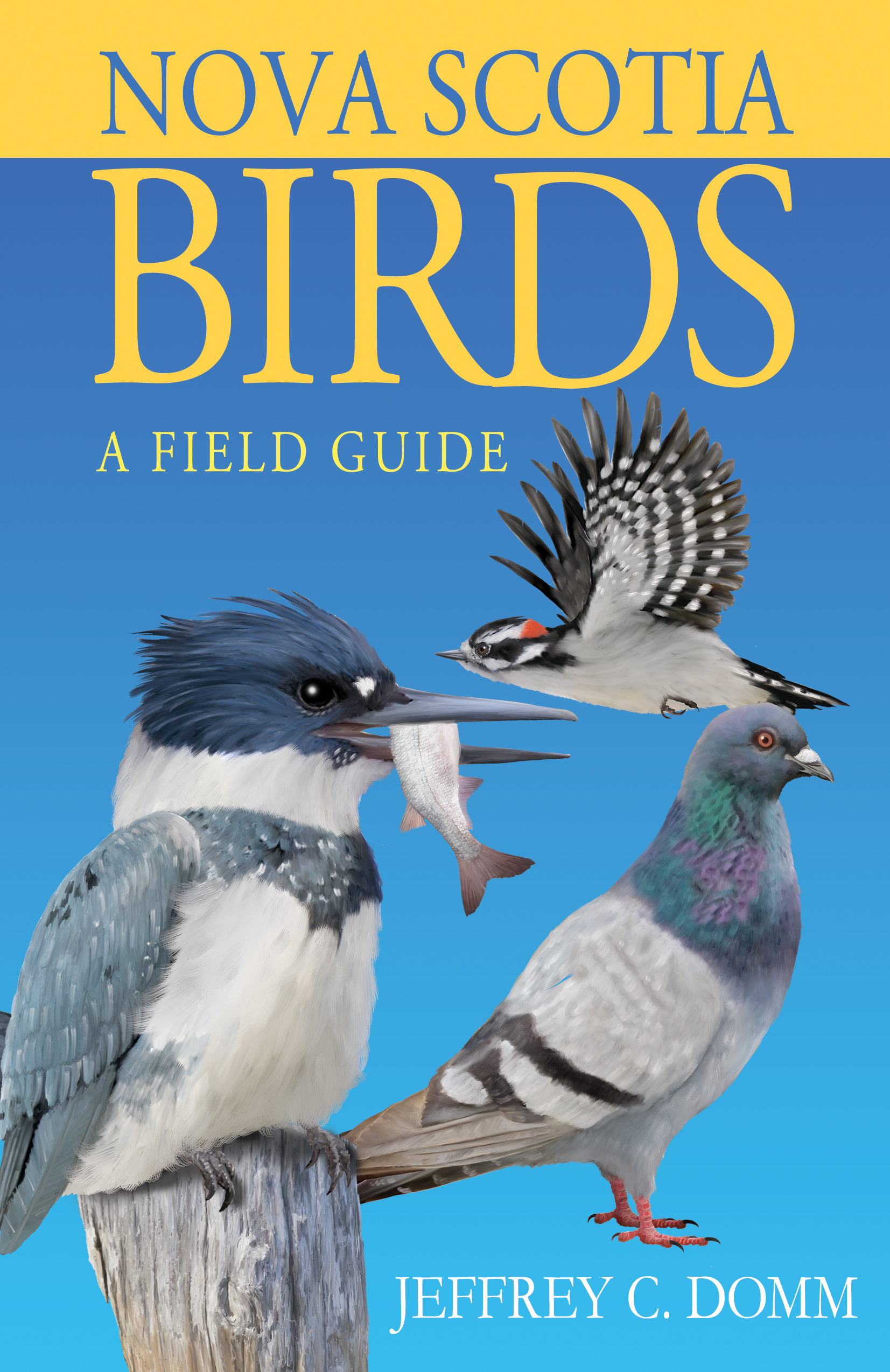
Credit: atlanticbooks.ca
Frequently Asked Questions
What Are The Best Tools For Birdwatching Beginners?
Binoculars, a field guide, and a notebook are essential tools. These help identify birds and record observations effectively during birdwatching.
How Do I Identify Common Birds In My Area?
Look for size, color, beak shape, and behavior. Use a field guide to compare features and confirm bird species.
When Is The Best Time For Birdwatching?
Early mornings and late afternoons are ideal. Birds are most active during these cooler, quieter times of the day.
What Habitats Attract The Most Bird Species?
Woodlands, wetlands, and gardens offer diverse bird habitats. Different species prefer specific environments for feeding and nesting.
Conclusion
Bird watching opens a window to nature’s beauty and wonder. This guide helps you recognize birds easily. Carry it on your next outdoor trip. Notice colors, shapes, and sounds carefully. Each bird has a unique story to tell. Enjoy the calm and joy that birding brings.
Keep practicing and you will see more birds. Nature’s wonders are closer than you think. Happy birding!




