
Have you ever wondered what kind of birds can survive in one of the coldest places on Earth—the North Pole? It might surprise you to learn that despite the freezing temperatures and icy landscape, some amazing birds call this harsh environment home.
If you want to discover which birds brave the cold and how they manage to thrive there, keep reading. Your curiosity will be rewarded with fascinating facts that will change the way you think about life in the Arctic.
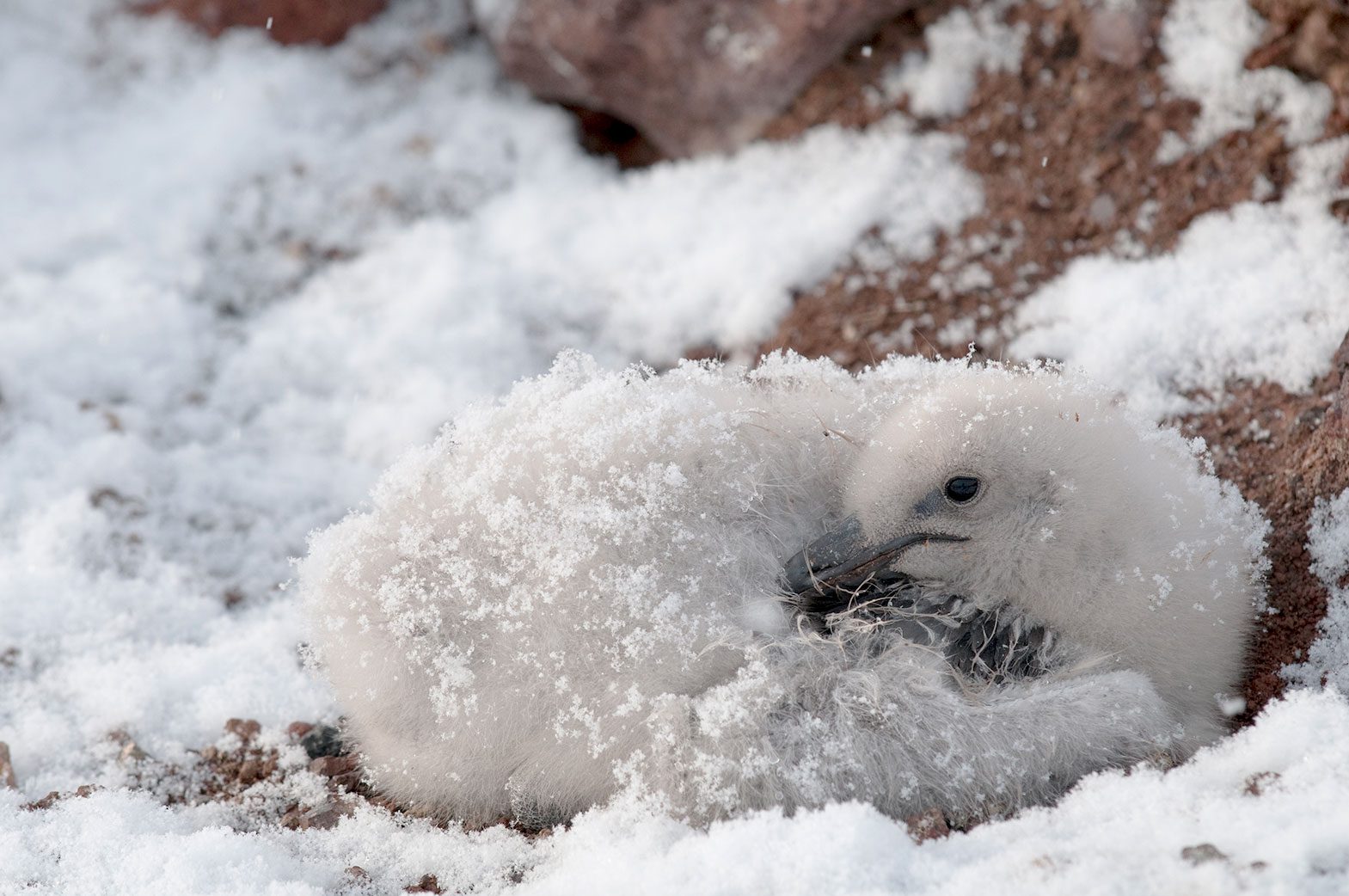
Credit: www.allaboutbirds.org
Arctic Bird Species
The North Pole hosts unique bird species adapted to harsh Arctic conditions. These birds survive cold, ice, and strong winds. Their feathers and behaviors help them thrive in this icy world.
Birds in the Arctic play key roles in the ecosystem. They feed on fish, insects, and small mammals. Many migrate seasonally, while some stay all year.
Seabirds Of The North Pole
Seabirds dominate the Arctic skies and waters. They nest on cliffs and ice edges. Common seabirds include:
- Arctic Tern – famous for long migrations.
- Fulmar – glides gracefully over open ocean.
- Little Auk – small, dives for fish.
- Ivory Gull – scavenger near polar bears.
These birds rely on the ocean for food. They often travel far to find fish and plankton.
Migratory Birds In The Arctic
Migratory birds visit the North Pole in summer. They breed during the short Arctic summer. They leave before winter’s harsh cold arrives.
Examples include:
- Snow Bunting – bright plumage in summer.
- Red-throated Loon – nests on tundra lakes.
- Brent Goose – feeds on coastal vegetation.
Migration helps these birds avoid food shortages and freezing temperatures.
Resident Birds Year-round
Some birds stay in the Arctic all year. They have special adaptations to survive winter. Thick feathers and fat layers keep them warm.
- Gyrfalcon – hunts other birds and mammals.
- Rock Ptarmigan – changes plumage to blend with snow.
- Snowy Owl – powerful hunter of rodents.
These residents play a vital role in Arctic food chains. Their survival shows nature’s strength in extreme cold.

Credit: www.shutterstock.com
Adaptations To Arctic Life
Birds living in the North Pole face extreme cold and harsh winds. They have special adaptations to survive and thrive in this icy world. These adaptations help them keep warm, find food, and raise their young safely.
Physical Traits For Cold
Arctic birds have thick feathers that trap heat close to their bodies. Their feathers are often layered and oily to repel water and ice. Many have a layer of fat under their skin for extra insulation. Their feet and legs have special scales to reduce heat loss. Some birds also have smaller body parts to limit exposure to cold air.
Nesting And Breeding Habits
Birds choose safe and sheltered places for nesting to protect eggs from wind and cold. Many build nests with moss, feathers, and down for warmth. They often breed during the short Arctic summer to take advantage of milder weather. Parents share duties like incubating eggs and feeding chicks to increase survival chances.
Feeding Strategies
Food can be scarce in the Arctic, so birds are flexible eaters. They hunt fish, insects, and small marine animals. Some birds store food for later use. Others follow the movement of sea ice to find food sources. They eat quickly and efficiently to maintain energy in the cold climate.
Key Bird Habitats
Birds in the North Pole depend on specific habitats for survival. These places offer food, shelter, and safe breeding grounds. Each habitat supports different bird species adapted to the cold environment. Understanding these key areas helps us appreciate how birds thrive in such harsh conditions.
Coastal Regions
Coastal areas provide rich feeding grounds for many birds. The shorelines have abundant fish and invertebrates. Birds like gulls and terns gather here to hunt and rest. These regions also serve as important stopover sites during migration.
Sea Ice And Open Water
Sea ice offers a platform for birds such as the ivory gull. Open water nearby allows access to fish and marine life. Birds use floating ice to rest and find food. This habitat is crucial during the breeding season and winter months.
Tundra Nesting Areas
The tundra hosts many ground-nesting birds like the Arctic tern. This area provides protection from predators and harsh weather. Birds build nests among low shrubs and grasses. The tundra’s short summer is vital for raising their young.

Credit: www.northpolecruises.com
Threats To Arctic Birds
Arctic birds face numerous threats that put their survival at risk. These challenges come from environmental changes and human influences that disrupt their fragile ecosystem. Understanding these threats helps you appreciate the urgency of protecting these resilient creatures.
Climate Change Impact
Rising temperatures are melting the ice where many Arctic birds nest and feed. This loss of habitat forces birds to travel farther for food, affecting their energy and breeding success. You might wonder how a few degrees of warming can cause such drastic changes, but even small shifts alter the entire food web.
Changing weather patterns also affect migration timing. Birds arriving too early or too late miss peak food availability, which can reduce chick survival rates. Think about how important timing is in your daily routine—now imagine your survival depends on it.
Pollution And Contamination
Pollutants like heavy metals and plastics reach the Arctic through ocean currents and air. These toxins accumulate in birds’ bodies, causing health problems and reproductive failures. You may not see pollution in the pristine Arctic, but it travels far beyond its sources.
Oil spills pose an immediate and severe threat, coating feathers and disrupting insulation. Even small amounts can lead to hypothermia and death. When you consider that many Arctic birds rely on their feathers to stay warm, the danger becomes clear.
Human Activities And Disturbance
Increasing tourism and industrial development disturb nesting sites and feeding grounds. Noise and physical presence can scare birds away, leading to abandoned nests. Imagine trying to focus on an important task with constant interruptions—birds face this challenge daily.
Hunting and egg collection, though less common now, still threaten some species. Protecting these birds requires not just laws but also your awareness and respect for their habitats. What steps can you take to support conservation efforts in such remote places?
Conservation Efforts
Conservation efforts protect bird species living in the North Pole. These birds face many threats like climate change and habitat loss. Protecting their homes and studying their habits helps keep their populations strong. People, scientists, and governments work together to save these unique birds.
Protected Areas
Protected areas keep bird habitats safe from harm. These zones restrict human activities that could damage nesting sites. National parks and wildlife refuges cover important breeding and feeding grounds. Strict rules help maintain clean water and healthy ecosystems. Birds find safe places to rest and raise their young.
Research And Monitoring
Scientists study birds to understand their needs and dangers. Tracking bird movements shows where they travel and nest. Monitoring populations reveals changes in numbers over time. Research helps identify new threats like pollution or disease. Data guides conservation plans to protect the most vulnerable species.
Community Involvement
Local communities play a big role in bird protection. They share knowledge about bird habits and changes in the environment. Community members help report illegal activities like poaching. Education programs teach people why birds need protection. Together, communities and experts create lasting solutions for bird survival.
Frequently Asked Questions
What Bird Species Inhabit The North Pole?
The North Pole hosts birds like the Arctic tern, snowy owl, and ivory gull. These species thrive in cold, icy environments.
How Do Birds Survive Extreme Cold At The North Pole?
Birds survive the cold with thick feathers, fat layers, and migration habits. They adapt behaviorally and physically to harsh Arctic conditions.
Are There Migratory Birds At The North Pole?
Yes, many birds like the Arctic tern migrate to the North Pole during summer. They travel long distances for breeding and feeding.
What Do North Pole Birds Eat In Such An Environment?
North Pole birds mainly eat fish, marine invertebrates, and small mammals. Their diet adapts to the scarce Arctic resources available.
Conclusion
Birds in the North Pole show nature’s strength and beauty. They survive cold, find food, and raise young in tough conditions. These birds teach us about life in extreme places. Watching them helps us care for fragile Arctic habitats. Their presence reminds us that even the coldest places have life.
Exploring these birds connects us to the wild world. Nature’s resilience is clear in every feather and flight.




