
Are you tired of your bird feeder pole wobbling or tipping over every time the wind blows or a curious squirrel visits? Securing your bird feeder pole firmly in the ground is key to keeping your feathered friends happy and safe.
You’ll discover simple, effective ways to anchor your pole so it stays steady season after season. Keep reading, and you’ll learn easy tips that anyone can follow to create a reliable feeding spot that attracts birds—and keeps them coming back.
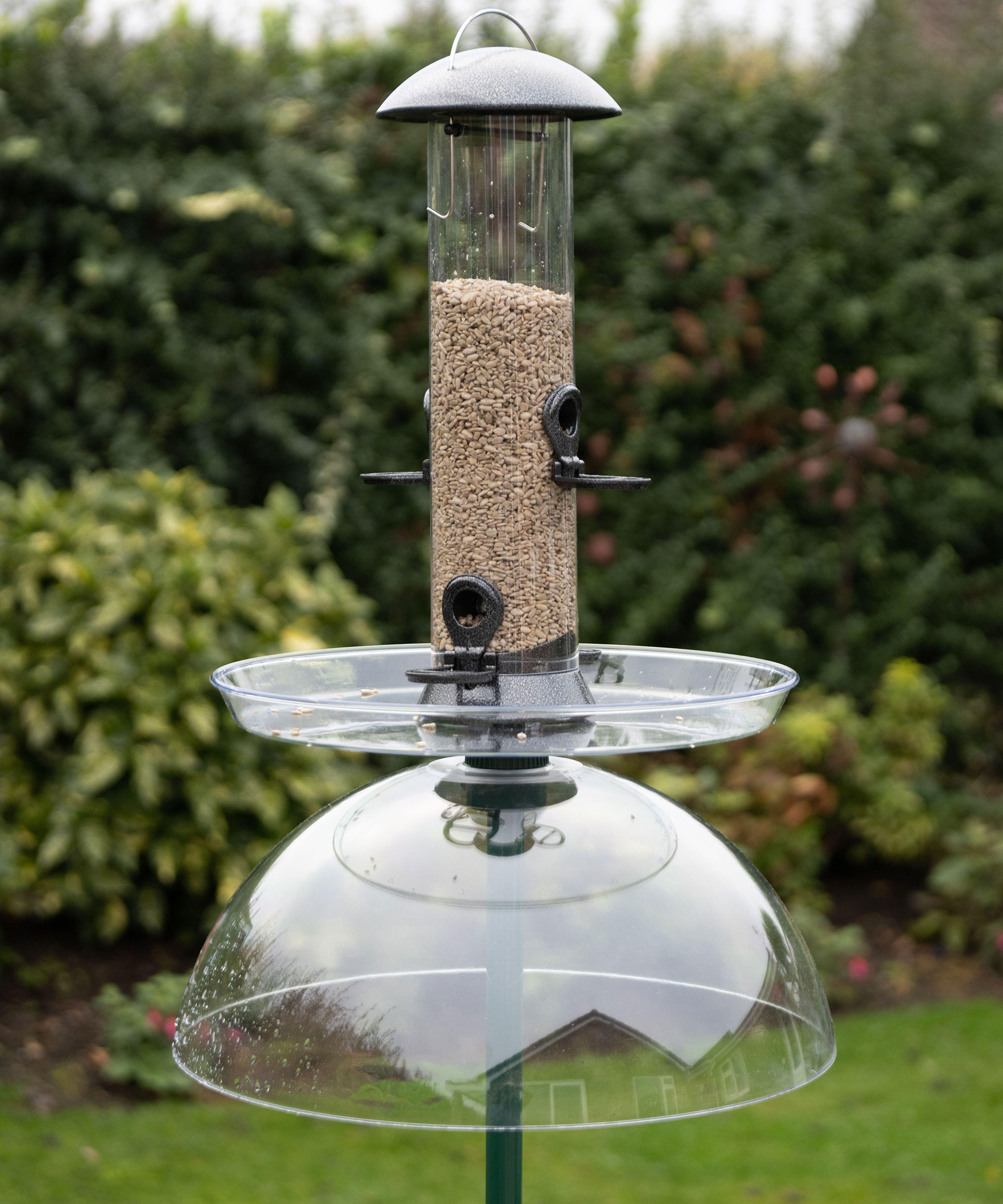
Credit: www.homesandgardens.com
Choosing The Right Pole
Choosing the right pole is the foundation of securing your bird feeder safely and effectively. The pole not only supports the feeder but also withstands weather conditions and resists tipping or damage. Picking the right one can save you frustration and keep your feathered visitors happy.
Material Options
Poles come in a variety of materials, each with pros and cons. Metal poles, especially galvanized steel or aluminum, offer strength and longevity. Wood poles provide a natural look but may rot or attract pests over time.
Plastic poles are lightweight and resist rust but might not handle strong winds well. Think about your yard’s environment—do you need something sturdy to stand up to storms or something that blends with your garden?
Height And Thickness
The height of your pole determines how visible and accessible your bird feeder will be. A pole around 5 to 6 feet tall is usually ideal, keeping feeders away from predators while allowing easy refilling.
Thickness matters too. Thicker poles provide more stability and reduce wobbling, especially if your feeder is large or heavy. Have you noticed poles bending or shaking in the wind? Choosing a thicker gauge can help prevent that.
Weather Resistance
Weather resistance is crucial since your pole faces rain, sun, snow, and wind year-round. Look for poles with powder coating or rust-resistant finishes to avoid corrosion. Untreated metal or wood will degrade quickly and might need frequent replacement.
Consider how extreme your local weather is. Are winters harsh or summers scorching? A weather-resistant pole will keep your feeder secure and looking good no matter what nature throws at it.
Selecting The Location
Choosing the right spot for your bird feeder pole is key to attracting birds and keeping the feeder stable. The location affects how well birds can find and use the feeder, and how safe it stays from weather and pests. Let’s look closely at the factors that help you pick the perfect place.
Ground Type
Check the soil where you want to place the pole. Soft, loamy soil is easier to dig into and provides good support for your pole. Rocky or sandy ground can make securing the pole tricky and less stable.
If your yard has clay soil, you might need to add gravel or use a concrete base to keep the pole steady. Have you ever tried pushing a pole into hard soil only to see it wobble? That’s why knowing your ground type helps avoid frustration.
Sunlight And Shade
Think about how much sun and shade the area gets during the day. Birds often prefer feeders in spots that offer morning sun and afternoon shade, which keeps the food fresh longer. Too much direct sunlight can spoil seeds quickly.
Placing your feeder near trees or shrubs can provide natural cover and shelter for the birds. But be careful not to put it in deep shade where birds might feel exposed to predators. How does your yard’s light change throughout the day?
Avoiding Hazards
Keep the feeder away from places where cats, squirrels, or other predators can easily reach it. Avoid spots near busy walkways or roads that could scare the birds away. Safety is just as important as accessibility.
Also, steer clear of areas with strong winds or heavy rain exposure, which can damage the feeder or knock it over. Have you noticed where birds in your yard naturally gather and feel safe? That’s often a good clue for your feeder’s location.
Preparing The Ground
Preparing the ground is essential to secure a bird feeder pole firmly. A stable base prevents wobbling and keeps the feeder safe. Proper preparation helps the pole last longer and hold up against wind and weather.
Clearing Debris
Start by removing leaves, rocks, and twigs from the spot. Clear a wide area around where the pole will go. This makes digging easier and ensures a clean space for the pole.
Digging The Hole
Use a shovel or post hole digger to create the hole. Make it wide enough to fit the pole and some extra room for soil or concrete. A neat, round hole helps the pole sit straight and strong.
Depth Recommendations
- Dig at least 18 to 24 inches deep for most poles.
- Deeper holes provide better stability in soft soil.
- For windy areas, go deeper to prevent tipping.
Check your pole’s instructions for exact depth needs. The right depth keeps the feeder secure and birds safe.

Credit: www.youtube.com
Securing The Pole
Securing the bird feeder pole firmly in the ground is vital for stability. A well-anchored pole prevents wobbling and keeps birds safe while feeding. Strong support also stops the pole from tipping during wind or when animals climb nearby. Choosing the right method to secure the pole depends on soil type and weather conditions.
Using Concrete For Stability
Concrete creates a solid base for the pole. Dig a hole deep enough to hold the pole steady. Place the pole inside, then pour mixed concrete around it. Let the concrete dry for at least 24 hours. This method works best in loose or sandy soil. Concrete holds the pole firm and stops it from leaning or falling.
Packing Soil Tightly
For firm soil, tightly packing the earth can secure the pole well. Dig a hole slightly larger than the pole’s width. Insert the pole and push soil back in around it. Press the soil down hard using your hands or a tool. Add water to help soil settle and compact more. This method is quick and works well for small poles in stable ground.
Alternative Anchoring Methods
Other ways also help keep the pole secure without concrete or packed soil. Use metal ground spikes or stakes for extra grip. Screw the pole into a heavy base or attach guy wires for added support. Drive the pole into a sturdy tree stump or wooden post for natural anchoring. These options suit different ground types and locations.
Adding Support Features
Adding support features to your bird feeder pole is essential for stability and safety. These features help prevent the pole from tipping or wobbling. Secure poles provide a steady perch for birds and protect feeders from damage. Choose the right support based on your ground type and pole height.
Installing Guy Wires
Guy wires offer strong support by anchoring the pole to the ground. Attach the wires near the top of the pole. Secure the other ends with ground stakes placed outward at an angle. Tighten the wires to keep the pole upright and stable. This method works well in windy areas or for tall poles.
Using Braces Or Stakes
Braces or stakes add extra strength to the base of the pole. Drive wooden or metal stakes into the ground around the pole. Connect the pole to the stakes using screws or strong ties. This support prevents the pole from leaning or falling. Ideal for soft soil where extra grip is needed.
Enhancing Pole Strength
Choose a thick, durable pole to improve overall strength. Wrap the base with tape or protective coating to avoid damage. Consider adding a concrete base for heavy-duty support. Reinforcing the pole reduces bending and extends its life. Strong poles make bird feeding safer and more enjoyable.
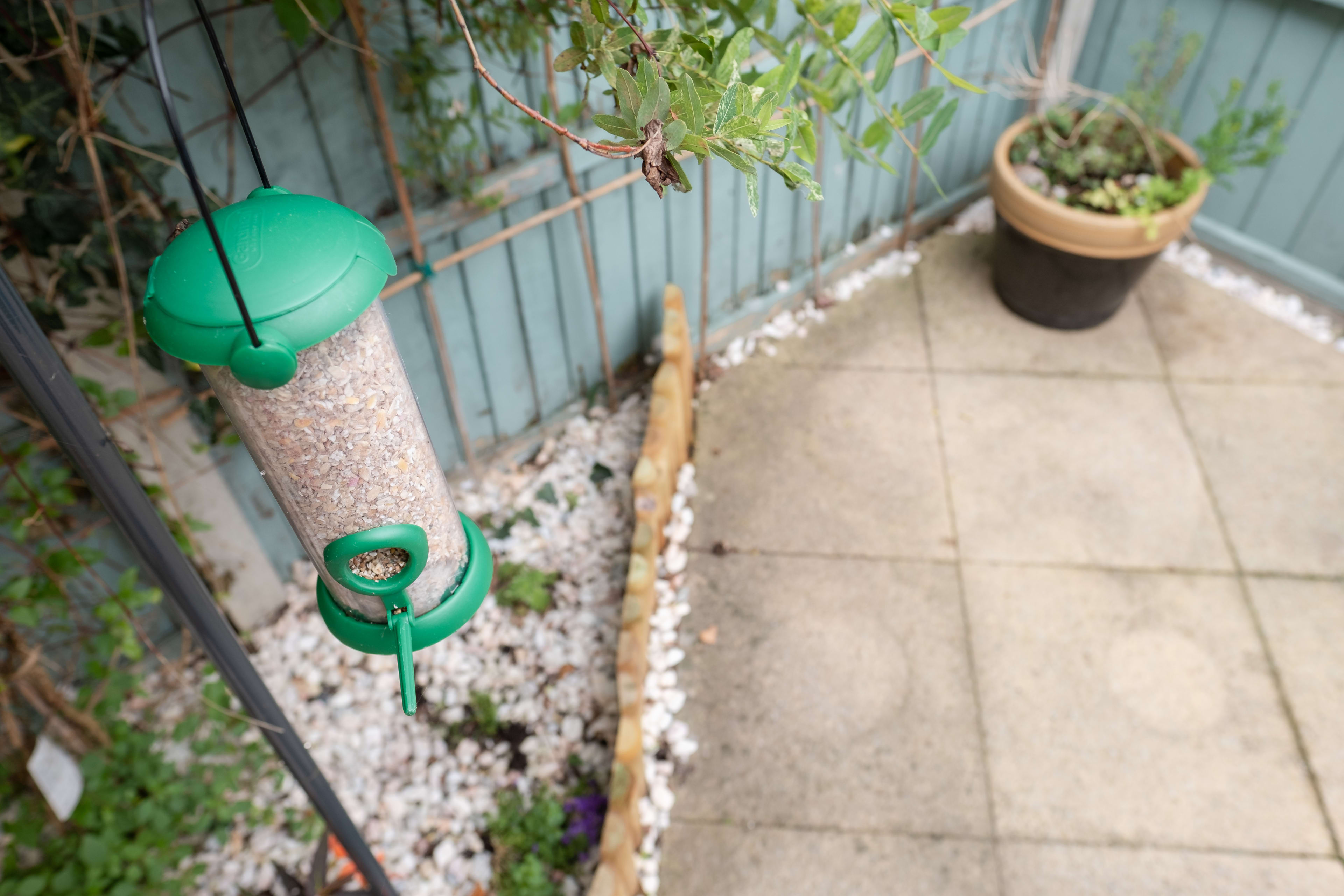
Credit: dengarden.com
Maintaining Stability Over Time
Securing a bird feeder pole properly ensures stability over time. Firmly anchor the pole in the ground using a sturdy base. This prevents tipping and provides a safe spot for birds to visit.
Maintaining the stability of a bird feeder pole is essential for its longevity. Over time, various factors can affect its steadiness. Regular care helps ensure your bird feeder remains upright and functional.Regular Inspections
Conduct regular checks to identify any signs of wear. Look for rust or corrosion on the pole. Check the ground around the pole for erosion. These inspections help you catch issues early.Dealing With Weather Damage
Weather can take a toll on your bird feeder pole. Rain might cause the ground to soften, loosening the pole. Strong winds can tilt it. After storms, check for any damage. Adjust the pole if needed to keep it upright.Reinforcing Loose Poles
If the pole feels loose, reinforcement is necessary. Add gravel or sand around the base for extra support. Tighten any screws or fastenings that have loosened. Ensure the pole stands straight and firm.Frequently Asked Questions
How Deep Should I Bury A Bird Feeder Pole?
Bury the bird feeder pole at least 12-18 inches deep. This depth provides strong stability and prevents wobbling in wind or when birds perch.
What Materials Secure A Bird Feeder Pole Firmly?
Use concrete or gravel to secure the pole in the ground. Concrete offers strong, lasting support, while gravel ensures good drainage and stability.
Can I Use A Ground Stake For Bird Feeder Poles?
Yes, ground stakes help anchor lightweight poles. However, for taller or heavier feeders, deeper installation with concrete is recommended for safety.
How Do I Prevent Bird Feeder Poles From Tipping?
Install the pole in firm soil and use concrete or gravel around the base. Also, avoid placing feeders in high wind areas to reduce tipping risk.
Conclusion
Securing a bird feeder pole well keeps it steady and safe. Choose a strong spot with firm soil for the best hold. Use tools like a post hole digger and concrete for extra strength. Check the pole often to stop wobbling or tilting.
A well-secured pole helps birds visit without trouble. Enjoy watching birds comfortably from your yard. Small efforts bring big results. Keep your bird feeder pole firm and enjoy nature daily.




