
Have you ever wished you could make something special for your feathered friends? Creating bird clothes is a fun and creative way to show your love for your pet birds.
Not only does it keep them cozy, but it also lets you express your style and care. You’ll discover simple steps to make comfortable and safe clothes for your birds. Whether you’re a beginner or looking to add new ideas, you’re about to learn everything you need to get started.
Ready to make your birds stand out with cute, handmade outfits? Let’s dive in!
Choosing The Right Materials
Choosing the right materials is the foundation of making bird clothes that your feathered friend will actually enjoy wearing. The fabric needs to be gentle, breathable, and safe to prevent irritation or harm. Selecting the proper materials not only ensures comfort but also makes the clothes durable enough for your bird’s active lifestyle.
Fabric Types For Bird Clothes
Natural fabrics like cotton and linen are excellent choices because they are soft and allow air to circulate. These materials help avoid overheating and skin irritation. Avoid synthetic fabrics like polyester or nylon, which can trap heat and cause discomfort.
Lightweight fleece can work well for colder weather, but only if it’s thin and breathable. Stretchy knits are great for fitting snugly without restricting movement. Think about your bird’s daily activities and environment when choosing fabric type.
Safe And Comfortable Materials
Safety is crucial. Avoid fabrics with loose threads or embellishments that could be swallowed or cause choking. Choose materials free from harmful dyes or chemicals.
Softness matters because rough textures can irritate your bird’s sensitive skin. You want materials that won’t cause itching or restrict feathers. Have you noticed your bird’s reaction to certain fabrics before? That observation can guide your choices.
Where To Source Supplies
You can find suitable fabrics at local craft stores or fabric shops, where you can feel the texture before buying. Online retailers often offer a wider variety but check customer reviews to verify quality.
Consider repurposing old, clean cotton shirts or pillowcases as eco-friendly options. This saves money and ensures the fabric is already familiar to your bird’s environment.
Don’t forget to gather soft thread and small, bird-safe fasteners like Velcro or snaps instead of buttons or zippers. Where do you usually shop for your crafting supplies? Trying new sources might uncover unexpected gems for your project.
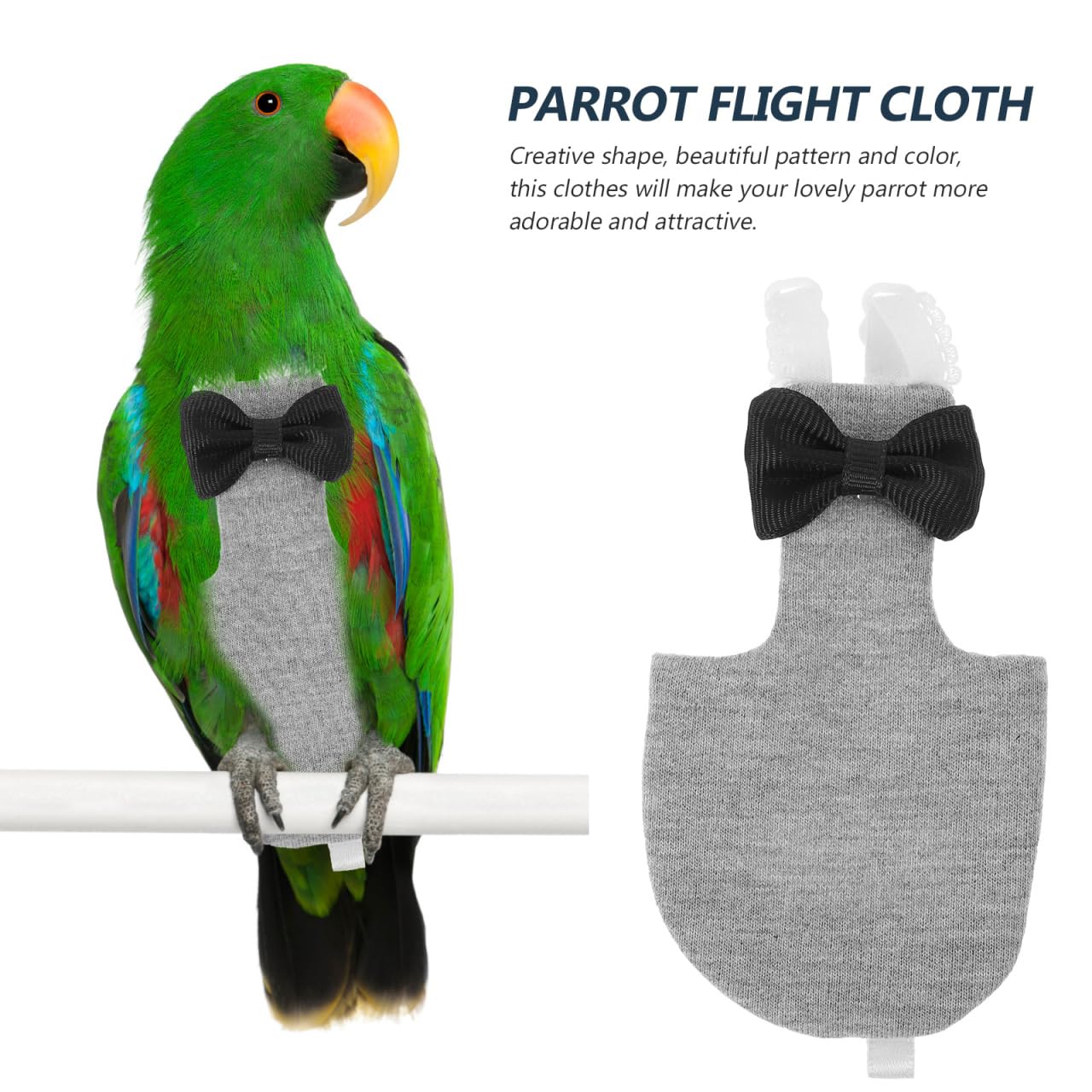
Credit: www.amazon.co.uk
Measuring Your Bird
Measuring your bird correctly is the first step to making perfect clothes. A good fit keeps your bird comfortable and safe. It also helps avoid tight spots or loose areas that can cause problems. Taking accurate measurements ensures your bird’s outfit looks great and fits well.
Key Measurements To Take
- Neck circumference – measure around the base of the neck.
- Chest circumference – measure the widest part of the chest.
- Back length – measure from the base of the neck to the start of the tail.
- Wing length – measure from the shoulder to the tip of the wing.
- Body width – measure across the bird’s body at its widest point.
Tips For Accurate Measuring
- Use a soft measuring tape for flexibility.
- Keep your bird calm and relaxed during measuring.
- Measure twice to avoid mistakes.
- Ask someone to help hold the bird gently.
- Write down each measurement immediately.
Adjusting Patterns For Different Birds
Birds come in many shapes and sizes. Adjust patterns to match your bird’s unique body. Add extra room for larger birds to move freely. For smaller birds, reduce pattern size carefully. Check wing and tail lengths for special fits. Always try a test garment before final sewing.
Basic Sewing Techniques
Basic sewing techniques lay the foundation for making bird clothes. These skills help you create neat, durable, and comfortable outfits for your feathered friends. Learning simple stitches and how to use a sewing machine saves time and improves your work. Hand sewing remains useful for small details and delicate areas. Practice these techniques to gain confidence and enjoy the creative process.
Simple Stitches For Beginners
Start with easy stitches like the running stitch and backstitch. The running stitch moves in and out of the fabric in a straight line. It works well for light seams and gathering fabric. The backstitch is stronger, with stitches overlapping slightly. Use it to sew seams that need extra strength.
- Running stitch: quick and basic
- Backstitch: strong and secure
- Whipstitch: perfect for closing edges
- Slip stitch: invisible, good for hems
Using A Sewing Machine
A sewing machine speeds up the sewing process. It creates even stitches and strong seams. Choose a straight stitch setting for bird clothes. Use lightweight thread and a fine needle to avoid damaging fabric. Keep the fabric flat and guide it gently. Practice on scrap fabric to adjust tension and stitch length.
Hand Sewing Tips
Use sharp, small needles for better control. Cut thread to a comfortable length to avoid tangles. Knot the thread securely before starting. Hold fabric steady with one hand while sewing with the other. Take small, even stitches to keep seams neat. Rest your hands often to prevent fatigue.

Credit: www.attachmentmummy.com
Creating Patterns
Creating patterns is a key step in making clothes for birds. Patterns serve as blueprints for cutting fabric pieces that fit your bird well. A good pattern ensures comfort and ease of movement. Patterns can be made from scratch or adapted from existing designs. This section explains how to draft, use, and modify patterns for bird clothes.
Drafting Custom Patterns
Start by measuring your bird carefully. Measure the chest, neck, length, and wing span. Use a soft tape measure for accuracy. Draw shapes on paper to match these measurements. Include extra space for seams and movement. Sketch the main parts: body, sleeves, and neck area. Use simple shapes like rectangles and ovals. Cut out the paper shapes to create your pattern pieces. Test the pattern by placing it on fabric and checking the size.
Using Templates
Templates are pre-made shapes that help speed up the process. You can find free or paid bird clothing templates online. Print and cut them out to use as stencils. Place the template on your fabric and trace around it. Templates work well for standard sizes and simple designs. They save time and reduce mistakes. Use templates as a guide but be ready to adjust them for your bird’s unique shape.
Modifying Patterns For Fit
Birds come in many sizes and shapes. Adjust patterns to fit your bird’s body perfectly. Add or remove fabric width to avoid tightness or looseness. Lengthen or shorten pieces to match your bird’s posture. Use pins or clips to hold fabric and test the fit. Make small changes and try the garment on your bird gently. Keep notes of changes for future projects. Proper fit improves comfort and keeps your bird happy.
Assembling The Outfit
Assembling bird clothes requires patience and careful attention to detail. This process shapes fabric into a comfortable, stylish outfit for your feathered friend. Each step builds on the last to create a perfect fit. Focus on precision and neatness to ensure the clothes look great and stay secure.
Cutting Fabric Pieces
Start by choosing soft, lightweight fabric. Use scissors to cut pieces according to your pattern. Cut slowly to keep edges smooth. Mark fabric with chalk for accuracy. Remember to leave extra fabric for seams. Arrange pieces neatly before sewing to avoid confusion.
Sewing Pieces Together
Pin fabric pieces in place before sewing. Use a needle and thread or a sewing machine. Sew with small, even stitches to make seams strong. Keep stitches tight but flexible for bird movement. Check seams often to avoid mistakes. Turn the outfit inside out after sewing for a clean finish.
Adding Fasteners And Embellishments
Attach small fasteners like Velcro or snaps for easy wear. Make sure fasteners are secure but gentle on the bird’s skin. Avoid buttons or anything sharp. Add simple decorations like ribbons or small fabric flowers. Keep embellishments light and safe for your bird. Test the outfit on your bird to check comfort and fit.
Decorating Bird Clothes
Creating bird clothes requires soft, lightweight fabric and simple patterns to ensure comfort. Focus on easy sewing techniques that fit your bird’s size well. Small decorations can add charm without restricting movement.
Decorating bird clothes can be a delightful way to express your creativity while ensuring your feathered friend looks charming and stylish. Whether you’re adding a splash of color or some sparkle, it’s essential to prioritize your bird’s comfort and safety. Let’s explore some fun and safe ways to add flair to your bird’s wardrobe.Safe Decorations To Use
When it comes to decorating bird clothes, safety should always be your top priority. Opt for non-toxic materials to ensure your bird’s health is never compromised. – Fabric Paints: Choose non-toxic fabric paints specifically designed for pets. These are safe if your bird decides to nibble on their outfit. – Embellishments: Use soft, lightweight embellishments like felt or cotton patches. Avoid small parts that could be swallowed. – Fastenings: Velcro or soft snaps are preferable over buttons or zippers, which can be hazardous. Have you ever tried adding a bright felt patch to your bird’s vest? It’s a simple and safe way to add some character!Painting And Dyeing Techniques
Adding color to bird clothes can make them pop and showcase your bird’s personality. Use paints and dyes that won’t irritate your bird’s skin. – Natural Dyes: Consider using natural dyes from fruits and vegetables. They offer gentle hues and are safe for birds. – Stenciling: Use stencils to create consistent patterns. This technique is easy and can transform plain fabric into something lively. – Color Blocking: Experiment with bold color blocks. This technique is visually striking and easy to achieve with masking tape. Imagine the joy of seeing your bird in a custom-designed outfit that matches your creativity!Adding Accessories
Accessories can elevate your bird’s outfit to a whole new level. However, they should be chosen with care to avoid any discomfort or hazards. – Scarves and Bandanas: Light scarves or bandanas can add flair without weighing down your bird. – Miniature Hats: If your bird is comfortable, a small, soft hat can be a fun addition. – Jewelry: Opt for lightweight, non-metal beads if you want to add a bit of sparkle. Consider the balance between style and safety. Would your bird be comfortable with a small accessory, or is simplicity better? Observing your bird’s reaction can guide your choices. With these tips, you’re well on your way to creating stylish, safe, and comfortable bird clothes. What unique designs will you dream up for your feathered friend?Fitting And Adjustments
Check the bird’s size carefully to ensure a comfortable fit. Adjust seams and straps gently for ease of movement. Small changes can prevent chafing and keep the bird happy.
Fitting and adjusting bird clothes ensures a perfect fit and comfort. Birds have unique shapes, making fitting essential. Proper adjustments help your bird feel comfortable and safe. Let’s explore the steps for fitting and adjustments.Trying Clothes On Your Bird
Begin by gently placing the clothes on your bird. Allow them to get used to the new feel. Observe their reactions closely. Ensure they can move freely. Check for any signs of discomfort. If the clothes are too tight, your bird may become stressed.Making Necessary Alterations
Adjusting clothes involves some creativity. Use simple tools like scissors or sewing kits. Trim any excess fabric for a better fit. Check the seams and fastenings. Ensure they are secure but not too tight. Consider adding Velcro for easy adjustments. Keep alterations simple and bird-friendly.Ensuring Comfort And Safety
Comfort is key for your bird’s happiness. Ensure the fabric is soft and breathable. Avoid materials that can irritate their skin. Check for loose threads or small parts. These can pose choking hazards. Make sure the clothes do not restrict movement. Prioritize your bird’s safety in every step.Care And Maintenance
Proper care and maintenance help extend the life of bird clothes. Keeping them clean and well-stored prevents damage. Small repairs stop minor problems from growing bigger. These steps keep bird clothes safe and comfortable for your feathered friend.
Cleaning Bird Clothes
Use mild soap and warm water to clean bird clothes. Avoid harsh chemicals that can harm birds. Gently hand wash to keep fabric soft and intact. Rinse well to remove all soap. Let clothes air dry completely before use.
Storage Tips
Store bird clothes in a cool, dry place. Avoid direct sunlight to prevent fading. Use breathable bags or containers to stop moisture buildup. Keep clothes away from sharp objects that can tear fabric. Organize clothes by size and type for easy access.
Repairing Wear And Tear
Check bird clothes often for holes or loose threads. Use needle and thread to fix small tears quickly. Replace any broken fasteners like buttons or Velcro. Patch larger holes with fabric pieces to keep clothes functional. Timely repairs help avoid costly replacements.
Creative Outfit Ideas
Creating bird clothes opens up a world of fun and creativity. You can design outfits that reflect the seasons, celebrate holidays, or simply brighten your bird’s everyday life. Thinking beyond just function, your bird’s wardrobe can become a playful expression of personality and style.
Seasonal Themes
Seasonal outfits give you a chance to match your bird’s clothes with the weather or nature’s colors. Think soft pastels for spring or warm, cozy knits for winter. Using light fabrics during summer ensures your bird stays cool and comfortable.
Consider adding small accessories like tiny scarves for fall or floral patterns for spring. These touches not only look adorable but also show your attention to detail. How might you use colors and textures to reflect each season uniquely?
Holiday Costumes
Holiday costumes let your creativity shine while making special occasions even more festive. From Halloween pumpkin suits to Christmas elf hats, the options are endless. You can use safe, soft materials and simple fastenings to keep your bird comfortable.
Try designing a small Santa jacket or a Valentine’s Day heart-themed vest. These outfits make great photo moments and can even help your bird feel part of the celebration. What holiday outfit would your bird rock best this year?
Everyday Wear Designs
Everyday bird clothes should combine style with comfort. Simple tees, vests, or lightweight sweaters work well for daily use. Choose breathable fabrics and easy-to-wear designs that don’t restrict movement.
You might add pockets or subtle patterns to make the outfit interesting without overwhelming your bird. Small details like buttons or contrasting trims can turn a basic outfit into a charming piece. What simple design could brighten your bird’s daily routine?

Credit: www.leoalmanac.org
Frequently Asked Questions
What Materials Are Best For Making Bird Clothes?
Use lightweight, breathable fabrics like cotton or felt. Avoid heavy or synthetic materials that restrict movement. Soft fabrics ensure comfort and prevent irritation for birds.
How Do I Measure A Bird For Custom Clothes?
Measure the bird’s chest, neck, and wingspan gently. Use a flexible tape measure. Accurate measurements ensure a comfortable and secure fit for bird clothes.
Can Bird Clothes Help Protect Birds From Cold?
Yes, bird clothes provide warmth during cold weather. They help maintain body heat and protect against wind chill. Properly fitted clothes keep birds cozy and safe.
Are Bird Clothes Safe For All Bird Species?
Not all species need clothes; small, tame birds benefit most. Ensure the design allows free movement and avoids choking hazards. Always prioritize the bird’s comfort and safety.
Conclusion
Making clothes for birds can be a fun and creative activity. It helps keep your bird warm and comfortable in cold weather. Use soft, safe materials and measure your bird carefully. Simple designs work best to avoid stress or injury.
Always watch your bird’s behavior when it wears clothes. With patience and care, you can create cozy outfits that your feathered friend will enjoy. Start small, learn as you go, and enjoy the process. Your bird will thank you with happy chirps and bright eyes.




