
If you love watching birds visit your feeders but find deer crashing the party, you’re not alone. Deer can be persistent and hungry guests, often leaving your bird feeders empty and damaged.
But don’t worry—there are simple and effective ways to keep deer out without harming them. You’ll discover easy tips and tricks that will protect your feeders and let the birds enjoy their meals in peace. Keep reading to learn how you can solve this common backyard problem quickly and easily.

Credit: growitbuildit.com
Why Deer Visit Bird Feeders
Deer are curious and opportunistic creatures. If you have bird feeders in your yard, you might notice deer paying unexpected visits. Understanding why deer are drawn to bird feeders is the first step in keeping them away without harming your feathered friends’ food supply.
Attraction To Seeds And Feed
Birdseed is like a free buffet for deer. They are especially attracted to high-energy seeds such as sunflower seeds and corn. These seeds provide an easy source of calories, especially during colder months when natural food is scarce.
Deer don’t just eat seeds; they are also drawn to any spilled feed on the ground. If your feeder drops seeds, it creates a magnet for deer, making your yard a regular dining spot. Have you noticed more deer activity after refilling your feeders?
Common Deer Behavior Near Feeders
Deer are cautious but persistent visitors. They usually approach feeders at dawn or dusk when they feel safest. You might see them standing still, listening, and watching before they start nibbling on seeds or plants nearby.
Some deer learn to jump or reach up to access feeders. They can become quite clever in getting to the food, especially if it’s easy to reach. Watching their behavior can help you spot patterns and adjust your feeder placement or protection methods accordingly.
Choosing Deer-resistant Feeders
Choosing the right deer-resistant feeder is key to enjoying birdwatching without constantly battling hungry deer. The right design and materials can make a huge difference in keeping deer away while still inviting your feathered friends. Let’s look at how you can select feeders that are less appealing or harder for deer to reach.
Designs That Deter Deer
Look for feeders with features that make it difficult for deer to access the food. Feeders enclosed in cages or made with narrow perches limit the space available for deer to reach the seed.
Some feeders have weight-sensitive perches that close access when a heavier animal, like a deer, steps on them. This clever design tricks the feeder into thinking it’s not for them.
Have you noticed how deer avoid feeders suspended from thin wires? Hanging feeders that sway can discourage deer, who prefer stable footing. Try placing feeders on poles with baffles — those round or cone-shaped guards prevent deer from climbing up.
Materials And Placement Tips
Sturdy, durable materials are essential. Metal feeders stand up better against deer than plastic, which they can chew through. A feeder made from heavy-gauge steel or powder-coated aluminum can resist damage and last longer.
Placement matters just as much as design. Position feeders away from shrubs or fences that deer can use as launching points. Open spaces where deer feel exposed are less attractive to them.
Try mounting feeders at least 5 feet high and 10 feet away from jumping-off spots like walls or trees. This forces deer to make a difficult leap, which most avoid.
Physical Barriers To Protect Feeders
Keeping deer away from your bird feeders can feel like a constant battle. Physical barriers offer a straightforward way to protect your feeders without harming wildlife. These barriers create a clear boundary that deer find difficult to cross, allowing your feathered friends to enjoy the food in peace.
Using Fencing And Screens
Installing a fence around your bird feeder is one of the most effective ways to block deer access. A fence should be at least 8 feet tall, since deer can jump surprisingly high. Using solid or mesh screens can also help by blocking the feeder from direct view, making it less tempting for deer to approach.
Consider materials like wire mesh or wooden panels for durability. Make sure there are no gaps or weak spots where deer can squeeze through. You might also try adding a gate with a secure latch to keep the area enclosed.
Placement Strategies To Limit Access
Where you place your bird feeder matters a lot. Position your feeders away from garden beds or shrubs that deer use as cover. If deer feel exposed, they’re less likely to venture near.
Try hanging feeders on poles with smooth, slippery surfaces that deer can’t climb. Adding a baffle—a dome or cone around the pole—can stop deer from reaching up to the feeder. Have you checked your feeder’s location recently to see if deer paths cross nearby?
Natural Repellents And Scents
Deer often wander into backyards, seeking out bird feeders. Using natural repellents and scents can help keep them at bay. These methods are safe and eco-friendly. They deter deer without harming them or the environment. Explore various options to protect your bird feeders.
Plants That Discourage Deer
Certain plants naturally repel deer. These plants have strong scents or tastes deer dislike. Planting them near feeders can help. Here are some examples:
- Lavender:Its strong scent keeps deer away.
- Marigolds:Their pungent smell deters deer.
- Sage:Deer avoid its bitter taste.
- Mint:Its overpowering aroma is unappealing to deer.
These plants serve as a natural barrier. They enhance your garden’s beauty while offering protection.
Homemade And Commercial Repellents
Homemade repellents are cost-effective solutions. Mix ingredients like garlic, eggs, or hot pepper. Spray the mixture around your feeders. Deer dislike these strong odors and tastes.
Commercial repellents are also available. They come in sprays, granules, or liquid forms. Choose products specifically designed for deer. Always follow application instructions for best results.
Both homemade and commercial options provide reliable protection. Use them regularly to keep deer from your bird feeders.
Feeding Timing And Techniques
Proper feeding timing and techniques help keep deer away from bird feeders. Adjusting when and how you refill feeders reduces deer visits. Small changes make a big difference.
Best Times To Refill Feeders
Refill feeders early in the morning or late in the evening. Deer are less active during these times. Avoid refilling at dusk or dawn when deer roam more. This timing helps limit deer access to fresh seeds.
Choose times when birds are most active. Early morning refills attract birds quickly. Deer usually stay hidden then. This simple step protects your feeder supply.
Reducing Spilled Seeds
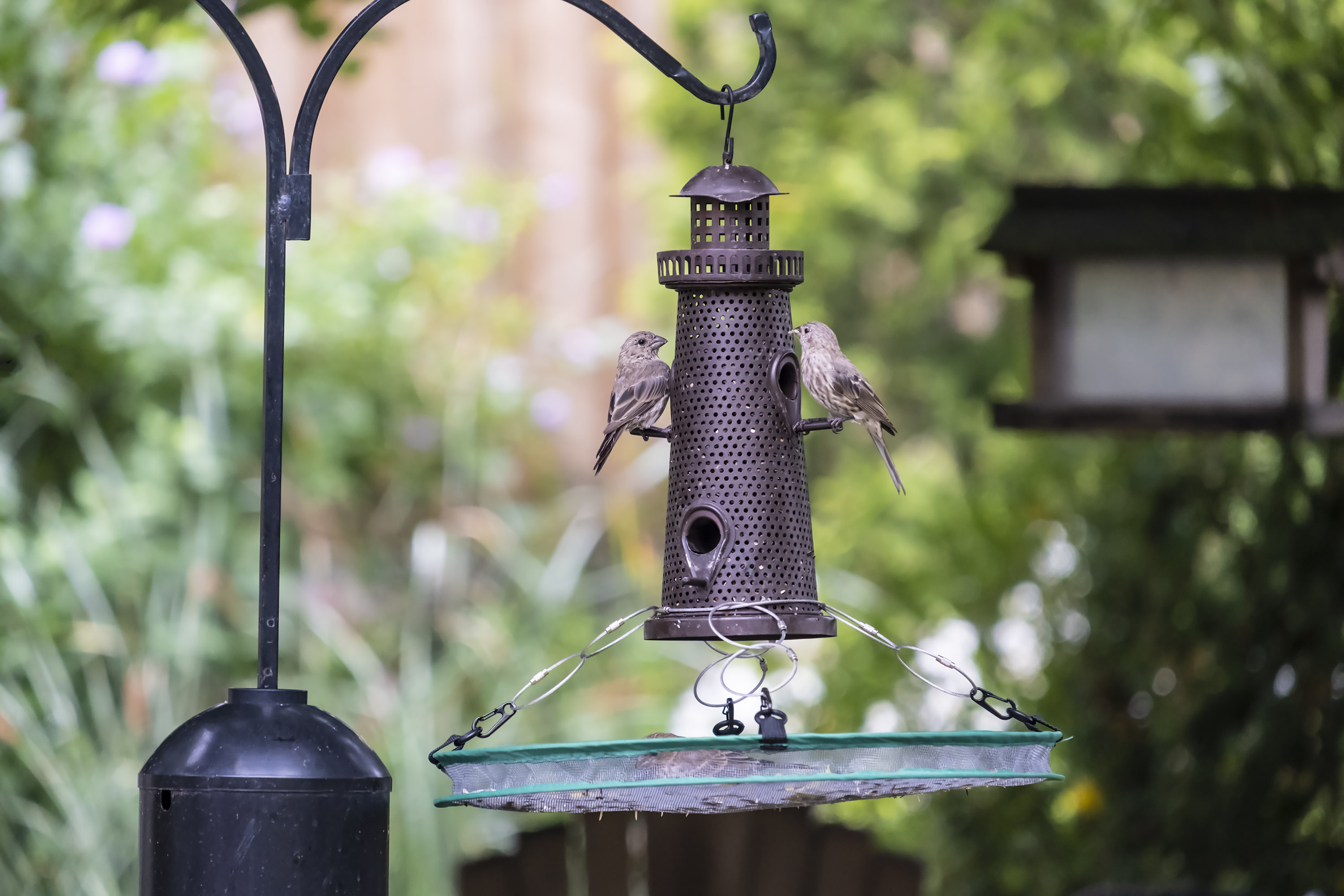
Spilled seeds attract deer and other wildlife. Use seed trays to catch falling seeds. Clean up seed spills around feeders daily. This practice stops deer from finding easy meals.
Try using feeders with smaller openings. These reduce seed scatter on the ground. Less spilled seed means less chance for deer to feed. A tidy feeding area helps keep deer away.
Credit: dengarden.com
Alternative Deer Feeding Options
Providing alternative feeding options for deer helps protect bird feeders. It keeps deer busy and away from bird food. Deer need their own space and food sources. This reduces damage to feeders and keeps birds safe.
Creating Separate Feeding Areas
Set up a feeding spot just for deer far from bird feeders. Use large containers or troughs to hold deer food. Choose natural deer favorites like corn, apples, or carrots. Place this area near shrubs or trees for cover. This makes deer feel safe and encourages them to stay there. Keep the feeding spot clean to avoid attracting unwanted animals.
Using Deer Attractants Away From Feeders
Deer attractants lure deer to specific spots. Use scents or sprays that deer like near their feeding areas. Avoid placing attractants near bird feeders. This stops deer from wandering close to bird food. Rotate attractants often to keep deer interested. Combining attractants with separate feeding areas works well. It guides deer away and protects the birds.
Monitoring And Maintenance
Keeping deer away from bird feeders requires ongoing attention. Monitoring and maintenance help ensure your efforts stay effective. These actions prevent deer from becoming regular visitors at your feeder. Staying proactive saves time and protects your bird food supply.
Regular Feeder Checks
Inspect your feeder often for signs of deer activity. Look for footprints or nibbled food around the base. Check the feeder’s height and position to keep it out of reach. Clean spilled seeds and debris to avoid attracting deer. Tighten any loose parts that deer might use to climb. Regular checks let you catch problems early and adjust quickly.
Adjusting Strategies Over Time
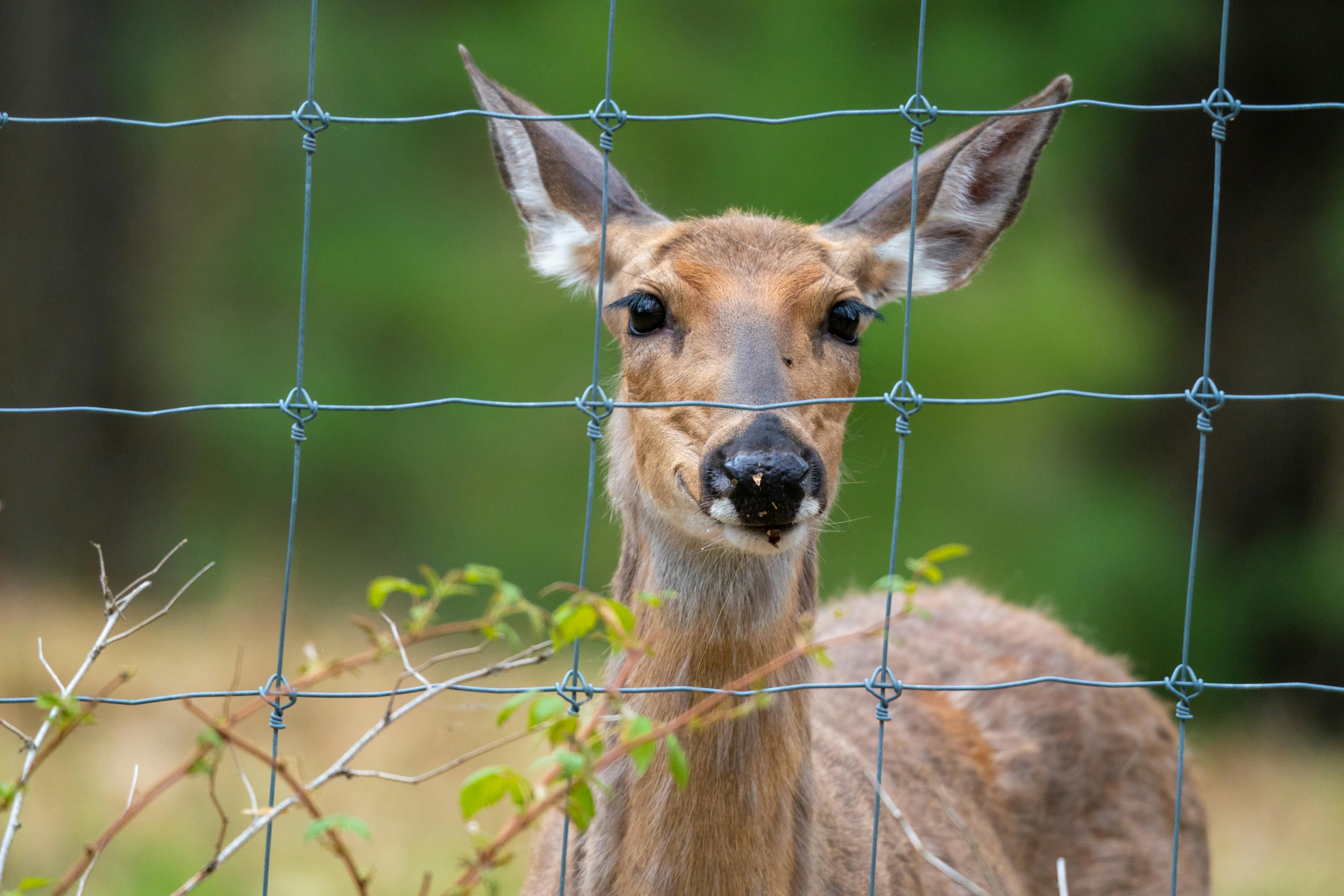
Deer can get used to one method, so change tactics regularly. Move feeders to different spots in your yard. Try adding deer repellents or physical barriers if needed. Switch the type of birdseed to less appealing varieties for deer. Observe which changes work best and keep improving your setup. Flexibility makes it harder for deer to find ways in.
Credit: deerbusters.com
Frequently Asked Questions
How Can I Stop Deer From Eating Bird Seed?
Use deer-resistant feeders and place them on tall poles. Adding physical barriers like fencing helps. Choose seed types deer dislike, such as safflower or nyjer. Regularly move feeders to confuse deer and keep them away.
What Plants Repel Deer Near Bird Feeders?
Plant deer-repellent plants like lavender, rosemary, and marigolds near feeders. These plants have strong scents that deer avoid. Adding these around your feeding area creates a natural barrier. It helps keep deer away without harming birds.
Are There Safe Deer Repellents For Bird Feeders?
Yes, commercial deer repellents are safe for birds. Use those made from natural ingredients like garlic or hot pepper. Spray repellents around feeders but avoid spraying directly on seeds. Reapply often, especially after rain, for best results.
Can Fencing Effectively Keep Deer From Bird Feeders?
Yes, fencing is one of the most effective ways to keep deer out. Use tall, sturdy fences at least 8 feet high. Make sure there are no gaps for deer to squeeze through. Fencing protects feeders and nearby plants.
Conclusion
Keeping deer away from bird feeders takes simple, smart steps. Use physical barriers or place feeders in tricky spots. Try using deer-resistant plants near your feeder for extra help. Regularly check and adjust your setup as needed. Small changes can save your bird food and keep deer happy elsewhere.
Enjoy watching birds without worrying about deer visits. Patience and consistency work best to protect your feeders.




