
Are birds constantly making a mess around your house? Their droppings, noise, and nests can quickly turn your peaceful space into a daily frustration.
You want to enjoy your home without worrying about unwanted feathered visitors. Luckily, there are simple and effective ways to keep birds away for good. You’ll discover practical tips that work, helping you reclaim your space and protect your property.
Keep reading to find out how you can say goodbye to those pesky birds once and for all.
Credit: www.callnorthwest.com
Common Bird Problems At Home
Birds are a common sight around many homes, but their presence can sometimes lead to frustrating problems. Understanding the nature of these issues is the first step toward managing them effectively. Let’s look at the types of birds you might encounter and the risks they pose to your property and health.
Types Of Birds Around Houses
Some birds are frequent visitors, while others may settle permanently. Common species include:
- Pigeons:Often found in urban areas, they roost on ledges and rooftops.
- House Sparrows:Small and noisy, they nest in eaves and vents.
- Starlings:Known for large flocks, they can quickly overwhelm an area.
- Seagulls:More common near coastal homes, but they can venture inland.
Recognizing which bird is causing trouble helps you tailor your approach. Have you noticed droppings or nests in specific spots? Identifying the bird often reveals its habits and preferences.
Risks And Damage Caused By Birds
Birds can cause more than just a mess. Their droppings are acidic and can damage paint, metal, and wood surfaces over time. This leads to costly repairs if left untreated.
Besides property damage, bird droppings can carry diseases harmful to you and your family. Allergies and respiratory issues may arise from prolonged exposure.
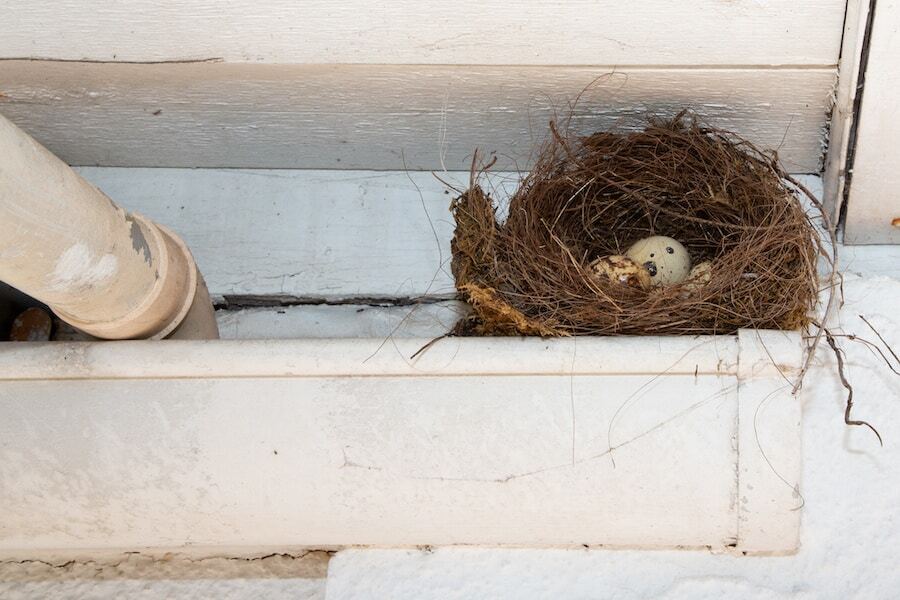
Birds also tend to build nests in gutters, chimneys, and vents, causing blockages and fire hazards. Noise and aggressive behavior during nesting season can disrupt your peace at home.
Have you ever considered how bird activity might be affecting your home’s safety and comfort? Taking action early can save you from bigger problems down the road.

Credit: www.angi.com
Preventing Birds From Nesting
Preventing birds from nesting around your home helps avoid damage and mess. Birds build nests in quiet, sheltered spots. Stopping them early keeps your property clean and safe.
Focus on making your house less attractive for nesting. Block access and remove anything that invites birds to stay.
Sealing Entry Points
Check your home for small holes and gaps. Birds can enter through vents, eaves, and cracks. Use wire mesh or caulk to close these openings. This stops birds from getting inside walls or attics.
Removing Food Sources
Birds nest where food is easy to find. Keep garbage bins sealed tight. Clean up fallen fruit and seeds from your yard. Avoid feeding birds near your house. Without food, birds will look elsewhere for shelter.
Using Bird Spikes And Nets
Bird spikes block landing spots on ledges and roofs. Nets cover larger areas like balconies or gardens. Both tools create physical barriers. They stop birds from settling or building nests on your property.
Non-harmful Bird Deterrents
Keeping birds away from your home doesn’t have to involve harm or complicated measures. Non-harmful bird deterrents work by making your space uncomfortable or uninviting for birds, encouraging them to find other places to perch. These methods protect both your property and the birds themselves.
Visual Deterrents
Birds rely heavily on their sight, so visual deterrents can be very effective. Items like reflective tape, shiny CDs, or even fake predators such as plastic owls or hawks can scare birds away.
I once hung reflective tape around my garden, and within days, the number of birds landing there dropped noticeably. The constant movement and light reflections confuse and frighten them without causing any harm.
- Use reflective tape that moves in the wind to catch sunlight.
- Place predator decoys near bird-prone areas, but move them occasionally to maintain effectiveness.
- Install garden spinners or pinwheels to add motion that birds dislike.
Sound Devices
Sound deterrents use noises that birds find disturbing or threatening, encouraging them to leave the area. These devices emit predator calls, distress signals, or high-frequency sounds that humans barely hear.
After trying a sound device near my porch, I noticed fewer birds gathering early in the morning. It’s important to vary the sounds or timing, so birds don’t get used to them.
- Choose sound devices that mimic natural predator calls.
- Use timers to turn devices on and off at different times.
- Consider ultrasonic devices for discreet, human-friendly noise.
Natural Repellents
Natural repellents use scents or tastes that birds dislike, without harming them. Common options include essential oils like peppermint, or plants such as lavender and marigold that birds tend to avoid.
I sprinkled crushed chili peppers around my window sills, and birds stopped perching there. The spicy scent deters birds but doesn’t affect people or pets when used carefully.
- Apply essential oils diluted in water as a spray around entry points.
- Plant bird-repelling herbs and flowers near your home.
- Use safe, natural powders like crushed chili or garlic powder to create barriers.
Are you ready to try these gentle yet effective methods to keep birds away without causing harm? Sometimes, a little creativity and patience can make your home a less attractive spot for unwanted feathered visitors.
Safe Bird Removal Techniques
Safe bird removal techniques focus on protecting both you and the birds. These methods avoid harm while encouraging birds to leave your property peacefully. Using the right approach can prevent damage and maintain a healthy environment around your home.
Humane Traps
Humane traps catch birds without causing injury. These traps are designed to hold birds gently until you can release them. You can find traps that fit specific bird sizes, ensuring only the unwanted birds are caught.
Place traps near the areas where birds gather most, such as near feeders or nesting spots. Bait them with food birds like, such as seeds or fruits, to attract them inside. Once caught, check traps frequently to avoid stressing the birds.
Have you ever thought about how often trapped birds need care? Quick release is key to reduce their stress. Always handle birds with care and wear gloves to protect yourself and the animals.
Relocation Methods
After safely trapping birds, you need to relocate them properly. Choose a release site far enough from your home to prevent their return, ideally in a natural area with ample food and shelter. This step is crucial for the birds’ survival and your long-term solution.
Relocation works best during calm weather and daylight hours. Avoid releasing birds in extreme heat or cold, as they might struggle to adapt. You can also call local wildlife experts for advice on the best relocation spots.
Have you considered the impact of relocating birds on local ecosystems? Moving birds to a similar habitat helps them adjust quickly and reduces the risk of spreading diseases. Always aim for a balance that protects both your home and the bird community around you.
Maintaining A Bird-free Environment
Maintaining a bird-free environment around your house helps protect your property and keeps your space clean. Birds can cause damage to roofs, gutters, and outdoor furniture. Their droppings may carry diseases and create unpleasant odors. Regular efforts are necessary to discourage birds from settling near your home.
Regular Cleaning
Clean bird droppings and nests promptly. This removes food sources and nesting material. Sweep patios, balconies, and windowsills often. Remove leftover pet food and fallen fruits. Clean gutters to prevent water buildup that attracts birds. Dispose of trash in sealed containers. A clean area feels less inviting to birds.
Landscape Management
Trim trees and bushes near your house. This limits hiding and roosting spots for birds. Remove dense shrubs close to doors and windows. Avoid planting fruit-bearing trees near the house. Use thorny plants in key areas to deter birds. Keep grass short to reduce insects that attract birds. Manage water sources by fixing leaks and draining puddles.

Credit: emktermitepest.com.au
Legal And Ethical Considerations
Respect wildlife laws and ethical guidelines to avoid harm to birds. Use humane deterrents like nets or spikes. Ensure methods are safe and legal in your area.
Understanding the legal and ethical considerations when trying to get rid of birds around your house is crucial. Birds are an essential part of our ecosystem, and their presence can be both beneficial and challenging. Before taking any action, it’s important to be aware of the laws that protect certain species and ensure that your methods are both humane and effective.Protected Bird Species
Some bird species are protected by law, and harming or disturbing them could lead to fines or legal issues. For instance, many birds are protected under the Migratory Bird Treaty Act in the United States. This act makes it illegal to kill, capture, or sell many bird species without a permit. It’s important to identify the birds around your home and determine if they are protected. Misidentifying a bird could lead to unintended consequences. Consider using field guides or bird identification apps to help you learn more about the species in your area.Local Wildlife Regulations
Local regulations can vary significantly, so it’s essential to check with your local wildlife agency or government office. They can provide guidance on what actions are permissible and what require special permissions or permits. In some areas, certain deterrents might be banned or restricted. For example, using loud noise devices or chemical repellents may not be allowed. Always ensure that your methods align with local laws to avoid any potential fines or penalties. Ethically, consider non-lethal methods such as installing bird spikes, using reflective tape, or setting up decoys. These methods can effectively deter birds without causing them harm. Are you considering all ethical options before taking action? Your choices can make a significant difference in the well-being of local wildlife.Frequently Asked Questions
How Can I Safely Deter Birds From My House?
Use bird spikes, reflective tapes, and decoys to deter birds safely. Avoid harmful chemicals. Regularly clean areas to remove food sources and nesting materials.
What Are Natural Ways To Keep Birds Away?
Plant bird-repellent herbs like mint or use garlic spray. Install wind chimes or reflective objects that scare birds naturally without harm.
Why Do Birds Gather Around My House?
Birds are attracted by food, water, shelter, or nesting spots. Identify and remove these attractants to reduce their presence effectively.
Are Ultrasonic Bird Repellers Effective?
Ultrasonic repellers can work but results vary by bird species. They emit sounds inaudible to humans but disruptive to birds, encouraging them to leave.
Conclusion
Birds near your home can cause problems and mess. Using simple steps helps keep them away safely. Try blocking their spots to land or build nests. Scare them gently with noise or shiny objects. Clean areas where birds gather to remove food and shelter.
Stay patient and consistent to see good results. A quiet, bird-free home is possible with care. Keep your space clean and protected every day. Small efforts make a big difference in bird control.




