
Imagine holding a book that unlocks the vibrant world of birds native to the West Indies right in your hands. You’ll discover colorful feathers, unique songs, and fascinating behaviors that you might have never noticed before.
Whether you’re a beginner or an experienced birdwatcher, this guide will help you spot and identify the amazing birds that make these islands their home. Ready to see the West Indies like never before? Keep reading, and your next birdwatching adventure will be unforgettable.

Credit: www.amazon.com
Birdwatching In The West Indies
Birdwatching in the West Indies offers a unique experience for nature lovers. The region is rich in bird species found nowhere else on Earth. From colorful parrots to rare hummingbirds, the islands present a vibrant birdlife. Many visitors enjoy exploring diverse habitats, from lush forests to coastal wetlands. Each island has its own special birds waiting to be discovered.
Why The West Indies Attracts Birdwatchers
The West Indies is home to many endemic bird species. Its tropical climate supports year-round bird activity. Islands have varied landscapes, creating many bird habitats. Birdwatchers can see rare and colorful birds easily here. The region’s mild weather makes birdwatching comfortable. Friendly local guides help visitors find the best birding spots.
Best Seasons For Birdwatching
Birdwatching is best during dry months with less rain. The period from November to May is ideal. Many migratory birds visit during this time. Breeding season is also easy to spot birds. Early mornings offer the most bird activity. Plan trips around these months for better sightings.
Top Birdwatching Destinations
- Dominica:Known for its lush rainforests and rare parrots.
- Puerto Rico:Offers diverse bird species and easy trails.
- Jamaica:Famous for its endemic hummingbirds and songbirds.
- Barbados:Coastal areas attract many shorebirds and migrants.
- Cuba:Large island with varied habitats and unique birds.
Common Bird Species
The West Indies host a variety of bird species that attract bird watchers and nature lovers. Many of these birds show bright colors and unique behaviors. Some species live only in this region, making them special to see. This guide covers common birds you might spot during your visit. It helps identify and appreciate their beauty and role in the ecosystem.
Colorful Hummingbirds
Hummingbirds in the West Indies shine with vibrant feathers. They are small but fast, known for hovering near flowers. Their bright green, red, and blue colors catch the eye. These birds play a role in pollination. The Ruby-throated Hummingbird and the Cuban Emerald are popular examples.
Tropical Parrots And Parakeets
Parrots and parakeets bring energy and sound to the islands. They have strong, curved beaks and loud calls. Many species nest in tree cavities. The Cuban Parrot and the Hispaniolan Parakeet are common. These birds eat fruits, seeds, and nuts. Their social nature makes them fun to watch.
Unique Endemic Birds
Endemic birds live only in the West Indies. They have adapted to island life over time. Examples include the Puerto Rican Tody and the Jamaican Blackbird. These birds often face threats from habitat loss. Spotting them offers a rare glimpse into island wildlife. Protecting these species helps keep the islands’ natural heritage alive.
Identifying Birds
Spotting birds in the West Indies can be a delightful adventure. The region is home to a colorful array of avian species. Each bird has unique features that make identification easier. This field guide will help you identify birds using key field marks, bird calls, and behavioral traits.
Key Field Marks
Bird identification often starts with observing field marks. Look at the bird’s size and shape. Notice the color patterns and any distinctive markings. Check for unique features like a crest or eye ring. Compare these features with your guide’s illustrations.
Bird Calls And Songs
Birds use calls and songs for communication. Listening to these sounds can help with identification. Each species has a distinct call or song. Learn the common calls of West Indies birds. Many resources offer audio clips for practice.
Behavioral Traits
Observe how birds behave in their natural habitat. Some birds have unique flight patterns. Others might exhibit specific feeding habits. Watching these traits can aid in identification. Birds often return to favorite spots. This can make them easier to find again.

Credit: www.amazon.com
Essential Birdwatching Gear
Having the right gear can transform your birdwatching experience in the West Indies. You want equipment that helps you spot, identify, and enjoy birds without hassle or discomfort. Choosing essentials wisely saves you time and makes every outing more rewarding.
Binoculars And Scopes
Clear vision is crucial when observing the diverse bird species of the West Indies. A pair of lightweight binoculars with at least 8x magnification strikes a good balance between detail and ease of use. Some birdwatchers prefer spotting scopes for distant views, especially near coastal areas where seabirds gather.
Look for binoculars with good lens coating to reduce glare and enhance color contrast. I once missed a rare hummingbird because my binoculars fogged up—don’t let this happen to you. Carry a microfiber cloth and anti-fog spray to keep your optics sharp during humid mornings.
Field Guides And Apps
Identifying birds can be tricky without reliable references. A well-illustrated field guide focused on West Indies birds is invaluable for quick comparison. Compact guides that fit in your bag allow you to check details on the spot.
Mobile apps add another layer of convenience by offering sound recordings, range maps, and community sightings. Try apps like Merlin Bird ID or eBird to log your finds and get instant ID help. How often do you use technology to enhance your outdoor hobbies?
Clothing And Accessories
Comfort and protection matter as much as your gear. Lightweight, breathable clothing helps you stay cool and avoid overheating under the tropical sun. Long sleeves and hats provide essential defense against sunburn and insect bites.
Don’t forget sturdy walking shoes for uneven trails and a small backpack to carry water, snacks, and your gear. I learned the hard way that a sunhat can keep you birdwatching longer without fatigue. What’s your go-to clothing for outdoor adventures?
Ethical Birdwatching Tips
Watching birds in the West Indies offers a unique chance to connect with nature. But your actions can affect the birds and their habitats in ways you might not realize. Ethical birdwatching means making choices that help protect these beautiful creatures while still enjoying your experience.
Respecting Wildlife
Keep a safe distance from birds to avoid stressing them. Use binoculars or a zoom lens instead of trying to get too close. Remember, your presence can cause birds to stop feeding or abandon nests.
Have you ever noticed how some birds quickly fly away when you approach? That’s their way of saying “I feel threatened.” Respecting their space shows you care about their well-being.
Minimizing Disturbance
Stay on marked trails and avoid trampling vegetation. Loud noises and sudden movements can scare birds and disrupt their natural behavior. Move slowly and quietly to blend into the environment.
Try to schedule your birdwatching during less sensitive times, such as outside breeding seasons. This simple step can reduce your impact significantly. How might your timing change the way birds respond to your presence?
Conservation Efforts
Support local conservation groups working to protect bird habitats. You can volunteer, donate, or simply spread awareness about their work. Your involvement helps ensure future generations can enjoy these birds too.
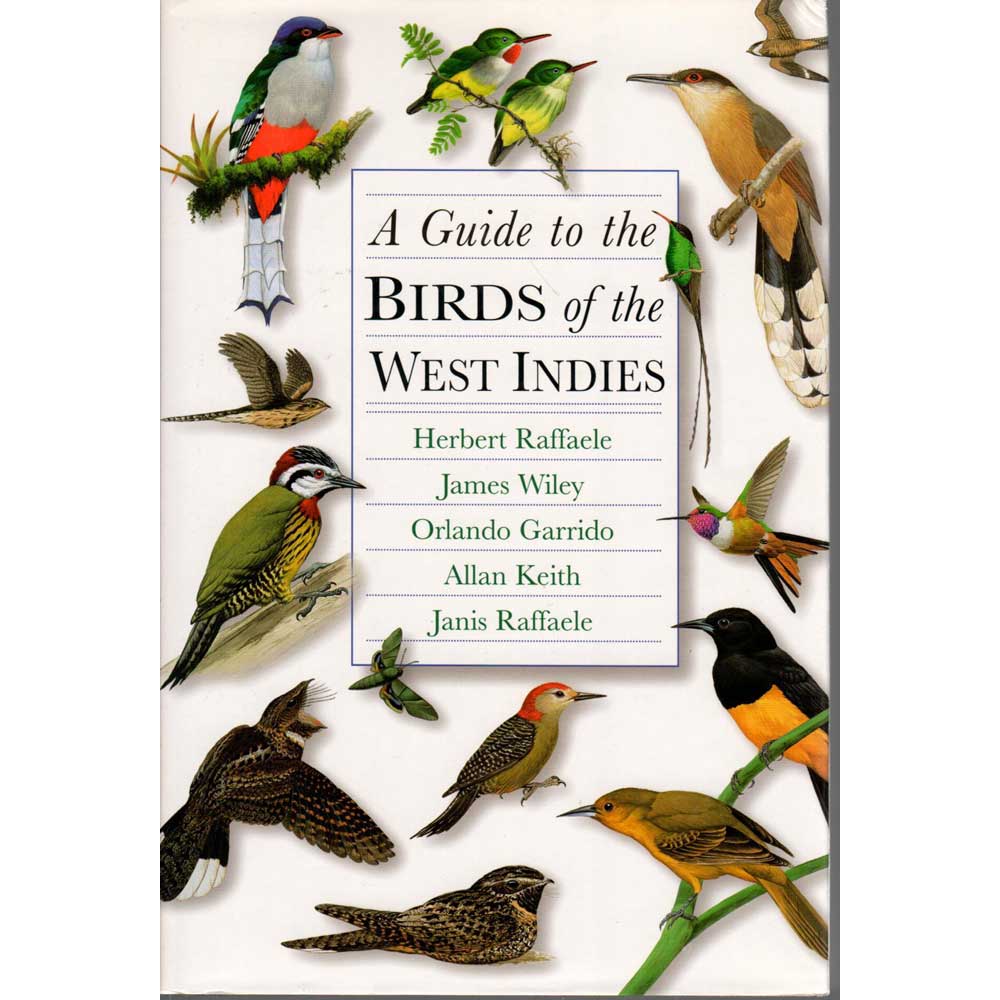
Consider using a field guide like A Field Guide to the Birds of the West Indies to identify species without disturbing them. Knowledge empowers you to make better decisions and advocate for bird protection in your community.
Credit: buteobooks.com
Recording Your Sightings
Recording your bird sightings enriches your birdwatching experience. It helps track your observations and notice patterns over time. Writing details about each sighting sharpens your focus and deepens your connection with nature. There are various ways to keep track of your encounters with West Indies birds, from traditional journals to digital apps. Sharing these records builds community and inspires others.
Keeping A Bird Journal
A bird journal is a simple, powerful tool for recording sightings. Use a notebook to write down the date, location, and bird species. Add notes about behavior, colors, and sounds you notice. Sketches or pressed leaves can make your journal more personal. Journals create a lasting record you can revisit anytime.
Using Digital Tools
Digital tools make logging sightings fast and easy. Birdwatching apps allow you to enter data, upload photos, and tag locations. Many apps have built-in bird guides to help with identification. Some apps even share your sightings with global databases. Smartphones and tablets keep your records organized and accessible on the go.
Sharing With Birdwatching Communities
Sharing your sightings connects you with fellow bird lovers. Join online forums, social media groups, or local bird clubs. Post your observations and photos to get feedback and tips. Community sharing helps spread knowledge about West Indies birds. It also encourages conservation and respect for wildlife.
Frequently Asked Questions
What Bird Species Are Unique To The West Indies?
The West Indies hosts many unique bird species. These include the Puerto Rican Parrot, Cuban Trogon, and Bahama Oriole. These birds are native and often found only in specific islands, making the region a hotspot for birdwatching and biodiversity.
How Can I Identify West Indies Birds In The Wild?
Look for distinctive colors, size, and calls to identify birds. Field guides like “A Field Guide to the Birds of the West Indies” provide detailed descriptions and images. Observing habitats and behaviors also helps in accurate identification.
When Is The Best Time To See Birds In The West Indies?
Birdwatching is best during the dry season, typically from December to April. During this time, birds are more active and visible. Migratory species also arrive, increasing the diversity you can observe.
Are West Indies Birds Endangered Or Protected?
Several West Indies bird species are endangered due to habitat loss and hunting. Conservation efforts and protected areas aim to safeguard these birds. Awareness and responsible tourism help support their survival.
Conclusion
Exploring the birds of the West Indies offers joy and wonder. Each species shows unique colors and sounds. This guide helps you spot and learn about them. Nature’s beauty waits in every island’s sky and trees. Take time to watch, listen, and appreciate these feathered friends.
Bird watching here brings peace and connection with nature. Keep this guide close on your next adventure. Enjoy the simple pleasure of discovering wild birds nearby.




