
Are you looking to boost your car’s safety and parking ease? Installing a Birds Eye View Car Camera can give you a clear, all-around view of your vehicle’s surroundings.
But where exactly should you install this camera to get the best results? Choosing the right spot is crucial—it can mean the difference between avoiding a costly accident and missing a critical blind spot. Keep reading, and you’ll discover the smartest places to install your Birds Eye View Car Camera, helping you drive with confidence every time.

Credit: www.rearviewsafety.com
Benefits Of Birds Eye View Cameras
Birds Eye View cameras provide a clear and complete view around your car. They help drivers see blind spots and tight spaces easily. This technology improves safety and makes parking simpler. Many drivers feel more confident with this extra set of eyes on the road.
These cameras combine images from multiple angles. They create a single overhead view of the car’s surroundings. This view helps avoid obstacles and reduces the risk of accidents. It is especially useful in busy parking lots or narrow streets.
Enhanced Parking Precision
Birds Eye View cameras show exact distances to nearby objects. Drivers can park closer without hitting obstacles. This reduces dents and scratches on the car. It saves time and stress during parking maneuvers.
Improved Safety For Pedestrians And Cyclists
The camera system alerts drivers to people and cyclists near the vehicle. It helps prevent collisions in crowded areas. This feature is important for protecting children and pets around cars.
Better Navigation In Tight Spaces
Drivers can see all sides of the vehicle at once. This helps in narrow roads or crowded parking garages. It lowers the chance of scraping walls or other vehicles.
Reduced Blind Spots
Multiple camera angles cover areas that mirrors cannot show. This coverage helps spot hidden dangers quickly. It increases overall awareness of the car’s environment.
Convenience And Ease Of Use
The system displays a clear, easy-to-understand image on the screen. Drivers do not need to turn their heads or guess distances. It makes driving less stressful and more comfortable.
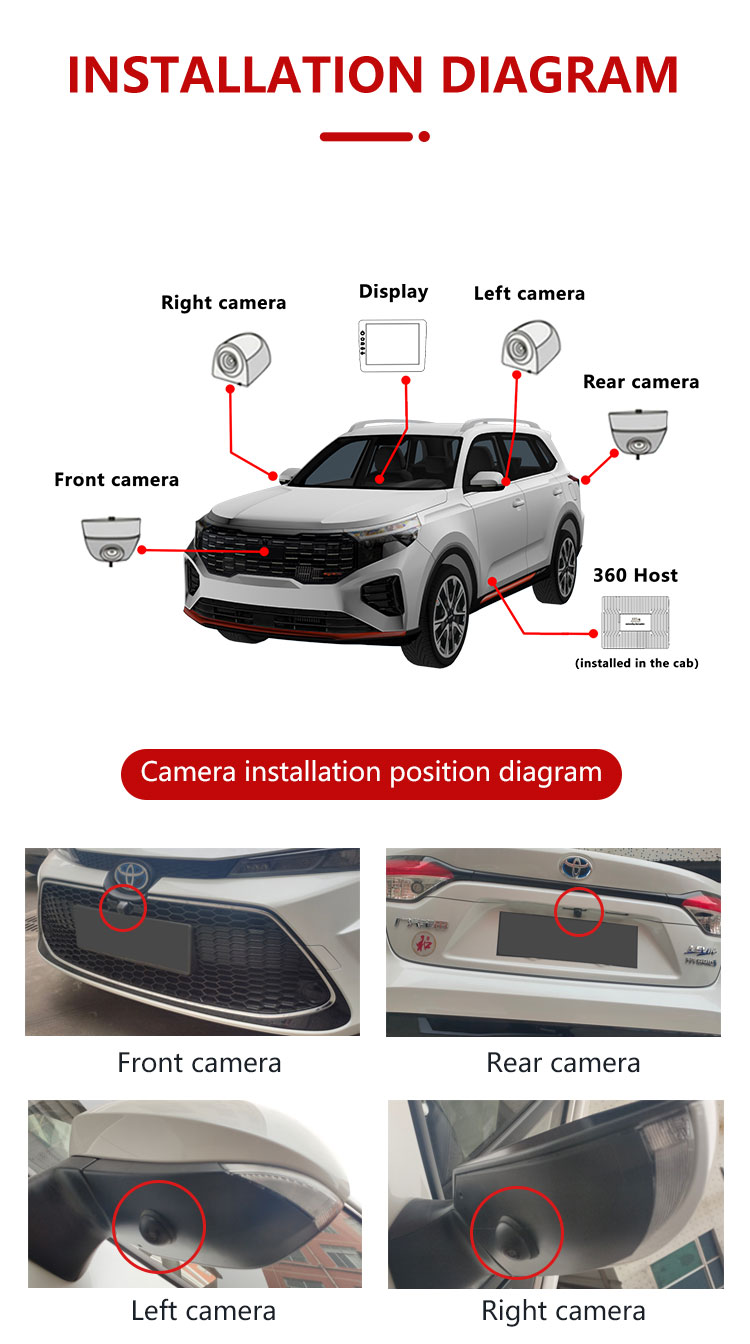
Credit: www.wemaer.com
Key Factors For Camera Placement
Choosing the right place for your Birds Eye View car camera matters a lot. Proper placement ensures clear images and full coverage. It helps avoid missing important details around the vehicle. Several key factors guide where to install the camera for the best results.
Field Of View Coverage
The camera must capture a wide and clear area around your car. Position it where it can see the front, sides, and rear without gaps. A higher spot often works well to cover more space. Ensure the lens is angled correctly to maximize visibility.
Minimizing Blind Spots
Blind spots cause accidents and make parking hard. Place the camera to reduce these invisible zones. Check areas that are hard to see from the driver’s seat. Overlapping views from multiple cameras can help cover these blind spots better.
Avoiding Obstructions
Keep the camera clear of objects that block the view. Avoid placing it near spoilers, mirrors, or thick pillars. Dirt or water can also block the lens, so choose spots less exposed to these. Clean the lens regularly to maintain a clear picture.
Front Camera Placement
Placing the front camera of a birds eye view system correctly is vital. It captures clear images of the road ahead. Proper placement ensures safety and better driving assistance. The camera must cover a wide field of view without blind spots. Positioning affects image quality and usefulness of the system.
Ideal Height And Angle
The front camera should be mounted at a moderate height. Too low makes the view limited to the road surface. Too high may miss important details near the car. The ideal height is usually near the center of the grille or bumper.
Angle the camera slightly downward. This helps capture both the road and nearby obstacles. The angle should avoid glare from the sun or headlights. Adjust the tilt until the entire front area is visible clearly.
Common Mounting Locations
- Behind the front grille, near the car emblem
- On the front bumper, centered and low
- Under the hood edge, facing forward
- Near the license plate area
Choose a spot with a clear, unobstructed view. Avoid locations covered by dirt or water. The camera should be secure and protected from damage. Proper wiring is important for a neat installation.
Rear Camera Placement
Placing the rear camera correctly on your Birds Eye View system is crucial for getting a clear, wide, and useful view of what’s behind your vehicle. The right spot helps avoid blind spots and ensures the camera captures accurate distances. Let’s look at how to find that perfect position and handle the wiring smoothly.
Optimal Positioning
Mount the rear camera just above or near the license plate area. This spot usually offers a straight, unobstructed view of the ground behind your car.
Make sure the lens is angled slightly downward to capture the road surface clearly, not just the horizon. Too high or too flat an angle can give you misleading distance cues.
Check if your vehicle has a rear bumper or trunk lip—placing the camera just under this can protect it from dirt and damage.
Have you noticed how some cameras pick up the rear tires or the lower tailgate? That’s a sign the angle might need adjusting for a better view.
Wiring Considerations
Plan your wiring route carefully to avoid exposure to heat, moisture, or moving parts. Running wires inside the vehicle’s trim or under the rear bumper cover keeps them safe and hidden.
Use wire ties or clips to secure cables firmly and prevent rattling noises while driving. Loose wires can get damaged or affect the camera’s performance.
Remember to connect the power wires to the reverse light circuit. This way, your rear camera activates automatically when you shift into reverse gear.
Have you checked if your vehicle’s electrical system supports the camera’s power needs? A quick voltage check can save you from future headaches.
Side Camera Placement
Side cameras for a bird’s eye view car system fit best on the vehicle’s sides near the mirrors. This placement captures clear side views and helps create a full overhead image. Proper angle and height improve safety and parking ease.
Side camera placement is crucial for a comprehensive bird’s eye view system in your car. These cameras help you see blind spots and obstacles that may not be visible through your side mirrors. Proper placement ensures maximum coverage and enhances your driving safety.Best Spots For Side Views
When choosing where to install your side cameras, consider mounting them on the side mirrors. This spot offers a wide-angle view of the car’s sides, helping you spot cyclists and pedestrians. Alternatively, you can place them slightly lower on the vehicle’s body, near the bottom edge of the doors. This position provides an excellent view of curbs and other low-lying obstacles that could damage your wheels.Securing The Cameras
Once you’ve chosen the ideal spots, securing the cameras is the next step. Use weatherproof adhesive or screws to ensure they remain firmly attached, even in harsh weather. Always double-check the camera angle after installation. Make sure the view is clear and unobstructed by any part of the vehicle. You wouldn’t want a perfectly placed camera to miss crucial details because it isn’t secured correctly.Integrating Cameras With Vehicle Systems
Bird’s eye view cameras work best when placed on the vehicle’s roof or side mirrors. These spots offer a clear, wide view for safer driving and parking. Proper placement helps the camera connect smoothly with the car’s system.
Integrating cameras with vehicle systems can transform your driving experience, offering you a comprehensive view of your surroundings. This integration isn’t just about mounting cameras; it’s about seamlessly connecting them with your vehicle’s existing technology. The right setup can enhance safety and convenience, helping you navigate tight spots and busy streets with ease.Connecting To Display Units
Getting your bird’s eye view camera to communicate with your vehicle’s display unit is crucial. Most modern vehicles come equipped with a central display or infotainment system. Connecting the camera to this system often involves using an RCA or HDMI cable. In some cases, you might need an adapter to make the connection compatible. Check your vehicle’s user manual to find the appropriate input options. If DIY isn’t your style, consider professional installation to ensure everything connects perfectly.Power Supply Options
Providing power to your bird’s eye view camera is another essential step. You can tap into the vehicle’s existing power system, often through the fuse box. This method ensures the camera powers on with the ignition. Alternatively, some prefer to use a separate battery pack, especially for aftermarket systems. This can offer more flexibility but requires regular charging. Whichever option you choose, make sure the power supply is stable to avoid any interruptions. How will you ensure your camera system integrates smoothly with your vehicle? Understanding these components can make the installation process much simpler.Tips For Professional Installation
Installing a Birds Eye View car camera correctly can make all the difference in your driving experience. Professional installation ensures clear images, reliable performance, and safety. Here are some practical tips to help you get it right the first time.
Tools Needed
Having the right tools makes the installation smoother and faster. You will need:
- Phillips and flathead screwdriversto remove panels and secure the camera.
- Wire strippers and crimpersto connect power cables cleanly.
- Electrical tape and zip tiesto keep wires organized and protected.
- Multimeterto test voltage and ensure proper connections.
- Panel removal toolsto avoid damage when taking off interior trims.
Not having these tools can lead to frustration and poor installation quality. Imagine trying to force wires through tight spaces without the right kit—it rarely ends well.
Common Installation Mistakes
Many people overlook simple errors that affect the camera’s function. A frequent mistake is placing the camera where it gets dirty quickly or is obstructed by parts of the car.
Another issue is poor cable management, which can cause wires to get pinched or disconnected over time. Are your cables secured away from moving parts and heat sources?
Also, skipping the step to test the camera system before reassembling the panels can cost you extra time later. Always power up and check the camera view immediately after connection.
Have you checked whether your camera angle covers all needed zones without blind spots? Taking a moment to adjust the view can prevent accidents and blind spots while driving.

Credit: www.youtube.com
Maintenance And Calibration
Maintaining and calibrating your Birds Eye View car camera is key to keeping those wide-angle images clear and reliable. Without regular attention, dirt and misalignment can reduce the camera’s effectiveness, making parking and maneuvering more difficult. Let’s look at how simple actions like cleaning and angle adjustments can keep your system sharp.
Regular Cleaning
Dirt, dust, and water spots can quickly blur the camera lens, distorting the view. Clean the lenses gently with a soft microfiber cloth to avoid scratches. Avoid harsh chemicals; a bit of water or lens cleaner works best.
Pay special attention after bad weather or off-road driving. Have you noticed how a quick wipe can instantly improve your image quality? It’s a small step that saves you from guessing the surroundings.
Adjusting Camera Angles
Even the best camera loses value if it’s not properly aimed. Check your camera angles after installation and anytime you hit a bump or service your car. Slight shifts can cause blind spots or overlap in the view.
Test your camera’s coverage by parking near objects or lines and see if the view matches reality. If something seems off, adjust the mount carefully until the perspective aligns perfectly. Don’t underestimate how a minor tweak can enhance your driving confidence.
Frequently Asked Questions
Where Is The Best Place To Install A Bird’s Eye View Camera?
The best place is around the vehicle’s perimeter, especially front, rear, and side mirrors. This offers a complete 360-degree view. Proper positioning ensures clear coverage of blind spots and parking areas.
Can I Install A Bird’s Eye View Camera Myself?
Yes, DIY installation is possible with the right tools and instructions. However, professional installation guarantees optimal camera alignment and wiring safety. Choose based on your technical skills and vehicle type.
How High Should I Mount The Bird’s Eye View Camera?
Mount cameras at a height that captures a wide, unobstructed view near the vehicle’s body. Typically, this is close to the bumper or under the side mirrors. Proper height avoids blind spots and distortion.
Does Camera Placement Affect Image Quality In Bird’s Eye View Systems?
Yes, placement directly impacts image clarity and field of view. Cameras must be angled correctly and free from obstructions like dirt or vehicle parts. Correct installation maximizes image quality and accuracy.
Conclusion
Choosing the right spot for your Birds Eye View car camera matters a lot. Place it where it can see all around your vehicle clearly. Usually, above the license plate or near the rearview mirror works best. This helps you park safely and avoid accidents.
Make sure the camera is steady and not blocked by dirt. A well-placed camera makes driving easier and safer every day. Take time to install it correctly and enjoy better views on the road.




