
Have you ever wondered how artists show a scene from way above, as if you’re flying like a bird? That’s exactly what a bird’s eye view in art does.
It gives you a fresh perspective, letting you see everything spread out beneath you. This unique angle can change how you understand a painting or drawing, making you notice details you might have missed before. If you want to discover how this viewpoint can transform your experience of art, keep reading.
You’ll learn why artists use it and how it can make your own creative projects stand out.
Credit: www.pamono.ca
Bird’s Eye View Basics
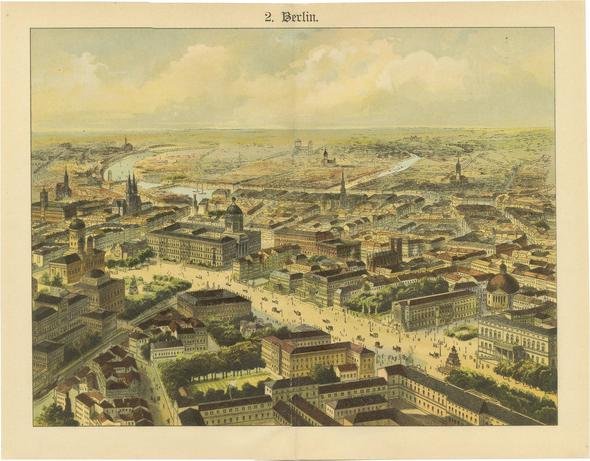
Bird’s eye view in art shows a scene from above. It looks like you are flying over the subject. This view helps see the whole layout clearly.
Artists use this perspective to add details that are hard to show from the front. It gives a fresh way to look at things.
Definition And Key Features
Bird’s eye view means looking straight down at a scene. It shows the top of objects and the ground around them.
- Shows a wide area from above
- Objects appear flat and spread out
- Helps map out complex scenes
- Common in maps and cityscapes
- Reduces depth, focuses on layout
Historical Use In Art
Artists long ago used bird’s eye views to show cities and battlefields. It helped viewers understand the scene better.
| Period | Use | Examples |
| Ancient Times | Maps and city plans | Babylonian clay tablets |
| Medieval Era | Castle and town layouts | Manuscript illustrations |
| Renaissance | Landscape paintings | Works by Leonardo da Vinci |
| Modern | Urban art and design | Aerial photography art |
Difference From Other Perspectives
Bird’s eye view differs from other views by its angle. It looks straight down, not from the side or front.
- Eye Level:Sees objects from a standing height.
- Worm’s Eye View:Looks up from below the subject.
- Bird’s Eye View:Looks down from above the subject.
Credit: www.saatchiart.com
Techniques For Creating Bird’s Eye View
Bird’s eye view in art shows scenes from above. It helps to see details and layout clearly.
Artists use special techniques to create this view. These methods guide the drawing process.
Choosing The Right Angle
Select an angle that shows the most important parts. The angle should give a clear view from above.
- Pick a high viewpoint to include wide areas.
- Use a lower angle for close details.
- Consider the scene’s purpose before choosing.
- Adjust the angle to avoid distortion.
Sketching From Above
Start your sketch by drawing basic shapes from above. Use simple forms to map out the scene.
Focus on size and position. Remember that objects closer to the viewer appear larger.
Using Grids And Guides
Grids help keep proportions accurate in bird’s eye view drawings. Guides assist in placing objects correctly.
| Grid Type | Purpose |
| Square Grid | Helps measure distances evenly |
| Isometric Grid | Shows 3D objects from above |
| Perspective Lines | Keep objects aligned and scaled |
Applications In Various Art Forms
Bird’s eye view in art shows a scene from above. This viewpoint gives a wide and detailed look at the subject.
Artists use this view in many art forms to create unique and clear images.
Landscape Painting
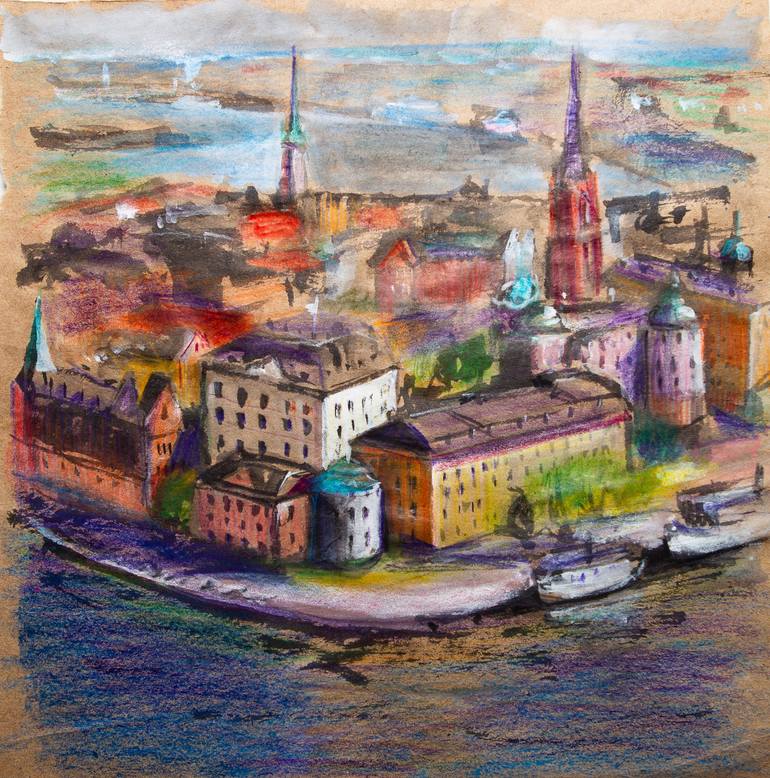
In landscape painting, bird’s eye view helps show large areas like fields, rivers, and cities. It shows the layout clearly.
- Shows natural shapes and patterns
- Helps viewers understand space and distance
- Creates a sense of depth and scale
- Highlights the relationship between land and water
Architectural Drawings
Architects use bird’s eye view to plan buildings and cities. It shows how parts connect and fit together.
| Type | Purpose | Details Shown |
| Site Plan | Layout of buildings and land | Paths, roads, green areas |
| Floor Plan | Interior room arrangement | Walls, doors, windows |
| Urban Planning | City design and zoning | Blocks, streets, parks |
Graphic Design And Illustration
Graphic designers use bird’s eye view to create maps, infographics, and scenes. It helps show complex information simply.
Common uses include:
- Map illustrations showing locations and routes
- Infographics explaining data from above
- Storybook scenes with a clear layout
Credit: www.newindianexpress.com
Challenges And Common Mistakes
Creating a bird’s eye view in art can be tricky. Artists face many challenges while drawing this perspective.
It is easy to make mistakes that affect the final look of the artwork. Understanding common issues helps improve your skills.
Maintaining Proportions
Keeping correct proportions is hard in bird’s eye view art. Objects closer to the viewer appear bigger. Objects farther away look smaller.
- Measure distances carefully to keep scale consistent.
- Use reference points to compare sizes of objects.
- Avoid making objects too large or too small by guesswork.
Avoiding Distortion
Distortion can ruin the realism of bird’s eye view art. Lines may bend or shapes stretch in wrong ways.
| Common Distortion | How to Avoid |
| Stretched shapes | Use grids to keep shapes balanced |
| Curved lines | Draw straight lines with rulers or tools |
| Incorrect angles | Check angles with a protractor or digital guides |
Balancing Detail And Simplicity
Adding too much detail can clutter a bird’s eye view. Too little detail makes the scene unclear.
Here are tips to balance detail and simplicity:
- Focus on main shapes and forms first.
- Add details only where they add meaning.
- Use shading to suggest texture without overloading.
- Keep background elements simple and less detailed.
Tips For Mastering Bird’s Eye View
Bird’s eye view is a drawing style that shows a scene from above. It helps artists show large areas and details at once.
Learning this view takes practice and study. These tips will help you improve your bird’s eye view drawings.
Practicing With Real-life Scenes
Look at places from high spots like rooftops or hills. Sketch what you see from above to understand shapes and space.
Try drawing parks, streets, or buildings from this viewpoint. Practice helps you see how objects look from the top.
Using Technology Tools
Use drones or apps that show maps and satellite images. These tools give you real bird’s eye views to study and copy.
Digital drawing programs also let you create 3D scenes. Rotate views to see how objects change from above.
- Google Earth for satellite views
- Drone footage for live scenes
- 3D modeling software for practice
Analyzing Famous Examples
Look at artworks that use bird’s eye view. Study how artists show depth and distance from above.
Notice how they place objects and use lines to guide the eye. This helps you learn how to arrange your own drawings.
- Maps and cityscapes by famous artists
- Comic panels with overhead views
- Architectural drawings and plans
Frequently Asked Questions
What Is Bird’s Eye View In Art?
Bird’s eye view in art is a perspective seen from above. It shows a scene or object from a high vantage point. This view helps artists depict landscapes, cityscapes, and layouts clearly and effectively.
How Does Bird’s Eye View Affect Composition?
Bird’s eye view allows artists to capture wide scenes and spatial relationships. It emphasizes patterns, shapes, and structures, making compositions more dynamic and informative. This perspective guides viewers through the artwork naturally.
Why Use Bird’s Eye View In Drawings?
Artists use bird’s eye view to show detailed layouts and scenes. It offers a unique angle that reveals more information. This viewpoint is common in maps, architectural plans, and storytelling visuals.
What Are Common Subjects For Bird’s Eye View Art?
Common subjects include cities, landscapes, floor plans, and game maps. This view highlights overall structure and design. It also adds drama and scale to visual storytelling.
Conclusion
Bird’s eye view in art offers a new perspective. Artists create depth and detail, capturing vast landscapes. This unique angle invites viewers to explore beyond the ordinary. It transforms how we see familiar scenes. Artists use this view to tell stories from above.
Engaging and intriguing, it highlights unseen patterns. A bird’s eye view enriches art with fresh insights. It encourages imagination and curiosity. By shifting viewpoints, art becomes more dynamic. This perspective inspires both artists and viewers alike. Discover more by exploring art from above.
It offers endless possibilities and a new world of creativity.




