
Have you ever caught your bird staring at a mirror and wondered if it’s a good idea to give them one? Mirrors can seem like a simple way to keep your feathered friend entertained.
But is it really helpful, or could it cause problems you didn’t expect? Before you add a shiny reflection to your bird’s cage, it’s important to understand how they might react and what it means for their happiness and health.
Keep reading to discover the surprising truth about mirrors and your bird’s well-being.

Credit: www.reddit.com
Benefits Of Bird Mirrors
Bird mirrors can be a useful addition to a pet bird’s cage. They offer various benefits that help improve a bird’s daily life.
Many bird owners wonder if mirrors are good for their pets. Understanding the benefits helps make the right choice.
Companionship For Solo Birds
Birds are social animals and like company. A mirror can act as a friend for birds kept alone.
The reflection makes birds feel like they are not alone. This can reduce feelings of loneliness and sadness.
Mental Stimulation And Entertainment
Mirrors keep birds curious and engaged. They often interact with their reflections, which helps their brain stay active.
Playing with the mirror can be a fun activity that prevents boredom. It also encourages natural behaviors like singing and preening.
Reducing Boredom And Stress
Boredom can cause stress and bad habits in birds. Mirrors help by giving them something to focus on.
Looking at their reflection can calm birds during quiet or lonely times. This lowers anxiety and keeps them happier.
Potential Downsides
Giving your bird a mirror might seem like a good idea. It can provide some entertainment. Still, there are some risks you should know about.
This section covers the main problems birds can face with mirrors. Learn what to watch for if you decide to use one.
Encouraging Aggressive Behavior
Some birds see their reflection as a rival. This can make them act aggressively. They might peck, bite, or scream at the mirror. This behavior can stress your bird.
- Birds may attack the mirror repeatedly.
- Stress can lead to feather plucking.
- Continuous aggression can lower bird’s mood.
- It may cause injury if the mirror breaks.
Dependency On The Mirror
Birds can get too attached to their reflection. They may spend long hours near the mirror. This can reduce their interest in real social interaction. Your bird might ignore you or other pets.
| Signs of Mirror Dependency | Possible Effects |
|---|---|
| Spends most time near mirror | Less social with owners |
| Becomes restless when mirror is removed | Stress and anxiety |
| Ignores toys and other stimuli | Reduced mental stimulation |
Confusing Reality And Reflection
Birds may not understand that the mirror shows just a reflection. They can try to interact with it as if it is another bird. This confusion can cause frustration or fear.
- Bird may look for a mate in the mirror.
- Can cause territorial disputes with their reflection.
- May lead to a false sense of companionship.
- Can affect natural social habits negatively.
Types Of Bird Mirrors
Bird mirrors come in many shapes and sizes. They can keep your pet bird entertained and curious.
Choosing the right mirror depends on size, safety, and where you place it inside the cage.
Size And Material Options
Mirrors for birds vary by size and what they are made of. Small mirrors suit small birds like finches. Larger mirrors fit bigger birds like parrots.
- Plastic mirrors are light but may scratch easily.
- Acrylic mirrors are clear and safer than glass.
- Glass mirrors offer a true reflection but can break.
- Wood-framed mirrors add natural look and safety.
Safe Designs To Consider
Safety matters when picking a bird mirror. Choose mirrors with no sharp edges. Avoid mirrors with parts your bird can chew off and swallow.
| Design Feature | Why It Is Important |
| Rounded edges | Prevent cuts and injuries |
| Secure mounting | Stops mirror from falling |
| Non-toxic materials | Protect bird’s health |
| Shatterproof surface | Avoid dangerous broken pieces |
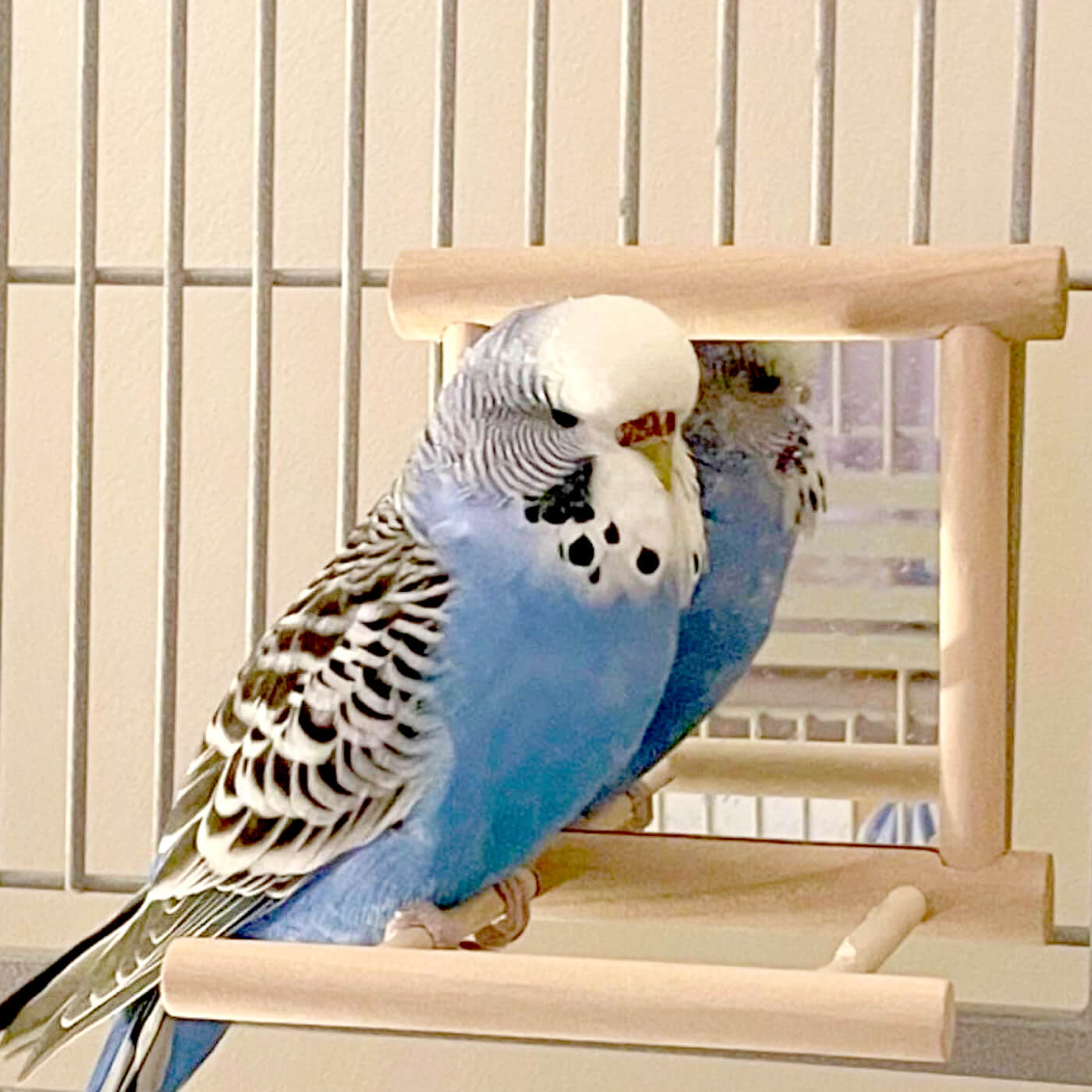
Placement Tips
Put mirrors where your bird can see them well. Avoid places with direct sunlight to stop overheating. Place mirrors away from food and water bowls.
Try these placement ideas:
- Hang mirror at eye level for your bird.
- Secure mirror on cage bars to prevent falling.
- Check your bird’s reaction often.
- Move mirror if bird shows signs of stress.
Credit: parrotessentials.co.uk
Alternatives To Mirrors
Mirrors can sometimes confuse or stress pet birds. Many bird owners look for better ways to keep their pets happy. Using alternatives helps birds stay active and healthy.
These alternatives provide fun and mental stimulation. They can replace mirrors with more natural and engaging activities.
Interactive Toys
Interactive toys encourage birds to explore and play. Toys with bright colors and different textures catch their attention. Puzzle feeders and foraging toys help birds use their minds.
- Chew toys made from safe wood or rope
- Foraging toys that hide treats
- Noise-making toys like bells
- Swings and ladders for climbing
- Colorful balls and rings
Social Interaction
Birds are social animals that enjoy company. Spending time with your bird builds trust and reduces loneliness. Talking, whistling, or gentle petting are good ways to connect.
- Set aside daily playtime with your bird
- Teach simple tricks using treats
- Allow safe out-of-cage time to explore
- Use gentle voice tones to engage
- Consider a second bird if suitable
Environmental Enrichment
Changing the bird’s environment keeps it curious and active. Adding new items or rearranging the cage can create interest. Natural elements like branches and leaves offer comfort.
| Enrichment Type | Examples |
|---|---|
| Natural Perches | Wood branches, bamboo sticks |
| Visual Stimulation | Pictures, videos of other birds |
| Scents | Safe herbs like lavender or mint |
| Sound | Soft music or nature sounds |
| New Objects | Paper, cardboard, safe household items |
Signs Your Bird Likes Or Dislikes The Mirror
Bird owners often wonder if their pet enjoys having a mirror. Birds can react in many ways to their reflection. Watching their behavior helps you understand their feelings.
Some birds see the mirror as a friend. Others may feel stressed or scared. Knowing the signs helps you decide if a mirror is good for your bird.
Positive Reactions To Watch For
When a bird likes a mirror, it shows friendly and calm behavior. The bird may sing, preen, or talk to its reflection. It might also stay near the mirror often.
- The bird looks relaxed and curious
- It sings or chirps at the mirror
- Preening near the mirror is common
- The bird spends time close to the mirror
- Shows playful behavior, like head bobbing
Negative Behaviors To Monitor
If your bird dislikes the mirror, it may act nervous or aggressive. Signs include biting the mirror or feather plucking. Some birds try to attack their reflection or avoid the mirror.
- The bird pecks or bites the mirror
- Shows signs of stress, like flapping wings fast
- Feather plucking or self-harm near the mirror
- Ignores the mirror or tries to hide from it
- Displays aggressive postures toward the reflection
Tips For Introducing A Mirror
Giving a bird a mirror can be fun, but it needs care. Birds may react in many ways to mirrors.
Introducing a mirror slowly helps your bird get used to it. Watch your bird closely during this time.
Gradual Introduction Techniques
Start by placing the mirror outside the cage. Let your bird see it from a distance first.
After a day or two, move the mirror closer but not inside the cage. Let your bird observe it calmly.
- Show the mirror near the cage without touching
- Move the mirror closer slowly over days
- Finally, place the mirror inside the cage for short times
Monitoring Bird’s Response
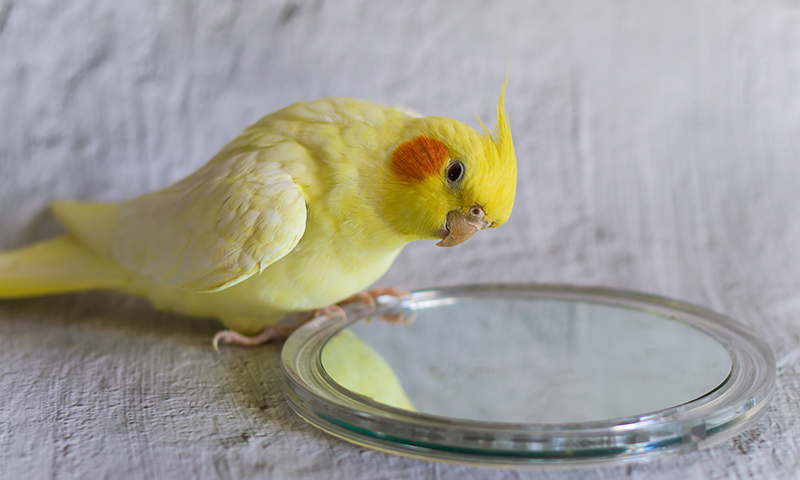
Watch how your bird acts when it sees the mirror. Look for signs of stress or excitement.
Happy birds may sing or preen near the mirror. Stressed birds might bite or ignore it.
- Check if your bird is calm or agitated
- Note if your bird talks or sings to the reflection
- Look for signs of fear or aggression
Adjusting Based On Behavior
If your bird seems stressed, remove the mirror for a while. Try again later with shorter times.
Use the mirror only when your bird enjoys it. Stop using it if your bird shows signs of harm.
- Limit mirror time to avoid obsession
- Remove the mirror if the bird becomes aggressive
- Bring the mirror back slowly after breaks
Credit: www.kaytee.com
Frequently Asked Questions
Can Birds Recognize Themselves In Mirrors?
Most birds do not recognize their reflection as themselves. They often see it as another bird, leading to curiosity or aggression.
Are Mirrors Good For Bird Mental Health?
Mirrors can provide stimulation and reduce loneliness. However, overuse may cause stress or encourage obsessive behavior in some birds.
How Should I Introduce A Mirror To My Bird?
Introduce the mirror gradually. Observe your bird’s reaction and remove it if signs of stress or aggression appear.
Can Mirrors Replace Social Interaction For Birds?
No, mirrors cannot replace real social interaction. Birds need human or bird companionship for proper emotional well-being.
Conclusion
Choosing to give your bird a mirror is a personal decision. Consider your bird’s personality and behavior first. Some birds may enjoy the company. Others might not react well to their reflection. Observe your bird’s response to the mirror. Remove it if it causes stress or aggression.
Provide alternative toys and interactions if needed. Always prioritize your bird’s happiness and health. Consult a vet for specific advice tailored to your bird. Your bird’s well-being should always come first. Make informed choices to ensure a happy, healthy pet.




