
Your bird is more than just a pet – it’s a cherished part of your life. So, when your feathered friend looks sick, it can feel overwhelming and scary.
But before rushing to the vet, there are simple and effective home remedies you can try to help your bird feel better. You’ll discover easy steps to care for your sick bird safely at home. By learning these tips, you’ll gain confidence and peace of mind, knowing you’re doing everything possible to support your bird’s health.
Keep reading to find out how you can be the best caretaker your bird needs right now.
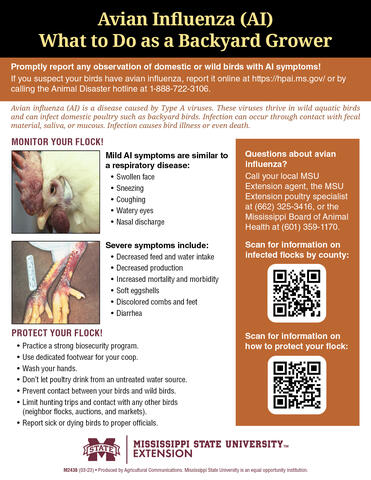
Credit: extension.msstate.edu
Signs Of A Sick Bird
Birds often hide their sickness well. Watching their behavior and appearance helps find problems early.
Knowing the signs of illness lets you care for your bird at home and seek help if needed.
Behavioral Changes
Birds act differently when they are sick. They may be less active or avoid socializing.
- Less singing or talking
- Hiding more than usual
- Fluffed up feathers for a long time
- Resting with eyes closed often
- Changes in sleeping habits
Physical Symptoms
Look closely for changes in your bird’s body. Many physical signs show if they are ill.
| Symptom | What to Watch For |
| Eyes | Swelling, redness, or discharge |
| Beak and Feet | Cracks, sores, or discoloration |
| Feathers | Missing, broken, or dull feathers |
| Breathing | Labored breathing or wheezing sounds |
| Weight | Noticeable loss or gain |
Feeding And Dropping Patterns
Sick birds often eat less or refuse food. Their droppings also change when they are unwell.
Watch for these signs:
- Eating less or no food
- Drinking less water
- Changes in droppings color or consistency
- Diarrhea or very dry droppings
- Unusual smell from droppings

Credit: birdsupplies.com
Creating A Comfortable Space
Treating a sick bird at home requires a calm and cozy place. Your bird needs rest and care to heal well.
Creating a comfortable space helps reduce stress and supports recovery. Focus on temperature, safety, and cleanliness.
Proper Temperature And Lighting
Keep the bird’s area warm but not too hot. Birds feel weak if they get too cold or too warm.
Use soft lighting. Avoid bright lights that can stress your bird. Natural light is best during the day.
- Maintain room temperature between 75°F and 85°F (24°C to 29°C)
- Use a lamp with a low-watt bulb if extra warmth is needed
- Provide gentle daylight, avoid direct sunlight
- Turn off lights at night to mimic natural darkness
Quiet And Safe Environment
Keep your bird’s space quiet to help it rest. Loud noises can make the bird nervous and slow healing.
Place the cage in a safe spot away from pets, children, and busy areas. The bird should feel protected.
- Choose a low-traffic room for the cage
- Keep the cage away from drafts and sudden noises
- Cover the cage with a light cloth at night for security
- Limit handling unless needed for care
Cage Hygiene Tips
Clean the cage daily to stop germs and keep your bird healthy. Dirty cages can cause more illness.
Use gentle cleaning products safe for birds. Rinse well to remove all soap before putting your bird back.
- Change cage liners or paper daily
- Wash food and water containers every day
- Disinfect perches and toys regularly
- Remove leftover food to avoid mold
Hydration And Nutrition
Taking care of a sick bird at home requires focus on hydration and nutrition. Proper fluids and food help your bird heal faster.
Birds need water and the right nutrients to support their immune system. This guide explains how to keep your bird hydrated and nourished.
Hydrating Your Bird
Water is the most important part of healing for a sick bird. Make sure fresh water is always available and clean.
If your bird refuses to drink, try offering water with a drop of fruit juice. Use a syringe to give fluids if needed.
- Change water daily to keep it fresh
- Use a shallow dish for easy access
- Offer water with a little honey or fruit juice
- Use a syringe to give fluids if your bird won’t drink
Nutritious Food Options
Good nutrition helps your bird regain strength. Offer soft, easy-to-digest foods that your bird likes.
Fresh fruits, vegetables, and soaked seeds provide vitamins and minerals. Avoid giving hard or dry foods until your bird improves.
- Cooked rice or oats for easy digestion
- Mashed boiled vegetables like carrots or peas
- Soft fruits such as banana or apple pieces
- Soaked seeds to soften them
- Small amounts of bird-safe protein like boiled egg
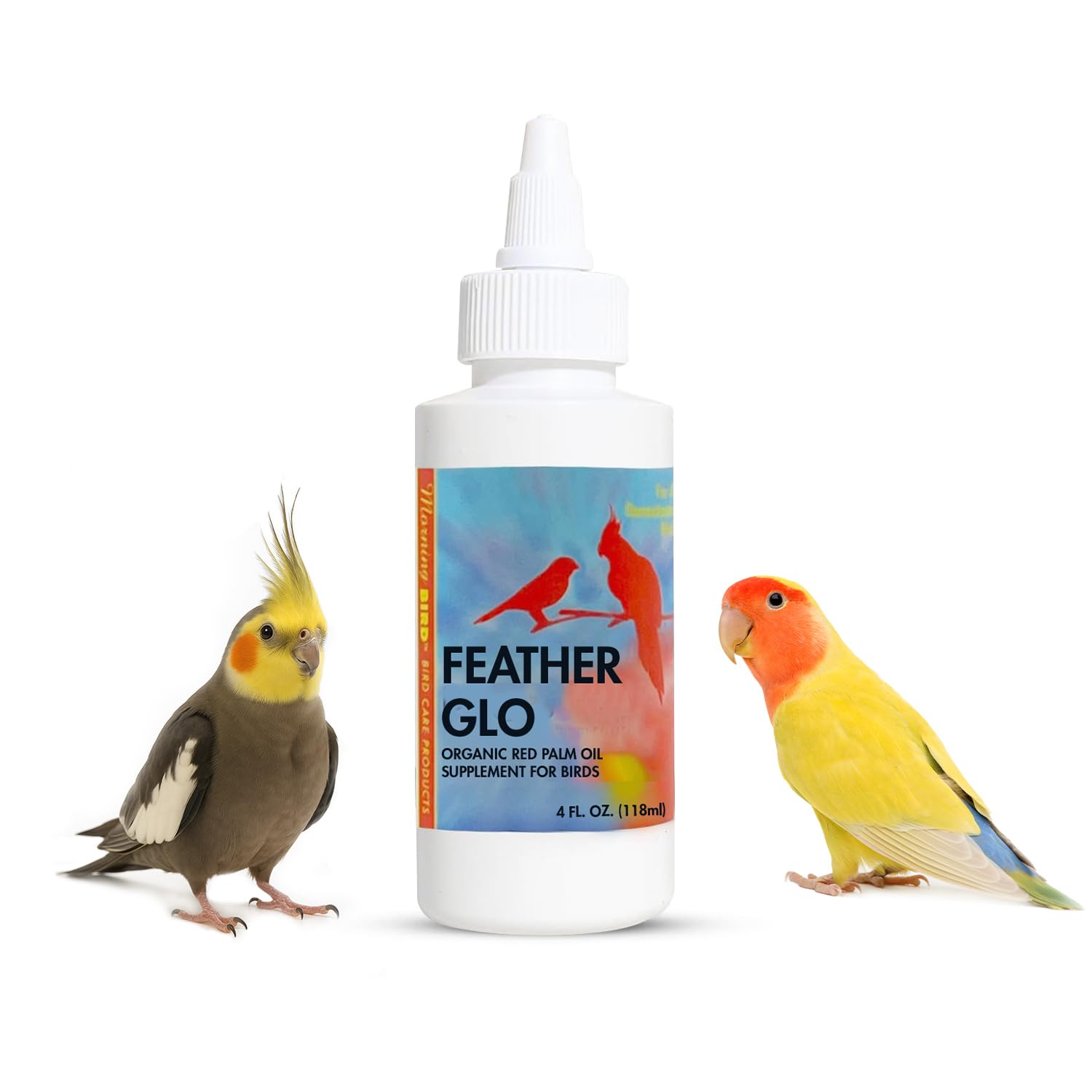
Supplements For Recovery
Supplements can help boost your bird’s recovery. Use vitamins and probiotics made for birds.
Consult a vet before giving supplements. They can recommend the right type and dose for your bird.
- Vitamin A and D for immune support
- Calcium supplements for bone health
- Probiotics to improve digestion
- Electrolyte powders to restore minerals
Credit: www.amazon.com
Home Remedies For Common Issues
Birds can get sick just like humans. You can help them feel better at home. Simple remedies often ease their common problems.
Knowing how to care for your bird safely is important. Use gentle methods to support their health and comfort.
Treating Respiratory Problems
Respiratory issues cause sneezing, coughing, or breathing trouble. Keep your bird warm and quiet. Use a humidifier or steam to ease breathing.
- Place bird in a warm, draft-free room
- Use steam from a warm shower or humidifier
- Keep cage clean to reduce dust and irritants
- Offer fresh water to keep the bird hydrated
- Avoid strong smells like perfumes or cleaning sprays
Soothing Digestive Troubles
Birds may have diarrhea or lose appetite from digestive problems. Give light foods and avoid fatty treats. Keep water fresh and clean.
| Remedy | How to Use |
| Cooked rice | Feed small amounts to calm the stomach |
| Boiled carrot | Offer mashed carrot to add nutrients |
| Probiotics | Add to water as per package instructions |
| Fresh water | Change water often to prevent infection |
Healing Minor Wounds
Small cuts or scratches need cleaning to avoid infection. Use gentle care and watch for swelling or redness.
Follow these steps to treat minor wounds at home:
- Wash your hands before touching the wound.
- Gently clean the area with warm water and mild soap.
- Apply a small amount of antiseptic safe for birds.
- Keep the bird in a quiet place to rest.
- Check the wound daily for signs of infection.
When To Seek Veterinary Help
It can be hard to know when a sick bird needs a vet. Some signs show the bird is very ill. Acting fast can save your bird’s life.
Learn the warning signs to watch for. Also, know how to get ready for a vet visit to help your bird quickly and safely.
Warning Signs To Watch For
Look for these signs that mean your bird needs medical care right away.
- Breathing fast or with difficulty
- Fluffed up feathers for a long time
- Not eating or drinking
- Droopy wings or weakness
- Swollen or red eyes
- Discharge from nose or mouth
- Changes in droppings color or amount
- Seizures or loss of balance
- Bleeding or wounds that do not heal
Preparing For A Vet Visit
Getting ready helps your vet treat your bird better and faster.
| What to Bring | Why It Helps |
| Bird’s cage or carrier | Safe transport and less stress |
| Sample of droppings | Check for infections or problems |
| List of symptoms and changes | Give clear info to the vet |
| Bird’s diet details | Help vet understand nutrition |
| Any medications used | Avoid bad reactions |
Preventing Future Illness
Keeping your bird healthy starts with good care habits. You can help prevent illness by creating a safe and clean environment.
Simple changes in daily routines make a big difference for your bird’s health and happiness.
Regular Cleaning Routines
Clean cages and feeding areas stop germs from spreading. Wash food and water dishes every day. Remove droppings and old food quickly.
- Disinfect cage trays weekly with bird-safe cleaner
- Replace cage liners daily
- Clean toys and perches often
- Keep the bird’s room free of dust and drafts
Balanced Diet And Exercise
Good food and daily activity keep birds strong. Offer a mix of seeds, pellets, fruits, and vegetables. Fresh water should always be available.
| Food Type | Examples |
| Seeds | Sunflower, millet |
| Pellets | Commercial bird pellets |
| Fruits | Apple, banana, berries |
| Vegetables | Carrot, spinach, broccoli |
Encourage your bird to fly or climb daily. Exercise helps digestion and keeps muscles strong.
Stress Reduction Techniques
Stress weakens your bird’s immune system. Create a calm space with quiet times and gentle handling.
Try these tips to reduce stress:
- Place cage away from loud noises and busy areas
- Keep a consistent routine for feeding and playtime
- Use soft lighting during rest periods
- Spend quiet time with your bird every day
Frequently Asked Questions
How Can I Tell If My Bird Is Sick At Home?
Look for symptoms like lethargy, fluffed feathers, loss of appetite, or abnormal droppings. Early signs help prompt treatment.
What Are Safe Home Remedies For Treating A Sick Bird?
Provide warmth, clean water, and a balanced diet. Use natural humidifiers and avoid stress to support recovery.
When Should I Take My Sick Bird To The Vet?
If symptoms worsen or last over 48 hours, seek professional care immediately. Early vet visits prevent complications.
How Do I Keep My Sick Bird Hydrated At Home?
Offer fresh water regularly and moisten food if needed. Hydration is crucial for healing and energy.
Conclusion
Caring for a sick bird at home requires patience and care. Use natural remedies to soothe your feathered friend. Always keep the bird warm and hydrated. Offer fresh water and nutritious food. Observe changes in behavior closely. Consult a vet for severe symptoms.
Remember, early detection helps in quick recovery. Birds are delicate creatures. They need gentle handling and love. With proper attention, your bird can regain its health. Prioritize safety and comfort. Your efforts will make a difference. Nurture your bird back to health with these simple home remedies.
Stay attentive and kind.




