
Are you ready to bring more birds to your backyard and enjoy their cheerful songs every day? Making your own bird feeder pole is easier than you think, and it’s a great way to create a cozy spot for your feathered friends.
Imagine watching colorful birds up close, right outside your window. In this guide, you’ll discover simple steps to build a sturdy and attractive bird feeder pole that suits your space perfectly. Keep reading, and soon you’ll have a charming new addition to your garden that both you and the birds will love.

Credit: www.youtube.com
Materials Needed
Gathering the right materials is the first step toward building a sturdy bird feeder pole that lasts. The choice of materials influences not just the durability but also the safety and appearance of your feeder. Think about the environment where you’ll place it and what birds you want to attract.
Choosing The Right Pole
Pick a pole made from weather-resistant materials like treated wood, metal, or PVC. Treated wood offers a natural look but requires regular maintenance to prevent rotting. Metal poles, especially galvanized steel or aluminum, stand up well to rain and wind and need less upkeep.
Consider the height and thickness. A pole around 6 to 8 feet tall with a diameter of 1 to 2 inches usually works best for most bird feeders. Will your pole need to support heavy feeders or multiple hooks? If yes, choose something sturdier to avoid bending or tipping.
Essential Tools
- Drill:Needed for making holes in the pole or mounting brackets.
- Screwdriver:Helps secure screws and fasten parts tightly.
- Measuring Tape:Ensures accuracy in height and spacing.
- Level:Keeps your pole perfectly vertical, preventing wobbling.
- Hammer:Useful if you’re driving stakes or nails into wood.
Having these tools ready speeds up the building process and keeps your project neat. Missing one might cause frustration or weaken the structure.
Additional Supplies
- Screws and Nails:Choose rust-resistant types like stainless steel.
- Mounting Brackets or Hooks:For attaching feeders securely.
- Protective Paint or Sealant:Extends the life of wooden poles by shielding them from moisture.
- Concrete Mix (optional):Use it to anchor the pole firmly into the ground.
Think about how these extras can enhance stability and longevity. Have you considered anchoring your pole with concrete? It may seem like extra work, but it greatly reduces the risk of the pole tipping over during storms.
Selecting A Location
Choosing the right spot for your bird feeder pole matters a lot. Birds need a comfortable place to visit and eat. The location affects how often birds come and how safe they feel. This guide helps you pick the best place for your feeder pole.
Ideal Spot For Birds
Pick a quiet place with some natural cover. Trees or shrubs nearby offer birds shelter and protection. Avoid areas with heavy foot traffic or loud noises. Birds prefer spots where they can see their surroundings well.
Place the feeder near a water source if possible. Birds love to drink and bathe close to their food. Keep the feeder away from areas with strong wind or direct afternoon sun. A shaded spot helps keep seeds fresh longer.
Safety Considerations
Keep the feeder pole away from places where cats or other predators can hide. Avoid placing it too close to windows to prevent bird collisions. Use a baffle below the feeder to stop squirrels from climbing.
Make sure the pole is stable and firmly fixed in the ground. This protects birds and keeps the feeder from falling in bad weather. Check the area regularly for hazards like sharp objects or toxic plants.
Visibility And Accessibility
Place the feeder where you can easily see it from your home. Watching birds is a great joy and helps you notice when the feeder needs refilling. The spot should also be easy for you to reach for cleaning and maintenance.
Keep some space around the feeder clear of obstacles. This allows birds to fly in and out safely. Avoid placing the feeder too close to dense bushes where predators can hide unseen.
Preparing The Pole
Preparing the pole is a crucial step in building a sturdy and lasting bird feeder pole. How you handle the wood before assembly affects both its durability and safety for your feathered visitors. Taking time to properly cut, smooth, and protect the pole ensures it stands firm through changing weather and daily use.
Cutting To Size
Choose a wooden pole that fits the height you want for your bird feeder. Common lengths range from 5 to 8 feet, giving birds easy access while keeping feeders safe from predators. Use a saw to make a clean, straight cut. A smooth, accurate cut helps the pole sit firmly in the ground and supports the weight of your feeder.
Think about where you’ll place the pole. Will it need to be taller to clear bushes or fences? Measuring twice before cutting saves frustration and extra trips to the hardware store.
Sanding And Smoothing
After cutting, sand the entire pole to remove rough edges and splinters. Use medium-grit sandpaper first, then finish with fine-grit for a smooth surface. This step not only improves the pole’s appearance but also protects birds from injuries.
Run your hand along the wood to check for any sharp points. Smoothing the surface helps the paint or sealant stick better, increasing the pole’s lifespan. Your birds will appreciate a safe, snag-free perch.
Weatherproofing Tips
Protect your bird feeder pole from rain, sun, and wind by applying a weatherproof finish. Use outdoor wood sealer or exterior paint designed to repel moisture. Two or three coats, with drying time in between, create a strong barrier against the elements.
Don’t forget to seal the cut end of the pole—it’s the most vulnerable spot for water damage. Adding a metal cap or extra layers of sealant here can extend the pole’s life significantly. How long do you want your feeder pole to last? Proper weatherproofing is the answer.
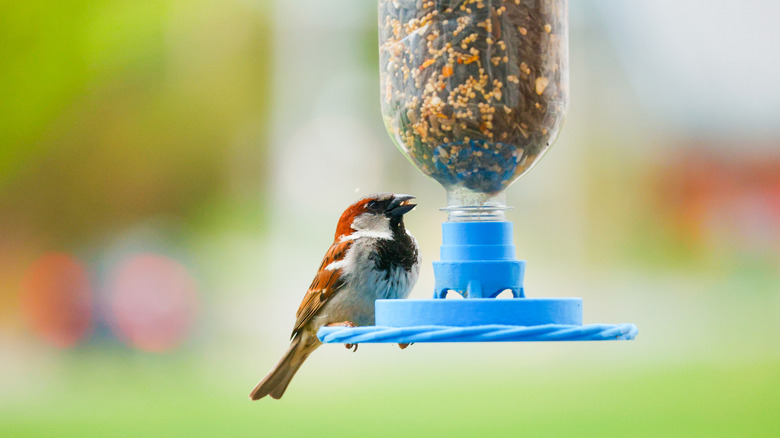
Credit: www.outdoorguide.com
Attaching The Feeder
Attaching the bird feeder to your pole is a crucial step that affects both the safety of the birds and the ease of maintenance for you. The way you mount and secure the feeder can make a big difference in keeping squirrels away and ensuring the feeder stays stable during windy days. Let’s dive into some practical tips on choosing the right feeder, mounting it properly, and securing it firmly.
Types Of Bird Feeders
Choosing the right type of feeder depends on the birds you want to attract and your pole setup. Tube feeders are great for small birds and usually have hooks or loops for easy hanging. Platform feeders provide an open space and can be placed on a pole top, attracting a wider variety of birds.
You might also consider hopper feeders, which hold a large amount of seed and often have a flat base that fits well on a pole. Think about your local birds’ feeding habits—do they prefer perching or clinging? This will help you decide the best feeder style for your pole.
Mounting Techniques
Mounting your feeder securely is key to keeping it stable and easy to refill. You can use a simple hook attached to the pole to hang the feeder, which allows for quick removal when you need to clean or refill it.
Another option is to use a mounting bracket, which provides a more permanent and sturdy setup. This is especially useful for larger or heavier feeders. Consider how often you want to take the feeder down—hooks are easier for frequent removal, while brackets offer durability.
Securing The Feeder
Once you’ve mounted the feeder, securing it properly will prevent it from swinging or falling. Use zip ties or sturdy wire to fasten the feeder firmly to the pole if it doesn’t come with a built-in locking mechanism.
Adding a baffle or weight near the mounting area can also reduce movement caused by wind or excited birds landing. Have you ever noticed how a shaky feeder can deter birds? Keeping it steady makes your feeder more inviting and safer for feathered visitors.
Installing The Pole
Installing the bird feeder pole correctly is essential to keep it sturdy and safe for your feathered visitors. A well-placed and stable pole ensures your feeder stays upright through wind and weather, making your birdwatching experience much more enjoyable. Let’s walk through the key steps to get your pole securely in the ground.
Digging The Hole
Start by choosing a location that offers good visibility and protection from strong winds. Use a post hole digger or a shovel to dig a hole that’s at least 2 feet deep. This depth helps anchor the pole firmly and prevents it from tipping over easily.
Make the hole wide enough to fit the pole plus some extra space for stabilizing material like gravel or concrete. If your soil is loose or sandy, dig a slightly deeper hole to increase stability. Have you checked the ground for underground cables or pipes before digging?
Setting The Pole
Place the pole upright in the hole, making sure it’s straight by using a level. Hold it steady or have someone assist you to keep it vertical. If your pole has a pointed end, push it into the soil as deeply as possible before filling the hole.
Next, fill the hole around the pole with your chosen stabilizing material. You can use gravel for easy drainage and moderate stability, or mix quick-setting concrete for a more permanent hold. Adding water to concrete as per instructions ensures it hardens properly around the pole.
Stabilizing Methods
Besides concrete and gravel, you can try packing the soil tightly if you prefer a natural look. However, this method might require checking and re-packing after heavy rain or storms. Installing support braces or guy wires can provide extra strength if your pole is tall or placed in a windy area.
Think about the height and weight of your bird feeder. Heavier feeders may need stronger anchoring methods. What kind of weather does your area experience, and how might that affect your pole’s stability?
Maintaining The Feeder Pole
Keep the feeder pole clean and dry to prevent rust and damage. Check regularly for loose parts and tighten them as needed. Painting or sealing the pole can protect it from weather wear.
Maintaining your bird feeder pole is essential to ensure it remains a sturdy and inviting spot for our feathered friends. Consistent care not only extends the life of your feeder but also ensures a safe environment for birds. Let’s explore how you can keep your feeder pole in top shape throughout the year.Cleaning Schedule
Regular cleaning of your feeder pole is crucial to prevent the spread of diseases among birds. Aim to clean your feeder every two weeks using a mild soap and warm water. If you notice any mold or mildew, make sure to scrub it off thoroughly. Create a checklist to remind yourself of cleaning days. Keep it simple: soap, water, rinse, and dry. Remember, a clean feeder is a happy feeder for birds.Repairing Damages
Check your feeder pole for any signs of wear or damage, such as rust or loose parts. Tighten any loose screws or replace damaged parts as needed to maintain stability. If you notice rust, sand it down and apply a rust-resistant paint to prolong the life of your feeder pole. This quick fix can save you from bigger repairs down the road.Seasonal Adjustments
Each season brings its own challenges for bird feeder poles. In winter, ensure your pole is secure against strong winds and heavy snow. You might need to adjust its position to protect it from harsh weather. During the warmer months, check for increased activity from squirrels or other critters. Consider adding baffles or other deterrents to keep your feeder accessible only to birds. Maintaining your bird feeder pole doesn’t have to be a chore. With these simple tips, you can enjoy a thriving bird community in your backyard all year round. What’s your favorite season for birdwatching?Attracting Birds
Building a sturdy bird feeder pole invites birds to your garden easily. Choose strong materials and place the pole where birds feel safe and can spot food. Simple designs keep birds comfortable and encourage visits.
Attracting birds to your backyard can transform your outdoor space into a lively sanctuary. With a well-crafted bird feeder pole, you can enjoy the vibrant colors and melodies of various bird species. But how do you ensure your feathered friends keep coming back?Choosing Bird Food
Selecting the right bird food is crucial. Different species prefer different foods. Sunflower seeds are a favorite among many birds like cardinals and finches. You might also consider suet for woodpeckers or millet for sparrows. Experiment with different types to see which birds visit your feeder most often.Adding Water Sources
Birds need water for drinking and bathing, especially in hot weather. Adding a birdbath near your feeder can make your yard more attractive. Keep the water clean and fresh by changing it regularly. If you live in a cold climate, consider using a heated birdbath to prevent the water from freezing.Creating A Bird-friendly Environment
Beyond food and water, creating a habitat that feels safe and inviting is essential. Planting native shrubs and trees can provide natural shelter. Avoid using pesticides that can harm birds. Consider the placement of your feeder; it should be in a spot where birds feel safe from predators. What small changes can you make to turn your backyard into a haven for birds?
Credit: homeiswheretheboatis.net
Frequently Asked Questions
What Materials Are Needed For A Bird Feeder Pole?
You need a sturdy pole, bird feeder hooks, weather-resistant paint, screws, and a mounting base. Choose durable materials to withstand outdoor conditions and support bird feeders safely.
How Do I Install A Bird Feeder Pole Correctly?
Select a stable ground spot, dig a hole deep enough, and securely fix the pole. Use concrete for extra stability and ensure the pole is vertical for proper feeder placement.
How Tall Should A Bird Feeder Pole Be?
A height of 5 to 6 feet is ideal. This keeps feeders safe from predators and accessible for bird watching and maintenance.
Can I Make A Bird Feeder Pole From Recycled Materials?
Yes, using recycled wood or metal pipes is eco-friendly and cost-effective. Just ensure the materials are strong and safe for outdoor use.
Conclusion
Building a bird feeder pole is simple and fun. It brings birds closer to your home. You can enjoy watching different birds every day. Use safe materials and place the pole in a good spot. Regularly check and clean the feeder for healthy birds.
This small project helps nature and brightens your garden. Give it a try and enjoy peaceful birdwatching.




