
Have you ever wanted to draw a bird feather that looks so real, people can almost feel its softness? Whether you’re a beginner or just looking to improve your drawing skills, learning how to draw a bird feather can be both fun and satisfying.
In this guide, you’ll discover simple steps that make the process easy to follow. By the end, you’ll have a beautiful feather drawing you’ll be proud to share. Ready to unlock your artistic potential? Let’s dive in and bring your feather to life!
Materials Needed
Drawing a bird feather requires a few simple materials to get started. Having the right tools helps create clean lines and fine details. The materials fall into two groups: basic tools and optional supplies. Basic tools are essential for every artist. Optional supplies help add texture and depth.
Basic Drawing Tools
- Pencil – Choose a medium-soft pencil like HB or 2B for sketching.
- Eraser – A soft eraser removes mistakes without damaging paper.
- Paper – Use smooth drawing paper for better pencil control.
- Sharpener – Keep pencils sharp for precise lines.
- Ruler – Helps draw straight lines for the feather’s shaft.
Optional Supplies For Detail
- Blending stump – Smooths pencil shading for realistic texture.
- Colored pencils – Add color to make feathers vibrant.
- Fine liners – Create crisp, clean outlines or intricate patterns.
- White gel pen – Highlight light areas and add shine.
- Charcoal pencil – Deepens shadows and enhances contrast.
Choosing Your Feather
Choosing the right feather is an important first step in drawing a bird feather. It sets the tone for your entire artwork. Each feather has unique details and shapes. Picking a feather that inspires you helps capture its beauty on paper. Pay attention to different feather types and their forms. This makes your drawing more accurate and interesting.
Selecting Feather Types
Bird feathers come in many types, each with a special look. Some feathers are long and narrow, while others are short and wide. Primary feathers are strong and stiff. They help birds fly. Secondary feathers are softer and rounder. These feathers add shape to the wing. Tail feathers are usually symmetrical and fan-shaped. Body feathers are fluffy and smooth. Choose a feather type that fits your drawing style.
Observing Feather Shapes
Feather shapes vary greatly. Some are straight, others curve gently. The central shaft, called the rachis, runs through the feather’s length. Barbs branch out from the rachis, creating the feather’s texture. Notice how barbs align or separate. Look for patterns like smooth edges or rough tips. Study the feather’s tip shape. It might be rounded, pointed, or split. These details bring realism to your sketch.
Sketching The Outline
Sketching the outline is the first important part of drawing a bird feather. It helps set the basic shape and structure. A clear outline guides the details that come later. Start with simple lines and shapes. Keep your strokes light so you can adjust them easily.
Drawing The Feather Shaft
The feather shaft is the central line of the feather. Draw a straight or slightly curved line down the middle of your page. This line is called the rachis. Make it long enough to cover the feather’s entire length. The shaft should be thin but visible. It acts like the spine of the feather. Keep the line smooth and steady.
Adding The Feather Shape
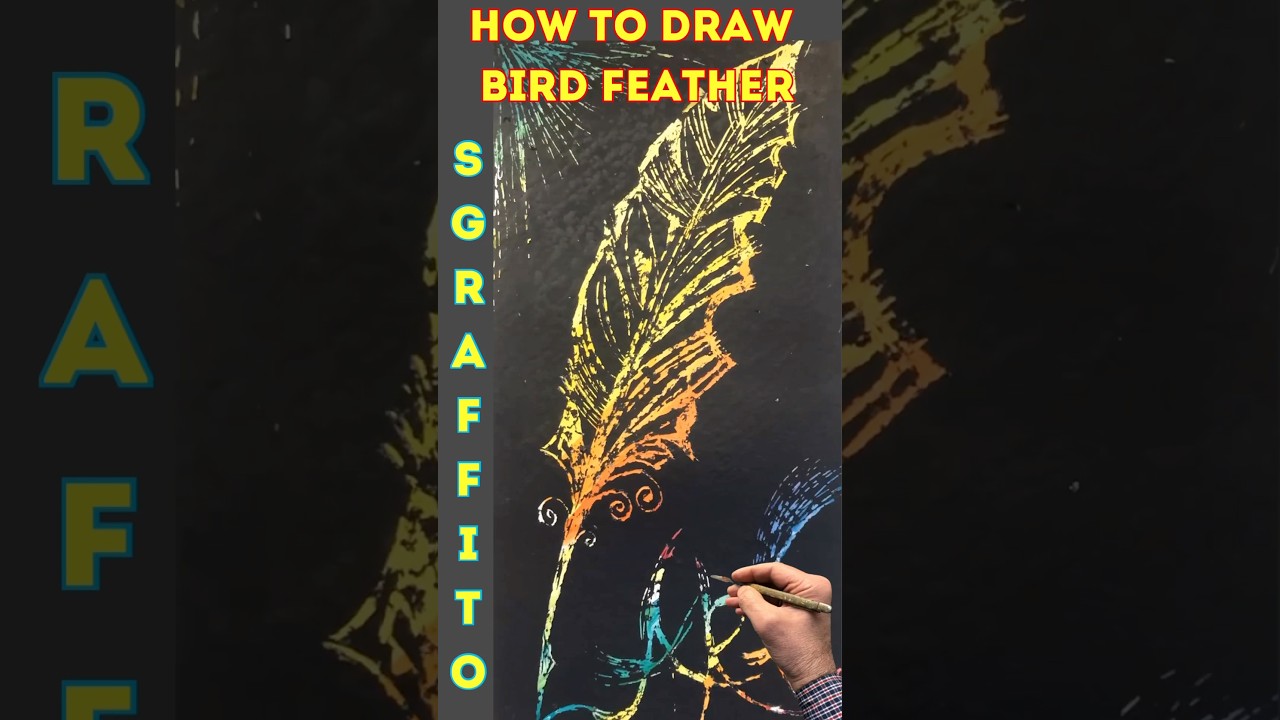
Next, add the feather’s outline around the shaft. Use soft, curved lines on both sides of the shaft. The shape should taper to a point at the tip. The base can be wider or rounded. Try to keep both sides balanced but not perfectly symmetrical. Feathers are natural and have small variations. Draw small bumps or waves along the edges for texture. This gives a more realistic look.
Credit: www.youtube.com
Creating Feather Details
Creating feather details brings your bird drawing to life. It gives a sense of softness and realism. Each feather has tiny parts that make it unique and natural. Focus on the small features to add depth and texture. This section guides you through drawing those delicate parts clearly and simply.
Drawing Barbs And Barbules
Barbs are the thin strands coming off the feather’s main shaft. Draw them gently on both sides of the central line. Use light, short strokes to show their fine nature. Barbules are even smaller branches off the barbs. Indicate them with faint, tiny lines or dots. Avoid making them too perfect. Slight irregularities create a natural look.
Adding Texture And Layers
Texture gives the feather a soft and fluffy feel. Use short, curved lines to suggest softness. Layer these lines to mimic how feathers overlap. Darken some areas to add shadows and depth. Keep the strokes light near the edges to show delicate tips. This layering makes the feather look full and realistic.
Shading Techniques
Shading techniques bring depth and life to your bird feather drawing. They create a three-dimensional feel that makes the feather look real. Careful shading shows the soft texture and fine details. It helps the feather stand out on the page.
Light And Shadow Placement
Identify your light source before shading. Light hits the feather on one side, creating highlights. The opposite side has shadows where light is blocked.
Shade darker where the feather curves or overlaps. Leave areas lighter where the light touches directly. This contrast shapes the feather’s form and volume.
Use short, gentle strokes to mimic feather strands. Darken near the quill and edges for a natural look. Avoid harsh lines to keep the softness.
Blending For Realism
Blending smooths out the pencil marks and softens shadows. Use a blending stump or a soft tissue to gently smudge the graphite. This creates a seamless transition between light and dark areas.
Blend lightly to keep texture visible. Over-blending can remove feather details. Layer shading and blending slowly for a natural effect.
Focus on feather barbs by blending the spaces between strokes. This adds realism and depth. Blending helps the feather appear delicate and soft.

Credit: www.vectorstock.com
Coloring Tips
Start by sketching the central shaft of the feather lightly. Shade softly on both sides, adding fine lines to mimic the feather’s texture and create depth. Use gentle strokes to blend colors for a natural look.
Coloring a bird feather can bring your drawing to life, adding vibrancy and depth that captivates the viewer’s eye. Whether you’re using colored pencils, markers, or digital tools, understanding the nuances of coloring is key. Here are some practical tips to help you add that perfect touch of color to your feather drawings.Choosing Colors
Selecting the right colors can transform your drawing. Look closely at real bird feathers to observe their natural hues. Notice how colors blend seamlessly, often shifting from one shade to another. Consider the mood you wish to convey. Bright colors might suggest a tropical bird, while muted tones can evoke a sense of calm. Don’t be afraid to experiment with unexpected colors—sometimes the most striking feathers are those with a splash of the unusual.Layering Colors For Depth
Layering is a powerful technique to add depth and texture. Start with a base layer of the lightest color and gradually build up darker shades. This approach mimics the natural layers of a feather, providing a realistic effect. When layering, apply colors with gentle strokes. This technique allows you to blend smoothly and avoid harsh lines. Try using a blending tool or your finger to soften edges and create a seamless transition between colors. Remember, patience is key. Allow each layer to dry (if working with wet media) before adding the next. This ensures crisp, clean layers and prevents muddy colors. What creative ways have you found to add color and depth to your drawings? Share your thoughts and inspire others in the comments below!Common Mistakes To Avoid
Drawing bird feathers can be challenging for beginners. Many make common mistakes that affect the final result. Understanding these mistakes helps improve your drawing skills. Let’s explore some pitfalls to avoid.
Overcrowding Details
One common mistake is adding too many details. Feathers should look natural and not overly complex. Keep the lines simple and clean. Too many lines make the feather look cluttered. Focus on essential details that define the feather’s shape.
Ignoring Feather Flow
Another mistake is ignoring the natural flow of the feather. Feathers have a unique curve and direction. Draw with smooth strokes to capture this flow. Avoid rigid and straight lines. They make the feather appear unnatural. Observe real feathers to understand their movement.
Practice Ideas
Practicing how to draw a bird feather can be both fun and rewarding. It helps you improve your observation skills and fine-tune your drawing technique. Try different approaches to keep your practice engaging and to discover what works best for you.
Drawing Different Feather Styles
Not all feathers look the same, so try drawing various types to expand your skills. You could sketch a soft down feather with fluffy edges or a sleek flight feather with sharp lines. Pay attention to their shapes, sizes, and textures to capture their unique features.
Start by collecting pictures or observing birds around you. Focus on one style at a time and notice details like the way the barbs connect or how the shaft curves. Have you tried drawing feathers from exotic birds? Their patterns can challenge and inspire your creativity.
Combining Feathers In Art
Once you’re comfortable drawing single feathers, experiment by combining several in one artwork. Arrange them in a fan, a cluster, or even create a whole wing. This practice teaches you how feathers interact and overlap naturally.
Try mixing different feather styles and sizes in your compositions. This makes your artwork more dynamic and realistic. Ask yourself how the direction and flow of feathers affect the overall balance of your drawing.
- Use varied shading to show depth between overlapping feathers.
- Experiment with color to highlight contrast or harmony.
- Play with angles to create movement and energy.
Have you noticed how combining feathers can tell a story or set a mood in your art? Keep exploring these ideas to push your creativity further.

Credit: www.shutterstock.com
Frequently Asked Questions
How Do I Start Drawing A Bird Feather?
Begin with a central shaft by drawing a straight line. Add a curved outline on both sides. Sketch barbs extending from the shaft, varying their length and angle for realism.
What Tools Are Best For Drawing Feathers?
Use pencils for sketching and shading. Fine liners or ink pens add detail. Colored pencils or watercolors enhance texture and depth with soft blending.
How Can I Make My Feather Drawing Realistic?
Focus on feather texture by drawing fine lines for barbs. Vary line thickness and shading for depth. Observe real feathers to capture natural curves and irregularities.
What Colors Work Well For Bird Feather Drawings?
Use natural colors like browns, grays, whites, and blacks for realism. Add subtle blues, greens, or reds for vibrant feathers. Blend softly to mimic feather softness.
Conclusion
Drawing a bird feather can be simple and fun. Practice each step slowly and carefully. Use light strokes to create soft lines. Notice the feather’s shape and details closely. Keep trying, and your drawing will improve. Enjoy the process and be patient.
Soon, you will create beautiful feather drawings. Art grows with practice and attention. Let your creativity flow with each feather you draw.




