
Are you tired of blackbirds taking over your bird feeders and scaring away the smaller birds you want to attract? It can be frustrating to watch these bold birds gobble up all the food and leave little for others.
But don’t worry—there are simple, effective ways you can keep blackbirds away without harming them. You’ll discover easy tips and tricks that work, so you can enjoy a peaceful, bird-friendly garden filled with the variety of birds you love. Keep reading to find out how to protect your feeders and bring harmony back to your backyard.
Why Blackbirds Visit Feeders
Blackbirds are common visitors to bird feeders in many areas. They come because feeders offer easy access to food. Understanding why blackbirds visit feeders helps in managing their presence. Their attraction depends on food and feeder types. Let’s explore these reasons.
Attractive Food Choices
Blackbirds prefer foods that are easy to eat and high in energy. They like:
- Sunflower seeds
- Millet
- Cracked corn
- Suet cakes
These foods give blackbirds quick energy for flying and daily activities. Large seeds and mixed blends attract them more than tiny seeds. Wet or moldy food can also attract blackbirds because they find it easier to eat.
Feeder Types Blackbirds Prefer
Blackbirds favor certain feeder styles. They like feeders that allow easy access and space for bigger birds. Common feeder types they prefer include:
- Platform feeders
- Tray feeders
- Hopper feeders
These feeders offer plenty of room for blackbirds to perch and eat comfortably. Tube feeders with small ports are less attractive to blackbirds. Feeders placed in open areas also invite more blackbird visits.

Credit: www.birdwatchingdaily.com
Choosing Feeder Designs To Deter Blackbirds
Choosing the right feeder design plays a crucial role in keeping blackbirds away from your bird feeders. Blackbirds are larger and more aggressive than many songbirds, so a feeder that works well for smaller birds may easily attract these unwelcome guests. You want a design that allows your favorite birds to feed comfortably while discouraging blackbirds from taking over.
Using Caged Feeders
Caged feeders are a smart choice if you want to protect your seed from blackbirds. These feeders have a metal cage surrounding the feeding ports, with openings just big enough for small birds like finches or chickadees to enter.
The cage physically blocks larger birds like blackbirds from reaching the food. You might be surprised how well this simple barrier works. I once switched to a caged feeder and noticed fewer blackbirds within days, while the smaller birds kept coming back happily.
Besides size restriction, the cage adds a layer of protection against squirrels. Look for feeders with sturdy cages that won’t bend or break easily. Would you prefer a feeder that naturally limits access or one that requires constant supervision?
Opting For Weight-sensitive Feeders
Weight-sensitive feeders use clever mechanics to keep heavier birds away. These feeders close the seed ports or drop the feeding platform when a bird over a certain weight lands on them.
Most blackbirds weigh more than common songbirds, so the feeder shuts off before they can eat. This design not only deters blackbirds but also reduces waste from spilled seeds. It’s like having an automatic gatekeeper for your feeder.
In my experience, these feeders need occasional adjustment to set the right weight threshold. Too light, and your favorite birds get locked out; too heavy, and blackbirds sneak in. Have you tried adjusting a feeder’s settings to match the bird species in your area?
Selective Feeding Techniques
Selective feeding techniques help keep blackbirds away from bird feeders. These methods focus on offering food that smaller birds enjoy, while discouraging blackbirds. Changing the type of seeds and avoiding favorites can reduce blackbird visits. This way, feeders attract your target birds without unwanted guests.
Feeding Smaller Seeds
Blackbirds prefer large seeds and grains. Offering smaller seeds helps attract finches, chickadees, and sparrows instead. Examples of smaller seeds include:
- Nyjer (thistle) seeds
- Millet
- Sunflower chips (without shells)
These seeds are harder for blackbirds to eat. Smaller birds can easily handle them. This reduces blackbird presence at your feeder.
Avoiding Blackbird Favorites
Some seeds attract blackbirds more than others. Avoid these to keep blackbirds away:
- Whole sunflower seeds with shells
- Safflower seeds
- Corn kernels
Instead, choose seed mixes without these ingredients. Blackbirds will lose interest and visit less often. This helps keep your feeder peaceful and full of small birds.
Physical Barriers And Deterrents
Keeping blackbirds away from your bird feeders can be challenging, but physical barriers and deterrents offer practical solutions you can apply right away. These methods create obstacles that make it harder or less appealing for blackbirds to access the food, giving your smaller, more desirable birds a better chance to feed peacefully. Let’s look at some effective options that you can set up quickly and maintain easily.
Using Spinners And Reflectors
Spinners and reflectors catch the sunlight and create movement that unsettles blackbirds. These shiny objects flash light unpredictably, making the feeder area less inviting. You can hang old CDs, reflective tape, or commercial bird deterrent spinners near your feeders.
One time, I placed several reflective strips around my feeder, and within days, the blackbird visits dropped noticeably. The key is to move or rotate these items occasionally so the birds don’t get used to them. Have you tried adding anything reflective near your feeders?
Installing Bird Spikes And Nets
Bird spikes and nets physically block blackbirds from perching or reaching your feeders. Spikes work well on feeder poles and ledges, while nets can cover larger areas to prevent access altogether. These tools don’t harm the birds but make the space uncomfortable for blackbirds to land.
I once installed bird spikes on my feeder’s mounting pole, which stopped the blackbirds from settling there immediately. Nets require more effort to set up but can be very effective if you want to protect multiple feeders or a bigger feeding area. Consider your feeder’s location and size before choosing between spikes and nets.
Behavioral Approaches To Discourage Blackbirds
Blackbirds can be persistent visitors at bird feeders. Their behavior often drives away smaller birds and creates a mess. Changing how you interact with your feeder can make a big difference. Behavioral approaches focus on modifying blackbirds’ habits to reduce their presence. These strategies encourage a peaceful feeding space for all birds.
Regular Feeder Maintenance
Keeping your feeder clean is key to discouraging blackbirds. Blackbirds prefer dirty feeders with old seeds and droppings. Clean feeders daily to remove spilled seeds and waste. This reduces food sources that attract blackbirds. Use warm water and a mild soap for cleaning. Rinse thoroughly to avoid harming birds. A clean feeder invites smaller birds and deters blackbirds.
Altering Feeding Schedules
Changing when you fill your feeder can affect blackbird visits. Blackbirds often feed in large groups at specific times. Try filling your feeder in the early morning or late evening. This timing favors smaller birds that feed at different times. Avoid leaving food out overnight. Remove uneaten seeds in the evening to limit blackbird feeding. Adjusting feeding times helps balance bird species at your feeder.

Credit: www.natureswaybirds.com
Natural Predators And Sounds
Blackbirds can be a nuisance at bird feeders, often crowding out smaller birds. Using natural predators and sounds can deter them effectively. These methods rely on mimicking nature, creating an environment where blackbirds feel threatened or uncomfortable. By using decoys and noise makers, you can maintain a peaceful bird feeding space.
Using Decoys
Placing predator decoys near feeders can scare blackbirds away. Consider owl or hawk decoys. These birds are natural predators of blackbirds. Move the decoys occasionally. This prevents blackbirds from realizing they’re fake. Decoys should be realistic and weather-resistant. They need to withstand outdoor conditions.
Employing Noise Makers
Noise makers can also help deter blackbirds. Sounds like hawk calls or distress signals can be effective. These sounds mimic danger, scaring blackbirds away. Use recordings of predator calls. Play them at irregular intervals for best results. Ensure the volume isn’t too loud for neighbors. You want to deter, not disturb.
Alternative Feeding Stations
Creating alternative feeding stations can keep blackbirds away from your main bird feeders. These stations attract blackbirds to separate areas, ensuring other birds feed peacefully. It requires strategic planning and placement.
Designating Separate Areas For Blackbirds
Consider setting up feeders specifically for blackbirds in a different location. Use feeders they prefer to draw them away from other birds. Place these feeders at a distance from your main feeding station. This helps maintain peace among varied bird species.
Providing Ground Feeding Options
Blackbirds often feed on the ground. Set up a ground feeding area with seeds they like. Ensure this area is away from hanging feeders. This approach satisfies blackbirds and reduces competition with other birds.
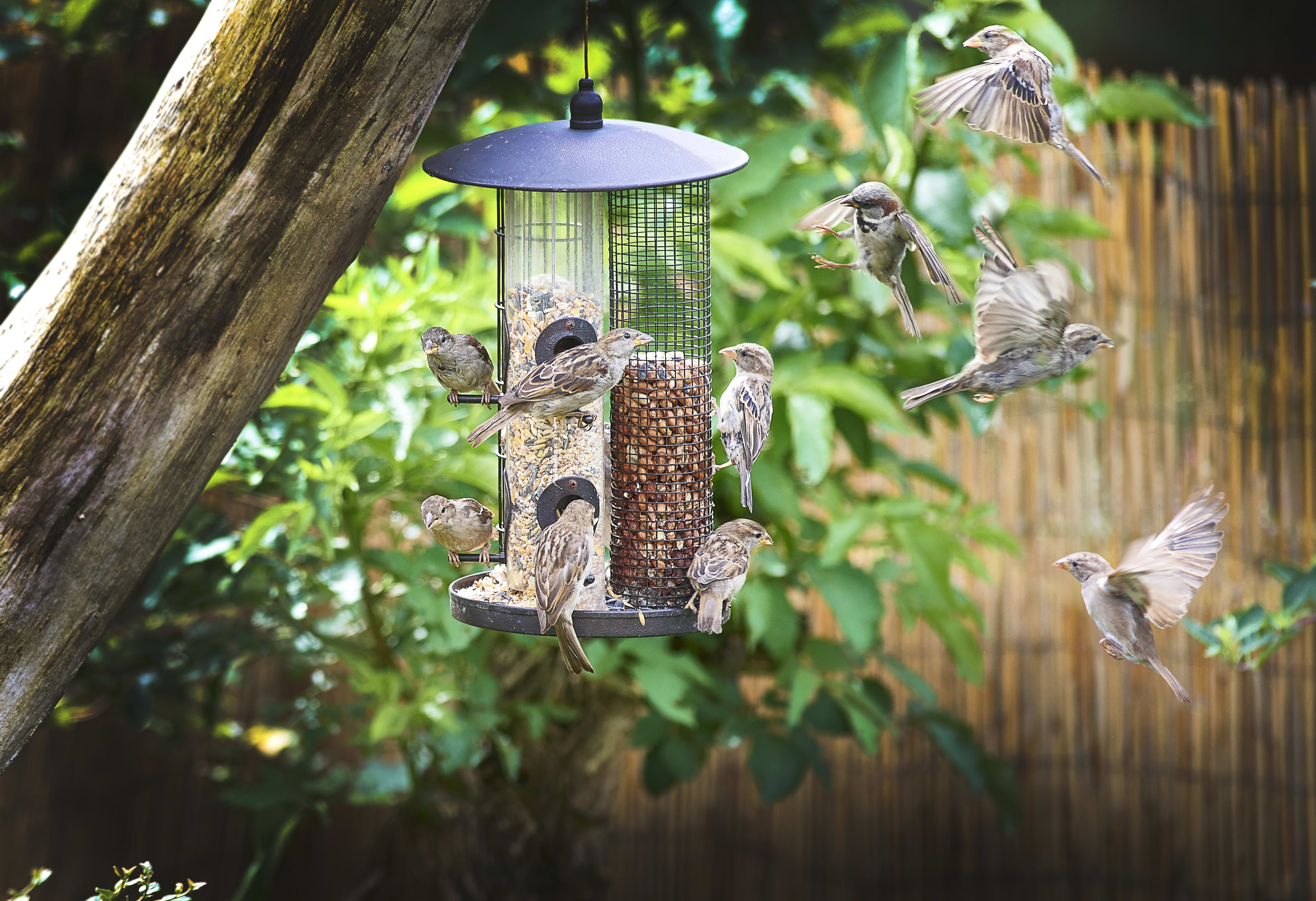
Credit: dengarden.com
Frequently Asked Questions
How Can I Deter Blackbirds From My Bird Feeders?
Use feeders designed for small birds, like tube feeders with small perches. Adding baffles or placing feeders in open areas helps reduce blackbird access.
What Type Of Bird Feeder Keeps Blackbirds Away?
Tube feeders with small perches limit blackbirds’ access. Platform feeders attract them, so avoid those if you want to keep blackbirds away.
Which Bird Food Repels Blackbirds Effectively?
Use nyjer seeds or safflower seeds. Blackbirds dislike these, while small songbirds find them attractive and safe to eat.
Does Noise Or Movement Scare Blackbirds From Feeders?
Yes, reflective objects, wind chimes, or motion-activated devices can scare blackbirds. Changing tactics often prevents them from getting used to deterrents.
Conclusion
Keeping blackbirds away from your feeders takes patience and simple steps. Use feeders designed for smaller birds. Try placing feeders in open spaces where blackbirds feel exposed. Change the type of seed to one less liked by blackbirds. Regularly clean your feeders to avoid attracting unwanted birds.
Observe your feeder often and adjust your methods if needed. These easy actions help protect your favorite birds and keep your garden peaceful. Small changes can make a big difference in bird feeding success.




