
Imagine having the power to soar above cities, glide over landscapes, and explore the world from a bird’s perspective—all without leaving your home. That’s exactly what Google Maps’ Birds Eye View offers you.
This incredible feature lets you see places in a whole new way, providing a unique and immersive experience that goes beyond the traditional map view. Whether you’re planning your next vacation, checking out a new neighborhood, or simply satisfying your curiosity about different parts of the world, Birds Eye View can be your go-to tool.
Dive in to discover how you can harness this feature to enhance your navigation experience and make your digital travels more exciting than ever.
Accessing Birds Eye View
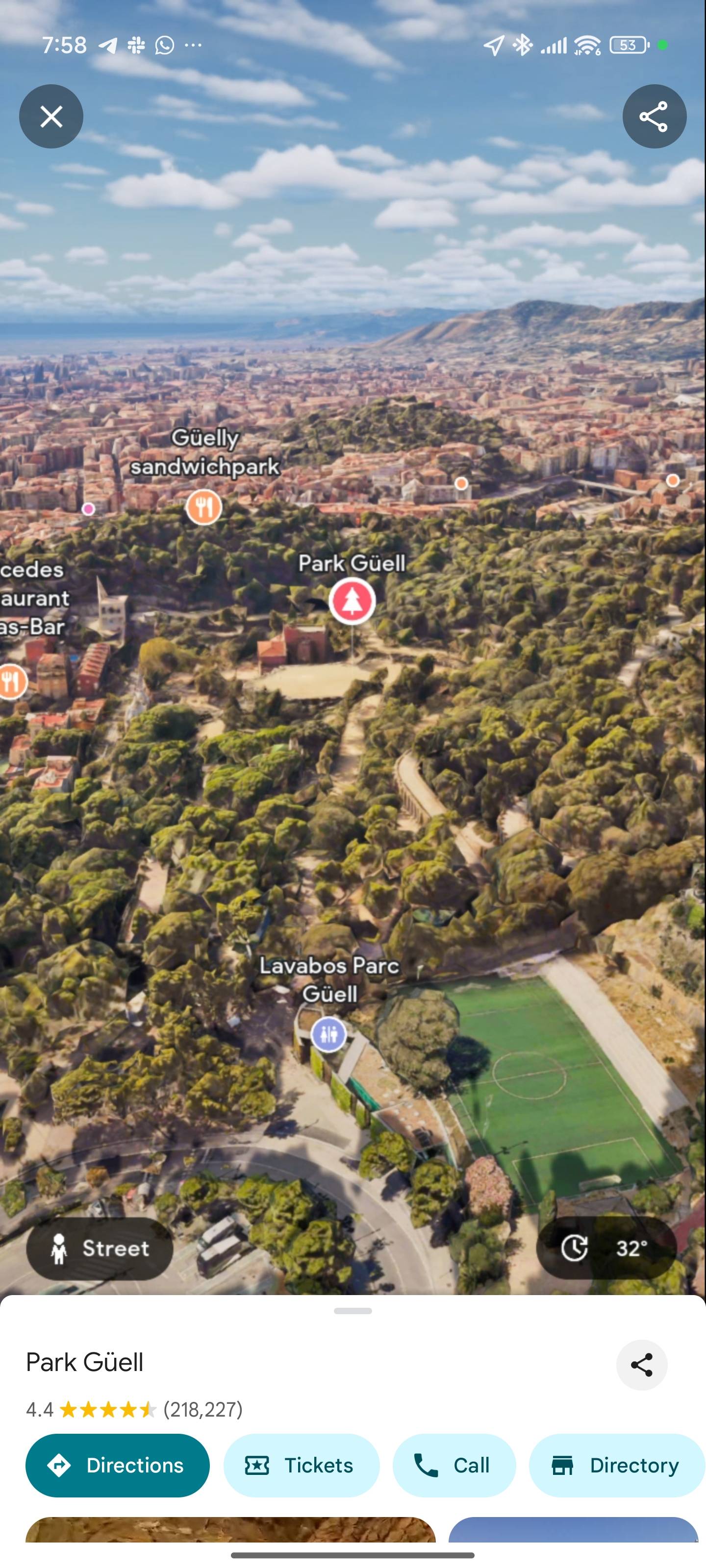
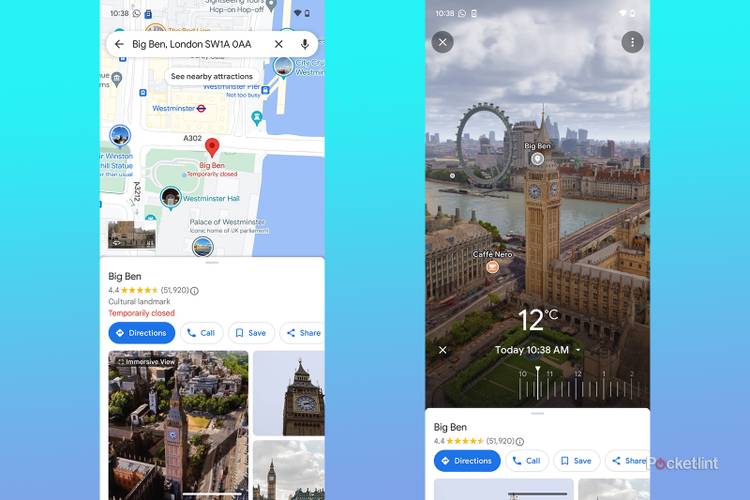
Birds Eye View on Google Maps shows a tilted view of locations. It helps you see buildings and streets from an angle. This view gives more details than the usual map view.
To use Birds Eye View, you need to know which devices support it and how to enable it. The steps vary by platform and device.
Compatible Devices And Platforms
Birds Eye View works on many devices but not all. It is mostly available on newer smartphones, tablets, and desktop browsers. Older devices may not support this feature.
| Device Type | Operating System | Support for Birds Eye View |
| Smartphone | iOS 12 and later | Yes |
| Smartphone | Android 9 and later | Yes |
| Tablet | iPadOS 13 and later | Yes |
| Tablet | Android 9 and later | Yes |
| Desktop | Chrome, Firefox, Edge | Yes |
| Desktop | Safari | Limited |
Enabling Birds Eye Mode
To enable Birds Eye View, open Google Maps and find the location you want. Then, use the following steps depending on your device.
- Drag the yellow Pegman icon onto the map near the area.
- Switch to satellite view by clicking the layers button.
- Use two fingers to swipe up on the screen to tilt the view (on touch devices).
- On desktop, hold the Ctrl key and drag the mouse to tilt.
- Look for buildings shown in 3D to confirm Birds Eye View is active.
Some locations do not have Birds Eye imagery. In those cases, only the top-down satellite view is available.
Navigating Birds Eye View
Birds Eye View on Google Maps shows a tilted angle of the area. It gives a clearer view of buildings and streets. This view helps you understand the layout better than a flat map.
Using Birds Eye View is simple. You can zoom in and out or move around to explore different parts of the map easily.
Zooming And Panning
Zooming lets you see details up close or get a wider look at the area. Panning moves the map to show new spots without changing the zoom.
- Use the plus (+) and minus (−) buttons to zoom in and out.
- Scroll your mouse wheel up to zoom in and down to zoom out.
- Click and drag the map to move it in any direction.
- On touch devices, pinch to zoom and swipe to pan.
Switching Between Map Views
Google Maps offers different views like Map, Satellite, and Birds Eye. Switching views helps you see the area in various ways.
| View Type | Description | How to Switch |
|---|---|---|
| Map | Flat, simple map with streets and landmarks. | Click the “Map” button on the bottom left. |
| Satellite | Real images from above showing the land and buildings. | Click the “Satellite” button next to Map. |
| Birds Eye | Angled aerial view showing depth and height. | Available in some areas; click the 3D or Tilt button. |
Features Of Birds Eye View
The Birds Eye View on Google Maps shows maps from an angled top view. It lets users see buildings and land in more detail.
This view helps you understand the layout of a place better than a flat map. It makes navigation and exploring easier.
3d Building Visuals
Birds Eye View shows buildings in 3D shapes. You can see the height and structure of buildings clearly. It helps to recognize places quickly.
- View building heights and shapes
- See shadows for better depth perception
- Identify landmarks by their structure
- Understand city layout with realistic visuals
Detailed Terrain And Landmarks
The view also shows natural land features like hills, rivers, and trees in detail. Landmarks stand out with clear visuals from the angle.
| Feature | Description |
| Terrain | Shows elevation and land shapes |
| Rivers and Lakes | Visible with clear edges and shapes |
| Landmarks | Buildings and statues appear realistic |
| Roads | Displayed with accurate curves and widths |
Credit: www.androidpolice.com
Practical Uses
Birds Eye View on Google Maps shows a tilted, angled view of places. It helps you see buildings and streets clearly. This view gives more details than a flat map.
Using Birds Eye View makes it easier to understand an area. It is useful for many daily activities and decisions.
Planning Routes
Birds Eye View helps to plan routes by showing real road shapes. You can see turns, intersections, and landmarks clearly.
This view helps drivers, bikers, and walkers choose the best path. It shows if roads are wide or narrow and how busy an area looks.
- Check road layouts for easy navigation
- Spot landmarks to help with directions
- Avoid complicated turns or dead ends
- See traffic flow in busy areas
Exploring Neighborhoods
Birds Eye View shows buildings and parks in 3D style. You can see how a neighborhood looks from above and the street level.
This helps you learn about the area before visiting. You can find nearby shops, schools, and green spaces easily.
- View house styles and sizes
- Locate parks and playgrounds
- Find shops, cafes, and schools
- Check street conditions and cleanliness
Real Estate And Property Insight
Birds Eye View helps buyers see properties from many angles. You get a better idea of the building’s shape and surroundings.
Real estate agents use this view to show clients how close a home is to roads and parks. It helps compare different properties easily.
- View property size and layout
- Check nearby amenities and parks
- See access roads and parking spots
- Compare houses in the same area
Troubleshooting Tips
Using Birds Eye View on Google Maps can sometimes be tricky. You might face issues like blurry images or missing views.
Here are some tips to help fix common problems and improve your experience.
Common Issues And Fixes
Sometimes the Birds Eye View does not load or shows poor details. This can happen due to slow internet or app errors.
Try clearing your browser or app cache. Restart Google Maps and check your internet connection. Updating the app helps too.
- Clear cache to remove old data
- Restart the app or browser
- Check for app updates
- Use a strong internet connection
- Switch to another device if possible
Improving Image Quality
Birds Eye View images can sometimes look fuzzy or pixelated. This happens if the resolution is low or the zoom is too high.
Zoom out slightly to see clearer images. Also, choose areas with recent aerial photos for better quality.
- Zoom out to reduce pixelation
- Choose locations with updated images
- Adjust screen brightness for better viewing
- Use full-screen mode for clearer details
Credit: www.androidpolice.com
Alternatives To Birds Eye View
Birds Eye View on Google Maps shows a tilted aerial image. It helps see buildings and streets in 3D. Some users want other ways to explore places on maps. These alternatives give different views and details.
Using different tools helps you understand locations better. You can see streets, landscapes, and landmarks from new angles. Below are two popular options to try.
Street View Integration
Street View lets you see places at ground level. It shows 360-degree photos taken on roads and paths. You can explore neighborhoods, landmarks, and businesses up close.
Switching to Street View is easy. Drag the yellow Pegman icon onto a street. This view helps you check building details, signs, and road conditions.
- Walk virtually through streets and neighborhoods
- See real photos from different times
- Get close looks at shops and landmarks
- Plan trips with detailed street views
Third-party Mapping Tools
Other mapping tools offer unique views and features. Some provide 3D maps, drone images, or detailed terrain views. These tools can show things Google Maps does not.
Popular options include apps and websites that focus on hiking, real estate, or city planning. They add value by showing elevation, property lines, or recent photos.
- 3D terrain maps to view mountains and hills
- Drone photos for fresh aerial images
- Property maps for home buyers
- Specialized maps for hiking and biking routes
Credit: www.pocket-lint.com
Frequently Asked Questions
How Do I Activate Birds Eye View On Google Maps?
To activate Birds Eye View, open Google Maps and switch to satellite mode. Then, zoom in closely. The angled aerial view appears automatically in supported areas, offering detailed imagery from a tilted perspective.
Which Locations Support Birds Eye View On Google Maps?
Birds Eye View is available mainly in major cities and popular landmarks worldwide. Google updates supported areas regularly, so check your desired location by zooming in and switching to satellite mode.
Can I Use Birds Eye View On Mobile Devices?
Yes, Birds Eye View works on both Android and iOS apps. Simply open Google Maps, switch to satellite view, and zoom in. The angled view appears where available for a better spatial understanding.
How Is Birds Eye View Different From Standard Satellite View?
Birds Eye View provides an angled, 3D-like perspective of locations. Standard satellite view shows straight-down, flat images. Birds Eye offers more depth and detail, making it easier to visualize buildings and terrain.
Conclusion
Bird’s Eye View on Google Maps offers a clear, angled look at places. It helps you see buildings and streets better than the usual map. Using it is simple and saves time when exploring. Try it next time you want a fresh view.
This feature makes navigation easier and more fun. Keep practicing to get comfortable with its tools. Enjoy discovering new spots from a different angle today.




