
Are you tired of squirrels stealing all the birdseed from your feeder? You’re not alone.
Those clever little creatures can turn your peaceful bird-watching moments into a frustrating game of chase. But what if you could stop them before they even get started? You’ll discover simple and effective ways to keep squirrels from climbing your bird feeder pole.
Imagine enjoying your backyard birds without constantly battling pesky squirrels. Keep reading, and you’ll learn how to protect your feeder and bring back the joy of watching your feathered friends.

Credit: www.amazon.com
Why Squirrels Climb Bird Feeder Poles
Squirrels are agile climbers with a strong motivation to reach bird feeders. Understanding why they climb poles can help you protect your feeders more effectively. It’s not just about the food; it’s their natural behavior and survival instincts at play.
Instinct And Natural Climbing Ability
Squirrels are born to climb. Their sharp claws and flexible joints allow them to scale vertical surfaces with ease.
Climbing poles is second nature to them, whether to escape predators or to find food. This instinct makes bird feeder poles an easy target.
Attraction To Food Sources
Your bird feeder is a buffet for squirrels. The seeds and nuts inside are irresistible to them.
They associate poles with easy access to food, so they keep trying to climb and raid the feeder.
Curiosity And Playfulness
Squirrels are naturally curious creatures. They explore their environment actively and enjoy the challenge of climbing.
This playful behavior often leads them to test their skills on bird feeder poles, even if food isn’t always the main goal.
Territorial Behavior
Squirrels mark their territory by visiting and “claiming” feeding spots. Climbing bird feeder poles is part of this behavior.
They may repeatedly climb the pole to establish dominance and warn other squirrels away from their food source.
How Understanding Their Motives Helps You
Knowing why squirrels climb helps you think like them. You can use this insight to choose the right deterrents.
For instance, if you know they’re driven by curiosity, adding distractions or barriers can be effective. If it’s about food, secure feeders with squirrel-proof designs.
Choosing The Right Feeder Pole
Choosing the right feeder pole is key to keeping squirrels off your bird feeder. The pole acts as the first line of defense, so selecting one that discourages squirrels from climbing is important. Understanding what makes a pole squirrel-proof can save you time and frustration.
Material Matters
The material of your feeder pole impacts its durability and how easy it is for squirrels to climb. Smooth metal poles are often better because squirrels struggle to grip slippery surfaces. Avoid wooden poles, as squirrels can easily climb rough textures and even chew through them.
Stainless steel or aluminum poles stand up well to weather and provide a slick surface that squirrels don’t like. Plastic poles can work too, but make sure they’re sturdy and smooth. Think about how squirrels use their claws — if the pole is too rough, it’s like giving them a ladder.
Height And Placement
Height plays a crucial role in keeping squirrels away. Place your feeder pole at least 5 feet above the ground to make it harder for squirrels to jump onto it. But height alone isn’t enough if nearby trees or structures give squirrels an easy launch point.
Keep the pole at least 10 feet away from trees, fences, or rooftops. Squirrels are excellent jumpers and can leap across short distances to reach your feeder. Positioning your feeder in an open area forces squirrels to climb the pole directly, which is easier to control.
Physical Barriers To Stop Squirrels
Stopping squirrels from climbing your bird feeder pole can be a real challenge. Physical barriers are one of the most effective ways to keep these agile critters at bay. These solutions don’t rely on chemicals or scare tactics; instead, they create a tough obstacle that squirrels simply can’t get past.
Baffle Installation
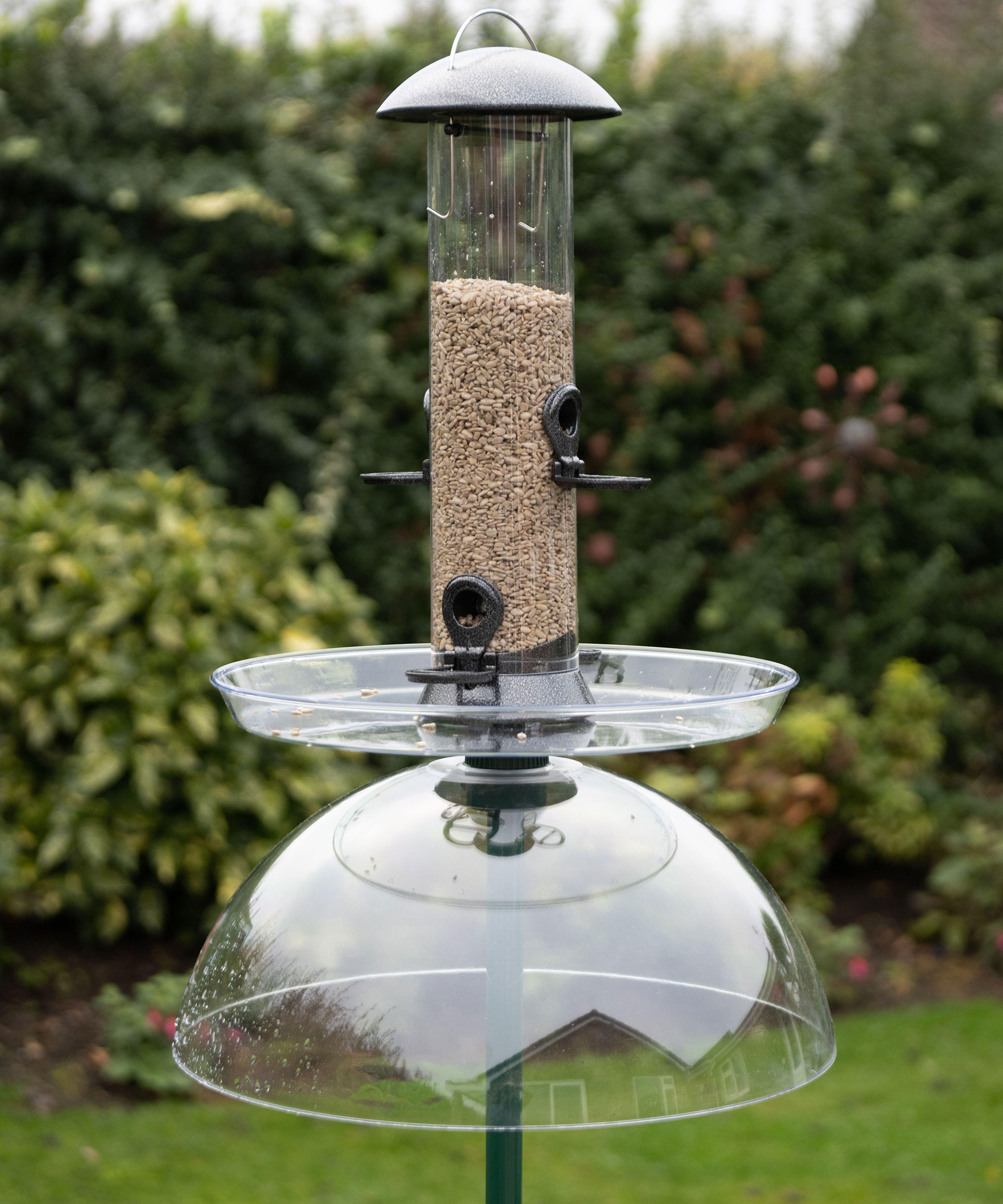
A baffle is a dome- or cone-shaped guard that you attach to the pole below the feeder. It prevents squirrels from climbing past because they can’t get around or hold onto the smooth, slippery surface.
When installing a baffle, make sure it’s at least 3 feet above the ground and 1 to 2 feet below the feeder. This spacing stops squirrels from jumping over or reaching the feeder by stretching from the baffle.
Choose a metal or sturdy plastic baffle—these materials stand up well to weather and squirrel attempts. I once tried a flimsy plastic baffle, and it didn’t take long before squirrels chewed through it. Investing in quality pays off.
Using Squirrel-proof Feeders
Squirrel-proof feeders are designed with built-in barriers or weight-sensitive mechanisms. They close off access to food when a heavier animal, like a squirrel, tries to feed.
Look for feeders with cages or spring-loaded perches that close under a squirrel’s weight. These feeders let smaller birds feed comfortably but keep squirrels frustrated.
One of the best features of these feeders is their self-cleaning design, which helps reduce seed waste and mess. Have you noticed how much seed squirrels can scatter? Using squirrel-proof feeders minimizes this problem and keeps your feeding area tidier.
Credit: www.homesandgardens.com
Deterrents And Repellents
Keeping squirrels off your bird feeder pole can be a tricky task, but using deterrents and repellents can make a big difference. These solutions target the squirrels’ senses or behaviors to discourage them from climbing. You might be surprised at how simple changes can protect your feeder without harming the animals.
Taste And Smell Repellents
Squirrels have strong taste and smell senses, which you can use to your advantage. Applying a squirrel-repellent spray with bitter or spicy ingredients on the pole can make climbing unpleasant for them. Many gardeners use sprays containing hot pepper or predator urine scents to keep squirrels away.
One time, I noticed squirrels avoided a pole I treated with a homemade mix of cayenne pepper and water. It was effective for weeks, but remember to reapply after rain. You might also try sprinkling substances like powdered mustard or garlic powder around the feeder base.
- Use commercial squirrel repellents safe for wildlife.
- Avoid products harmful to birds or pets.
- Test small amounts first to see if squirrels retreat.
Motion-activated Devices
Motion-activated devices work by startling squirrels when they approach. Devices like sprinklers or ultrasonic repellents activate only when movement is detected, so they won’t disturb your birds. These gadgets create an unpredictable environment that squirrels dislike.
When I installed a motion-activated sprinkler near my feeder, squirrels stopped coming around after a few days. The sudden water spray surprised them without causing harm. Ultrasonic devices emit high-frequency sounds that humans can’t hear, but squirrels find annoying.
- Place devices where squirrels usually climb.
- Check batteries or water supply regularly.
- Combine with other deterrents for best results.
Have you tried any of these deterrents before? What worked best to keep your feathered friends safe from squirrel raids?
Feeding Strategies To Divert Squirrels
Feeding squirrels alongside birds can be tricky, especially when squirrels decide to monopolize your bird feeder pole. Instead of just blocking their access, why not redirect their attention? Feeding strategies that divert squirrels can protect your bird feeder and keep both critters happy.
Separate Feeding Stations
Setting up a dedicated feeding station for squirrels away from your bird feeder pole can work wonders. Place a platform or tray feeder in a different area of your yard, stocked with treats squirrels love.
Try offering nuts like peanuts or sunflower seeds there. You’ll notice squirrels spending more time at their own spot, leaving your bird feeder alone.
Have you ever seen how squirrels quickly learn where food is easiest to get? Giving them a separate station takes advantage of their smart behavior.
Alternative Food Sources
Adding alternative food sources around your yard can keep squirrels interested and reduce their attempts to climb your feeder pole. Scatter some shelled peanuts or corn kernels in hidden spots under bushes or near trees.
This tactic offers variety and satisfies their hunger without risking your birdseed. Keep the alternative food fresh and replenished to maintain their interest.
What other natural treats could you provide to keep squirrels busy? Think about seasonal fruits or even a small pile of cracked corn.
Maintenance And Monitoring Tips
Install baffles on bird feeder poles to deter squirrels. Regularly check for damage or wear. Adjust placement to maintain effectiveness.
Keeping your bird feeder squirrel-free is an ongoing task, much like tending to a garden. With the right maintenance and monitoring, you can keep these clever critters at bay. Regular checks and a little attention to detail can make all the difference. Let’s dive into some practical tips for maintaining your bird feeder pole and ensuring it remains a no-squirrel zone.Regular Cleaning
Keeping your bird feeder and pole clean is crucial. A clean setup not only attracts more birds but also discourages squirrels. Use mild soap and water to remove any residue or food debris. Do you clean your feeder often? Doing so prevents buildup, which can attract unwanted guests. Plus, a clean feeder reduces the risk of disease for the birds you’re trying to feed.Checking For Damage
Regularly inspect your bird feeder pole for any signs of wear and tear. Look for bends, cracks, or loose components that could give squirrels an easy climb. How often do you check for damage? A quick glance every week can save you a lot of hassle. If you notice any issues, address them immediately to ensure your setup remains effective. Consider applying a coat of non-stick spray to the pole. This can make it more challenging for squirrels to grip and climb. It’s a simple trick, but it can be surprisingly effective. By incorporating these maintenance and monitoring tips into your routine, you’re not just keeping squirrels away; you’re enhancing the overall bird-watching experience. Remember, a little effort now can save you a lot of trouble later. What’s your favorite tip for keeping squirrels at bay?
Credit: www.reddit.com
Frequently Asked Questions
How Can I Stop Squirrels From Climbing Bird Feeder Poles?
Use squirrel baffles on poles to block their path. Place feeders away from trees and fences. Applying slippery coatings also helps prevent climbing.
What Type Of Squirrel Baffle Works Best?
Cone-shaped metal or plastic baffles are most effective. They prevent squirrels from reaching the feeder by creating a physical barrier.
Are Natural Deterrents Effective Against Squirrels?
Strong scents like peppermint oil or cayenne pepper can repel squirrels. However, results vary and may require frequent reapplication.
Can Feeder Placement Reduce Squirrel Access?
Yes, positioning feeders at least 6 feet from jump points limits squirrel access. Avoid placing feeders near tree branches or structures squirrels can jump from.
Conclusion
Keeping squirrels off your bird feeder pole takes some effort and patience. Use simple tools like baffles or slippery covers to block their climb. Regularly check and adjust your setup to keep squirrels away. Enjoy watching birds feed without unwanted visitors.
Small steps make a big difference in protecting your feeder. Stay consistent, and your bird feeder will stay squirrel-free.




