
Are you tired of waking up to the sound of birds chirping inside your house? Having birds fly or nest where they shouldn’t can be frustrating and even harmful to your home.
You might worry about damage, noise, or the mess they leave behind. But don’t worry—there are simple, effective ways to get rid of birds safely and keep them from coming back. Keep reading to discover easy steps you can take today to protect your home and enjoy your space without unwanted feathered visitors.
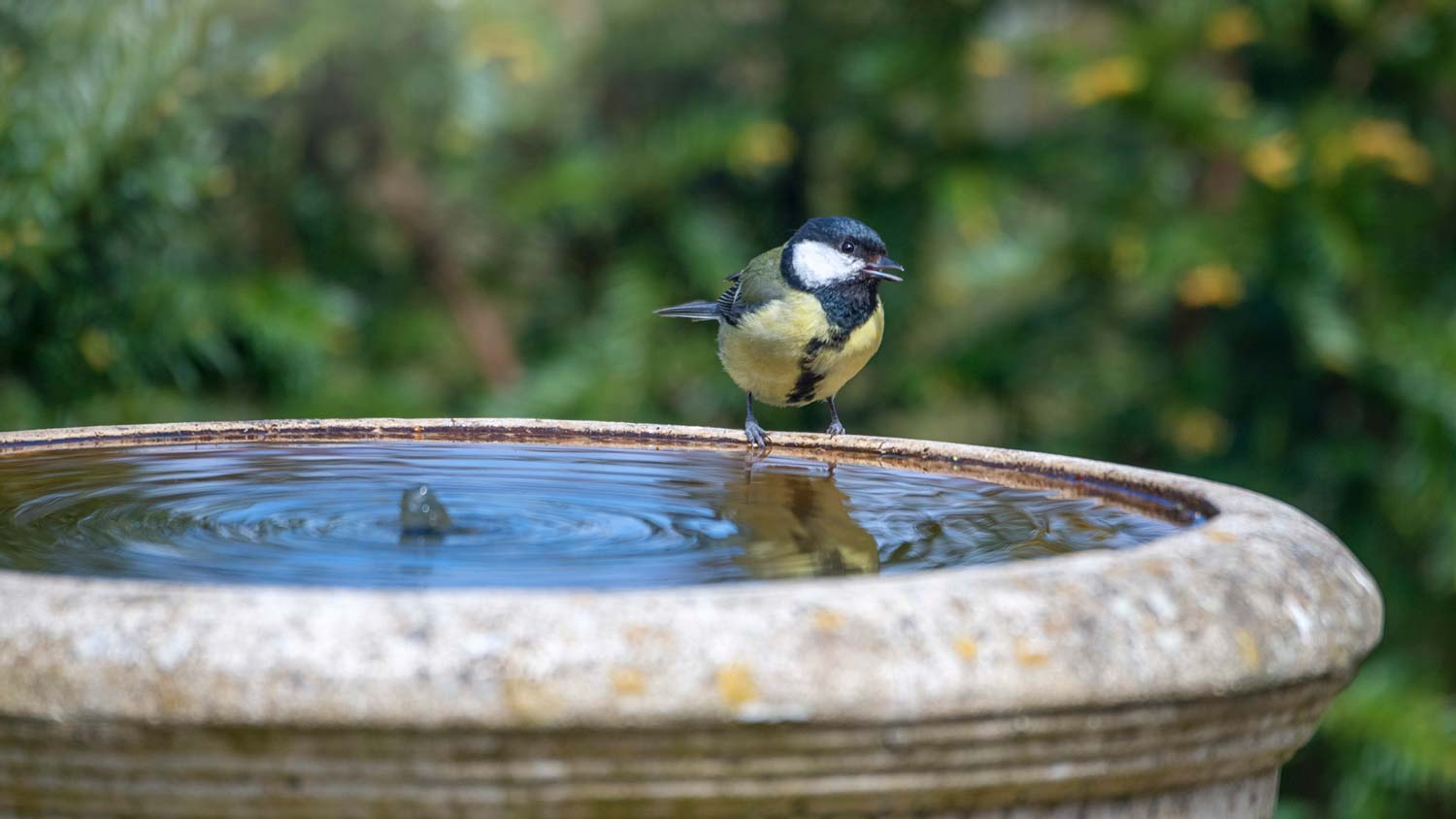
Credit: www.angi.com
Common Birds In Homes
Birds finding their way into homes can be surprising and sometimes frustrating. Knowing which birds commonly enter indoor spaces helps you understand their behavior and find effective ways to prevent or remove them. You might be dealing with familiar feathered visitors or unexpected guests, each with their own reasons for coming inside.
Types Of Birds That Enter Houses
Certain bird species are more likely to enter homes. These include:
- Pigeons:Often found in urban areas, pigeons sneak into attics or balconies.
- House Sparrows:Small and quick, they can slip through tiny openings near windows or vents.
- Swallows:Known for nesting in eaves and porches, they sometimes venture inside.
- Starlings:These birds are curious and can explore indoor spaces if doors or windows are left open.
- Robins and Finches:Occasionally, they enter by accident, especially if attracted by indoor plants or insects.
Recognizing these species helps you identify entry points and the best removal tactics.
Why Birds Choose Indoor Spaces
Birds don’t enter homes randomly. They are often searching for safety, food, or shelter.
Think about your own home environment. Does it have easy access points like open windows or chimneys? Birds spot these as opportunities.
During harsh weather or breeding seasons, indoor spaces offer warmth and protection. If you notice birds inside, ask yourself what might be attracting them. Could it be food crumbs, indoor plants, or a cozy corner?
Understanding their motivation helps you remove the attraction and prevent future visits.

Credit: www.familyhandyman.com
Signs Of Bird Infestation
Birds in your house can cause many problems. Early signs help spot an infestation fast. Watch closely for noises and visible damage. Acting early saves time and money. Recognize the signs to protect your home and health.
Noise And Droppings
Birds make loud noises, especially early morning and evening. Chirping, fluttering, and scratching sounds inside walls or attic indicate their presence.
Bird droppings are a clear sign. They appear near entry points, windows, and ledges. Droppings can stain surfaces and smell bad. They also carry germs that harm health.
Damage To Property
Birds peck and nest in roofs, vents, and gutters. This damages wood, insulation, and wiring. Nests block vents and drains, causing moisture and mold problems.
Feathers and nesting materials clog spaces and create fire risks. Look for chewed wires and holes in walls or ceilings. These damages need quick repair to avoid bigger issues.
Preventing Birds From Entering
Preventing birds from entering your house is the most effective way to avoid the hassles of bird infestations. Once you stop them at the door, you reduce the chances of damage, noise, and health risks. Taking proactive steps can save you time and stress later on.
Sealing Entry Points
Birds can slip through surprisingly small gaps in your home’s structure. Check around vents, chimneys, and attic openings for holes or cracks. Seal these with caulk, steel wool, or weatherproof foam to block their access.
Don’t forget less obvious spots like gaps under roof tiles or around window frames. Even a tiny opening can invite birds in. Have you checked your home’s exterior recently with a fresh pair of eyes?
Regularly inspect these areas, especially after storms or strong winds. Preventing entry is easier than chasing birds out later.
Using Screens And Nets
Installing screens or nets on windows, vents, and balconies creates a physical barrier birds can’t bypass. Choose durable materials designed for outdoor use to withstand weather and bird pecking.
Mesh size matters; too large, and small birds may still squeeze through. Aim for fine mesh with openings less than half an inch. This keeps even smaller species from invading your space.
- Use tension-fitted screens for easy removal and cleaning.
- Secure nets tightly to avoid sagging that birds can get under.
- Check screens regularly for tears or looseness.
Think about areas you don’t usually protect, like open eaves or uncovered vents. Have you considered how adding a simple net could save you from a nesting problem later?
Safe Bird Removal Techniques
Using gentle, humane methods helps remove birds without harm. Blocking entry points and using safe deterrents keeps birds away from your home.
Getting rid of birds in your house safely is important. Birds can be charming, but indoors they become a nuisance. Safe removal techniques protect both you and the birds. Here, we explore humane methods to encourage birds to leave your home.Non-harmful Deterrents
Use sound and light to deter birds. Hang wind chimes near entry points. Place reflective tape on windows. These create discomfort for birds without harm. Always keep windows and doors closed when not in use. Install screens to prevent re-entry. Natural deterrents like citrus scents can help. Birds dislike strong smells like citrus or peppermint.Trapping And Releasing
Trapping should be a last resort. Use a humane trap designed for small birds. Place birdseed inside as bait. Check traps regularly to avoid stress to the bird. Once caught, release the bird outside safely. Choose a location away from your house. Ensure the area is free from predators. Clean the trap after use to prevent disease.Professional Help Options
Sometimes, professional help is best. Experts can handle bird removal efficiently. They ensure no harm comes to the birds. Professionals can seal entry points to prevent future invasions. They also provide advice on bird-proofing your home. This option can save time and stress. Always choose a service that uses humane methods.Keeping Birds Away Long-term
Keeping birds away from your house for a long time needs effort and the right tactics. Birds can cause damage and bring dirt. Preventing their return saves time and protects your home. Focus on consistent care and smart changes around your house.
Regular Maintenance
Check your house often for signs of bird activity. Clean bird droppings and nests quickly. Seal holes and gaps where birds might enter. Replace damaged screens on windows and vents. Keep gutters clean to avoid standing water, which attracts birds.
Natural Repellents
Use safe, natural items to discourage birds from settling. Hang shiny objects like old CDs or aluminum foil strips near entry points. Place fake predators such as plastic owls or snakes around your home. Spray bird-safe essential oils like peppermint or eucalyptus near doors and windows.
Environmental Modifications
Change the area around your house to make it less attractive for birds. Trim trees and bushes close to your home. Remove food sources like uncovered trash or bird feeders near your house. Use netting or wire mesh on balconies and patios to block bird access.
Legal And Ethical Considerations
Removing birds from your home requires care beyond just practical steps. Legal and ethical considerations ensure your actions respect wildlife and the law. Ignoring these can lead to fines or harm to protected species.
Understanding these rules helps you act responsibly. It also promotes humane treatment of birds during removal. This section highlights key points about laws and ethical practices.
Protected Species Laws
Many birds are protected by law. These laws prevent harm or disturbance to certain species. It is illegal to trap, kill, or move these birds without permission.
Common protected species include:
- Swallows
- Owls
- Hawks
- Many songbirds
Always check local regulations before taking action. Contact wildlife authorities for guidance if needed. Ignorance of these laws is no excuse.
Humane Treatment Practices
Bird removal should cause no harm or distress. Avoid methods that injure or trap birds in unsafe ways. Use gentle, non-lethal techniques instead.
Effective humane methods include:
- Using bird deterrents like spikes or nets
- Blocking entry points after birds leave
- Encouraging birds to relocate naturally
Patience and care create a safe environment for both birds and humans. Respect for wildlife improves community health and safety.
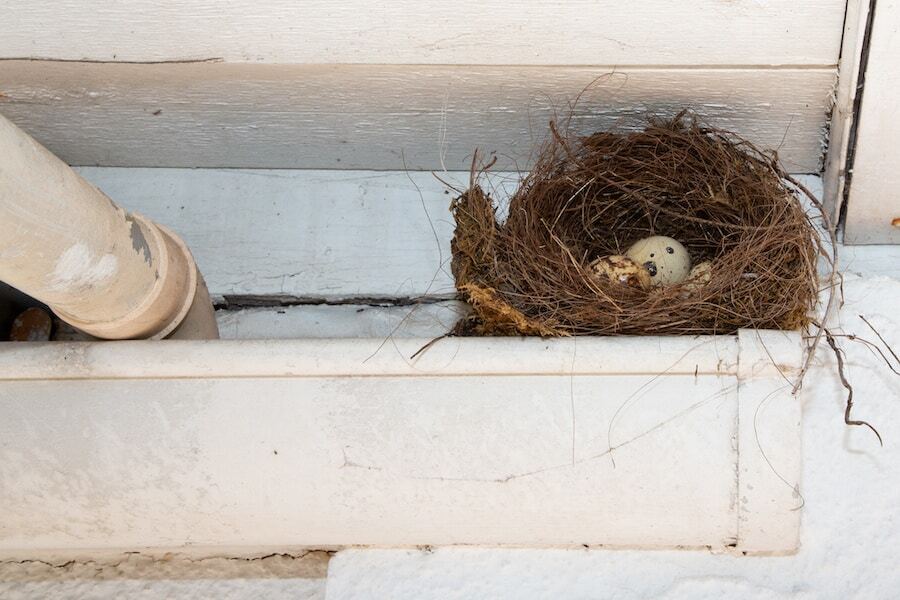
Credit: www.callnorthwest.com
Frequently Asked Questions
How Can I Safely Remove Birds From My House?
To safely remove birds, first identify entry points. Use humane traps or gently guide them outside. Avoid harming birds and seal entries to prevent return.
What Are Effective Bird Deterrents For Homes?
Effective bird deterrents include reflective objects, bird spikes, and ultrasonic repellents. These methods discourage birds without causing harm or damage to your home.
Why Do Birds Enter Houses Unexpectedly?
Birds enter houses searching for food, shelter, or nesting spots. Open windows and gaps in roofs or walls often invite them inside.
How Do I Prevent Birds From Nesting Indoors?
Regularly inspect and seal gaps, use bird netting or spikes outside. Remove nesting materials promptly to discourage birds from settling indoors.
Conclusion
Keeping birds out of your house takes patience and careful steps. Seal all openings where birds can enter your home. Use safe and gentle methods to encourage them to leave. Clean up food and nesting spots to avoid attracting birds.
Stay consistent with your efforts for the best results. Protect your home and enjoy a bird-free space. Remember, simple actions can make a big difference. Stay calm and act wisely to keep birds away.




