
Have you ever wondered how much tropical birds really cost? Whether you’re thinking about adding a colorful parrot to your home or simply curious about these beautiful creatures, knowing the price is key before making any decisions.
You want to make sure your investment is worth it—not just in money, but in care and commitment. Keep reading, and you’ll discover the real costs behind owning a tropical bird, what affects their price, and how to choose the perfect feathered friend for your lifestyle.
This information will help you avoid surprises and make the best choice for you and your future pet.

Credit: www.newscientist.com
Tropical Bird Varieties
Tropical birds come in many shapes, sizes, and colors. They live in warm places like rainforests and islands. These birds attract many people because of their beauty and unique sounds. Knowing the types of tropical birds helps you understand their care and cost.
Popular Species
Some tropical birds are common pets. They are easy to find and care for. Examples include:
- Budgerigar (Budgie) – Small and colorful parakeet
- Lovebird – Small, social, and bright-colored
- Conure – Medium-sized with playful behavior
- African Grey Parrot – Known for its intelligence and talking skill
These birds have a wide price range, depending on age and health. They fit well with first-time bird owners.
Rare And Exotic Birds
Some tropical birds are rare and exotic. They often cost more and need special care. Examples include:
- Hyacinth Macaw – Largest and bright blue parrot
- Eclectus Parrot – Known for its vivid red and green feathers
- Golden Conure – Bright yellow and rare in captivity
- Blue-throated Macaw – Critically endangered and very expensive
These birds need expert knowledge and a lot of attention. Their prices reflect rarity and demand.
Choosing The Right Bird
Choosing a tropical bird depends on your space and experience. Also, consider your budget and time for care.
Smaller birds like budgies suit small homes and beginners. Larger birds need more space and time.
Think about noise levels. Some birds are loud and active. Others are quiet and calm.
Research each species carefully. Match the bird’s needs to your lifestyle for a happy pet.
Price Ranges
Understanding the price ranges of tropical birds can help you make a smart choice that fits your budget and lifestyle. Prices vary widely depending on the species, rarity, and care requirements. Let’s break down what you can expect to pay across different categories.
Budget-friendly Options
If you’re new to tropical birds or have a limited budget, some species are surprisingly affordable. Birds like budgerigars (budgies) and cockatiels often cost between $20 and $150. These birds are social, relatively easy to care for, and great for beginners.
Keep in mind, lower initial costs don’t always mean lower overall expenses. You’ll still need to invest in a proper cage, food, and vet visits.
Mid-range Birds
Mid-range tropical birds usually cost between $200 and $1,000. Popular examples include conures, lovebirds, and some small macaws. These birds tend to have more personality and intelligence but require more attention and care.
Think about the long-term commitment before picking a mid-range bird. Their social needs and larger space requirements might surprise you.
High-end Tropical Birds
High-end tropical birds can cost from $1,000 to over $10,000. Species like African grey parrots, hyacinth macaws, and rare amazons fall into this category. Their stunning looks and complex behaviors make them highly sought after, but they demand expert care and a lot of time.
Are you ready for the responsibility that comes with a high-end bird? These birds live for decades and need a dedicated owner.
Factors Influencing Costs
The cost of tropical birds varies widely based on several key factors. Understanding these factors helps buyers make informed choices. Prices depend on the bird’s species, health, and breeder background. Each element adds value differently.
Species And Rarity
Species play a big role in pricing tropical birds. Rare species usually cost more because they are hard to find. Popular birds like parrots or cockatoos may have moderate prices. Exotic or endangered species demand higher prices due to limited availability.
Age And Health
Young birds often cost more than older ones. Buyers prefer young birds for easier training and bonding. Health is crucial; healthy birds require less vet care. Birds with health issues usually come with lower prices but higher risks. A healthy bird ensures long-term savings and happiness.
Breeder Reputation
Reputable breeders charge more because they offer quality birds. They ensure proper care, vaccinations, and socialization. Birds from trusted breeders tend to be healthier and better behaved. Choosing a well-known breeder reduces the risk of problems later.

Credit: www.ctvnews.ca
Initial Setup Costs
Setting up a home for tropical birds requires more than just picking out a pretty cage. The initial setup costs can add up quickly, and understanding where your money goes helps you budget wisely. Let’s break down the main expenses you’ll face before your tropical bird even moves in.
Cages And Enclosures
A sturdy, spacious cage is non-negotiable for tropical birds. Prices can vary widely based on size and material, from $100 for a basic metal cage to over $1,000 for custom-built aviaries. Think about the bird’s species and activity level—larger birds need bigger, stronger cages to stay healthy and happy.
Investing in a quality cage might seem costly upfront, but it saves money on replacements and health issues later. Have you checked if the cage bars are safe for your bird’s beak and claws? Avoid cages with toxic paint or sharp edges.
Feeding Supplies
Feeding your tropical bird properly means more than just seeds. You’ll need specialized feeders, water dispensers, and containers for fresh fruits and vegetables. Expect to spend around $30 to $100 on these basics.
Remember, tropical birds have sensitive diets. A good feeding setup encourages natural foraging behavior, which keeps your bird mentally stimulated. Have you thought about how easy it will be to clean and refill these supplies daily?
Toys And Accessories
Toys aren’t just for fun—they’re essential for your bird’s mental and physical health. Budget $20 to $50 for a variety of toys like ropes, bells, and puzzles. Rotate toys regularly to keep your bird engaged and prevent boredom.
Accessories like perches and swings also add comfort and exercise options. When choosing, consider materials safe for birds, like untreated wood or natural fibers. What kind of toys do you think your bird would enjoy most?
Daily Care Expenses
Owning a tropical bird requires daily attention and some expenses. These costs keep your bird healthy and happy. Daily care includes feeding, cleaning, and health check-ups. Understanding these costs helps you plan your budget better.
Food And Nutrition
Tropical birds need a balanced diet. Seeds alone are not enough. Fresh fruits, vegetables, and pellets are essential. These foods provide vitamins and minerals your bird needs. A daily food budget varies by bird size and type.
- Pellets: $1 to $3 per week
- Fresh fruits and vegetables: $2 to $5 per week
- Seeds and treats: $1 to $4 per week
Fresh water must be available every day. Changing water daily prevents illness.
Cleaning And Maintenance
Bird cages need daily cleaning for hygiene. Remove waste and leftover food daily. A weekly deep clean is also necessary. This keeps bacteria and odors away. Cleaning supplies add to daily costs.
- Cage liners or paper: $1 to $3 weekly
- Safe cleaning sprays: $2 to $5 monthly
- Perch and toy replacement: varies by bird activity
Regular cage cleaning supports your bird’s health and comfort.
Veterinary Care
Routine vet visits are important for tropical birds. Annual check-ups cost around $50 to $100. Birds may need vaccinations or parasite treatments. Unexpected illnesses can increase costs quickly.
- Annual health check: $50 to $100
- Vaccinations and parasite control: $20 to $50 yearly
- Emergency care: varies widely, often $100+
Budget for vet care to avoid surprises. Healthy birds live longer and need fewer treatments.
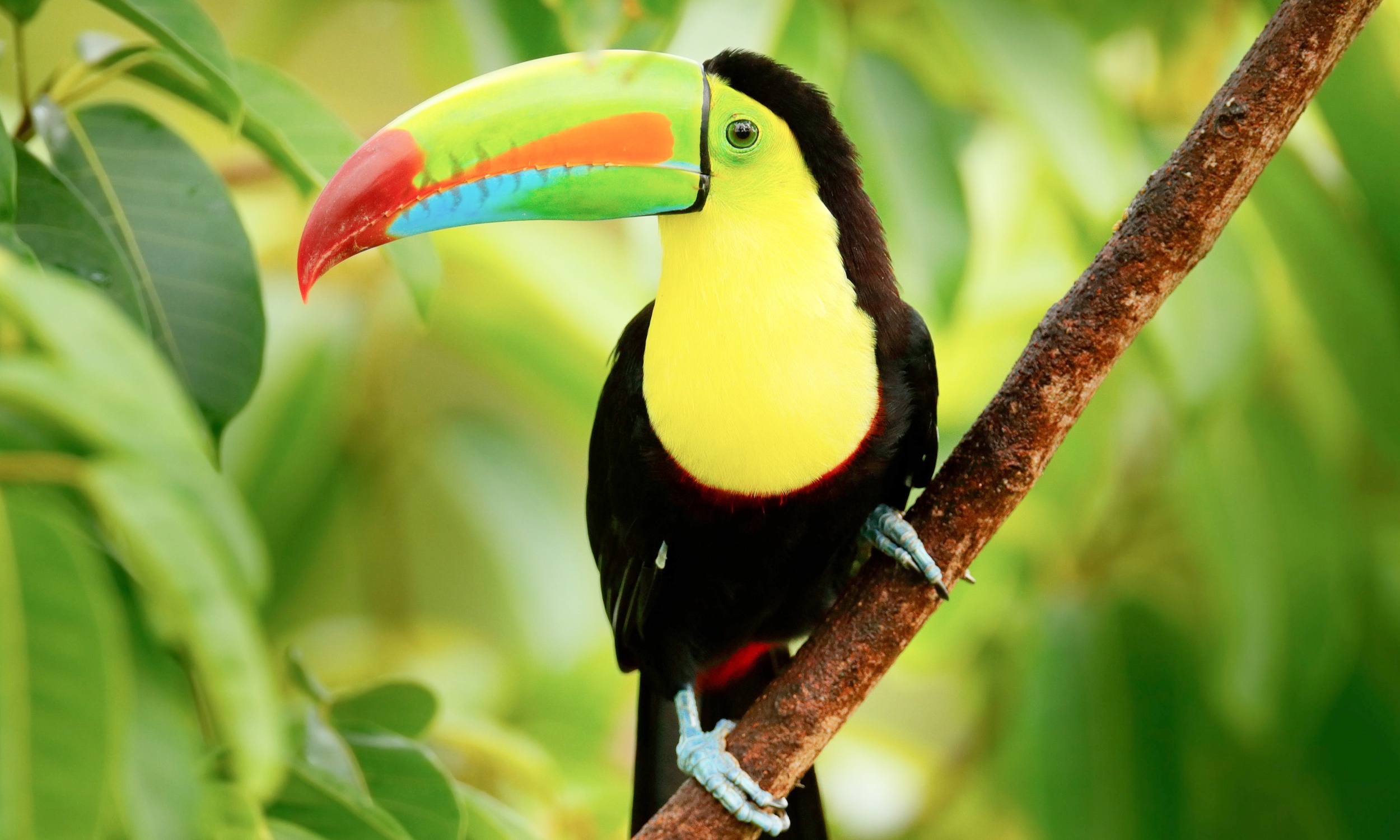
Credit: www.earth.com
Bird Behavior And Training
Understanding the behavior and training of tropical birds is essential for anyone considering these vibrant creatures as pets. These birds are not just visually stunning; they possess a rich social and interactive nature. Training them not only enhances your bond but also ensures their well-being and happiness.
Social Needs
Tropical birds are inherently social animals. They thrive on interaction and can become lonely if left in isolation. Regular engagement, like talking or playing, is crucial to their mental health.
Imagine a bird mimic your laughter or words; it’s a rewarding experience. This kind of interaction not only stimulates their mind but also builds trust. Are you ready to invest time in nurturing this bond?
Training Basics
Training tropical birds requires patience and consistency. Start with simple commands and gradually increase complexity. Use positive reinforcement, like treats or praises, to encourage desired behavior.
Consider setting a routine for training sessions. Consistent time slots help the bird anticipate and participate willingly. Have you ever thought about how structure can influence a bird’s learning pace?
Handling Challenges
Training isn’t without its challenges. Birds may exhibit stubbornness or fear during the process. It’s important to remain calm and patient, avoiding any negative reinforcement.
If a bird becomes aggressive, it might be feeling threatened. Evaluate the environment for stressors or distractions. How can you create a more conducive learning atmosphere for your feathered friend?
Remember, understanding your bird’s unique personality is key. Each bird responds differently, so tailor your approach to suit their individual needs.
Health And Lifespan
Understanding the health and lifespan of tropical birds is essential if you want to keep your feathered friend happy and thriving. These birds can live for many years, but their well-being depends greatly on proper care and awareness of common health risks. Are you ready to learn what it takes to give your tropical bird a long, healthy life?
Common Health Issues
Tropical birds often face specific health challenges that you should watch out for. Respiratory infections are frequent due to drafts or poor ventilation. Feather plucking can signal stress or underlying medical problems. Psittacosis, a bacterial infection, poses risks both to birds and humans.
Pay attention to changes in appetite, droppings, or behavior—they often reveal early signs of illness. Have you noticed your bird acting differently lately? Early detection can save lives and prevent costly vet visits.
Preventive Care
Preventive care is your best tool to avoid many health issues. Providing a balanced diet rich in fruits, vegetables, and high-quality pellets supports strong immunity. Regular cage cleaning reduces exposure to harmful bacteria and fungi.
Schedule annual check-ups with an avian vet who can catch problems before they become serious. You can also keep your bird mentally active with toys and social interaction, which lowers stress and improves overall health. What small changes can you make today to boost your bird’s wellness?
Expected Lifespan
The lifespan of tropical birds varies widely by species. Smaller birds like lovebirds often live around 10 to 15 years. Larger species, such as macaws and cockatoos, can live 40 years or more with proper care.
Keep in mind, a healthy environment and good nutrition play a huge role in extending your bird’s life. Imagine the joy of sharing decades with your vibrant companion—doesn’t that make investing in their health worthwhile?
Where To Buy Tropical Birds
Finding the right place to buy tropical birds can be challenging. It’s crucial to choose a trusted source. This ensures the health and happiness of your new feathered friend. Let’s explore some popular options for acquiring tropical birds.
Reputable Breeders
Reputable breeders offer healthy and well-cared-for birds. They provide detailed information about the bird’s history and care requirements. Visiting a breeder allows you to see the bird’s living conditions. This can give you confidence in your purchase. Ask the breeder questions about the bird’s diet and temperament. A good breeder will be knowledgeable and open.
Pet Stores
Pet stores are a convenient option for buying tropical birds. They often have a variety of species available. Ensure the store maintains clean and safe environments for their animals. Talk to the staff about the bird’s care needs and background. Observe the bird’s behavior and health before purchasing.
Adoption Options
Adopting a tropical bird is a rewarding option. Many birds need loving homes due to unforeseen circumstances. Check local animal shelters or bird rescue organizations. Adoption can be cost-effective and fulfilling. You’ll provide a second chance to a bird in need. Ask about the bird’s history and any special care it might require.
Legal And Ethical Considerations
Buying tropical birds isn’t just about price tags and colorful feathers. There are important legal and ethical questions you must consider before bringing one home. These factors protect both you and the birds, ensuring your new pet’s welfare and the health of wild populations.
Permits And Regulations
Many tropical bird species require special permits to own legally. These rules vary by country and sometimes even by state or city. You should check local laws thoroughly to avoid fines or confiscation.
For example, in the United States, the Migratory Bird Treaty Act protects certain species, making it illegal to capture or trade them without authorization. Getting the right paperwork shows you respect the law and the bird’s natural rights.
Conservation Impact
Think about where your bird comes from. Wild-caught birds can harm natural populations and ecosystems. Buying from responsible breeders helps reduce this pressure and supports conservation efforts.
Some species are endangered, and their trade is tightly controlled to prevent extinction. Are you comfortable contributing to a practice that might harm wild birds, or would you prefer supporting sustainable options that aid conservation?
Responsible Ownership
Owning a tropical bird means a serious commitment to its health and happiness. These birds live long and need specialized care, which can be costly and time-consuming. Understanding your responsibilities upfront helps avoid regret and poor care.
Before purchasing, ask yourself if you can provide a safe environment, proper diet, and social interaction. Being a responsible owner means more than buying a bird—it means dedicating yourself to its lifelong well-being.
Frequently Asked Questions
How Much Do Common Tropical Birds Cost?
Common tropical birds usually cost between $50 and $500. Prices depend on species, age, and rarity. Popular birds like parrots and toucans tend to be pricier. Always consider additional care expenses when budgeting.
What Affects The Price Of Tropical Birds?
Prices depend on species rarity, age, health, and breeding. Exotic or rare species cost more. Younger birds often have higher prices. Certified breeders usually charge more due to quality assurance.
Are Tropical Birds Expensive To Maintain?
Yes, maintenance costs include food, cage, toys, and vet care. Specialized diets and habitat needs can increase expenses. Regular vet checkups are essential to keep birds healthy and happy.
Can Tropical Bird Prices Vary By Location?
Yes, tropical bird prices vary by country and region. Import costs and local demand influence pricing. Urban areas may have higher prices than rural locations.
Conclusion
Tropical birds come in many types and prices. Some cost less, while rare ones can be expensive. Think about care, food, and space before buying. These birds need time and attention to stay happy. Choose a bird that fits your budget and lifestyle.
Enjoy the beauty and sounds they bring to your home. Owning a tropical bird can be a joyful experience.




