
Have you ever wondered what happens when someone catches bird flu? It’s a serious illness that can make you feel very sick.
But how do doctors actually treat bird flu to help you get better? Understanding the treatment can ease your worries and prepare you if you or someone close to you ever faces this challenge. Keep reading to discover the simple yet effective ways bird flu is treated, so you can stay informed and protect your health.
Symptoms Of Bird Flu
Bird flu is a viral infection that can affect both birds and humans. It is important to know the symptoms to act quickly.
Early detection helps in proper treatment and reduces the risk of spreading the virus.
Common Signs In Humans
People with bird flu may show flu-like symptoms. These signs often appear quickly after infection.
Symptoms can range from mild to severe, depending on the virus strain and the person’s health.
- Fever above 100.4°F (38°C)
- Cough and sore throat
- Muscle aches and fatigue
- Headache and chills
- Shortness of breath or difficulty breathing
- Eye redness or irritation
Symptoms In Birds
Bird flu affects many bird species. Signs in birds can help identify outbreaks early.
Birds may show sudden changes in behavior and health when infected.
- Sudden death without signs
- Swelling of the head, neck, and eyes
- Loss of appetite and weakness
- Ruffled feathers and difficulty flying
- Respiratory problems like sneezing and coughing
- Decreased egg production
When To Seek Medical Help
If you have symptoms after contact with birds, see a doctor immediately. Early care can save lives.
Seek urgent help if you notice severe breathing problems or high fever.
- Fever with cough and shortness of breath
- Chest pain or tightness
- Rapid breathing or difficulty speaking
- Confusion or drowsiness
- Any worsening symptoms despite home care
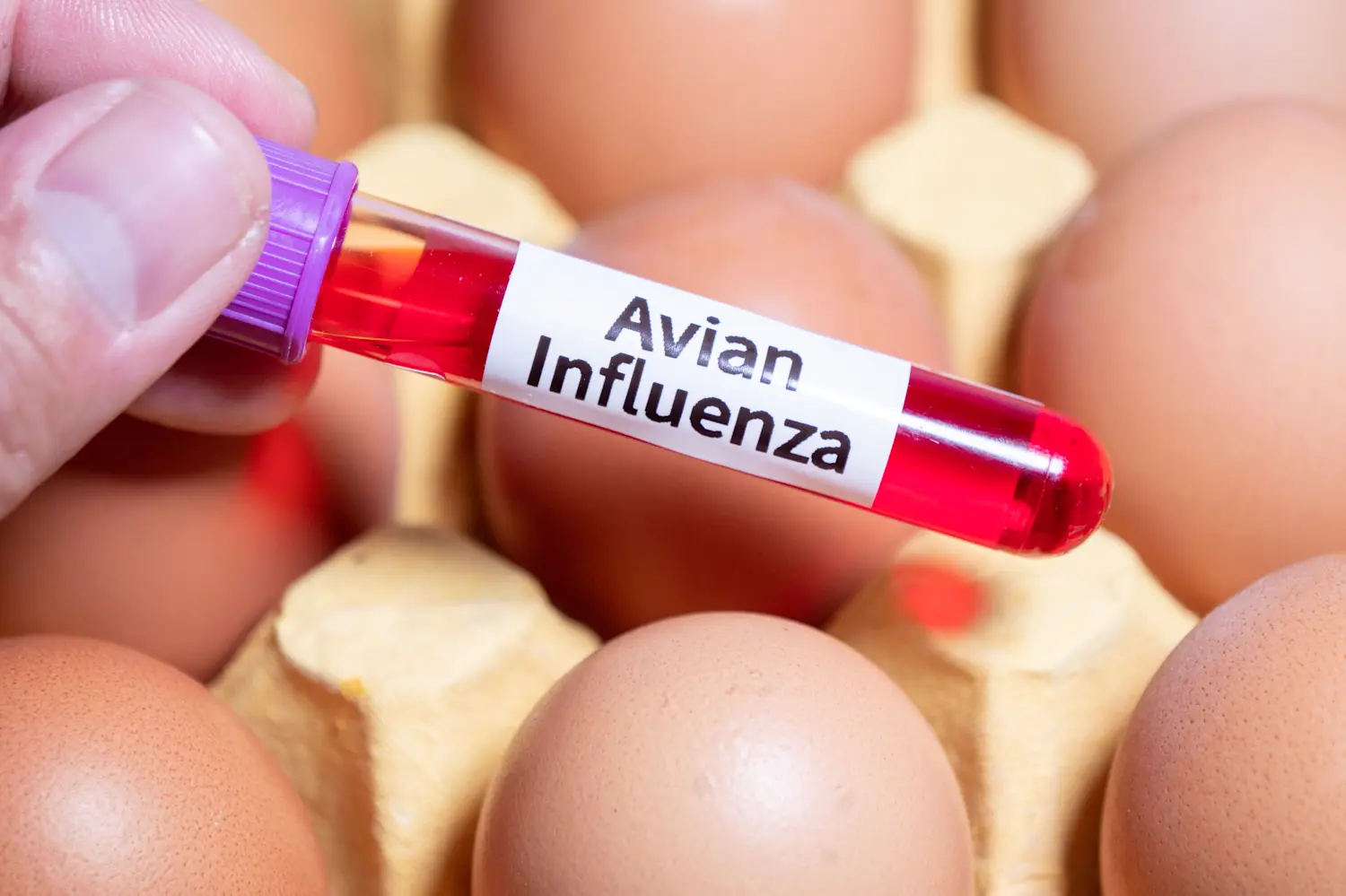
Credit: sesamecare.com
Diagnosis Techniques
Bird flu is a serious illness caused by viruses. Early diagnosis helps doctors give proper care quickly. Different tests and tools detect the infection.
Doctors use lab tests, imaging, and quick tools to find bird flu. These methods check the virus and body changes.
Laboratory Tests
Lab tests check samples from the nose or throat for the bird flu virus. They give clear results about infection.
Common lab tests include virus culture and molecular tests. These tests find virus parts or living virus in samples.
- Virus culture grows the virus in a lab to confirm infection
- Polymerase chain reaction (PCR) finds virus genes fast and accurately
- Serology tests check for antibodies made by the body
Imaging Methods
Imaging helps see how bird flu affects the lungs. It shows signs of infection and lung damage.
X-rays and CT scans are common imaging methods. They help doctors understand the illness severity.
- X-rays show lung inflammation or fluid buildup
- CT scans give detailed images of lung tissues
- Imaging helps decide treatment needs
Rapid Detection Tools
Rapid tools give quick results to detect bird flu. They help start treatment early and prevent spread.
These tools use simple tests that work outside labs. They detect virus proteins or genetic material fast.
- Rapid antigen tests identify virus proteins in samples
- Point-of-care molecular tests detect virus genes quickly
- Results usually come within minutes to a few hours
Antiviral Treatments
Bird flu is a viral infection that affects birds and can spread to humans. Treating bird flu usually involves antiviral medicines. These medicines help reduce the virus’s ability to multiply in the body.
Doctors use antiviral treatments to lower symptoms and prevent severe illness. Early treatment is important for the best results.
Commonly Used Medications
Two main antiviral drugs treat bird flu. They are oseltamivir and zanamivir. These drugs belong to a group called neuraminidase inhibitors. They stop the virus from spreading in the body.
- Oseltamivir is taken by mouth as a pill or liquid.
- Zanamivir is inhaled as a powder.
- Both work best if started within two days of symptoms.
Treatment Duration And Dosage
Doctors usually prescribe antiviral drugs for five days. The dose depends on the patient’s age and health. Adults and children may get different amounts.
It is important to finish the full course of medicine. Stopping early can let the virus grow again. Patients with severe illness may need longer treatment.
| Medication | Common Dosage | Duration |
|---|---|---|
| Oseltamivir | 75 mg twice daily | 5 days |
| Zanamivir | 10 mg twice daily (inhaled) | 5 days |
Resistance Issues
Some bird flu viruses can resist antiviral drugs. This means medicines may not work well. Resistance happens when the virus changes its structure.
Doctors watch for resistance to choose the best treatment. Using antiviral drugs carefully can reduce resistance. New medicines are being studied to fight resistant viruses.
- Resistance lowers drug effectiveness
- Early treatment helps reduce resistance
- Monitoring helps track resistant strains
Supportive Care Approaches
Bird flu is a serious illness caused by influenza viruses. Doctors treat it mainly by helping the body fight the infection. Supportive care helps ease symptoms and prevent problems.
This kind of care does not cure the virus but helps patients stay strong during recovery. It includes managing symptoms, hospital care, and avoiding complications.
Managing Symptoms
Doctors focus on reducing the main symptoms of bird flu. These include fever, cough, and difficulty breathing. Medicines and other treatments help keep patients comfortable.
- Use fever reducers like acetaminophen or ibuprofen.
- Give fluids to prevent dehydration.
- Provide oxygen if breathing is hard.
- Rest is important to help the body heal.
Hospitalization Needs
Some patients with bird flu need hospital care. This is true when symptoms are severe or breathing is difficult. Hospitals provide special treatments and constant monitoring.
| Reason for Hospitalization | Care Provided |
| Severe breathing problems | Oxygen therapy or ventilator support |
| High fever not controlled by medicine | Intravenous fever reducers and fluids |
| Dehydration | IV fluids and electrolyte balance |
| Complications like pneumonia | Antibiotics and close monitoring |
Preventing Complications
Complications can make bird flu worse. Care teams work to stop these problems early. They check the patient often and use treatments to avoid damage.
Common steps to prevent complications include:
- Watching for signs of pneumonia or other infections
- Using antiviral medications as prescribed
- Keeping airways clear with suctioning if needed
- Preventing bed sores with regular position changes
- Supporting nutrition through diet or feeding tubes
Preventive Measures
Bird flu is a serious disease that affects birds and can spread to humans. Preventing the illness helps protect animals and people.
There are several ways to reduce the risk of bird flu. These include vaccines, farm practices, and health rules for the public.
Vaccination Options
Vaccines help birds build immunity against bird flu. Poultry farmers use vaccines to lower outbreaks in flocks. Not all bird flu strains have vaccines yet.
Vaccinating birds can stop the spread and reduce deaths. It is a key tool in controlling bird flu on farms.
Biosecurity In Poultry Farms
Biosecurity means keeping farms clean and safe from disease. Farmers follow strict rules to stop bird flu from entering or spreading.
- Limit visitors and vehicles on the farm
- Use disinfectants on shoes and equipment
- Keep wild birds and other animals away from poultry
- Isolate new or sick birds from the flock
- Clean and remove dead birds quickly
Public Health Guidelines
| Guideline | Description |
| Avoid Contact | Do not touch sick or dead birds |
| Cook Poultry Well | Heat meat and eggs to safe temperatures |
| Report Illness | Tell health workers if you feel sick after bird contact |
| Wash Hands | Use soap after handling birds or eggs |
| Use Protective Gear | Wear masks and gloves if working with birds |
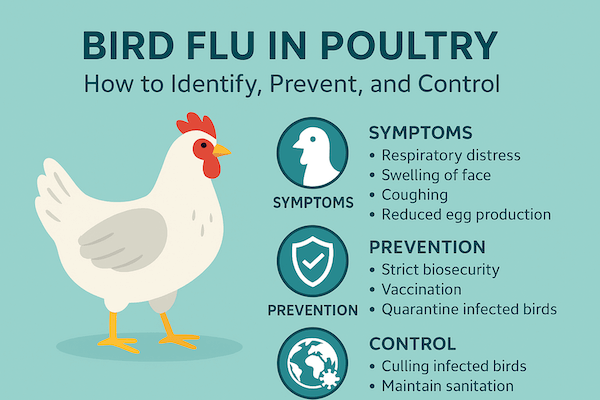
Credit: www.bivatec.com
Expert Insights
Bird flu is a serious disease that affects birds and can spread to humans. Experts study how to treat it effectively. Treatment aims to stop the virus and help patients recover.
This article shares expert insights on the latest research, treatment challenges, and future directions for bird flu care.
Latest Research Developments
Scientists have found new antiviral drugs that target bird flu strains. Vaccines are also improving to protect more people. Studies show early treatment reduces death rates.
- New antiviral medications are being tested.
- Improved vaccines offer wider protection.
- Research on virus mutations helps update treatments.
- Better diagnostic tools allow faster detection.
Challenges In Treatment
Treating bird flu is hard due to virus changes and drug resistance. Some patients do not respond well to current medicines. Access to care is limited in some areas.
| Challenge | Description |
| Virus Mutation | The virus changes, making drugs less effective. |
| Drug Resistance | Some strains do not respond to antiviral drugs. |
| Limited Healthcare | Not all regions have access to treatment. |
| Delayed Diagnosis | Late detection can worsen patient outcomes. |
Future Directions
Experts plan to develop stronger medicines and better vaccines. They also want faster tests and wider treatment access. Education on prevention will help reduce bird flu spread.
- Create antiviral drugs that work on all strains.
- Develop vaccines that last longer and protect more people.
- Improve rapid testing for early detection.
- Expand healthcare services in high-risk areas.
- Educate communities on how to prevent infection.

Credit: www.youtube.com
Frequently Asked Questions
What Medications Are Used To Treat Bird Flu?
Antiviral drugs like oseltamivir and zanamivir are commonly used to treat bird flu. They reduce virus replication and symptoms if taken early.
How Is Bird Flu Diagnosed In Humans?
Bird flu diagnosis involves lab tests on respiratory samples. PCR tests detect the virus’s genetic material accurately and quickly.
Can Bird Flu Be Treated At Home?
Mild cases may be managed at home with rest and fluids. However, severe cases require immediate medical attention and antiviral therapy.
How Long Does Bird Flu Treatment Take?
Treatment usually lasts 5 to 10 days with antivirals. Full recovery time varies depending on severity and patient health.
Conclusion
Treating bird flu requires careful steps. Early detection is crucial. Doctors often use antiviral drugs. These help reduce symptoms. Rest and hydration are also important. Vaccines can prevent outbreaks. Protecting poultry and avoiding contact with sick birds is key. These measures control the spread.
It’s vital to stay informed. Follow health guidelines for safety. Simple practices make a big difference. Working together helps keep everyone safe. Stay aware. Stay protected. Understanding these treatments aids prevention.




