
Have you ever noticed tiny ants invading your bird feeder? It’s frustrating when your peaceful backyard spot turns into an ant highway.
You might be wondering, do bird feeders actually attract ants? Understanding why this happens can help you protect your feeder and keep those unwanted guests away. Keep reading, and you’ll discover simple, effective ways to enjoy your bird feeder without sharing it with ants.
Why Ants Are Drawn To Bird Feeders
Bird feeders offer a steady food source that attracts many creatures, including ants. These tiny insects are always searching for easy meals. Bird feeders often provide exactly that. Ants are drawn to the sweet and protein-rich foods left behind or spilled by birds. This makes feeders a hotspot for ant activity. Understanding why ants gather around bird feeders helps in managing their presence effectively.
Common Food Sources For Ants
- Seed hulls and crumbs dropped by birds
- Sticky nectar from hummingbird feeders
- Spilled sugar water or syrup mixes
- Insects trapped near the feeder
- Moisture from water sources in the feeder area
These food sources provide ants with energy and nutrients. Ants are especially attracted to sugary and protein-rich items. Bird feeders often spill these foods, creating easy access for ants.
How Bird Feeders Create Ant Pathways
Ants follow scent trails to food. Bird feeders often have spills that lead ants directly to the source. The structures themselves can act as bridges or highways for ants. Ants use nearby branches, poles, or wires to reach feeders. Moisture around feeders can also attract ants, encouraging them to build nests close by.
Once ants find food, they leave chemical trails. These trails guide others from the colony. This results in long lines of ants moving between their nest and the feeder. The constant presence of food encourages ants to keep these pathways clear and active.
Signs Of Ant Infestation Near Feeders
Noticing ants near your bird feeders can quickly shift from a minor annoyance to a full-blown infestation if you don’t catch the signs early. Recognizing these signs can save your feeders and keep your feathered visitors happy. Knowing what to look for will help you act before ants take over.
Visual Cues To Spot Ant Activity
Look closely at the feeder and the ground around it. You might see small trails of ants marching in a line, often carrying tiny crumbs back to their nest. These trails usually start from the feeder and lead to hidden spots like cracks or soil.
Check the feeder’s base and feeding ports for ants clustering or crawling inside. Sticky or damp spots on the feeder can attract ants, and you may notice bits of spilled seed or nectar that encourage their presence. Sometimes, you’ll even spot tiny piles of ant waste or discarded seed husks near the feeder.
Impact On Bird Feeding Experience
Ants can quickly ruin the peaceful joy of watching birds come to your feeder. They compete with birds for food, often scaring smaller species away. You might see birds avoiding the feeder altogether if ants swarm the area.
Besides disturbing the birds, ants can contaminate the food, making it unhealthy for your feathered friends. This can lead to fewer visits and less vibrant bird activity in your yard. Have you noticed your favorite birds disappearing after ants showed up? That’s a clear sign it’s time to act.
Choosing Ant-resistant Bird Feeders
Choosing ant-resistant bird feeders can save you from the hassle of dealing with persistent ant invasions. Ants are drawn to the food residue and sugary liquids often found around feeders. Picking the right feeder can make a huge difference in keeping these tiny intruders at bay and allowing you to enjoy birdwatching without constant maintenance.
Materials That Deter Ants
Some materials naturally discourage ants from climbing or lingering on bird feeders. Smooth metals like stainless steel or aluminum are tough for ants to grip, making it harder for them to reach the food. Plastic feeders with a slick, glossy finish can also reduce ant traffic.
Wooden feeders, while attractive, often absorb moisture and become inviting for ants. If you prefer wood, look for models treated with non-toxic sealants that create a barrier against ants. Avoid feeders with rough surfaces or crevices where ants can hide or build nests.
Design Features To Prevent Ant Access
Effective bird feeders have design elements that block ants from accessing the food. Look for feeders with built-in ant moats—small water-filled barriers that ants cannot cross. These moats act as natural traps and are easy to refill and clean.
Feeders that hang from thin wires or cords can also deter ants, especially if you add ant guards—smooth metal or plastic discs that ants can’t climb over. Some designs include seed trays with protective rims, making it harder for ants to crawl up. Have you noticed how even slight changes in feeder placement or design can cut down ant problems dramatically?
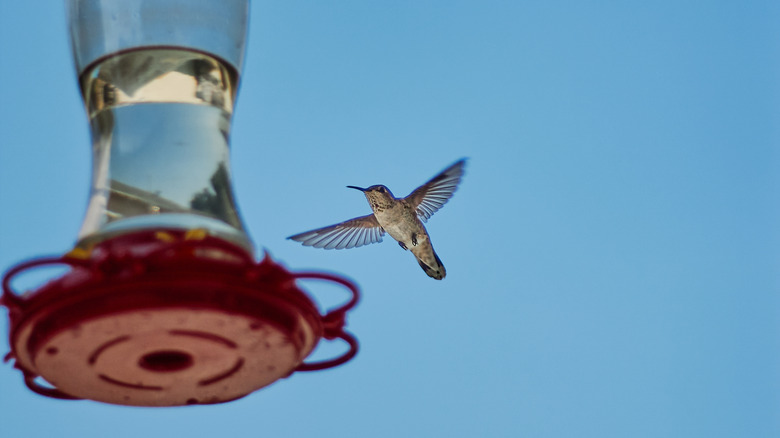
Credit: www.housedigest.com
Effective Natural Barriers Against Ants
Bird feeders often attract ants searching for spilled seeds and sweet nectar. Creating natural barriers like cinnamon or petroleum jelly around feeders helps keep ants away effectively. These simple solutions block ants without harming birds or the environment.
Bird feeders can be a delightful addition to your garden, drawing in a variety of beautiful avian visitors. However, they can also become a magnet for unwanted guests like ants. While commercial ant repellents are available, many people prefer natural methods to keep these pesky insects at bay. Implementing effective natural barriers against ants not only protects your bird feeders but also ensures that you maintain a safe and eco-friendly environment for the birds and other wildlife.Using Essential Oils And Vinegar
Essential oils are a fantastic natural solution to deter ants. Oils such as peppermint, tea tree, and citrus are particularly effective. Simply mix a few drops with water in a spray bottle and apply it around the base of your bird feeder. Vinegar is another powerful ally. Its strong odor disrupts ant trails and makes the area less appealing. Spray a vinegar solution around the feeder, and reapply regularly, especially after rain. Why not experiment with different scents? You might discover a combination that not only repels ants but also makes your garden smell divine.Applying Diatomaceous Earth Around Feeders
Diatomaceous earth (DE) is a natural powder that works wonders in repelling ants. It’s safe for birds and pets but deadly to insects. Sprinkle a thin layer around the base of your bird feeder. This powder works by dehydrating ants, effectively deterring them from crossing the barrier. Make sure to reapply after rain, as moisture reduces its effectiveness. Have you tried using DE before? Share your experiences and let others know how this simple solution worked for you.Maintenance Tips To Reduce Ant Attraction
Keeping ants away from your bird feeders requires consistent care and attention. Small habits in maintenance can make a big difference in whether ants find your feeder inviting or not. Let’s look at practical tips that you can apply to keep your bird feeder ant-free and your feathered friends happy.
Regular Cleaning Routines
Cleaning your bird feeder often is a simple way to reduce ant attraction. Seeds, husks, and sticky residues can build up and create a perfect snack spot for ants.
Try to clean your feeder at least once a week. Use warm, soapy water and a brush to scrub all surfaces thoroughly.
Don’t forget to rinse well to remove any soap traces that might harm birds. Dry the feeder completely before refilling it. This routine limits leftover food that ants could latch onto.
Proper Seed Storage And Spillage Control
Where you keep your birdseed matters as much as how you store it. Always use airtight containers to keep seeds dry and prevent ants from smelling and reaching them.
Spilled seeds on the ground are an open invitation for ants. Place a tray or mat under your feeder to catch spills, making cleanup easier.
Consider spreading a thin layer of diatomaceous earth around the base of the feeder pole—it’s a natural barrier that ants avoid. Have you noticed how small changes in seed handling can reduce ant visits dramatically?

Credit: www.hummingbirdsociety.org
Safe Chemical Solutions For Ant Control
Ants invading your bird feeder can be frustrating, but not all chemical solutions are safe for your feathered visitors. Choosing the right ant control products requires careful attention to ensure the health of birds around your feeder. Safe chemical options exist that effectively deter ants without posing harm to birds or the environment.
Selecting Bird-safe Ant Repellents
Look for ant repellents labeled as non-toxic or bird-safe. Products containing natural ingredients like peppermint oil, diatomaceous earth, or boric acid in low concentrations tend to be safer choices. Avoid strong pesticides or insecticides that can harm birds or contaminate their food.
Ask yourself: does this repellent break down quickly without leaving harmful residues? This is crucial because lingering chemicals near feeders can affect bird health over time. Check reviews or consult local wildlife experts to find trusted products that balance effectiveness with safety.
Application Techniques To Protect Birds
Applying ant repellents correctly makes a big difference in protecting birds. Focus on treating areas where ants enter or trail, such as feeder poles or nearby surfaces, rather than the feeder itself. This reduces the chance of birds coming into direct contact with chemicals.
Use barriers like sticky tapes or ant moats combined with safe repellents to create a multi-layered defense. Always apply treatments during times when birds are less active, such as early morning or late evening, to minimize exposure. Regularly clean feeders and replace seed to further discourage ants without relying solely on chemicals.
Alternative Feeding Strategies
Ants often invade bird feeders, drawn by spilled seeds and sugary liquids. This can frustrate bird lovers who want to keep feeders clean and accessible for birds only. Trying different feeding methods helps reduce ant problems and keeps birds happy. These alternative feeding strategies offer simple ways to protect your bird feeder from ants.
Elevated Feeding Stations
Raising feeders off the ground creates a natural barrier for ants. Use poles or stands at least three feet high. Adding a smooth metal or plastic baffle around the pole stops ants from climbing up. Keep poles away from trees or fences that ants can use to jump onto feeders. Elevated stations also make it easier to clean spilled seeds and reduce ant trails.
Using Feeding Trays With Ant Guards
Feeding trays with built-in ant guards help keep ants away from food. These trays often have a water moat or sticky barrier around the edges. Ants cannot cross these obstacles, so they stay away from seeds or nectar. Choose trays made from durable materials that are easy to clean. Regularly check and refill water moats to maintain their effectiveness.

Credit: feedmybirds.com
Frequently Asked Questions
Do Bird Feeders Attract Ants To My Garden?
Yes, bird feeders can attract ants. Ants are drawn to spilled seeds and sweet liquids. Proper feeder maintenance helps reduce ant presence.
How Can I Prevent Ants From Invading Bird Feeders?
Use ant moats or barriers around feeders. Clean spills regularly and avoid overfilling. These steps limit ant access effectively.
Are Certain Bird Feeder Types More Prone To Ants?
Feeders with sugary liquids or sticky seeds attract more ants. Tube feeders with dry seeds tend to attract fewer ants.
Can Ants Harm The Birds Visiting Feeders?
Ants generally do not harm birds. However, large ant infestations may disturb feeding and reduce bird visits.
Conclusion
Bird feeders can attract ants if food spills on the ground. Ants follow sweet or oily seeds easily. Keeping feeders clean helps reduce ant problems. Using ant guards or hanging feeders can block ants. Watching your bird feeder daily can stop ants early.
Enjoy feeding birds without worrying about ants invading. Small steps keep your garden neat and pest-free. Simple care makes bird feeding a pleasant hobby.




