
Have you ever wondered what creatures threaten the colorful birds in the tropical rainforest? These vibrant birds may seem safe as they sing and flutter through the trees, but many hidden predators are always on the lookout.
Understanding what eats birds in this lush environment will surprise you and reveal a fascinating side of nature you rarely see. Keep reading to discover the secret hunters that shape the lives of these amazing birds—and why knowing this matters to you and the world around you.
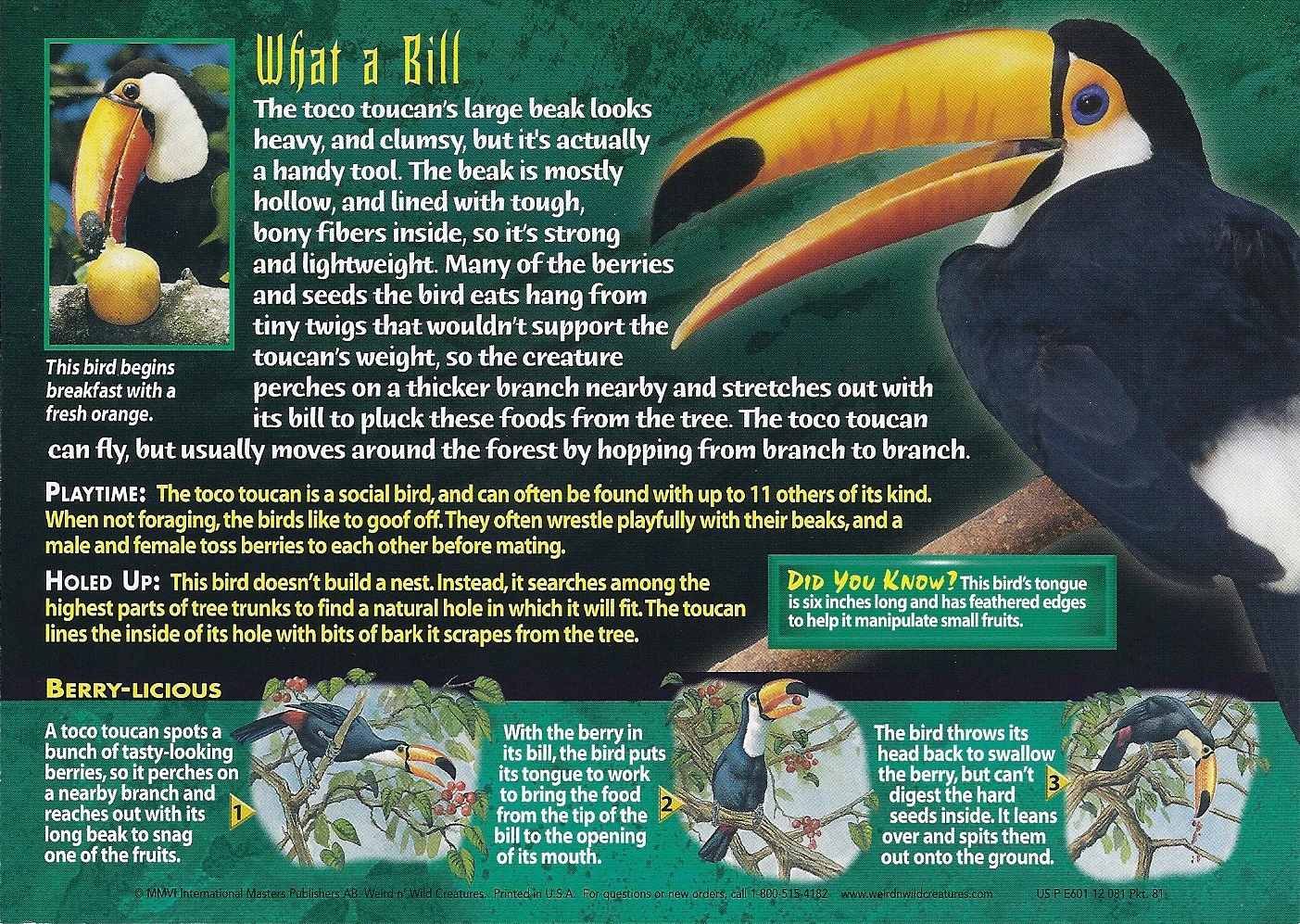
Credit: weirdnwildcreatures.fandom.com
Bird Predators In Rainforests
Birds in tropical rainforests face many dangers from predators. These predators come from different animal groups. They hunt birds for food and keep the ecosystem balanced. Understanding these threats helps us appreciate the complexity of rainforest life.
Common Bird Hunters
Many animals in rainforests prey on birds. Some are fast and rely on surprise. Others use strength or stealth. Predators include mammals, reptiles, and other birds. Each has unique hunting methods.
Predatory Mammals
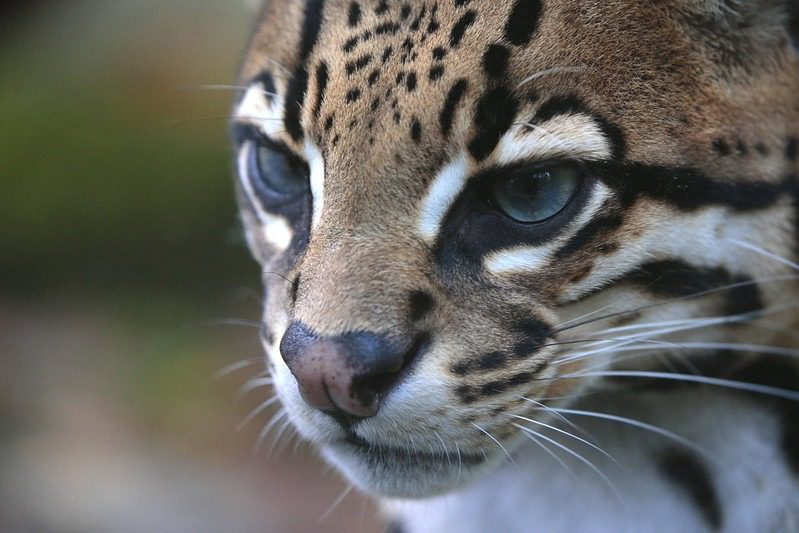
Mammals hunt birds mostly at night. Small cats like ocelots and margays climb trees quietly. They catch birds resting or feeding. Some monkeys eat bird eggs and chicks. Bats can also catch small birds on the wing.
Reptilian Threats
Snakes are common reptile hunters in rainforests. They use camouflage to get close to birds. Tree boas and pythons strike quickly. Some lizards, like monitor lizards, eat bird eggs. These reptiles wait near nests or on branches.
Birds Of Prey
Raptors are top bird hunters. Hawks, eagles, and owls have sharp talons and strong beaks. They spot prey from high above. Some hunt during the day, others at night. Their speed and vision make them deadly predators.
Credit: puertomaldonadotours.com
Hunting Strategies
Understanding the hunting strategies of animals that prey on birds in the tropical rainforest reveals a fascinating world of survival and adaptation. These predators have developed unique ways to catch their avian targets, taking advantage of the dense foliage, varied light conditions, and the birds’ own behaviors. Knowing these tactics can change how you observe birdlife and even help you protect these creatures if you’re working in conservation.
Ambush Techniques
Many predators rely on patience and surprise. They often remain perfectly still, hidden among leaves or branches, waiting for a bird to come close enough to snatch. This tactic requires incredible stealth and timing—any sudden movement can scare the prey away.
Have you ever noticed how some snakes seem to freeze when you approach? This isn’t just stillness; it’s a carefully calculated ambush. These predators blend into the environment, striking only when the bird is within reach.
Aerial Attacks
Some predators take the fight to the air. Raptors like hawks and eagles use speed and sharp talons to catch birds mid-flight. Their attacks are swift and precise, minimizing the chance for the prey to escape.
Watching a hawk dive at incredible speed is a reminder of how the rainforest is a three-dimensional battleground. The predator uses height and momentum, making it tough for birds to evade once spotted.
Nocturnal Predation
Nighttime hunters have an advantage when many birds are asleep or less alert. Owls and some mammals use the cover of darkness to approach silently. Their keen hearing and night vision make them effective predators after sunset.
Think about how quiet the rainforest becomes at night. This silence is deceptive—it actually sets the stage for some of the most successful bird hunts. If you’re out at night, notice how little noise you make to avoid disturbing these stealthy predators.
Use Of Camouflage
Camouflage is a vital tool for many predators. They mimic leaves, bark, or shadows to remain unseen. This disguise allows them to get close enough to strike without alarming their prey.
Imagine a jaguar lying motionless, its spotted coat blending perfectly with the dappled sunlight. This natural invisibility makes it an expert hunter. Could you spot such a predator if you were walking through the jungle?
Vulnerable Bird Species
Birds in the tropical rainforest face many dangers. Some species are more at risk than others. These vulnerable birds often become prey to various predators. Understanding which birds are vulnerable helps us learn about the rainforest’s food web.
Ground Nesters
Ground nesters build their nests on the forest floor. This exposes them to snakes, wild cats, and large insects. Their eggs and chicks are easy targets. Many ground nesters rely on camouflage to stay safe. Despite this, many fall victim to predators searching for food.
Small Songbirds
Small songbirds live in the dense forest canopy. Their size makes them easy prey for larger birds and mammals. These birds must stay alert and avoid open spaces. Their quick movements help them escape danger. Still, many small songbirds do not survive long in the wild.
Parrots And Parakeets
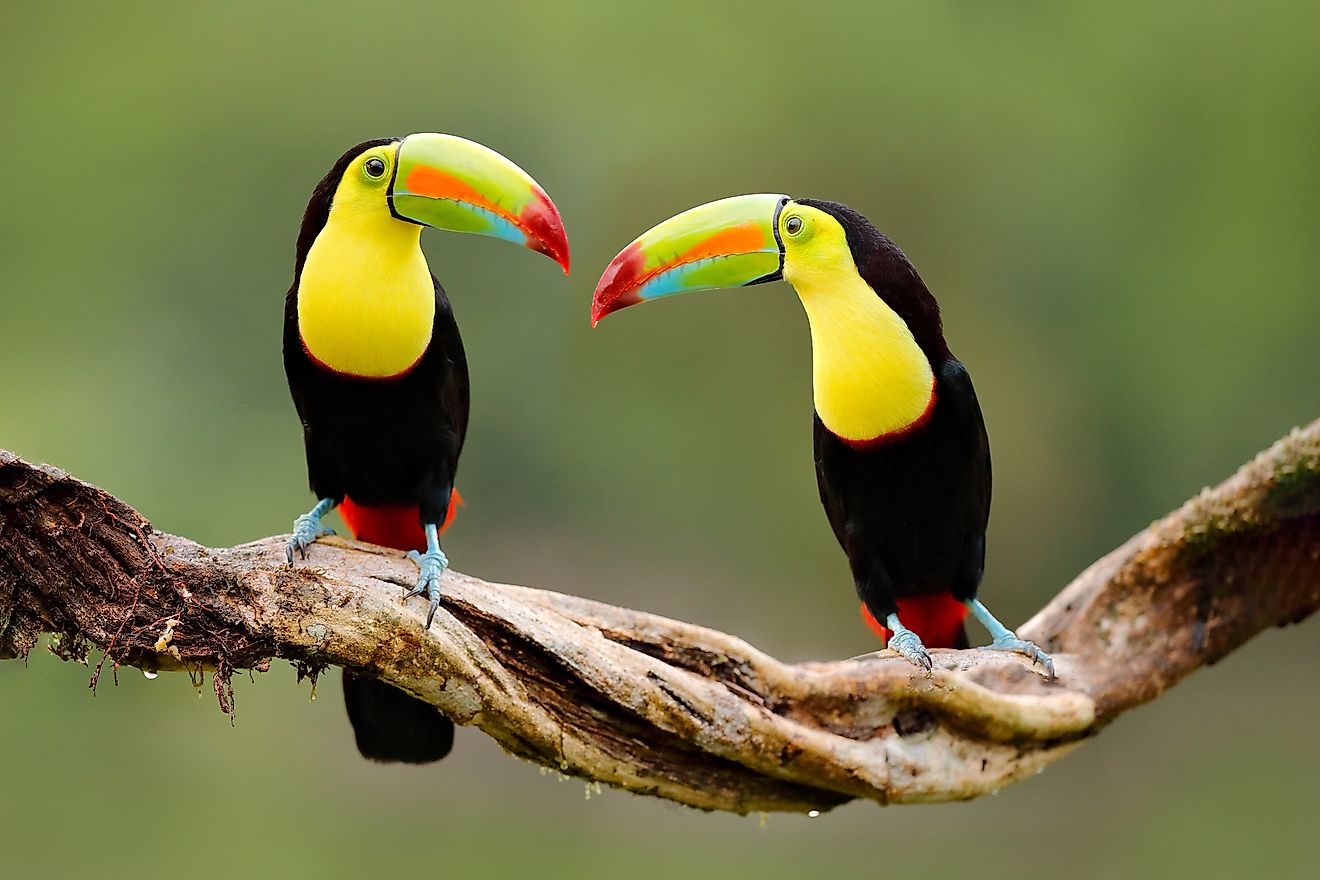
Parrots and parakeets have bright colors that attract attention. Predators like monkeys and snakes often target them. These birds nest in tree holes, which provide some safety. Their loud calls can also warn others about danger. Despite this, their nests are often raided by predators.
Nestlings And Eggs
Young birds and eggs face the highest risk. They cannot defend themselves or fly away. Predators such as ants, snakes, and birds look for nests to find food. Parent birds work hard to protect their young. Yet many eggs and nestlings do not survive to adulthood.
Credit: www.worldatlas.com
Ecosystem Impact
The tropical rainforest thrives on complex interactions among its inhabitants. Predators that eat birds play a crucial role in shaping this vibrant ecosystem. Understanding their impact helps you appreciate the delicate balance that keeps the forest alive and diverse.
Predator-prey Balance
Predators, such as snakes, larger birds, and mammals, help regulate bird populations by hunting the weak and sick. This natural selection keeps the bird community healthy and strong. Without these predators, some bird species might overpopulate, leading to resource depletion.
Have you noticed how a balanced ecosystem feels more stable? That’s because predator-prey relationships keep species numbers in check, preventing any one group from dominating.
Bird Population Control
Controlling bird numbers affects more than just the birds themselves. It influences the spread of seeds and insects since many birds act as pollinators or pest controllers. When predators reduce bird numbers, it indirectly shapes plant growth and insect populations.
Think about the last time you saw a burst of flowers or a quiet insect season—these events often tie back to how predator-prey dynamics are playing out. Your awareness of these patterns can deepen your connection to nature’s rhythms.
Effects On Biodiversity
Predators that eat birds contribute to maintaining biodiversity by preventing any single species from becoming too dominant. This balance allows a variety of plants and animals to coexist peacefully. High biodiversity increases the resilience of the rainforest to environmental changes.
Imagine a forest where one bird species overtakes all others—would the ecosystem be as rich? By controlling bird populations, predators ensure the survival of many species, making the rainforest a mosaic of life you can explore and enjoy.
Adaptations For Survival
The tropical rainforest is a challenging place for birds, filled with predators eager for a meal. To stay alive, birds have developed impressive adaptations. These survival strategies help them avoid danger and protect their young.
Flight And Evasion
Speed and agility are key for escaping predators in the dense rainforest. Birds like hummingbirds use quick, darting movements to slip through tight spaces. Their ability to hover and change direction mid-air makes it hard for predators to catch them.
Have you ever noticed how some birds suddenly disappear when you get too close? That quick burst of flight is not random—it’s a well-honed survival skill. Learning to anticipate danger and react instantly can mean the difference between life and death.
Warning Calls
Many birds use loud calls to warn others when a predator is near. These alarm calls can alert an entire flock to take cover or mob the threat. Some species even have different calls for different types of predators, showing remarkable communication skills.
If you listen carefully in the rainforest, you’ll hear a complex chorus of alarm calls. This network of warning signals helps birds stay one step ahead of hunters. Could your own awareness improve by paying attention to these natural alerts?
Nest Protection
Protecting their nests is a priority for many rainforest birds. Some build nests in hard-to-reach spots, like high in the canopy or inside thorny bushes. Others use materials that blend with the environment, making nests almost invisible to predators.
Watching how birds cleverly hide their nests can inspire you to think about safety and privacy in your own spaces. What steps do you take to guard your home or valuables?
Mimicry And Deception
Certain birds mimic sounds or appearances to confuse predators. The tropical mockingbird imitates calls of more dangerous species to scare off threats. Some even mimic the look of poisonous animals, tricking predators into thinking they are unsafe to eat.
This use of deception shows how creativity in nature can be a powerful tool. When have you used quick thinking or a clever trick to avoid a problem?
Frequently Asked Questions
What Animals Prey On Birds In Tropical Rainforests?
Predators of birds include snakes, large mammals, and raptors like hawks and eagles. These animals hunt birds for food, balancing the ecosystem.
How Do Snakes Catch Birds In The Rainforest?
Snakes use camouflage and stealth to ambush birds. They often attack nests or catch birds on branches during feeding.
Which Mammals Eat Birds In Tropical Rainforests?
Mammals like monkeys, wild cats, and civets prey on birds. They raid nests or catch birds on the ground or in trees.
Do Raptors Mainly Eat Birds In Rainforests?
Yes, raptors such as hawks and eagles are skilled bird hunters. They use sharp talons and keen eyesight to catch birds mid-flight or at rest.
Conclusion
Predators keep the rainforest bird population balanced. Snakes, big cats, and raptors hunt birds for food. This natural cycle helps plants grow by controlling bird numbers. Birds also play a role as prey and hunters. The tropical rainforest is full of life, both fragile and strong.
Understanding what eats birds reveals nature’s delicate balance. It shows how every creature depends on others to survive. Nature’s food web is complex but fascinating. Protecting this balance helps keep rainforests healthy and full of life.




