
Have you ever wondered what it feels like to see a burst of color flying right above you? Tropical birds are nature’s living rainbows, dazzling with bright feathers and unique patterns.
If you love vibrant colors and fascinating wildlife, you’re about to discover some of the most stunning tropical birds that can brighten your day. Keep reading, and you’ll learn about these amazing creatures that might just inspire your next adventure or spark your curiosity like never before.
Credit: www.cnn.com
Vibrant Parrots
Vibrant parrots are some of the most eye-catching birds you’ll find in tropical regions. Their stunning colors and playful personalities make them stand out in any jungle or aviary. If you’ve ever seen a parrot up close, you know how their bright feathers can instantly brighten your day.
Macaws’ Bright Feathers
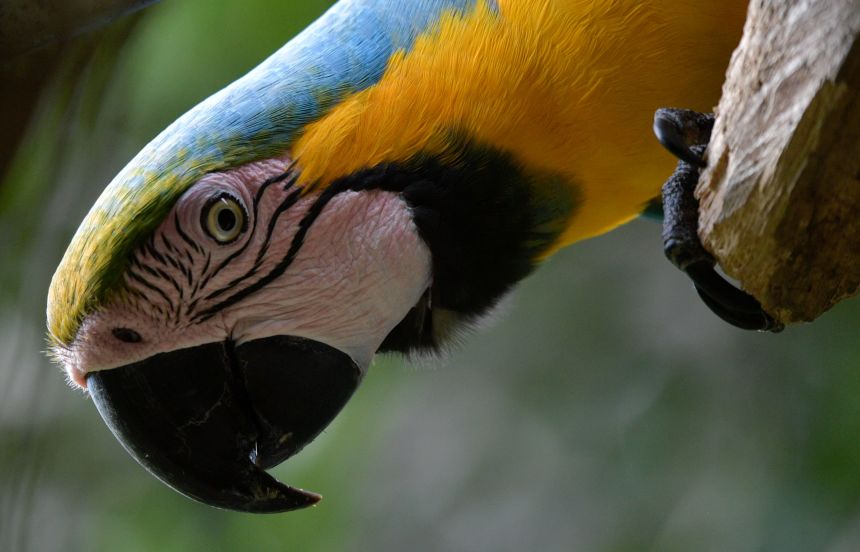
Macaws are known for their large size and dazzling feathers. Their colors range from deep blues and radiant reds to sunny yellows and striking greens. Each feather seems to shine with its own light, creating a living rainbow that moves through the trees.
When I visited a rainforest sanctuary, watching macaws swoop through the canopy felt like seeing a flying masterpiece. Their vivid colors help them blend into the bright flowers and fruits around them, a clever trick you might not expect.
Amazon Parrots’ Color Palette
Amazon parrots come in a variety of rich greens, often highlighted with splashes of red, blue, or yellow. Their feathers don’t just look beautiful; they tell stories about their environment and social interactions.
Think about how these parrots use color to communicate. You might notice subtle differences in shading or brightness that signal mood or readiness to mate. This kind of natural communication adds layers to their colorful appearance.
Cockatoos’ Unique Hues
Cockatoos may not be as vividly multicolored as macaws or Amazons, but their unique hues and crests make them unforgettable. Most have soft whites or grays with flashes of pink, yellow, or orange on their head feathers.
These pops of color catch your eye as they raise their crests, often when they’re excited or curious. Imagine spotting one in the wild, its crest suddenly glowing like a small sunbeam—how would that change the way you notice other birds?
Exotic Toucans
Toucans are some of the most striking tropical birds. Their bright colors and unique shapes make them stand out in rainforests. These birds are known for their large, colorful bills and vivid plumage. They add a splash of color to the green forest canopy. Toucans play a key role in their ecosystems by spreading seeds and attracting attention with their beauty.
Colorful Bills And Plumage
Toucans have large bills that look heavy but are very light. Their bills come in many bright colors like yellow, orange, red, and green. The patterns on their bills vary from simple to complex designs. Their feathers also show a mix of colors. Most toucans have black bodies with splashes of bright colors on their chest and tail. This colorful mix helps them blend into the forest while still being very visible.
Habitat And Behavior
Toucans live mainly in tropical rainforests of Central and South America. They prefer areas with plenty of tall trees and fruit. These birds spend most of their time in the forest canopy. Toucans are social and often seen in small groups. They communicate with loud calls that echo through the forest. Their diet mainly includes fruits, but they also eat insects and small animals. Toucans use their long bills to reach fruit on branches that are too small to hold their weight.
Tropical Honeycreepers
Tropical honeycreepers are some of the most vibrant and fascinating birds you can find in lush tropical forests. Their bright colors and unique shapes make them stand out easily. If you’ve ever watched a honeycreeper in the wild, you know how their colors can instantly grab your attention.
Variety Of Colors
Tropical honeycreepers come in an amazing range of colors, from deep blues to bright yellows and striking reds. You might spot a male Purple Honeycreeper glowing with rich blue feathers, while the females show softer green hues. This color difference helps you identify males and females quickly.
Some species, like the Red-legged Honeycreeper, combine turquoise bodies with vivid red legs, creating a striking contrast. The variety doesn’t just stop at color but extends to patterns and markings, making each species unique. Have you ever wondered why such bright colors exist? It’s often about attracting mates or blending with colorful flowers.
Feeding And Habitat
Honeycreepers primarily feed on nectar, which means they often visit flowering plants. You’ll find them in tropical forests, especially where flowers bloom all year round. Their curved beaks are perfectly shaped to reach deep into flowers, similar to hummingbirds.
Besides nectar, they also eat insects and small fruits, which adds variety to their diet. This flexibility helps them survive in different environments across Central and South America. Next time you’re in a tropical area, look closely at the flowers—you might just spot a honeycreeper sipping nectar nearby.
Credit: m.economictimes.com
Resplendent Quetzals
The Resplendent Quetzal is a stunning tropical bird. Known for its brilliant colors, it captures the imagination of bird lovers worldwide. Found mainly in Central America, it inhabits cloud forests, adding splashes of color to the dense greenery. The quetzal’s beauty isn’t just skin deep; it carries cultural significance too.
Iridescent Greens And Reds
The Resplendent Quetzal boasts dazzling feathers. Its iridescent green plumage shimmers in the sunlight. The vibrant red breast adds a striking contrast. These colors help it blend into the forest canopy. The long tail feathers, especially in males, enhance its majestic appearance. Observing this bird is a visual delight.
Cultural Significance
The quetzal holds deep cultural value. In ancient civilizations like the Aztecs and Mayans, it symbolized freedom. Its feathers were treasured, often used in ceremonial garments. Today, the bird is a national symbol of Guatemala. Its image graces the country’s currency and national flag. The quetzal remains a symbol of liberty and beauty.
Bright Hummingbirds
Bright hummingbirds are tiny jewels of the tropical forests. Their vivid colors and quick movements catch the eye. These birds have fascinated many bird watchers and nature lovers. Their beauty and energy make them stand out in any environment.
Iridescent Feathers
Hummingbirds have feathers that shine with many colors. This effect is called iridescence. Light hits their feathers and reflects in bright shades of green, blue, red, or purple. The colors change as the bird moves. This makes them look magical and alive.
The feathers are very small and smooth. Each feather has layers that bend light. This creates the sparkling look. The brighter the feathers, the more they attract mates. Iridescence also helps them hide among flowers.
Flight And Feeding Patterns
Hummingbirds are known for their unique flying skills. They can hover in place by flapping their wings very fast. Their wings beat up to 80 times per second. This lets them stay still in the air to feed on nectar.
They feed mainly on flower nectar. Their long, thin beaks help reach deep inside flowers. They also eat small insects for protein. Hummingbirds visit many flowers every day. They have a fast metabolism and must eat often to keep energy.

Credit: www.youtube.com
Colorful Birds Of Paradise
Birds of paradise are some of the most colorful tropical birds. They are famous for their bright feathers and strange shapes. These birds catch attention with their beauty and strange dances. Many bird lovers find them fascinating and want to learn about their unique traits.
Unique Plumage And Displays
Birds of paradise have feathers in many bright colors. These colors include blue, red, yellow, and green. Some feathers look like ribbons or fans. Males use these feathers to attract females. They perform dances and show their feathers in special ways. These displays help males stand out from others. The shapes and colors of their feathers are unlike any other bird.
Regions They Inhabit
These birds live mostly in New Guinea and nearby islands. They prefer rainforests where trees are tall and thick. Some types live in mountain forests, while others stay in lowland areas. The forests provide food and safe places to nest. The warm and wet climate suits their needs well. This region has many different species of birds of paradise.
Conservation Efforts
Colorful tropical birds need safe homes to thrive. Conservation efforts protect their habitats and help keep their populations strong. Saving these birds means preserving nature’s bright beauty for future generations.
Conservation efforts for colorful tropical birds are vital. These birds face numerous threats. Efforts to protect them focus on safeguarding their habitats. Conservationists work tirelessly to ensure these vibrant species thrive. They engage communities and raise awareness. This helps preserve the rich biodiversity of tropical regions.Threats To Tropical Birds
Tropical birds face many dangers. Deforestation is a primary threat. It destroys their natural habitat. Illegal wildlife trade also poses significant risks. Many birds are captured and sold. Climate change affects their ecosystems. It alters food sources and nesting sites. Pollution impacts their health and survival.Protecting Their Habitats
Conservationists implement protective measures. They establish bird sanctuaries. Sanctuaries provide safe environments for birds. Educating locals is crucial. It fosters community support for conservation. Reforestation projects restore lost habitats. These efforts help maintain ecological balance. Laws and regulations are enforced. They aim to curb illegal wildlife trade. Partnerships with global organizations strengthen these efforts.Frequently Asked Questions
What Are The Most Colorful Tropical Birds?
The most colorful tropical birds include macaws, toucans, and parrots. They display vibrant feathers in blues, reds, greens, and yellows. These birds live mainly in rainforests and tropical regions, attracting bird watchers worldwide.
Where Can I See Tropical Birds In The Wild?
Tropical birds can be seen in rainforests of South America, Central America, and Southeast Asia. Popular spots include the Amazon Basin, Costa Rica, and Borneo. Visiting these regions offers a chance to observe their vivid plumage and natural behaviors.
Why Do Tropical Birds Have Bright Colors?
Tropical birds have bright colors for mating displays, camouflage among flowers, and signaling to other birds. Their vivid feathers help them attract mates and establish territory. These colors also blend with the lush tropical environment, aiding survival.
How Do Tropical Birds Maintain Their Vibrant Feathers?
Tropical birds maintain vibrant feathers through regular preening, which removes dirt and parasites. A healthy diet rich in fruits and nuts supports feather health. Sunlight exposure also enhances pigment production, keeping their colors bright and attractive.
Conclusion
Tropical birds show nature’s bright and beautiful colors. They live in warm, green places near the equator. Each bird has its own unique look and charm. Watching them can bring joy and calm. These birds remind us to protect their homes.
Their colors help them survive and attract friends. Learning about them opens a window to wild beauty. Keep exploring and enjoy the wonders of tropical birds. They bring life and color to the world around us.




