
Have you ever found a bird flying around your house, creating chaos and making you feel helpless? You want to help it get out safely, but don’t know where to start.
Trapping a bird indoors can be tricky, but with the right steps, you can do it quickly and without harm. In this guide, you’ll discover simple, effective methods to catch that bird calmly and safely. Keep reading, because the solution is easier than you think—and your feathered visitor will thank you for it.
Prepare The Room
Before you try to catch a bird inside your home, setting up the room correctly is crucial. This step helps guide the bird safely out without causing it stress or injury. Preparing the room creates a controlled environment where the bird feels less trapped and you have a clear path to help it escape.
Close Doors And Windows
Start by closing all the doors and windows except for the ones you plan to use as exit points. This prevents the bird from flying into other rooms and getting more confused or stuck. Imagine trying to catch a bird while it constantly changes rooms—it’s exhausting and less effective.
By limiting its space, you make your job easier and reduce the bird’s panic. Have you noticed how birds often flutter towards open spaces? Use this natural behavior to your advantage.
Turn Off Lights
Birds are attracted to light, so turning off indoor lights helps reduce distractions inside the room. This simple action encourages the bird to move toward natural light, usually coming from the open windows or doors you’ve left accessible.
Darkening the room also calms the bird, making it less likely to flap wildly or injure itself. When I once trapped a sparrow, switching off the lights made it head straight for the open window without hesitation.
Open Exit Points
Identify and open clear exit points such as windows or doors leading outside. Make sure these openings are large enough for the bird to fly through easily and are free from screens or obstacles.
Position yourself near these exits to gently guide the bird if needed, but avoid blocking its path. Have you ever tried to guide a bird with your hands? It works best when the bird sees a clear and inviting way out.

Credit: www.amazon.co.uk
Gather Necessary Tools
Gathering the right tools makes trapping a bird inside easier and safer. Prepare everything before you try to catch the bird. This helps avoid stress for both you and the bird. Use simple items found around the house to make the process smooth and quick.
Use A Towel Or Blanket
A towel or blanket helps cover the bird gently. It prevents the bird from flying away suddenly. Choose a light fabric that can wrap around the bird without hurting it. Move slowly and carefully to avoid scaring the bird more.
Have A Box Or Container Ready
A box or container keeps the bird safe after catching it. Use one with a lid or something to close it quickly. Make sure it has air holes for breathing. Line the bottom with a soft cloth to make the bird comfortable.
Wear Protective Gloves
Wear gloves to protect your hands from scratches or bites. Thick gloves work best but still let you feel the bird. Gloves also keep the bird calm by preventing direct contact with skin. Always keep your movements slow and steady while wearing gloves.
Approach The Bird Calmly
Approaching a bird calmly is key to trapping it safely inside your house. Birds are easily scared by fast or loud actions. Staying calm helps keep the bird relaxed and prevents it from flying into dangerous spots. The goal is to guide the bird gently toward an exit or a safe area without causing stress. Patience and slow movements create a peaceful environment for this delicate task.
Move Slowly And Quietly
Move your body and hands slowly to avoid startling the bird. Quick motions make the bird feel threatened. Walk softly, and try to keep your steps light. Speak in a low voice or stay silent to maintain a calm atmosphere. The bird will notice your gentle approach and stay calmer, making it easier to guide it.
Avoid Sudden Movements
Sudden moves can cause the bird to panic and fly wildly. Hold your hands steady and avoid sudden reaching or grabbing. Keep your eyes on the bird, but don’t make sudden head or body turns. Calm, steady actions help the bird trust you and reduce its fear. This way, you can safely move closer without causing chaos.
Guide The Bird Toward The Exit
Guiding a bird toward the exit is key to safely and calmly removing it from your home. The goal is to encourage the bird to leave on its own without causing it stress or harm. This requires patience, gentle movements, and a clear path leading outside.
Use Gentle Hand Gestures
Sudden movements can startle the bird and make it fly deeper into your home. Instead, use slow, calm hand gestures to nudge the bird in the right direction.
Extend your arm softly and move it slowly toward the nearest open window or door. Avoid waving your hands wildly or making quick motions that might scare the bird.
Have you noticed how even small, careful actions can change the bird’s behavior? Your calm presence helps the bird feel less threatened and more willing to move toward freedom.
Create A Clear Path
Clutter and closed doors can confuse the bird and block its exit. Clear away any obstacles between the bird and the exit to make the path obvious.
- Open all doors and windows leading outside.
- Turn off indoor lights and close curtains except near the exit to draw the bird toward natural light.
- Remove pets and other distractions from the area.
Imagine how confusing it would be to find your way out with blocked hallways and bright lights behind you. The bird feels the same way. Keeping the exit clear makes it easier for the bird to find its way out quickly and safely.
Capture The Bird Safely
Capturing a bird inside the house requires care and patience. The goal is to avoid hurting the bird or yourself. Moving slowly helps calm the bird and reduces its stress. Prepare the area before you act to make capture easier and safer. Use gentle actions to guide the bird toward a safe spot. Keep doors and windows closed to stop the bird from escaping again.
Cover With Towel Or Blanket
Use a soft towel or blanket to cover the bird gently. This helps calm the bird by blocking its sight. Approach the bird slowly to avoid scaring it. Wrap the bird carefully without squeezing. Covering the wings prevents flapping and injury. Keep the bird wrapped until you can move it safely.
Place In A Secure Container
Find a small box or pet carrier with air holes. Line it with a soft cloth or paper towels. Gently place the wrapped bird inside the container. Close the lid securely but allow airflow. Keep the container in a quiet, warm place. This helps the bird stay calm while you plan the next steps. Avoid shaking or dropping the container to prevent harm.
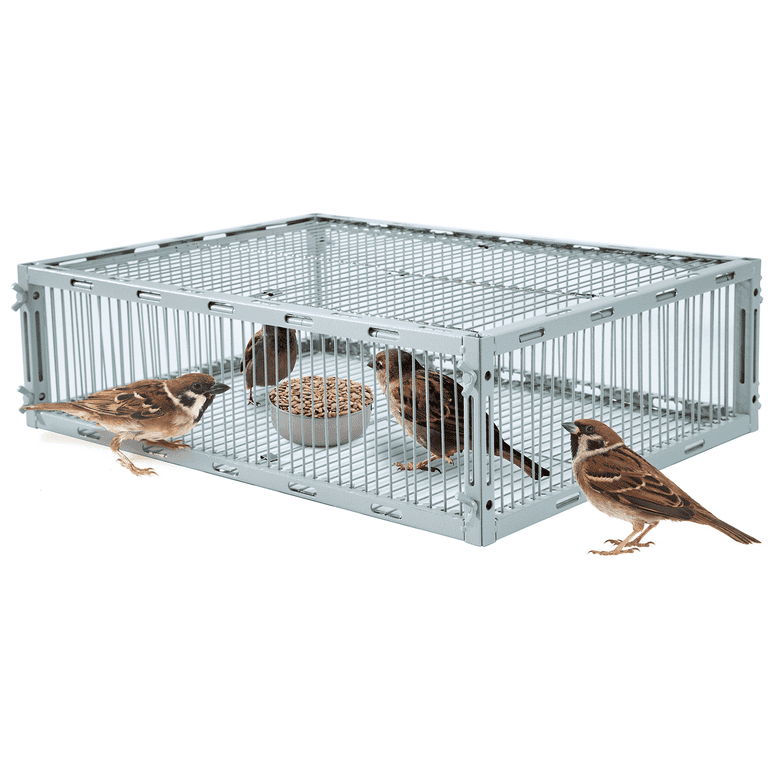
Credit: www.walmart.com
Release The Bird Outside
Trapping a bird inside requires calm and gentle actions to avoid scaring it. Guide the bird toward an open window or door using slow movements. Creating a clear path helps the bird leave safely without harm.
Releasing a bird that’s accidentally found its way into your home can be a delicate operation. Once you’ve successfully trapped it, the next big step is letting it go back to where it belongs—outside. Ensuring a smooth release is not just about opening the door and hoping for the best. It requires a bit of planning and care to make sure the bird flies off safely and stress-free.Choose A Safe Location
Selecting the right spot for release is crucial. Opt for an open area away from busy streets and predators. A garden or a nearby park can offer a safe haven with plenty of space for the bird to orient itself and fly away. Before heading out, take a moment to observe the surroundings. Are there any immediate hazards like pets or children playing nearby? Ensuring a calm environment will help the bird feel secure as it regains its freedom.Open Container Carefully
The way you open the container can make all the difference. Approach this step slowly and calmly. Sudden movements can startle the bird, making its departure more chaotic than necessary. Gently lift the lid or open the door of the container. Give the bird a moment to adjust to the open space. It’s fascinating to watch how, even in confusion, a bird seems to recognize freedom. Have you ever thought about the perspective of the bird at this moment? Imagine the mix of fear and relief as it takes its first flight back into the wild. Observing this can be a rewarding reminder of the beauty of nature and the importance of coexistence.Prevent Future Incidents
Seal all doors and windows to stop birds from entering again. Keep food covered and clean to avoid attracting them inside. Regularly check your home for gaps or openings that birds could use.
Preventing future bird intrusions in your home is easier than you might think. Often, it’s the small changes that make the biggest difference. By taking a few preventive measures, you can ensure that your home remains bird-free and peaceful. Here are some practical steps you can take to prevent birds from entering your house again.Install Screens On Windows
Adding screens to your windows is a simple yet effective way to keep birds out. Screens act as a barrier, allowing you to enjoy fresh air without the risk of unwanted avian guests. Consider using fine mesh screens, which not only keep birds out but also help in keeping insects away. This dual benefit is perfect for maintaining a comfortable living environment. Have you ever thought about the types of screens available? From retractable to fixed screens, each offers unique benefits. Choose the one that suits your lifestyle and window type.Keep Doors Closed
It might seem obvious, but keeping your doors closed is a straightforward strategy to prevent birds from flying inside. Birds are curious creatures and an open door is an open invitation. Train yourself and your family members to close doors quickly, especially during seasons when birds are more active. Consider installing self-closing hinges on frequently used doors for added convenience. Do you often leave your doors open while bringing in groceries or taking out the trash? A brief pause to close the door can save you from dealing with a feathered visitor. It’s the little habits that make all the difference.
Credit: www.youtube.com
Frequently Asked Questions
How Do I Safely Trap A Bird Inside My House?
To trap a bird safely, remain calm and close doors to limit its movement. Use a box or container to gently cover it, then slide a stiff paper underneath to lift it. Always avoid sudden movements to prevent harming the bird.
What Materials Are Best For Trapping A Bird Indoors?
Use a lightweight box or container and a stiff piece of cardboard or paper. These materials help you gently cover and capture the bird without injuring it. Avoid sticky traps or nets that could hurt the bird.
How Can I Guide A Trapped Bird Outside Quickly?
Once trapped, cover the box to calm the bird. Take it outside promptly and release it in an open, safe area. Open the box slowly and step back to let the bird fly away freely.
Is It Safe To Handle A Trapped Bird With Bare Hands?
Handling birds with bare hands is risky; they can peck or scratch. Use gloves or a cloth to protect yourself and reduce the bird’s stress. Always handle birds gently to avoid injury to both you and the bird.
Conclusion
Trapping a bird in the house needs patience and care. Stay calm and move slowly to avoid scaring the bird. Use simple tools like a box or towel to catch it safely. Always open windows or doors to help the bird fly out.
Acting quickly helps the bird find its way home. Remember, gentle handling keeps both you and the bird safe. With these steps, you can solve the problem without stress. Keep your home bird-free and peaceful.




