
Have you ever wanted to create something beautiful with your own hands? Making a bird with cloth is a fun and rewarding craft that anyone can do.
Whether you’re a beginner or looking to try a new project, this guide will show you simple steps to turn plain fabric into a charming bird. Imagine adding a handmade touch to your home or giving a unique gift that comes straight from your creativity.
Ready to bring your cloth bird to life? Let’s get started!
Materials Needed
Gathering the right materials is essential before you start making a bird with cloth. Choosing the appropriate fabric, additional supplies, and tools can make your crafting experience smoother and more enjoyable. Have you ever noticed how certain fabrics bring your project to life, while others just don’t quite work?
Types Of Fabric
Pick fabrics that are easy to handle and cut, like cotton or felt. Cotton is soft, widely available, and comes in many colors and patterns, making it ideal for detailed designs. Felt, on the other hand, doesn’t fray, which means less hassle with edges.
Consider the bird’s style: do you want a fluffy look? Lightweight fleece or wool blends add texture. For a sleek or shiny appearance, satin or silk could work, but they can be slippery and trickier to sew. Think about how the fabric’s weight and texture will affect your bird’s final look and feel.
Additional Supplies
- Stuffing:Polyester fiberfill is common and easy to use. It helps your bird keep its shape and feel soft to touch.
- Thread:Match the thread color to your fabric for neat stitches. Strong polyester thread is usually best for durability.
- Decorations:Small buttons or beads can serve as eyes. You can also use embroidery floss for details like feathers or beaks.
- Patterns or Templates:Having a paper pattern helps you cut fabric pieces accurately. You can find free templates online or create your own.
Tools Required
Gather sharp fabric scissors to get clean cuts; dull scissors can ruin your fabric edges. Pins or fabric clips hold pieces together while you sew, preventing shifting.
A sewing needle is essential if you’re hand-sewing. If you have a sewing machine, it speeds up the process, but it’s not mandatory. Don’t forget a fabric marker or chalk to trace your patterns clearly on the cloth.
Have you checked all your tools and supplies before starting? Missing even one can slow down your progress or affect the quality of your bird. Preparing everything in advance keeps your crafting focused and fun.
Preparing The Fabric
Preparing the fabric is a key step in making a bird with cloth. This stage sets the base for your project. Proper fabric handling ensures a neat, beautiful final piece. You need to be careful and precise. Starting with the right fabric and careful preparation helps avoid mistakes later. Follow these simple steps to get your fabric ready.
Choosing The Right Pattern
Select a pattern that fits the bird design you want. Simple shapes work best for beginners. Look for patterns with clear lines and few parts. Cotton fabric is easy to sew and holds shape well. Choose colors that match the bird’s feathers or your style. Avoid very thin or stretchy fabrics as they are hard to work with.
Cutting The Cloth
Lay your fabric flat on a clean surface. Pin the pattern pieces onto the cloth to keep them steady. Use sharp scissors for smooth, clean cuts. Cut slowly along the pattern edges. Avoid lifting the fabric while cutting to keep edges straight. Keep all pieces together to avoid losing any part.
Marking Details
Mark the fabric with tailor’s chalk or a washable fabric pen. Trace important lines like wings, beak, and body parts. Mark seam allowances clearly to know where to sew. Small dots can show where to place eyes or other decorations. Make sure marks are light and easy to remove later.
Sewing Basics
Sewing is the foundation of making a bird with cloth. Knowing basic sewing skills helps you create neat and strong stitches. These skills improve your work and make your cloth bird look great. Understanding simple stitches and tools is key. Both hand sewing and using a machine have their place in crafting.
Simple Stitches For Beginners
Start with basic stitches. The running stitch is easy and fast. Use it to join two pieces of fabric with small, even stitches. The backstitch is stronger and ideal for seams that need durability. It looks like a continuous line. The whip stitch is perfect for closing edges, wrapping thread over the fabric’s edge. Practice these stitches on scrap cloth first. This builds your confidence and control.
Using A Sewing Machine
A sewing machine speeds up your work and makes even stitches. Learn to thread the machine correctly and adjust stitch length. Use a straight stitch for most seams on your bird. Test the stitch on fabric scraps before sewing your project. Keep your hands steady and guide the fabric gently. Avoid pulling or pushing the fabric hard. This prevents puckering and uneven seams.
Hand Sewing Techniques
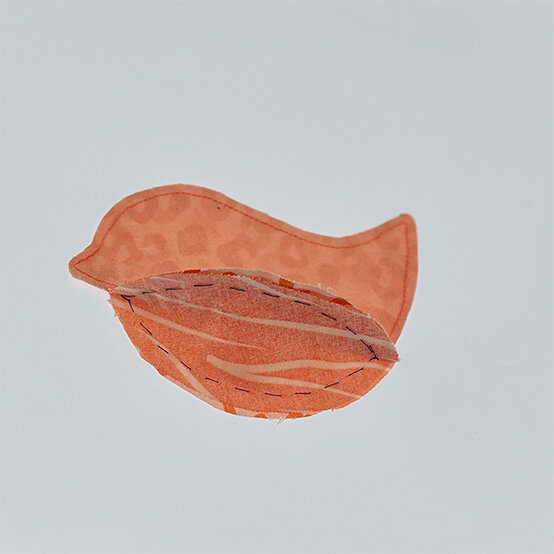
Hand sewing offers more control for small details on your bird. Use a sharp needle and matching thread color. Keep stitches close but not too tight to avoid fabric puckering. Use small knots to secure thread ends neatly. Take breaks to avoid hand strain. Slow, careful stitching helps create smooth curves and fine details on wings and beak.
Credit: www.hobbycraft.co.uk
Constructing The Bird Shape
Constructing the bird shape is the heart of making a cloth bird. This stage brings life to your fabric with form and detail. Each part must fit well to create a charming, balanced bird.
The process starts by shaping the body, then moves to the wings and tail. Finally, small features like the beak and eyes add character and expression.
Assembling The Body
Cut two identical bird body shapes from cloth. Use a soft fabric for a smooth finish. Place the pieces together with the right sides facing each other.
Sew around the edges, leaving a small opening for turning the bird inside out. Turn the fabric so the right side is outside. Fill the body with cotton or soft stuffing.
Stitch the opening closed carefully. The body should feel firm but soft, holding its shape well.
Creating Wings And Tail
Cut wing and tail shapes from a contrasting fabric. Use simple shapes like ovals or triangles for easy sewing. Attach the wings by sewing them onto the sides of the body.
The tail goes at the back, sewn firmly to support the bird’s balance. Use small, neat stitches to keep the parts secure. Wings and tail add life and movement to your bird.
Adding The Beak And Eyes
For the beak, cut a small triangle from bright fabric. Sew or glue it to the front of the bird’s face. The beak should point slightly down or forward.
Use buttons, beads, or small pieces of cloth for eyes. Sew them on carefully, matching the size to the bird’s body. Eyes give your bird personality and charm.
Stuffing And Finishing
Fill the bird gently with soft stuffing to give it shape and volume. Sew the opening carefully to secure the filling and create a neat finish. Ensure all edges are tight and smooth for a polished look.
Stuffing and finishing bring your cloth bird to life. This step adds shape and character to your creation. Choosing the right stuffing and closing the seams perfectly ensures a polished look.Choosing Stuffing Material
Select stuffing with care. It affects the bird’s shape and feel. Common choices include polyester fiberfill, cotton, or even fabric scraps. Each type offers different textures and firmness. Polyester fiberfill is light and fluffy. Cotton provides a firmer feel. Fabric scraps make an eco-friendly option. Ensure your material is clean and free from dust.Filling The Bird
Begin filling your bird with small amounts of stuffing. Use your fingers to push it into the bird’s corners. Ensure even distribution to avoid lumps. Adjust the amount for desired firmness. For a softer bird, use less stuffing. For a firmer shape, add more. Check the bird’s shape regularly. Make adjustments as needed for symmetry.Closing The Seams
After filling, it’s time to close the seams. Use a needle and matching thread. Begin sewing with small, tight stitches. This prevents any stuffing from escaping. A ladder stitch works well for a neat finish. Ensure your stitches are consistent and strong. Once closed, check for any gaps or loose threads. Trim any excess threads for a clean appearance. Your cloth bird is now complete, with all seams securely closed.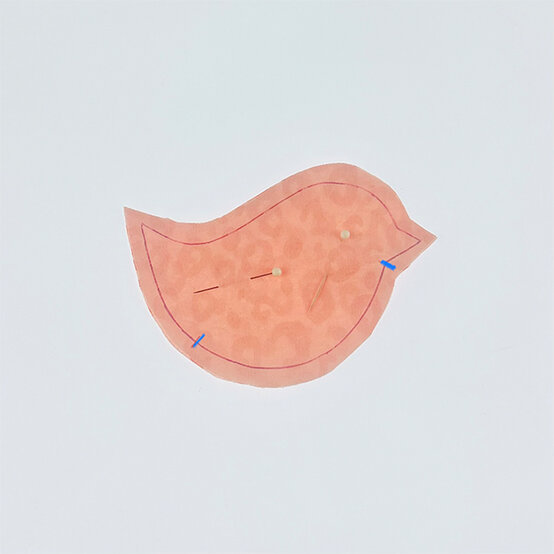
Credit: www.hobbycraft.co.uk
Decorating Ideas
Decorating your cloth bird is where creativity truly takes flight. How you choose to embellish it can turn a simple craft into a charming keepsake or a standout decorative piece. Let’s look at some hands-on ideas to help you personalize your bird with flair and fun.
Adding Embroidery
Embroidery adds texture and detail that make your bird unique. You can stitch feathers, eyes, or even patterns on the wings using colorful threads. Try simple stitches like backstitch or satin stitch if you’re new to embroidery; they create clean, bold lines that stand out.
I once embroidered tiny flowers on a cloth bird’s belly, and it instantly gave it a vintage feel. What small design could you add to make your bird special?
Using Fabric Paints
Fabric paints let you play with colors and create intricate designs without needlework. Use fine brushes for delicate details or sponges for soft, blended effects. Mixing metallic or glow-in-the-dark paints can add unexpected charm to your creation.
Try drawing patterns like dots, stripes, or even little leaves on the wings. How could different paint textures change the mood of your bird?
Attaching Accessories
Accessories bring extra personality to your bird and make it stand out. Small buttons, beads, or sequins can become eyes or decorative accents. You might even glue on tiny feathers or ribbons to give your bird a playful look.
Think about adding a miniature scarf or a crown for a whimsical touch. What accessory would reflect your bird’s character best?
Display And Care
Place your cloth bird in a dry, clean spot away from direct sunlight to keep colors bright. Gently dust it often and avoid washing to maintain its shape and fabric quality.
When you craft a bird with cloth, displaying and caring for it is essential. Proper care ensures your creation remains beautiful and intact. Let’s explore effective ways to showcase and maintain your cloth bird.Ways To Showcase Your Craft
Consider placing your cloth bird in a bright, well-lit area. A bookshelf or a mantel can make a perfect spot. Use a small stand to elevate it and draw attention. Hanging it near a window can also add charm. This allows natural light to highlight its colors and textures. Grouping multiple birds together creates a stunning display.Cleaning Tips
Dust your cloth bird gently with a soft brush. This prevents dirt buildup without causing damage. If necessary, spot clean using a damp cloth. Avoid soaking the fabric to maintain its structure. For stubborn stains, mild soap with water can be effective. Always test on a hidden area first.Storage Suggestions
Store your bird in a cool, dry place away from sunlight. Use a breathable fabric bag to prevent dust accumulation. Avoid plastic bags as they trap moisture. If storing multiple birds, ensure they are not squished. This maintains their shape and prevents wear. Regularly check for signs of damage or pests.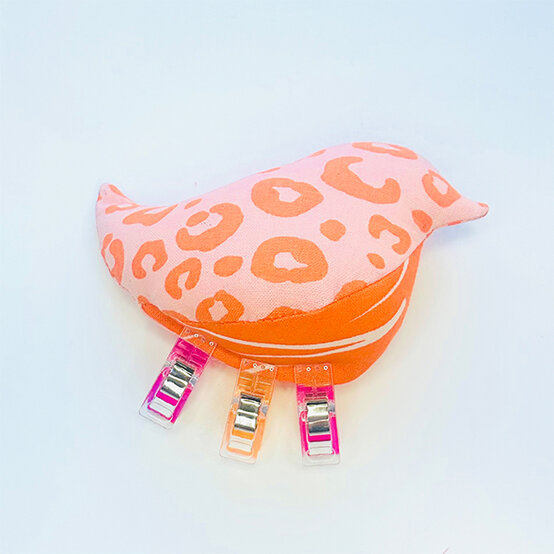
Credit: www.hobbycraft.co.uk
Frequently Asked Questions
What Materials Are Needed To Make A Bird With Cloth?
To make a cloth bird, you need fabric, scissors, needle, thread, stuffing, and fabric glue. Optional items include buttons or beads for eyes and decorative elements.
How Do I Sew A Simple Cloth Bird Step-by-step?
Cut fabric pieces for the bird shape, sew them inside out, leave a small gap to stuff, then fill with stuffing. Finally, sew the gap closed carefully.
Can I Use Recycled Cloth For Making Bird Crafts?
Yes, recycled cloth is perfect for bird crafts. It’s eco-friendly and adds unique textures. Ensure the fabric is clean and durable for the best results.
How To Add Realistic Details To A Cloth Bird?
Use embroidery for feathers, buttons for eyes, and fabric paint for shading. Adding small decorative touches enhances the bird’s realism and charm.
Conclusion
Creating a bird with cloth is a fun and easy craft. You just need simple materials and a little patience. Each step helps you build your bird piece by piece. This project lets you practice sewing and creativity. Enjoy making your cloth bird and share it with friends.
Keep trying new designs to improve your skills. Crafting brings joy and a sense of pride. Try this project today and see what you can create!




