
Are raccoons turning your peaceful bird feeding spot into their personal snack bar? If you’re tired of these clever critters raiding your bird feeders and scaring away your feathered friends, you’re not alone.
You want to enjoy watching birds, not wrestle with raccoons. The good news? There are simple, effective ways you can stop raccoons from stealing the show. Keep reading to discover easy tips that will protect your bird feeders and bring back the quiet joy of birdwatching you deserve.
Why Raccoons Visit Bird Feeders
Raccoons are clever and curious creatures that often find bird feeders irresistible. Understanding why they visit your feeders can help you come up with better ways to keep them away. Let’s take a closer look at what drives raccoons to explore your backyard buffet.
Raccoon Behavior And Diet
Raccoons are nocturnal animals, meaning they are most active at night. They have nimble paws and sharp senses, making it easy for them to open containers and access food.
Their diet is very flexible—they eat fruits, nuts, insects, small animals, and yes, birdseed. Because they are opportunistic feeders, any easy meal becomes a target.
Have you noticed how raccoons seem to inspect every corner of your yard? Their natural curiosity combined with a varied diet often leads them straight to bird feeders.
Attraction To Bird Food
Bird feeders offer a reliable and concentrated source of food. Seeds, especially sunflower and safflower seeds, are rich in fats and proteins, making them a tempting snack for raccoons.
Sticky or oily seeds can cling to raccoons’ paws and fur, encouraging them to linger and explore even more. Plus, spilled seeds under feeders create a ground buffet that raccoons love to raid.
Have you checked the type of seeds you use? Some kinds may attract raccoons more than others, so choosing the right mix can help reduce visits.
Credit: store.bromebirdcare.com
Choosing Raccoon-proof Feeders
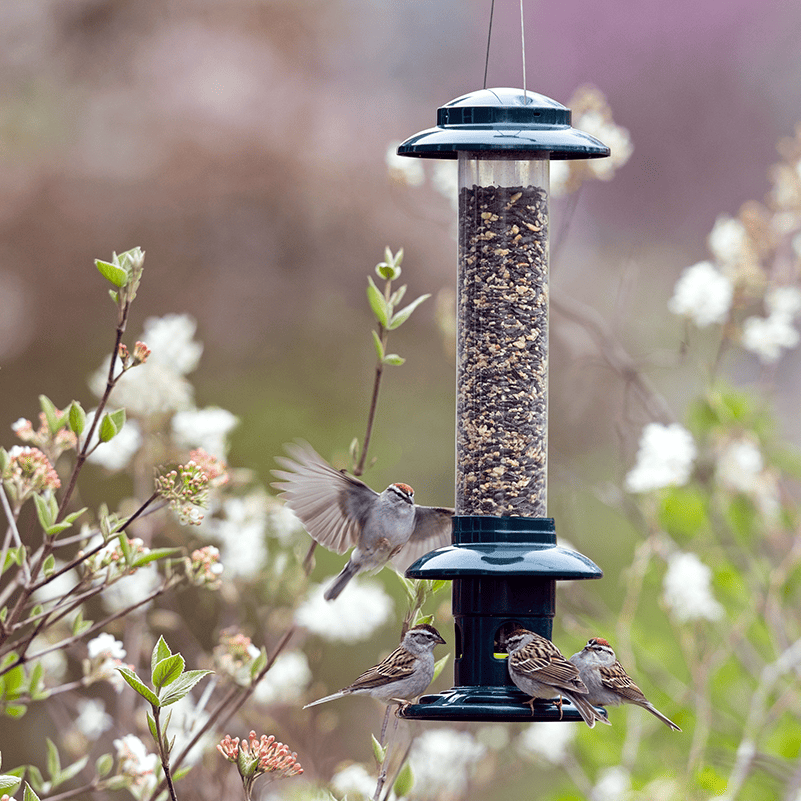
Choosing the right feeder helps protect your bird food from raccoons. These clever animals can be very persistent. A raccoon-proof feeder stops them from reaching the seeds. It keeps birds safe to enjoy their meals without disturbance.
Types Of Feeders That Deter Raccoons
- Caged Feeders:These have metal cages around the seed area. Birds fit through, but raccoons cannot.
- Weight-Activated Feeders:They close off seed access when heavy animals land.
- Tube Feeders with Small Ports:Small openings allow only small birds to feed.
- Squirrel-Proof Feeders:Often effective against raccoons too, with designs that block larger animals.
Features To Look For
- Sturdy Materials:Use metal or thick plastic to prevent chewing or tearing.
- Secure Mounting:Feeders should hang or mount where raccoons cannot climb.
- Seed Protection:Look for feeders that keep seeds enclosed and dry.
- Easy to Clean:Clean feeders prevent disease and keep birds healthy.
- Weather Resistance:Durable against rain and wind to last longer.
Proper Feeder Placement
Proper feeder placement plays a key role in keeping raccoons away from bird feeders. Placing feeders correctly can reduce unwanted visits by these clever animals. It also helps birds feed safely and comfortably without disturbance.
Height And Location Tips
Place feeders at least 5 feet above the ground. This height makes it harder for raccoons to reach food. Choose a spot away from trees or structures that raccoons can climb. Keep feeders at least 10 feet away from jumping points like fences or roofs.
Open areas are best. They give birds space to land and feed. Raccoons prefer hidden spots, so a clear view can deter them.
Avoiding Easy Access
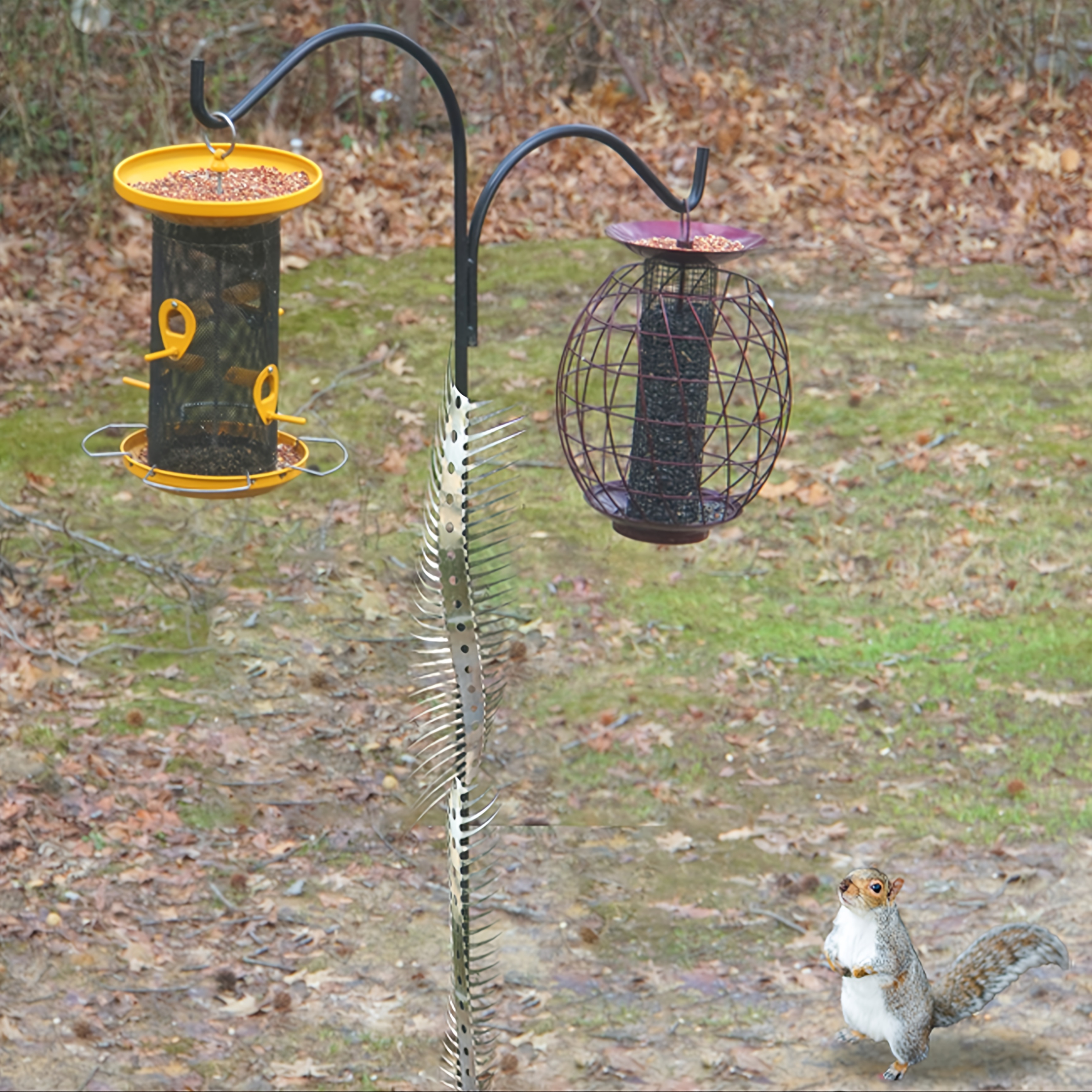
Use poles with smooth surfaces to prevent raccoons from climbing. Avoid wooden poles or rough materials that raccoons can grip. Install baffles or guards on poles to block climbing attempts.
Keep feeders away from low branches or nearby structures. Raccoons can jump from these to reach feeders. Regularly trim branches near feeders to limit access.
Credit: www.temu.com
Physical Barriers And Deterrents
Physical barriers and deterrents stop raccoons from reaching bird feeders. They create obstacles that raccoons cannot easily cross. Using these tools helps protect bird food and keeps raccoons away. These methods are safe and effective for your garden.
Baffles And Guards
Baffles are round or cone-shaped shields placed on feeder poles. They prevent raccoons from climbing up to the bird feeder. Install baffles at least 4 feet above the ground. Use metal or plastic materials for durability.
Guards wrap around poles or hanging wires. They block raccoons from grabbing the feeder. Choose guards that are smooth and slippery. This stops raccoons from getting a grip.
Using Spinners And Reflectors
Spinners spin when raccoons touch the feeder. The movement scares raccoons away. Attach spinners near the feeder or on the pole. Use lightweight materials for easy rotation.
Reflectors flash light and create reflections. Bright flashes confuse and frighten raccoons. Hang shiny objects like old CDs or aluminum foil strips. Place them where sunlight hits directly for best effect.
Feeding Habits And Maintenance
Understanding the feeding habits of raccoons and maintaining your bird feeders properly can significantly reduce unwanted visits. Raccoons are opportunistic eaters, drawn to easy food sources like spilled seeds. Managing how and when you feed birds can make your feeders less attractive to these clever intruders.
Cleaning Up Spilled Seeds
Raccoons are attracted to bird feeders primarily because of the scattered seeds on the ground. Even a small amount of spilled seed can invite them to visit your yard regularly. Make it a habit to sweep or rake up spilled seeds daily to remove this easy meal.
Using seed trays or feeders designed to minimize seed drop can help reduce mess. Have you noticed how some feeders have built-in trays? These catch excess seeds before they fall, making cleanup easier and less frequent. Keeping the area tidy sends a clear message that food is not readily available on the ground.
Feeding Schedules To Minimize Visits
Raccoons are mostly nocturnal, so feeding birds during daylight hours limits the time food is accessible to them. Put out fresh seed early in the morning and remove any leftovers by evening. This simple schedule cuts down the window for raccoons to snack.
Consider feeding in smaller amounts throughout the day instead of filling feeders to the brim. This reduces leftover seed that raccoons can find after dark. Have you tried adjusting your feeding times to see if it affects raccoon activity? You might be surprised how effective timing can be.
Natural Raccoon Deterrents
Using natural scents like peppermint oil or vinegar can keep raccoons away from bird feeders. Placing feeders on poles with baffles also makes it hard for raccoons to reach the food.
Raccoons, though adorable from afar, can be quite a nuisance when they invade your backyard, especially if you’re trying to maintain a peaceful environment for your feathered friends. Natural raccoon deterrents offer a humane way to keep these curious critters at bay without causing them harm. Embracing these methods can be both effective and satisfying, ensuring that your bird feeders remain a safe haven for birds only.Scent Repellents
Certain scents can be incredibly off-putting to raccoons. Consider using peppermint oil or cinnamon, which are known to deter them. You can soak cotton balls in these oils and place them around the perimeter of your yard or near your bird feeders. Ammonia is another option, but use it cautiously and in areas where pets and children won’t be affected. Mixing ammonia with water in a spray bottle can create a scent barrier that raccoons dislike. Remember to refresh these scents regularly, as they can fade over time.Noise And Light Options
Raccoons are nocturnal creatures and tend to be startled by unexpected lights and sounds. Installing motion-activated lights can scare them away as soon as they approach your bird feeders. These lights not only deter raccoons but also add an extra layer of security to your home. You might also try using noise deterrents, such as motion-activated radios or ultrasonic devices. These emit sounds that are unpleasant to raccoons, without being disruptive to humans or birds. Have you ever noticed how quickly raccoons scatter when they hear a sudden noise? This technique leverages that instinctive reaction to keep them away. Experimenting with these natural deterrents can be a fun project. Which one do you think will work best in your backyard?When To Seek Professional Help
Raccoons can be cunning little bandits when it comes to raiding bird feeders. Despite your best efforts, sometimes these nocturnal creatures outsmart all deterrents. That’s when you need to consider seeking professional help. Understanding when to reach out to experts can save you time and protect both wildlife and your property.
Signs Of Persistent Raccoon Problems
Have you noticed that your bird feeders are consistently knocked over or emptied overnight? This is a clear sign of a persistent raccoon problem. Other indications include raccoon droppings around your feeders or damaged equipment.
If you hear rustling noises at night or see raccoon tracks in the morning, it’s time to act. Consider setting up a camera to monitor the situation. This will help you confirm if raccoons are the culprits and how often they visit.
Safe Removal And Control Methods
Once you’ve identified a raccoon issue, safe removal is crucial. Professionals can use humane traps to capture and relocate raccoons without causing harm. It’s important not to attempt this on your own as it can be risky and ineffective.
Professionals also advise on modifying your yard to deter future visits. This includes securing trash cans and removing potential food sources. They can guide you on installing motion-activated lights or sprinklers as additional deterrents.
Remember, raccoons are clever and persistent, so a professional touch can make all the difference. Have you considered how much time and effort you could save by letting experts handle the problem?
Credit: squirrelsinfo.com
Frequently Asked Questions
How Can I Keep Raccoons Away From Bird Feeders?
Install baffles on poles and hang feeders away from trees. Use raccoon-proof feeders and clean spilled seeds regularly. These steps reduce raccoon access effectively.
What Types Of Bird Feeders Deter Raccoons Best?
Metal pole-mounted feeders with baffles work best. Avoid ground feeders, as raccoons easily reach them. Choose feeders designed specifically to prevent raccoon damage.
Why Do Raccoons Visit Bird Feeders Frequently?
Raccoons are attracted to easy food sources like spilled seeds. Bird feeders offer accessible and abundant snacks, especially at night. Limiting food availability discourages raccoon visits.
When Is The Best Time To Refill Bird Feeders?
Refill feeders early morning to avoid attracting nocturnal raccoons. Clean up spilled seeds immediately to prevent leftover food. Timely refilling helps keep raccoons at bay.
Conclusion
Keeping raccoons away from bird feeders takes some effort and care. Use feeders designed to stop raccoons or place them in hard-to-reach spots. Clean up spilled seeds to avoid attracting unwanted guests. Regularly check your feeders for damage and fix them quickly.
Patience is key; results may take time. Enjoy watching birds without the raccoon trouble. Small steps make a big difference in protecting your feeders. Stay consistent and your garden will remain peaceful and full of birds.




