
Have you ever wondered how birds always seem to find your feeder no matter where you place it? It might feel like they have a secret GPS guiding them straight to your backyard treats.
Understanding how birds locate feeders can help you attract more feathered friends and enjoy their visits even more. You’ll discover the surprising ways birds use their senses and habits to find food. Get ready to learn simple tips that can make your feeder a hotspot for birds, turning your outdoor space into a lively birdwatcher’s paradise.
Keep reading—you’ll be amazed at how clever these little creatures really are!

Credit: www.allaboutbirds.org
Bird Vision And Color Attraction
Birds rely heavily on their vision to locate feeders, and understanding how they see colors can help you attract more feathered visitors. Their eyes perceive the world differently than ours, making certain colors stand out more vividly. By choosing the right colors for your feeders, you can make them more noticeable and inviting to birds.
How Birds See Colors Differently
Birds have four types of color receptors in their eyes, compared to the three types humans have. This means they can see ultraviolet (UV) light, which is invisible to us. Because of this, birds perceive colors with more brightness and detail than we do.
Have you ever noticed how some flowers look dull to you but vibrant to birds? That’s because those flowers reflect UV light, which birds can detect. This ability helps them find food sources more easily in nature.
Colors That Draw Birds To Feeders
Birds are especially attracted to bright and contrasting colors. Red, yellow, and orange are known to catch their attention quickly. These colors often signal ripe fruit or flowers, which are natural food sources.
- Red:Hummingbirds are famously drawn to red feeders.
- Yellow and orange:These colors attract finches and orioles.
- Blue and violet:Some species notice these colors because of their UV sensitivity.
Using these colors on your feeders can increase your chances of attracting a variety of birds. Have you tried painting your feeder or adding colorful decorations to see if more birds visit? Small color changes can make a big difference in your backyard birdwatching experience.

Credit: www.youtube.com
Scent And Smell Cues
Birds rely on various senses to find feeders, and scent plays a more intriguing role than you might expect. While many believe birds depend mostly on sight, their sense of smell can guide them to food sources, especially in dense environments or when feeders are hidden. Understanding how scent and smell cues work can help you attract more birds to your garden.
Do Birds Use Smell To Locate Food?
Some bird species have a surprisingly strong sense of smell. Vultures and seabirds, for instance, use their noses to detect food from miles away. But what about backyard birds like finches or chickadees? They may not rely on smell as heavily as other animals, but subtle scents can still influence their feeding behavior.
Think about a time you noticed birds flocking to a specific feeder. Could the smell of seeds or suet have played a part? Research shows that birds can detect odors associated with food, especially when visual cues are weak or absent.
Scents That Attract Birds
Certain natural smells can draw birds in more effectively than others. You can experiment with these to make your feeders more appealing:
- Sunflower seeds:Their mild, nutty aroma is familiar and inviting to many backyard birds.
- Suet cakes:The combination of fats and seeds emits a scent that attracts woodpeckers and nuthatches.
- Fruit feeders:The sweet smell of ripe berries or apple slices can lure thrushes and orioles.
Have you ever noticed how hummingbirds are drawn to the scent of nectar? Although their vision is key, the smell of sugar water can sometimes signal a food source. Adding a subtle fragrance to your feeder area might increase visits from curious birds.
Sound And Calls
Sound plays a crucial role in how birds locate feeders. Birds rely heavily on their hearing to find food sources, especially when visibility is limited. Understanding the sounds and calls involved can help you attract more birds to your feeder.
Bird Calls As A Guide To Feeders
Birds often use calls to communicate the presence of food. When one bird finds a feeder, it may call out to others nearby, creating a chain reaction. You might hear a sudden chorus of chirps and tweets—that’s a signal that food is nearby.
Different species have unique calls that can indicate feeding activity. For example, chickadees use a distinct “chick-a-dee-dee” call when they find a good food source. Paying attention to these calls can help you know when birds are discovering your feeder.
How Feeders Create Noise To Attract Birds
Some feeders are designed to produce sounds that catch a bird’s attention. The gentle clinking of seeds dropping or the rustling of the feeder can mimic natural food sounds. This noise can act like a beacon to nearby birds.
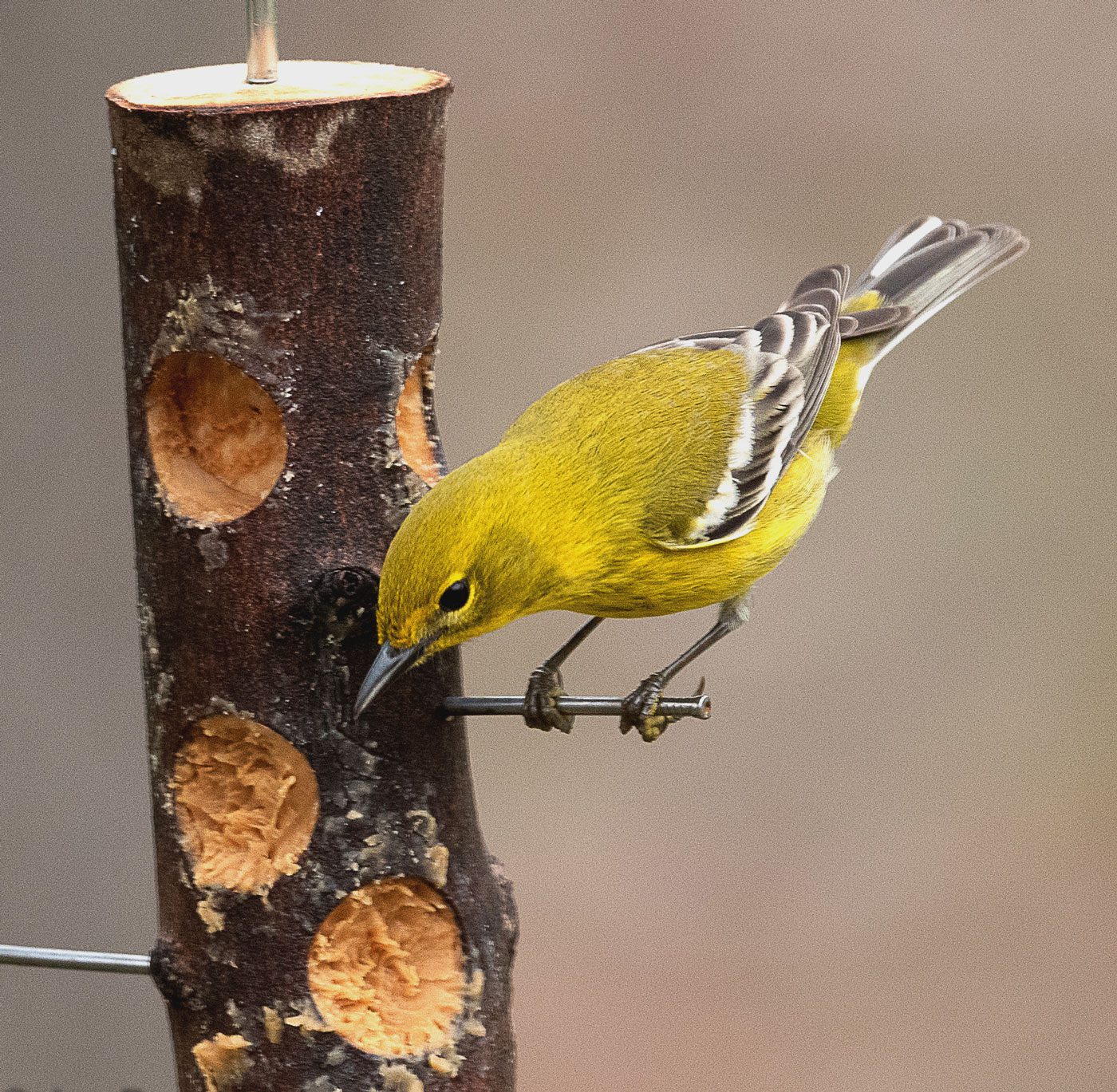
Feeders with metal parts or moving components can create subtle sounds as birds feed. These noises encourage other birds to investigate. Have you noticed how a noisy feeder attracts more visitors than a silent one?
Credit: www.allaboutbirds.org
Memory And Learning
Birds rely heavily on their memory and learning skills to locate feeders. Their ability to remember places where food is available helps them save energy and time. Understanding how birds remember and learn about feeders can help you attract more visitors to your backyard.
Birds Remember Feeder Locations
Birds have impressive spatial memory. Once they find a feeder, they can recall its exact location for days or even weeks. This means the first few days after you put out a feeder are crucial for attracting birds.
Birds use landmarks like trees, fences, or houses to navigate back to feeders. If your feeder is near distinct features, birds find it easier to remember where it is. You might notice the same birds returning regularly because they remember your feeder as a reliable food source.
Teaching Birds To Use New Feeders
Introducing a new feeder can be tricky since birds need to learn it’s a food spot. Placing the new feeder close to an old, familiar one helps birds discover it faster. You can also keep the old feeder filled while gradually increasing food at the new spot.
Another way to teach birds is by using the same type of food they like. This encourages them to try the new feeder. Have you ever noticed how birds cautiously approach a new feeder? Patience and consistency will help them trust the new source.
Social Behavior And Flocking
Birds often rely on social behavior and flocking to locate food sources. These behaviors help them find feeders quickly and safely. Birds watch each other and learn from their actions. Flocking offers protection and guidance during feeding times. This social aspect plays a key role in how birds discover feeders in new areas.
Following Other Birds To Feeders
Many birds observe the movements of others to find food. When one bird discovers a feeder, others may follow it. This simple behavior spreads knowledge of food sources fast. Young birds especially learn from older, experienced birds. Following helps avoid wasting energy searching alone. It also reduces the risk of danger while feeding.
Group Feeding Patterns
Birds often feed in groups to increase safety. Group feeding lowers the chance of surprise attacks from predators. Birds take turns watching while others eat. This teamwork allows more birds to feed at once. Feeding groups can form around popular feeders quickly. They create a social environment where birds share information about food.
Environmental Factors
Understanding how birds find feeders can seem like a mystery, but environmental factors play a significant role in attracting them to your backyard. Birds rely on their surroundings to guide them, and knowing how to leverage these factors can make all the difference. Whether it’s where you place your feeder or the seasonal changes that influence bird behavior, being mindful of these elements can enhance your birdwatching experience.
Feeder Placement And Visibility
Where you place your feeder greatly impacts its visibility to birds. Birds have excellent vision and are likely to spot feeders that are in open spaces. Position your feeder where it’s clearly visible from above, like a tree branch or an open area in your garden.
Avoid placing feeders too close to dense shrubbery, where predators might lurk. Birds feel safer when they can see their surroundings. Remember, higher visibility means a higher chance of birds visiting your feeder.
Seasonal Changes Affecting Feeder Visits
Seasonal changes can significantly affect the frequency of bird visits to your feeders. During winter, natural food sources become scarce, making feeders an attractive option for birds. In contrast, spring and summer provide abundant natural food, which may decrease feeder visits.
Consider adjusting the type of feed you offer as seasons change. High-energy foods like suet are excellent in winter, while seeds and fruits can attract a variety of birds in other seasons. By aligning your offerings with the seasonal needs of birds, you can maintain a vibrant visitor list throughout the year.
Have you ever noticed a sudden drop in feeder activity? It could be seasonal migration patterns at play. Understanding these patterns can help you anticipate changes and keep your feeders bustling with activity.
Frequently Asked Questions
How Do Birds Locate Feeders In New Areas?
Birds use their keen eyesight and memory to find feeders. They spot feeder shapes and colors from a distance. Familiar landmarks also help them navigate to feeders quickly.
Can Birds Smell Feeders Or Birdseed?
Most birds rely more on sight than smell to find feeders. However, some species can detect scents, especially of fresh seeds. Visual cues remain the primary method for feeder location.
Do Birds Learn Feeder Locations From Other Birds?
Yes, birds often watch and follow others to feeders. Social species share information about food sources. This behavior helps newcomers quickly find reliable feeding spots.
What Colors Attract Birds To Feeders?
Bright colors like red, yellow, and orange attract many birds. These colors mimic flowers and ripe fruits, signaling food availability. Using colorful feeders increases bird visitation rates.
Conclusion
Birds find feeders using sight and memory. Bright colors and clear views help them spot food. They remember good feeding spots and return often. Sounds and smells can also guide them sometimes. Placing feeders in quiet, safe places attracts more birds.
Watching birds visit your feeder brings joy and peace. Feeding birds supports nature and helps them thrive. Keep feeders clean and filled for best results. Enjoy seeing different birds find your feeder every day.




