
Have you ever noticed your bird looking at a mirror and wondering why it doesn’t react like you expected? It can be confusing and even a little disappointing when your feathered friend ignores their own reflection.
You might be asking yourself, “Is something wrong with my bird? ” Or “Why doesn’t my bird recognize itself? ” Understanding why your bird doesn’t respond to mirrors can help you connect better with your pet and improve their happiness.
Keep reading to discover the surprising reasons behind this behavior and what it means for your bird’s world.
Birds And Mirror Behavior
Birds often show interesting behaviors when they see mirrors. Some birds react strongly to their reflections. Others may not respond at all.
This article explores why birds usually react to mirrors and how different species respond in various ways.
Why Birds Usually React To Mirrors
Birds often think their reflection is another bird. This can cause them to act in certain ways. They may try to communicate or show aggression.
- Some birds see the reflection as a rival.
- They may sing or call to the mirror image.
- Others try to find a mate in the mirror.
- Some birds use mirrors for play and curiosity.
Common Mirror Responses In Different Species
Different bird species react differently to mirrors. Some are curious, while others ignore the reflection.
| Bird Species | Typical Mirror Reaction | Reason |
| Parrots | Curious and playful | Intelligent and social |
| Finches | Aggressive or territorial | See reflection as rival |
| Canaries | Little to no reaction | Less social behavior |
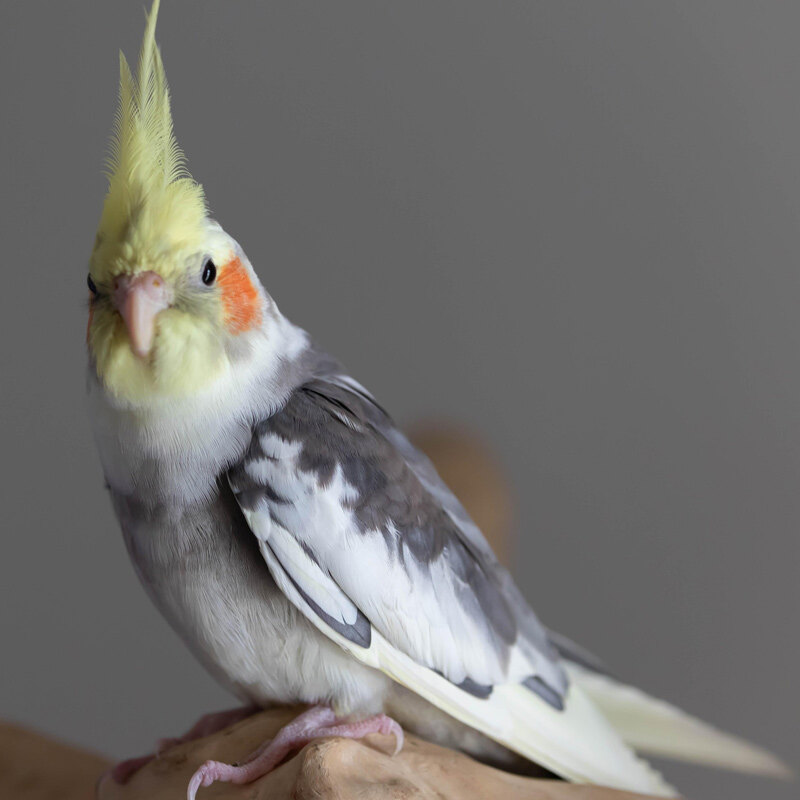
| Budgerigars | Vocal and interactive | Enjoy social interaction |
Credit: lafeber.com
Reasons For No Reaction
Some birds do not respond to mirrors at all. This can be confusing for bird owners. Understanding why helps you know your bird better.
Birds react to mirrors based on their instincts and experiences. Not all birds see their reflection as another bird.
Lack Of Social Instincts
Some bird species do not have strong social instincts. These birds may ignore mirrors because they do not see reflections as others.
Birds that live alone in nature may not care about other birds. They see no reason to react to a mirror.
Previous Negative Experiences
Birds can remember bad experiences with mirrors. If a mirror caused stress before, they may avoid it now.
Fear or confusion from past encounters makes birds ignore mirrors to stay safe.
Age And Development Factors
Young birds might not understand mirrors yet. Their brains are still growing, and they learn about reflections slowly.
Older birds may lose interest because they know the mirror is not a real bird.
- Juvenile birds often ignore reflections
- Adult birds may react less over time
- Birds develop different responses as they age
Environmental Influences
Birds react to mirrors based on their environment. Some birds may ignore mirrors if conditions are not right. Environmental factors can affect their interest and behavior.
Understanding these factors helps explain why your bird may not respond to a mirror. Two main points are mirror placement and distractions around the bird.
Placement And Lighting Of The Mirror
The mirror’s location and light affect how your bird sees its reflection. Poor placement or lighting can make the reflection hard to see or uninteresting.
- Place the mirror at eye level for your bird.
- Use natural light or soft artificial light near the mirror.
- Avoid direct sunlight on the mirror to prevent glare.
- Keep the mirror clean for a clear reflection.
- Try different spots to find where your bird shows interest.
Distractions In The Bird’s Surroundings
Many things can distract your bird from noticing the mirror. Noise, movement, and other pets may take your bird’s attention away.
| Distraction | Effect on Bird |
|---|---|
| Loud noises | Stress and lack of focus |
| Other pets nearby | Curiosity or fear away from mirror |
| Bright lights | Overstimulation or avoidance |
| Busy areas | Less interest in reflection |

Credit: www.reddit.com
Health And Psychological Factors
Birds often react to mirrors by showing curiosity or social behavior. Sometimes, a bird may not respond to a mirror at all. This lack of reaction can be related to health or psychological reasons.
Understanding these factors can help bird owners ensure their pets are healthy and comfortable. It also helps explain why some birds ignore their reflection.
Stress And Anxiety Effects
Stress can make birds avoid mirrors. If a bird feels anxious, it may hide or stay still instead of exploring its reflection.
Stress comes from changes in the environment, loud noises, or being alone. Birds under stress focus on feeling safe, not on mirrors.
- New surroundings can cause fear and stress
- Sudden loud sounds may increase anxiety
- Loneliness or lack of social contact affects behavior
- Stress reduces interest in mirrors and toys
Vision And Sensory Issues
Birds rely on their vision to see mirrors clearly. If a bird has eye problems, it may not notice its reflection.
Some birds have trouble seeing due to age, injury, or illness. These issues can stop them from reacting to mirrors.
- Eye infections can blur vision
- Injuries may limit sight
- Older birds might have weaker vision
- Sensory problems reduce interest in reflections
Alternative Ways To Engage Your Bird
Some birds do not react to mirrors. This can be because they do not see their reflection as another bird. It is important to find other ways to keep your bird happy and active.
Using toys and social activities can help your bird stay healthy and entertained. Birds need mental and physical stimulation every day.
Using Toys And Interactive Games
Toys help birds use their minds and bodies. They enjoy toys they can chew, climb, or move. Interactive games can also keep them busy and curious.
Try offering different toys to see which ones your bird likes. Change toys regularly to keep your bird interested.
- Chewing toys made of wood or safe materials
- Puzzle toys with hidden treats
- Swings and climbing ropes
- Foraging games to find food
Social Interaction And Training
Birds are social animals. They enjoy spending time with their owners and other birds. Talking, playing, and gentle training help build trust and friendship.
Training sessions can teach simple commands or tricks. Keep training short and fun to hold your bird’s attention.
- Talk softly to your bird daily
- Offer treats during training
- Use hand signals and clear words
- Play gentle games like peek-a-boo

Credit: www.reddit.com
Frequently Asked Questions
Why Doesn’t My Bird Respond To Its Mirror Reflection?
Some birds may not recognize their reflection as another bird. They might see it as an object or ignore it due to lack of interest. Individual personality and species differences also affect mirror reactions in birds.
Can A Bird Get Bored Of Its Mirror?
Yes, birds can lose interest in mirrors over time. Repetitive exposure without interaction can cause boredom. Providing toys and social interaction helps keep your bird mentally stimulated.
Do All Bird Species React To Mirrors Similarly?
No, mirror reactions vary by species. Some birds are curious or territorial, while others ignore mirrors. Understanding your bird’s natural behavior helps explain its response to mirrors.
How Can I Encourage My Bird To Interact With A Mirror?
Place the mirror in a visible, safe spot. Use positive reinforcement like treats when your bird approaches. Avoid forcing interaction to prevent stress or fear.
Conclusion
Understanding your bird’s behavior with mirrors is essential. Each bird is unique. Some birds ignore mirrors, while others react. It’s natural and not a cause for worry. Observing your bird helps you understand its needs. Engaging with toys or activities can be more stimulating.
A balanced environment keeps your bird happy and healthy. Remember, patience is key. Every bird has its personality. Appreciate their quirks and provide love and care. This knowledge helps you connect better with your feathered friend. Your bond will grow stronger with time and attention.




