
Have you ever wished you could spot birds even when it’s dark or hidden behind thick leaves? Imagine being able to see them clearly without disturbing their natural behavior.
Thermal cameras might be the secret tool that changes your birding experience forever. You’ll discover how thermal cameras work and whether they can truly help you find and observe birds like never before. Get ready to unlock a new way of connecting with nature that could transform your birdwatching adventures.
Thermal Cameras And Birding Basics
Birding often depends on keen eyesight and patience. But what if you could spot birds without relying solely on daylight or clear views? Thermal cameras offer a fresh way to observe birds by detecting their heat signatures instead of visible light. This technology changes how you might experience birdwatching, especially in low-light conditions or dense foliage.
How Thermal Cameras Work
Thermal cameras detect infrared radiation, which is emitted by all warm objects, including birds. Unlike regular cameras, they don’t capture light reflected off surfaces but instead show heat differences as images.
Warmer areas appear brighter or in different colors depending on the camera’s settings, making it easier to spot animals even in complete darkness.
For birdwatchers, this means you can find birds hidden in thick bushes or active during dusk and dawn without disturbing them.
Benefits For Birdwatchers
- Improved Visibility at Night:See nocturnal birds or early risers without using flashlights that might scare them away.
- Finding Hidden Birds:Detect birds hidden by leaves or branches by their heat signature.
- Better Safety and Comfort:Stay aware of your surroundings and avoid unexpected encounters with wildlife or obstacles in the dark.
- Non-Intrusive Observation:Observe without getting too close, reducing stress for the birds.
Have you ever missed spotting a bird because it blended perfectly with its environment? Thermal cameras can give you an edge by revealing what your eyes alone might miss.

Credit: medium.com
Choosing The Right Thermal Camera
Choosing the right thermal camera makes birding more enjoyable and effective. The right tool helps spot birds in low light or dense foliage. It also reveals heat signatures invisible to the naked eye. Not all thermal cameras suit birding needs. Focus on features that improve clarity and ease of use.
Key Features To Consider
- Resolution:Higher resolution means clearer images and better bird details.
- Detection Range:A longer range helps find birds from a distance.
- Refresh Rate:Faster refresh rates show smooth movement, useful for watching flying birds.
- Battery Life:Longer battery life supports extended birding trips.
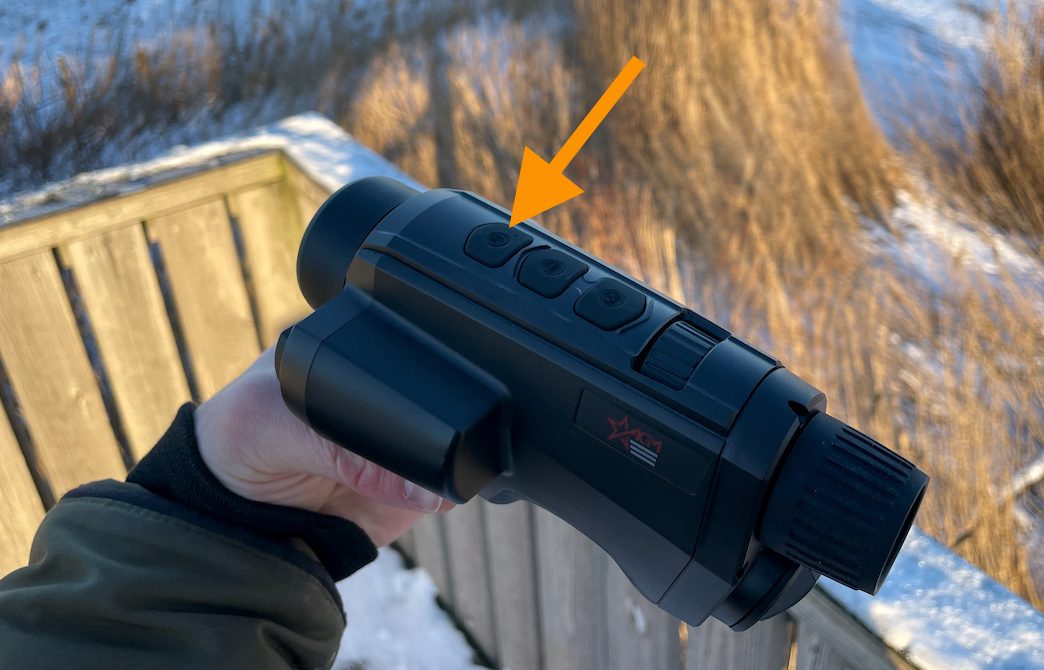
- Portability:Lightweight and compact cameras are easier to carry outdoors.
- Image Storage:Ability to save images or videos helps review sightings later.
- Display Quality:Bright, sharp displays improve viewing under sunlight.
Top Models For Birding
| Model | Resolution | Detection Range | Battery Life | Weight |
|---|---|---|---|---|
| FLIR Scout TK | 160×120 | 100 yards | 5 hours | 0.4 lbs |
| Seek Thermal CompactPRO | 320×240 | 180 yards | 10 hours | 0.3 lbs |
| Hikmicro Owl OQ50 | 384×288 | 450 yards | 6 hours | 0.5 lbs |
Using Thermal Cameras In Different Environments
Thermal cameras open new possibilities for birding across diverse environments. Each setting presents unique challenges and opportunities for spotting birds by their heat signatures. Understanding how thermal imaging works in these varied landscapes can help you make the most of your birdwatching adventures.
Forests And Dense Vegetation
In thick forests, birds often hide behind leaves and branches, making them hard to spot with regular optics. Thermal cameras can detect the warmth of a bird even if it’s partly obscured by foliage. This can help you find elusive species that typically remain hidden during the day.
However, the dense canopy and cool shadows might sometimes cause heat signatures to blend with the background. You’ll need to adjust your camera settings for contrast to distinguish birds from leaves and tree bark. Have you ever tried scanning the treetops early in the morning when birds are most active?
Wetlands And Open Fields
Open areas like wetlands and fields provide a clearer line of sight, which makes thermal imaging highly effective. Birds resting or moving across these spaces stand out sharply against cooler surroundings. This is especially useful for spotting waterfowl or ground-nesting birds that might otherwise blend in visually.
Keep in mind that water can reflect heat and sometimes confuse the camera. Try to position yourself with the sun at your back to reduce glare and improve detection. What kinds of birds have you discovered in open spaces that you missed before?
Nighttime Birdwatching
Thermal cameras truly shine after dark, revealing birds that are active at night like owls and nightjars. Since these birds emit heat, you can track their movements without disturbing them with bright lights. This lets you observe natural behaviors that are impossible to see with binoculars alone.
Still, cool night air may cause some heat signatures to appear less distinct. Experiment with zoom levels and sensitivity to capture clear images. Have you experienced the thrill of spotting a hidden nocturnal bird using a thermal camera?
Techniques For Effective Thermal Birding
Thermal cameras provide a unique way to observe birds, especially in low light or dense foliage. Using them effectively requires specific techniques to enhance your birding experience. Understanding how to read thermal images and interpret bird behavior can improve sightings and identification.
Identifying Bird Species
Thermal cameras show heat patterns, not colors or fine details. Focus on the shape and size of the heat signature. Large birds appear as bigger heat spots, while small birds show smaller ones.
Notice the outline of the bird’s body and head. Look for distinctive features like long tails or curved beaks in the thermal image. Comparing these shapes with known bird silhouettes helps in identification.
- Use a reference guide with bird shapes and sizes.
- Observe the heat intensity; warmer parts often indicate the bird’s body core.
- Check for movement patterns typical of certain species.
Tracking Movement And Behavior
Thermal cameras excel at detecting movement in darkness or thick cover. Watch how birds move to understand their behavior. Quick, darting heat spots may indicate small songbirds.
Slow, steady movements could be larger birds like owls or hawks. Notice how birds interact with their environment, such as perching or flying patterns. This behavior helps confirm species and activity.
- Follow heat trails to track a bird’s path.
- Observe feeding or hunting behavior through heat changes.
- Use thermal zoom to focus on details without disturbing birds.
Limitations And Challenges
Thermal cameras offer unique advantages for birding, but they come with limits. Understanding these challenges helps set realistic expectations. Some factors reduce the effectiveness of thermal imaging in spotting and identifying birds.
Weather And Temperature Effects
Weather conditions impact thermal camera performance. Rain, fog, and snow can block heat signatures from birds. Cold temperatures reduce the contrast between birds and their surroundings. On hot days, the environment may emit similar heat as birds, making detection harder. Wind can also cool bird bodies quickly, lowering their heat signature. Thermal cameras work best in clear, calm weather with moderate temperatures.
Image Resolution And Detail
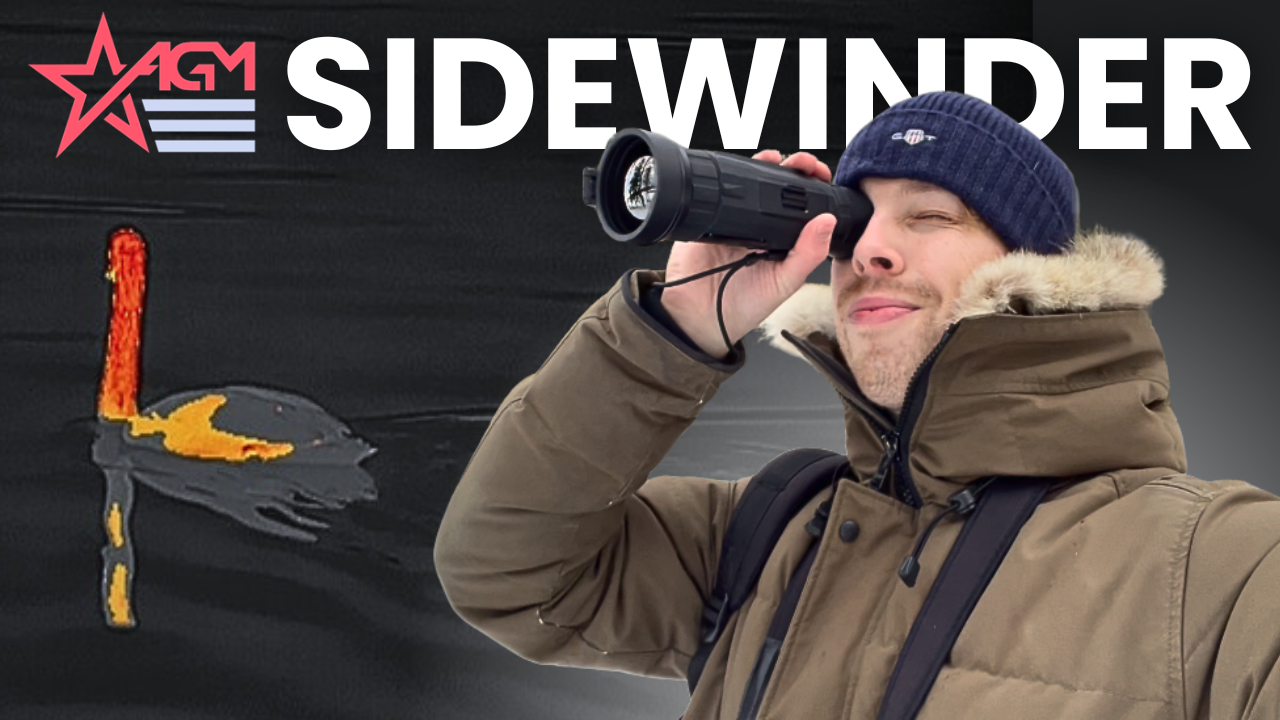
Thermal cameras often have lower resolution than regular cameras. This limits the ability to see fine details on birds. Identifying species by shape or markings is difficult with blurry images. Small birds may appear as indistinct heat blobs. Zooming in reduces image quality further. This makes it challenging to confirm exact bird types using thermal cameras alone.
Credit: medium.com
Combining Thermal Cameras With Other Tools
Thermal cameras work well with binoculars and GPS devices for better bird spotting. Combining these tools helps find birds hidden in dense trees or low light. This mix improves birding experiences, especially at dawn or dusk.
Combining thermal cameras with other tools can elevate your birding experience to new heights. By merging technology with traditional methods, you can get a fuller picture of bird behavior and habitats. This integration not only enhances your ability to spot birds but also increases the fun and educational aspects of birding.Using Binoculars And Spotting Scopes
Thermal cameras are fantastic for detecting heat signatures, but they don’t offer the detailed visuals that binoculars or spotting scopes provide. A thermal camera can help you locate a bird hidden in dense foliage. Once you have a general idea of its location, switch to binoculars to enjoy the intricate details of its plumage. By carrying both tools, you’re prepared for any situation. You can quickly identify a bird’s location with your thermal camera and then zoom in with your binoculars for a closer look. This approach is especially useful during dusk or dawn when birds are active, but visibility is low.Integrating With Smartphone Apps
Pairing your thermal camera with smartphone apps can make birding even more interactive. Many apps offer identification guides, allowing you to quickly confirm the species you’ve spotted. Some apps also have features that let you log sightings and share them with a community. Imagine capturing a heat signature with your thermal camera and instantly logging it into an app. You can even use GPS features to map out your birding journey. This not only enriches your birding experience but also contributes valuable data to citizen science projects. Ever thought about how much easier birding could be with tech on your side? Combining thermal cameras with other tools could be the game-changer you need.Ethical Considerations In Thermal Birding
Using thermal cameras in birding offers a unique perspective. Yet, ethical concerns arise with this technology. These concerns focus on minimizing disturbance and respecting wildlife and habitats. Understanding these aspects ensures responsible birding practices.
Minimizing Disturbance
Thermal cameras can detect birds from a distance. This capability helps minimize physical intrusion. Observers should maintain a respectful distance. Birding at night requires extra caution. Avoid shining lights directly at birds. The sudden brightness can disturb their natural behavior.
Stay on designated paths. Avoid making loud noises. These actions help reduce stress on the birds. Always prioritize the well-being of wildlife over capturing footage.
Respecting Wildlife And Habitats
Respecting the natural habitat is crucial in birding. Avoid entering restricted areas. These zones often serve as sensitive bird habitats. Follow local guidelines and rules strictly. Keep interaction with wildlife minimal.
Thermal cameras should not interfere with birds’ lives. Use them as a tool for observation only. Disturbing nesting sites can have long-term effects. Ensure your presence does not alter the habitat. This respect fosters a sustainable birding environment.
Credit: medium.com
Future Trends In Thermal Birding Technology
The future of thermal birding technology promises exciting changes. These innovations will enhance how birders detect and study birds in low light and dense habitats. Improvements will make thermal cameras easier to use and more accurate for bird identification.
Advancements In Camera Sensitivity
New thermal cameras will have higher sensitivity to temperature differences. This means they can spot birds even in cooler environments or when birds are hidden among leaves. Improved sensors will offer clearer images with finer detail. Birders will see shapes and movements more precisely, aiding quick identification. Cameras will also become lighter and more compact, making them easier to carry on long trips.
Ai And Image Recognition Integration
Artificial intelligence will play a big role in future thermal birding tools. AI can analyze thermal images to recognize bird species automatically. This technology will reduce the time spent guessing or checking field guides. Birders will get instant feedback about the birds they spot. AI systems will learn from user data, improving accuracy over time. These smart cameras will help beginners and experts alike enjoy birding more effectively.
Frequently Asked Questions
Can Thermal Cameras Help Spot Birds At Night?
Yes, thermal cameras detect heat signatures, allowing birders to locate birds in darkness. This technology reveals birds hidden in low light or dense foliage, enhancing night birding experiences effectively.
Are Thermal Cameras Better Than Binoculars For Birding?
Thermal cameras excel in low light and obscured views, unlike binoculars. They reveal heat patterns, helping spot camouflaged or distant birds, but binoculars offer clearer visual details during daylight.
What Are The Benefits Of Using Thermal Cameras For Birding?
Thermal cameras aid in detecting birds in dense vegetation and at night. They reduce disturbance by allowing observation from a distance and improve bird identification in challenging environments.
Can Thermal Cameras Identify Bird Species Accurately?
Thermal cameras show heat outlines, not detailed plumage. They help locate birds but are less effective for species identification compared to optical devices. Combining with binoculars improves accuracy.
Conclusion
Thermal cameras help spot birds in dark or hidden places. They show heat, so you can find birds even at night. These cameras work well in cold or foggy weather too. Bird watchers can enjoy new ways to explore nature.
Using thermal cameras adds fun and ease to birding trips. It’s a useful tool for anyone who loves watching birds. Try it and see how it changes your birding experience.




