
Have you ever wondered if a camera flash can actually harm a bird? You might think a quick burst of light is harmless, but could it really affect these delicate creatures?
If you care about wildlife and want to capture stunning photos without causing harm, this question matters to you. You’ll discover what really happens when a bird is exposed to a camera flash. Understanding this can help you take better photos while protecting the animals you love.
Keep reading to learn the surprising facts that every bird lover and photographer needs to know.
Bird Vision And Light Sensitivity
Birds have unique eyes designed to see the world differently from humans. Their vision helps them find food, avoid danger, and communicate. Understanding how birds see light and their sensitivity to it is key to knowing the effects of camera flashes on them.
How Birds See Light
Birds have more color receptors than humans. They can see ultraviolet light, which we cannot. This ability lets them detect patterns on flowers and other birds. Their eyes have a high number of cone cells for sharp vision. This sharpness helps them spot small insects from far away.
Birds’ eyes are also very sensitive to changes in light. Their pupils adjust quickly to different brightness levels. This sensitivity helps them navigate through dark forests or bright skies. Their vision is adapted for quick reactions to sudden movements or light changes.
Impact Of Bright Flashes On Birds
Sudden bright light can startle birds. A camera flash is a sudden, intense burst of light. It may cause temporary blindness or confusion. This can make birds stop flying or lose focus. In some cases, it might cause stress or panic.
Repeated exposure to bright flashes can disturb birds’ natural behavior. It may affect their feeding and mating routines. Birds usually avoid areas with frequent bright lights. Protecting birds means limiting the use of strong flashes near them.

Credit: vogelfotografien.wordpress.com
Myths About Camera Flashes And Birds
Many people worry that using a camera flash might harm birds. This concern often stops photographers from capturing wildlife moments. Let’s look closely at these fears and see what’s really true about camera flashes and birds.
Common Misconceptions
One common myth is that camera flashes can blind or even kill birds instantly. Some believe the sudden bright light causes permanent damage to a bird’s eyes. Others think the flash startles birds so much that it leads to fatal accidents.
Have you ever seen a bird fly away after a flash? It might seem like the flash caused serious harm, but often the bird is just startled and quickly recovers. People sometimes confuse temporary discomfort with lasting injury.
Another misconception is that repeated flashes can stress birds to the point of death. While stress can affect animals, there’s no clear evidence that camera flashes alone cause deadly stress in birds.
Scientific Evidence Against Harm
Studies involving bird behavior and physiology show that camera flashes are generally safe. Research indicates that the brief burst of light from a camera flash does not damage bird eyes. Birds have natural protection against sudden light changes, much like humans.
Wildlife experts and birdwatchers often use flash photography without reporting harm. Controlled experiments reveal that birds quickly adapt and do not suffer long-term effects. This suggests that your camera flash is unlikely to kill or seriously injure birds.
So, if you want to photograph birds, don’t let fear stop you. Use your flash responsibly and observe how birds respond. What’s important is minimizing disturbance, not avoiding flash altogether.
Potential Effects Of Flash On Bird Behavior
Bright camera flashes can affect birds in different ways. Birds rely heavily on their vision for survival. Sudden, intense light may disrupt their normal behavior. Understanding these effects helps photographers act responsibly around wildlife.
Startle Responses
Birds often react quickly to unexpected light. A camera flash can cause a sudden shock. This startle response may lead birds to fly away abruptly. Such reactions can increase their stress levels. Frequent flashes may make birds avoid certain areas. This avoidance can affect their feeding and nesting routines.
Temporary Disorientation
Intense flashes may confuse a bird’s vision for a short time. This disorientation can impair their ability to navigate. Birds might lose track of nearby obstacles or predators. Disorientation can last several seconds after the flash. During this period, birds are vulnerable to accidents. Repeated exposure to flash can heighten this risk.
Safety Measures For Wildlife Photography
Wildlife photography captures the beauty of animals in their natural homes. Protecting these creatures is a key part of the craft. Using camera flash can sometimes scare or harm birds. Taking safety measures helps keep wildlife safe and photos natural. Respect for animals makes photography rewarding and ethical.
Best Practices To Avoid Disturbance
- Use natural light whenever possible to avoid startling birds.
- Keep a safe distance; use zoom lenses to get close shots.
- Move slowly and quietly to prevent sudden fright.
- Limit flash use, especially near nests or small birds.
- Observe animal behavior; stop if they show signs of stress.
- Choose times when birds are less active to reduce impact.
Ethical Photography Tips
- Respect wildlife habitats; never disturb nests or feeding areas.
- Avoid baiting or luring animals for better pictures.
- Follow local rules and guidelines for wildlife photography.
- Share knowledge about safe photography practices with others.
- Use flash only when absolutely necessary and with care.
- Prioritize the well-being of animals over getting the perfect shot.
Real-life Incidents And Studies
Many people wonder if camera flashes can harm birds. Real stories and scientific studies help answer this question. They show how birds react to sudden bright lights. Understanding these incidents helps us respect wildlife better.
Reported Cases
Some bird watchers shared stories of birds startled by camera flashes. Most birds flew away quickly, showing fear but no lasting harm. A few cases mentioned birds pausing briefly after a flash. No verified reports show a bird dying from a flash alone. Photographers often use flashes carefully to avoid disturbing animals.
Research Findings
Scientists studied how birds respond to bright lights, including camera flashes. Research shows flashes can startle birds but do not cause physical damage. Birds have strong eyes adapted to bright and sudden light changes. Studies found no evidence that camera flashes kill birds or cause blindness. Repeated bright light may stress birds, but occasional flashes are safe.

Credit: vogelfotografien.wordpress.com
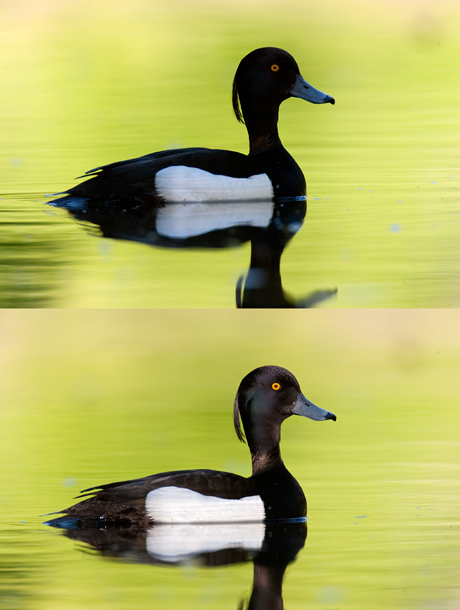
Credit: vogelfotografien.wordpress.com
Frequently Asked Questions
Can Camera Flash Harm A Bird’s Eyesight?
Camera flash is unlikely to cause permanent eye damage to birds. Birds have protective eye structures that reduce light damage. However, sudden bright flashes may temporarily startle or disorient them. It’s best to avoid frequent flashes close to birds to minimize stress and disturbance.
Does Camera Flash Kill Birds Instantly?
No, camera flash does not kill birds instantly. Flash emits a brief burst of light without harmful radiation or toxins. Birds might be startled or fly away, but the flash itself cannot cause fatal harm. Responsible photography respects wildlife safety and welfare.
Can Repeated Camera Flashes Stress Birds?
Yes, repeated camera flashes can stress birds. Continuous bright flashes may disrupt their natural behavior and cause anxiety. Stress weakens birds’ immune systems and affects feeding or nesting. Photographers should use flashes sparingly and maintain distance to protect birds’ well-being.
Is It Safe To Use Flash When Photographing Birds?
Using flash cautiously is generally safe for birds. Avoid shining flash directly into their eyes or during sensitive times like nesting. Natural lighting is preferable to reduce disturbance. Respecting birds’ comfort helps maintain ethical wildlife photography practices.
Conclusion
Camera flashes do not kill birds. They might startle or scare them briefly. Birds have strong eyes that handle sudden light well. Flash can cause momentary discomfort but no lasting harm. Always respect wildlife and avoid disturbing animals. Use camera flash carefully and only when necessary.
Protecting birds helps keep nature healthy and balanced. Stay mindful and enjoy birdwatching with kindness.




