
Have you ever wondered if your bird feeder is actually helping or harming the environment? You might think feeding birds is a kind and harmless act, but the truth is more complicated.
What if your simple backyard habit is affecting local wildlife in ways you never expected? Keep reading to discover surprising facts about bird feeders and learn how you can make a positive impact without causing unintended harm. Your choices matter more than you think.
Impact On Local Wildlife
Bird feeders are a common sight in many backyards, but their presence can significantly affect local wildlife. Understanding how feeders impact bird behavior, health, and the surrounding ecosystem helps you make better choices for your garden. Let’s dive into these effects and consider what they mean for the environment around you.
Changes In Bird Behavior
Bird feeders can change how birds behave by making them rely on human-provided food instead of natural sources. This shift can reduce their natural foraging skills and alter migration patterns. Have you noticed birds staying in your area longer than usual? That’s often due to the easy access to food, which can disrupt their usual routines.
Additionally, some bird species may become more aggressive around feeders, competing for limited resources. This can lead to dominance by a few species while pushing others away. Think about how this might affect the overall diversity of birds visiting your yard.
Effects On Bird Health
Feeding birds isn’t always harmless; the quality and cleanliness of the food you provide matter a lot. Leftover seeds can mold, spreading diseases like salmonella or avian pox among visiting birds. I once saw a feeder that wasn’t cleaned regularly, and soon after, several birds showed signs of illness.
Also, feeding birds the wrong food, such as bread or processed snacks, can cause malnutrition. You can help by offering appropriate seeds and regularly cleaning your feeder to keep birds healthy and safe.
Attraction Of Predators
Bird feeders can unintentionally attract predators like cats, hawks, and squirrels. These animals often stake out feeders as hunting grounds, putting smaller birds at risk. Have you noticed more squirrels or neighborhood cats hanging around your feeder? Their presence can make the area dangerous for birds.
To protect birds, consider placing feeders in spots that offer quick escape routes or cover. You might also try feeders designed to deter squirrels and keep predators at bay while still feeding your feathered friends safely.
Environmental Consequences
Placing bird feeders in your yard might seem like a harmless way to enjoy nature, but it can have several environmental consequences. These effects often go unnoticed, yet they impact not just the birds but the entire ecosystem around you. Understanding these consequences helps you make better choices for both your feathered friends and the environment.
Spread Of Diseases
Bird feeders can become hotspots for disease transmission among birds. When many birds gather in one place, illnesses like avian pox or salmonella can spread quickly.
I’ve seen how a single feeder can turn into a gathering point for sick birds, which then carry diseases to others. Cleaning your feeder regularly and spacing out feeding areas can help reduce this risk.
Waste And Litter Issues
Bird feeders often lead to leftover seeds, husks, and droppings accumulating beneath them. This waste can attract pests such as rodents and insects, creating new problems.
One neighbor complained about rats invading her garden after setting up multiple feeders. You can minimize waste by choosing feeders designed to reduce spillage and cleaning up regularly.
Influence On Ecosystem Balance
Feeding birds can disrupt natural behaviors and food chains. Birds may rely too much on feeders, reducing their foraging skills and affecting local insect populations they usually control.
Have you noticed certain bird species dominating your feeders? This can push out less aggressive native birds, altering the local ecosystem balance. Offering a variety of natural plants and limiting feeder use can help maintain harmony.
Benefits Of Bird Feeders
Bird feeders offer several benefits to both birds and people. They provide food sources that help birds survive, especially in areas with fewer natural resources. Bird feeders also create chances for people to learn about birds up close. Feeding birds during tough seasons supports their health and survival.
Supporting Urban Bird Populations
Urban areas often lack natural food sources for birds. Bird feeders fill this gap by offering easy access to seeds and nuts. This helps birds stay healthy and reproduce in cities. It also encourages more bird species to live near people. Feeding birds supports their survival despite habitat loss.
Educational Opportunities
Bird feeders bring birds closer to homes and schools. They create a chance to observe bird behavior and species variety. Children and adults can learn about bird habits and needs. This hands-on experience builds respect for nature. Bird watching at feeders also sparks curiosity and interest in wildlife.
Seasonal Feeding Advantages
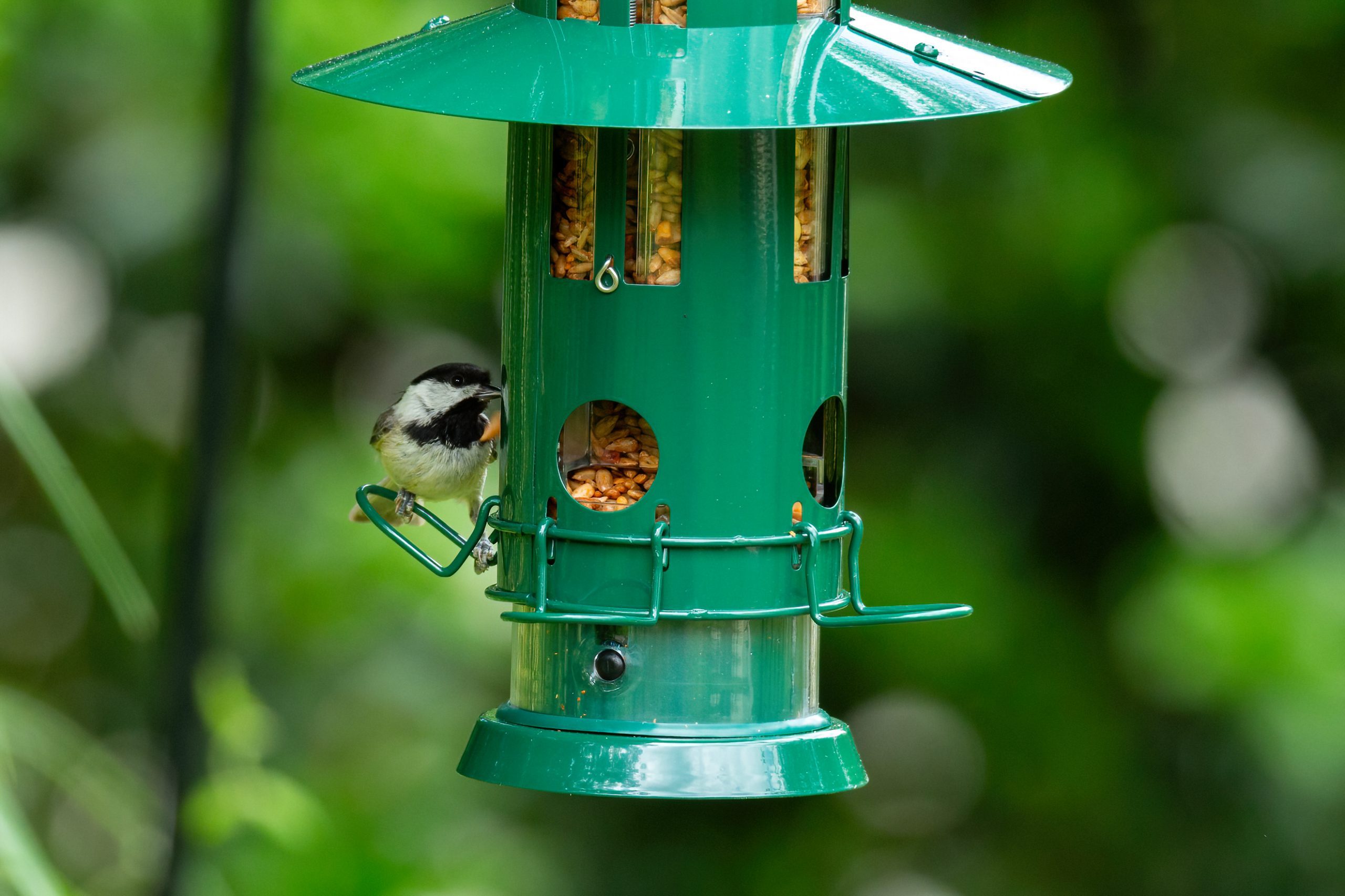
Bird feeders provide extra food during harsh winters and dry summers. Natural food can be scarce in these times. Feeders help birds maintain energy and body heat in cold months. They also support young birds after nesting. Seasonal feeding boosts bird survival rates and overall health.
Credit: www.kingsyard.com
Safe Bird Feeding Practices
Feeding birds can bring joy and help wildlife thrive. Yet, safe practices matter to protect both birds and the environment. Thoughtful choices reduce risks of disease and harm. Following clear steps supports healthy bird populations and clean surroundings.
Choosing The Right Feeder
Select feeders that suit local bird species. Avoid designs that trap water or mold food. Use feeders made from safe, durable materials like metal or hard plastic. Place feeders away from windows to prevent bird collisions. Keep feeders at safe distances from predators.
Proper Cleaning Techniques
Clean feeders regularly to stop disease spread. Use a mix of one part bleach to nine parts water. Scrub all surfaces thoroughly and rinse well. Dry feeders completely before refilling to avoid mold growth. Clean feeding areas beneath feeders to remove old seeds and droppings.
Selecting Appropriate Food
Offer natural, fresh food that birds prefer and digest easily. Seeds like sunflower, millet, and safflower attract many species. Avoid bread and processed snacks that can harm birds. Provide water or offer suet in cold seasons for extra energy. Change food often to keep it fresh and safe.
Alternatives To Traditional Feeders
Traditional bird feeders can sometimes harm the environment. They may spread diseases or attract unwanted pests. Alternatives help support birds naturally. These options create safe spaces and food sources without risks.
Natural Habitat Restoration
Restoring natural habitats provides birds with safe homes. Removing invasive plants and planting native trees helps birds thrive. Clean water sources and natural shelters encourage bird populations. This approach supports the entire ecosystem.
Planting Native Species
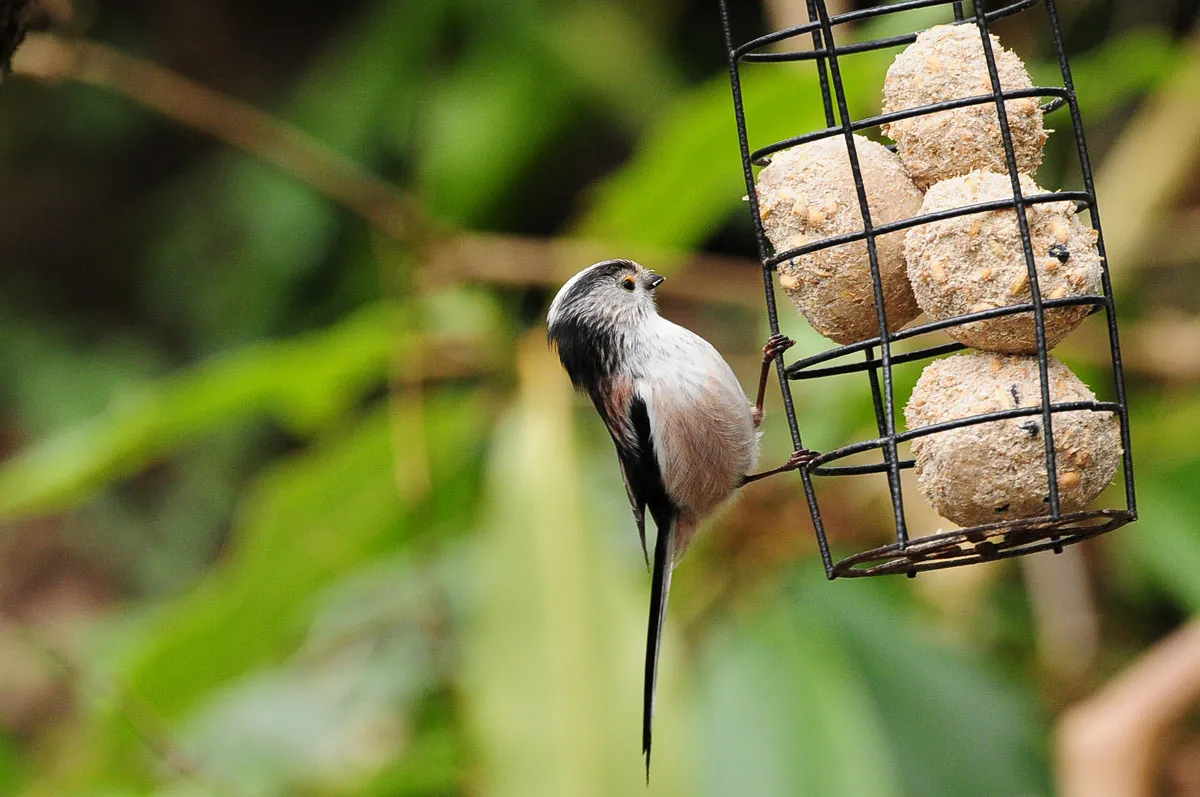
Native plants offer food and shelter for local birds. These plants produce seeds, berries, and nectar birds love. They also attract insects, a key food source for many birds. Native species require less water and care, making them eco-friendly choices.
Creating Bird-friendly Gardens
Gardens designed for birds improve their survival chances. Use a mix of trees, shrubs, and flowers. Provide fresh water with a shallow birdbath. Avoid pesticides to keep insects safe. Add natural nesting materials like twigs and leaves.
Credit: www.bto.org

Credit: www.arkwildlife.co.uk
Frequently Asked Questions
Are Bird Feeders Harmful To Wild Birds?
Bird feeders can attract birds but may spread diseases if not cleaned regularly. Proper maintenance reduces risks and supports bird health.
Do Bird Feeders Disrupt Natural Bird Behaviors?
Feeding birds can alter their natural foraging habits. However, occasional feeding usually does not cause significant behavioral changes.
Can Bird Feeders Impact Local Ecosystems Negatively?
Improper feeder placement can disrupt local ecosystems by attracting invasive species. Careful management helps minimize environmental impact.
How Do Bird Feeders Affect Bird Migration Patterns?
Bird feeders might delay migration by providing easy food. Yet, most birds continue migration naturally despite feeders.
Conclusion
Bird feeders can help birds, but they may cause some problems too. They attract many birds to one place, which can spread diseases. Seeds left on the ground can grow into unwanted plants. Cleaning feeders often helps keep birds healthy.
Using feeders wisely supports nature without harm. Think about the environment before placing a feeder. Small changes make a big difference for birds and the earth. Enjoy feeding birds, but do it with care.




