
Feather loss in your bird can be worrying, and you might wonder what’s causing it and how to fix it quickly. You want your feathered friend to look healthy and feel comfortable again.
The good news is, there are simple and effective ways you can treat feather loss right at home. You’ll discover easy steps to help your bird regain its beautiful feathers and stay happy. Keep reading, because the solution might be easier than you think.
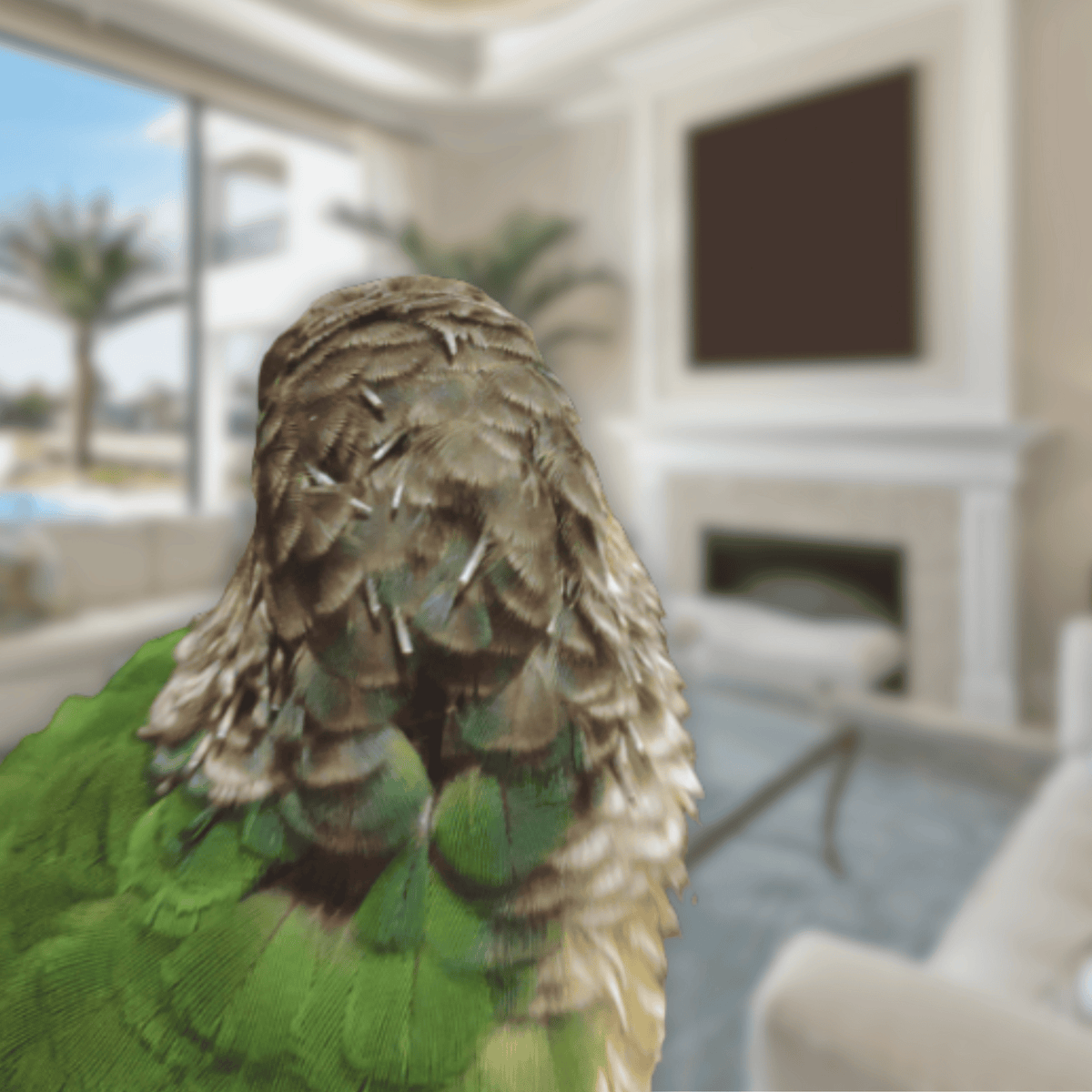
Credit: birdsupplies.com
Common Causes Of Feather Loss
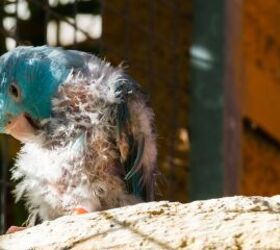
Feather loss in birds can be worrying for pet owners. It often signals health or environmental problems.
Understanding the common causes helps treat feather loss properly at home. This guide explains key reasons.
Nutritional Deficiencies
Birds need a balanced diet to keep feathers healthy. Missing vitamins or minerals can cause feathers to fall out.
Deficiencies in vitamin A, calcium, or protein often lead to weak or missing feathers.
- Poor diet lacking fresh fruits and vegetables
- Too much seed-only food
- Insufficient protein intake
- Low vitamin or mineral consumption
Parasites And Infections
Parasites like mites or lice irritate bird skin. Birds scratch and lose feathers from damage.
Bacterial or fungal infections also harm skin and feathers. These infections need prompt care to stop loss.
- External parasites cause itching and feather damage
- Bacterial infections create sores and feather loss
- Fungal growth weakens feather roots
- Veterinary treatment is often needed
Stress And Behavioral Issues
Birds under stress may pluck their own feathers. Stress can come from boredom, fear, or changes in routine.
Behavioral problems like feather picking need patience and care to fix. Providing toys and attention helps.
- Loneliness or lack of social interaction
- Sudden changes in environment
- Boredom leading to self-plucking
- Stress from loud noises or new pets
Environmental Factors
Temperature, humidity, and cage cleanliness affect feather health. Poor conditions cause feather loss.
Dry air or dirty cages lead to skin irritation and feather damage. Fresh air and clean space improve feathers.
- Low humidity dries out skin and feathers
- Dirty cages breed bacteria and mites
- Too much sun or drafts stress birds
- Proper ventilation and cleaning help prevent loss
Identifying Feather Loss Symptoms
Feather loss in birds can signal health problems. It is important to spot signs early.
Look closely at your bird’s feathers and behavior. This helps you know when to treat them.
Bald Patches And Skin Condition
Bald patches are areas without feathers. They can appear suddenly or slowly grow.
Check the skin under the feathers. Healthy skin looks smooth and clean.
- Red or swollen skin may show irritation or infection
- Scaly skin can mean mites or other parasites
- Dry or flaky skin may indicate poor nutrition
Changes In Bird Behavior
Birds with feather loss might act differently. Watch how your bird behaves.
Look for signs like more scratching or plucking of feathers. Birds may also hide or be less active.
- Excessive preening or biting feathers
- Less singing or social interaction
- Restlessness or signs of stress
Feather Quality And Growth
Check if feathers are dull, broken, or missing parts. This shows poor feather health.
New feathers should grow evenly and look smooth. Slow or no growth can be a problem.
- Feathers with cracks or splits
- Uneven feather length on the body
- New feathers growing in thin or weak
Home Remedies For Feather Loss
Feather loss in birds can be worrying for any pet owner. Many home remedies help birds regrow healthy feathers.
Using simple, natural methods can improve your bird’s feather condition safely at home.
Balanced Diet And Supplements
A healthy diet supports feather growth and overall bird health. Feeding a balanced diet is key to stop feather loss.
Include fresh fruits, vegetables, and quality pellets. Adding supplements like omega-3 fatty acids helps feather strength.
- Offer leafy greens like spinach and kale
- Provide fruits such as apples and berries
- Use bird-safe pellets for daily nutrition
- Consider omega-3 supplements after vet advice
Natural Parasite Treatments
Parasites cause itching and feather loss in birds. Natural treatments can help eliminate these pests safely.
Use neem oil sprays or diluted apple cider vinegar baths. These reduce mites and lice without harsh chemicals.
- Spray neem oil mixed with water on feathers
- Give a gentle bath with apple cider vinegar diluted in water
- Clean bird toys and cages regularly
- Check for parasites often to act quickly
Stress Reduction Techniques
Stress causes birds to pluck or lose feathers. Reducing stress helps birds stay calm and healthy.
Provide a quiet space, avoid loud noises, and keep a regular routine. Offer toys and social time for comfort.
- Place the cage in a calm, low-traffic area
- Keep feeding and cleaning times consistent
- Give toys to keep birds busy and relaxed
- Spend time talking softly to your bird daily
Maintaining Clean Living Space
A clean cage stops infections and parasites that cause feather loss. Regular cleaning is important for bird health.
Wash the cage, perches, and bowls with mild soap and water. Change bedding and remove waste daily.
- Clean cage bottom and replace lining daily
- Wash food and water bowls every day
- Disinfect cage weekly with bird-safe cleaners
- Remove uneaten food to prevent mold
Credit: birdsupplies.com
When To Consult A Vet
Feather loss in birds can sometimes be a sign of a serious problem. Knowing when to see a vet helps protect your bird’s health.
Not all feather loss needs a vet visit, but some signs require professional care. Watch your bird closely to spot these signs early.
Signs Of Severe Illness
Severe illness often causes more than just feather loss. Look for these signs that need urgent vet attention.
- Swollen eyes or face
- Labored breathing or wheezing
- Constant sneezing or nasal discharge
- Loss of appetite for more than a day
- Severe lethargy or weakness
Persistent Feather Loss
If your bird keeps losing feathers over time, this may indicate an ongoing health problem.
| Duration | What to Do |
| Less than 1 week | Observe and keep bird comfortable |
| More than 1 week | Schedule a vet check-up |
| Feather loss with skin wounds | Contact vet immediately |
Behavioral Changes
Birds show illness through behavior changes. Notice if your bird acts differently than usual.
- Sudden aggression or biting
- Hiding or avoiding interaction
- Excessive sleeping or inactivity
- Frequent scratching or plucking feathers
- Changes in vocal sounds or silence
Preventing Future Feather Loss
Feather loss in birds can be distressing for both pets and owners. Preventing this problem helps keep your bird healthy and happy.
Taking simple steps at home can reduce the chances of feathers falling out again. Focus on good care habits and a safe environment.
Regular Health Checks
Check your bird’s feathers and skin often. Look for signs of damage, mites, or infections. Notice if your bird is plucking feathers.
Visit a vet regularly to catch any health issues early. A vet can give advice on how to stop feather loss and keep your bird strong.
Proper Nutrition Plans
Good food helps birds grow strong feathers. Include a mix of seeds, fresh fruits, and vegetables. Avoid too many fatty or sugary treats.
- Provide a variety of seeds and pellets
- Add fresh greens like spinach and kale
- Offer fruits such as apples and berries
- Ensure clean, fresh water daily
- Limit high-fat snacks like sunflower seeds
Safe And Stimulating Environment
A calm and fun space lowers stress and stops feather picking. Give your bird toys and perches to stay busy.
| Environment Feature | Benefit |
|---|---|
| Varied Perches | Keeps feet healthy and prevents boredom |
| Safe Toys | Encourages play and reduces stress |
| Quiet Space | Reduces anxiety that causes feather loss |
| Regular Cleaning | Keeps habitat free from pests and dirt |
Credit: www.petguide.com
Frequently Asked Questions
What Causes Feather Loss In Pet Birds?
Feather loss in birds can result from stress, poor diet, parasites, or illness. Identifying the cause is crucial for effective treatment and feather regrowth.
How Can I Stop My Bird From Plucking Feathers?
Provide a balanced diet, enrich the environment, and reduce stress. Regular vet checkups help detect medical issues that cause feather plucking.
What Home Remedies Help Treat Bird Feather Loss?
Ensure proper nutrition, maintain cage hygiene, and use natural supplements like omega-3. Consult a vet before trying any home remedies.
When Should I See A Vet For Feather Loss?
If feather loss worsens, causes bleeding, or shows signs of infection, consult a vet immediately. Early diagnosis improves treatment success.
Conclusion
Treating feather loss in birds at home is manageable. Start with a clean cage. Ensure a balanced diet for your bird. Check for stress factors and remove them. Monitor your bird’s environment closely. Regularly observe your bird for signs of improvement.
If issues persist, consult a vet promptly. Home care can support feather regrowth. Patience and care are key. Birds need your attention and love. With these steps, your bird can thrive. Feather health reflects overall well-being. Be diligent and attentive.
Your efforts will help your feathered friend flourish.




