
If you want to bring a splash of tropical beauty into your home or garden, the Bird of Paradise is a perfect choice. But to keep this stunning plant thriving and blooming, you need to know the right care tips.
You might be wondering how often to water it, where to place it, or how to encourage those iconic, colorful flowers. This guide will answer all your questions and help you master the art of caring for your Bird of Paradise.
Keep reading, and you’ll discover simple steps to make your plant flourish like never before.

Credit: sanjaynursery.com
Choosing The Right Location
Choosing the right location for your Bird of Paradise is a critical step that can make or break its health and growth. This plant thrives best when its environment mimics its natural tropical habitat, which means paying close attention to light, temperature, and humidity. Finding the perfect spot in your home or garden ensures vibrant leaves and those stunning flowers you’re aiming for.
Light Requirements
Bird of Paradise loves bright, indirect light. Too little light, and it will grow slowly with fewer flowers. Too much direct sunlight can scorch the leaves, leaving brown patches.
Try placing your plant near a south or west-facing window where it can soak in plenty of filtered light. If natural light is limited, you can use a grow light for 6-8 hours a day to keep it happy.
Ideal Temperature
This tropical beauty prefers warm temperatures between 65°F and 75°F (18°C to 24°C). Sudden drops below 50°F (10°C) can stress the plant and stunt its growth.
Ask yourself: Does the location stay warm and stable throughout the day? Avoid drafty spots near doors or windows that open frequently in colder months. Consistency in temperature helps the plant thrive.
Humidity Levels
Bird of Paradise loves humidity but can tolerate average indoor levels. Aim for at least 50% humidity to keep its leaves lush and vibrant.
If your home is dry, especially in winter, consider using a humidifier or placing a water tray nearby. Misting the leaves occasionally can also boost humidity, but don’t overdo it—too much moisture can invite fungal problems.
Soil And Potting Tips
Choosing the right soil and pot for your Bird of Paradise can make a huge difference in its growth and health. This plant thrives when its roots have room to breathe but still stay moist without being waterlogged. Let’s look at how to pick the best soil, select the right pot, and know when it’s time to repot.
Best Soil Type
Your Bird of Paradise prefers soil that drains well yet retains some moisture. A mix of potting soil with perlite or sand works perfectly to prevent water buildup around the roots.
A soil rich in organic matter, like compost or peat moss, helps provide nutrients and keeps the soil light. Have you ever noticed your plant’s leaves turning yellow? Poor soil drainage might be the cause.
Pot Selection
Choosing the right pot is more than just picking a pretty container. Make sure it has drainage holes to avoid water sitting at the bottom, which can lead to root rot.
Terracotta pots are a great choice because they allow the soil to dry out faster, helping to prevent overwatering issues. However, plastic pots retain moisture longer, so adjust your watering accordingly.
Consider the size too. The pot should be slightly larger than the root ball—too big and the soil can stay soggy; too small and the roots get cramped.
Repotting Guidelines
Repot your Bird of Paradise every 2 to 3 years or when you see roots growing out of the drainage holes. This refreshes the soil and gives the roots more space to grow.
Choose a pot only one size bigger to keep the plant comfortable. Gently loosen the roots before placing the plant in the new pot to encourage them to spread out.
After repotting, water your plant thoroughly but avoid fertilizing for a few weeks to let it settle. Have you checked if your plant might need a new home yet?
Watering Techniques
Watering is key to keeping your Bird of Paradise healthy. Too much or too little water can harm the plant. Understanding proper watering techniques helps your plant thrive. Pay attention to how often and how much you water. Watch for signs that show if your plant needs more or less water.
Frequency And Amount
Water the Bird of Paradise deeply but less often. Let the top 2 inches of soil dry out before watering again. During warm months, watering once a week is good. In cooler months, reduce watering to every two weeks. Always use room temperature water to avoid shocking the roots.
Signs Of Overwatering
Overwatering causes yellow leaves and soft stems. The soil may smell bad or stay wet for days. Roots can rot, leading to plant decline. If leaves start drooping or turning brown at the edges, check the soil moisture. Stop watering and let the soil dry out if you see these signs.
Dealing With Underwatering
Underwatering makes leaves dry, brown, and crispy. The plant may look wilted or shriveled. Soil will pull away from the pot’s edges. Increase watering gradually to avoid shock. Water deeply and make sure water reaches the roots. Regularly check soil moisture to prevent underwatering problems.
Fertilizing For Growth
Fertilizing plays a key role in the healthy growth of a Bird of Paradise. This tropical plant needs nutrients to develop its colorful flowers and lush leaves. Proper feeding helps the plant stay strong and vibrant throughout the year.
Knowing how to fertilize correctly can boost your plant’s growth and flowering. It supports root development and improves resistance to pests and diseases. Careful attention to feeding habits ensures your Bird of Paradise thrives in any environment.
Choosing Fertilizers
Select fertilizers with balanced nutrients for Bird of Paradise. Look for formulas with nitrogen (N), phosphorus (P), and potassium (K). A common ratio like 10-10-10 or 20-20-20 works well. Nitrogen supports leaf growth, phosphorus aids flowers, and potassium strengthens roots.
Slow-release fertilizers provide nutrients over time. Liquid fertilizers offer quick feeding but need more frequent application. Check the label to confirm suitability for tropical plants.
Application Schedule
Feed your Bird of Paradise every 4 to 6 weeks during growing season. This period usually lasts from spring through summer. Reduce feeding in fall and stop in winter when growth slows. Over-fertilizing can harm the plant, so follow recommended amounts carefully.
Apply fertilizer to moist soil to avoid root burn. Water the plant well after feeding. Keep a consistent schedule for best results.
Organic Vs Chemical Options
Organic fertilizers come from natural sources like compost or manure. They improve soil health and release nutrients slowly. Organic options are gentle and safe for indoor plants.
Chemical fertilizers deliver nutrients quickly and are easy to use. They provide precise nutrient ratios but can build up salts in soil. Use chemical fertilizers sparingly and alternate with organic feeding to balance effects.
Choose based on your preference and growing conditions. Both types can support strong Bird of Paradise growth when used properly.
Pruning And Maintenance
Pruning and maintenance are essential to keep your Bird of Paradise looking vibrant and healthy. Regular care helps prevent disease, encourages new growth, and maintains its iconic shape. Paying attention to small details can make a big difference in how your plant thrives.
Removing Dead Leaves
Dead leaves not only look unattractive but can also invite pests and diseases. Use clean, sharp scissors or pruning shears to cut off any brown or yellow leaves near the base. Removing these leaves promptly keeps your plant clean and allows it to focus energy on new growth.
Be careful not to cut into healthy tissue. If a leaf is only partially dead, trim the damaged part without harming the rest. Have you noticed how much brighter your plant looks after clearing out the dead leaves?
Shaping The Plant
Bird of Paradise plants can grow quite tall and wide if left unchecked. Trim back wayward stems to maintain a balanced shape and prevent crowding. Focus on cutting stems at the base or just above a leaf joint to encourage fuller growth.
Shaping isn’t just about looks; it improves air circulation around the plant. This reduces the risk of fungal infections and helps your plant absorb light better. What shape suits your space best—a tall statement or a bushy centerpiece?
Pest Control
Even the healthiest Bird of Paradise can attract pests like spider mites, scale, or mealybugs. Check your plant regularly, especially under the leaves, for tiny insects or sticky residue. Early detection makes pest control much easier.
Use a gentle insecticidal soap or neem oil spray to treat infestations. Wiping leaves with a damp cloth can also physically remove pests. Have you tried natural remedies to keep your plant pest-free? Sometimes simple solutions work wonders.
Encouraging Flowering
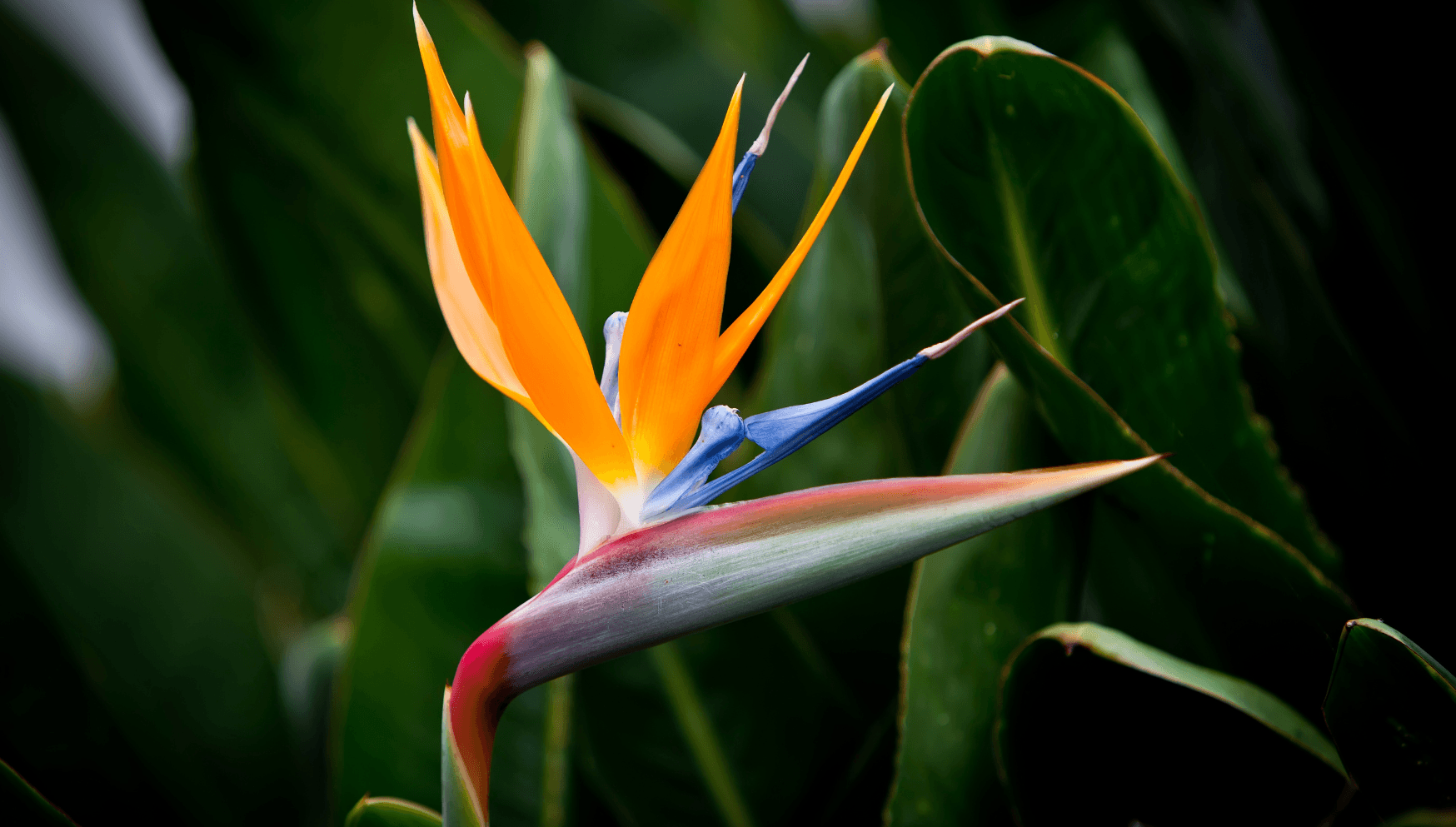
Encouraging your Bird of Paradise to flower brings vibrant colors and a tropical vibe to your space. Flowering depends on several key factors related to light, temperature, and care. Small changes in the plant’s environment can make a big difference in bloom production.
Optimal Conditions
Bright light is essential for flowering. Place the plant where it receives direct sunlight for at least 4 to 6 hours daily. Warm temperatures between 65°F and 70°F support growth and blooming. Avoid cold drafts and sudden temperature drops.
Maintain soil moisture but avoid waterlogging. Well-draining soil helps roots stay healthy and encourages flowers. Use a balanced fertilizer with higher phosphorus to promote blooms, applied every 4 to 6 weeks during growing season.
Common Flowering Issues
Too little light causes poor or no flowering. Yellowing leaves often signal overwatering or poor drainage. Lack of nutrients reduces bloom size and frequency. Cold temperatures below 50°F halt flower development.
Pests like spider mites and scale insects stress the plant. This stress can prevent flowering. Check regularly and treat infestations promptly with insecticidal soap or neem oil.
Boosting Blooms Naturally
- Prune dead or damaged leaves to focus energy on flowers.
- Repot every 2 to 3 years to refresh soil nutrients.
- Provide extra humidity by misting leaves or using a humidity tray.
- Allow the soil to dry slightly between waterings to encourage root growth.
- Position plant near a south or west-facing window for maximum sun.
Dealing With Common Problems
Bird of Paradise plants often face leaf spots and pests. Keeping soil moist but not wet helps prevent root rot. Regularly checking for bugs and trimming damaged leaves supports healthy growth.
Dealing with common problems is vital for healthy Bird of Paradise plants. These issues can hinder growth and aesthetics. Address them promptly to ensure your plant thrives.Pests And Diseases
Bird of Paradise plants can attract pests. Common pests include spider mites and aphids. Inspect leaves regularly for signs of infestation. Use insecticidal soap to treat affected areas. Keep the plant clean to prevent diseases. Ensure good air circulation to reduce fungal issues.Leaf Discoloration
Yellow or brown leaves indicate a problem. Overwatering often causes yellowing. Ensure the soil drains well. Brown edges may signal dry air. Increase humidity using a pebble tray. Check for nutrient deficiencies if discoloration persists.Root Rot Prevention
Root rot is a serious issue. It results from excess water. Ensure the pot has drainage holes. Use well-draining soil to avoid waterlogging. Water only when the topsoil feels dry. Remove affected roots if rot develops. Repot the plant in fresh soil to recover.
Credit: www.leafenvy.co.uk
Credit: plnts.com
Frequently Asked Questions
How Often Should I Water A Bird Of Paradise Plant?
Water your Bird of Paradise when the top 1-2 inches of soil are dry. Generally, water it once a week. Avoid overwatering to prevent root rot. Adjust frequency based on season and indoor humidity levels for optimal growth.
What Type Of Light Does Bird Of Paradise Need?
Bird of Paradise thrives in bright, indirect sunlight. It can tolerate some direct sun but avoid harsh afternoon rays. Insufficient light slows growth and reduces flowering. Place it near a sunny window for best results.
How Do I Encourage Bird Of Paradise To Bloom?
To encourage blooming, provide ample light and consistent moisture. Fertilize monthly during spring and summer with a balanced fertilizer. Keep temperatures warm and humidity moderate. Patience is key, as blooms may take several years to appear.
Can Bird Of Paradise Grow Indoors Successfully?
Yes, Bird of Paradise can grow indoors with proper care. Ensure it receives enough light and humidity. Use well-draining soil and avoid cold drafts. Indoor plants may grow slower but can still thrive and bloom.
Conclusion
Caring for a Bird of Paradise can bring beauty to your space. Give it bright light and water it just enough. Keep the soil well-drained to avoid root problems. Watch for pests and trim dead leaves often. A healthy plant grows tall and blooms bright.
Enjoy the vibrant colors and unique shape it shows. Small daily care makes a big difference over time. Your Bird of Paradise will thrive with simple steps. Keep it happy, and it will reward you.




