
Are you tired of hawks swooping down and scaring away your favorite backyard birds? Watching those beautiful songbirds visit your feeder should be relaxing, not stressful.
But when hawks show up, they can quickly turn your peaceful birdwatching into a wild chase. The good news is, you don’t have to give up on your feeders or your feathered friends. You’ll discover simple, effective ways to keep hawks away and protect the birds you love to see.
Keep reading, and you’ll learn how to make your yard a safe haven for all your winged visitors.
Why Hawks Visit Bird Feeders
Bird feeders attract many types of birds. Hawks also visit these spots. Understanding why hawks come helps protect smaller birds. It helps keep your feeder safe and peaceful.
Attraction Factors
Bird feeders provide a steady food source. Small birds gather here, making hunting easier for hawks. Open spaces around feeders give hawks a clear view to spot prey. Movement of small birds draws hawks’ attention. Bright colors of feeders can also attract them. Quiet surroundings near feeders make hawks feel safe while hunting.
Common Hawk Species
- Cooper’s Hawk:Prefers wooded areas but visits feeders for prey.
- Sharp-shinned Hawk:Small and agile, hunts birds near feeders.
- Red-tailed Hawk:Larger hawk, hunts in open areas near feeders.
These hawks adapt well to suburban areas. They use bird feeders as hunting grounds. Knowing which species visit helps choose the right deterrents.
Signs Of Hawk Presence
Sharp eyes watching from above and sudden bird escapes often signal a hawk nearby. Feathers scattered on the ground or loud, high-pitched calls can also hint at their presence. Recognizing these signs helps protect smaller birds at feeders.
Spotting the signs of a hawk’s presence can help you protect your bird feeders from these skillful predators. Hawks are stealthy and can easily disrupt the peaceful ambiance of your backyard. Recognizing their presence early allows you to take action and safeguard your feathered visitors.Visual Cues
Hawks have distinctive silhouettes that can be identified even from a distance. Look for broad wings and a short, hooked beak. If you notice unusual shadows gliding across your yard, it might be a hawk. Keep an eye out for hawks perched on tall trees or utility poles. Their vantage points offer a clear view of potential prey. Do you see feathers scattered around your yard? This might indicate a hawk has been feasting nearby.Behavioral Changes In Birds
Birds at your feeders may suddenly become quiet and disappear. This is a common reaction when a hawk is in the area. Notice if they are diving into bushes or staying low to the ground; it might indicate they are hiding from a predator. Do the birds seem more skittish than usual? Their erratic flight patterns and quick darting movements can signal a hawk’s presence. If you observe fewer birds at your feeders, it might be because they’ve detected a lurking predator. Understanding these signs can help you act quickly to keep hawks away, ensuring your backyard remains a safe haven for your feathered friends.Physical Deterrents
Physical deterrents offer a direct way to protect your bird feeders from hawks. These tools create barriers or uncomfortable surfaces that discourage hawks from perching or swooping down near your feeders. Using these deterrents effectively can give your smaller birds a safer space to enjoy their food.
Using Protective Covers
Protective covers act as shields over your bird feeders. They limit the hawks’ ability to get a clear dive or perch near the feeding area.
These covers come in various designs, including domes and cages, which still allow smaller birds to enter but block larger predators. I once installed a simple wire dome over my feeder, and the hawks stopped making aggressive passes almost immediately.
Installing Hawk Spikes
Hawk spikes are thin, pointed rods placed on perches or ledges near feeders. They don’t harm the birds but make it uncomfortable for hawks to land.
These spikes work because hawks need a stable spot to launch their attacks. Adding them on nearby trees or poles deters hawks from using those spots as vantage points.
Netting Options
Netting can be stretched around your feeder area to create a physical barrier that hawks can’t easily penetrate. It should be fine enough to block hawks but loose enough to avoid trapping smaller birds.
Choosing the right netting material is key. I found that nylon netting with a small mesh size worked well, allowing small birds to fly in and out freely while keeping hawks at bay.
Visual Deterrents
Visual deterrents help keep hawks away by making your bird feeder area less inviting. Hawks rely on sharp vision to hunt. Bright, moving, or shiny objects can confuse or scare them. Using visual deterrents often keeps hawks at a safe distance without harming them.
Reflective Objects
Reflective items catch sunlight and create flashes that distract hawks. These flashes make it hard for hawks to focus on your feeder. Common reflective objects include:
- Old CDs or DVDs hung near feeders
- Shiny aluminum foil strips
- Reflective tape or ribbons
Place these objects where they move freely in the wind. The constant sparkle helps keep hawks away.
Decoys And Scare Devices
Decoys fool hawks into thinking the area is dangerous or already claimed. Using fake predators or scare devices scares hawks off. Popular decoys include:
- Plastic owl figures placed near feeders
- Rubber snakes or hawk silhouettes
- Bright, fluttering scare balloons
Move or change decoys regularly to keep hawks from getting used to them.
Movement-based Deterrents
Motion scares hawks because it signals danger. Items that move in the wind or spin create fear. Examples of movement-based deterrents:
- Wind spinners with reflective surfaces
- Pinwheels near feeding areas
- Flags or ribbons fluttering in the breeze
Place these where wind is steady to ensure constant motion. This helps keep hawks away effectively.
Sound-based Deterrents
Sound-based deterrents use noise to keep hawks away from bird feeders. These sounds create an uncomfortable environment for hawks. Birds are sensitive to sounds and respond quickly to unfamiliar noises. Using sound can protect small birds without harming hawks. It offers a gentle, natural way to keep your feeders safe.
Ultrasonic Devices
Ultrasonic devices emit high-pitched sounds that hawks cannot stand. These sounds are usually above the range of human hearing. The noise disturbs hawks and makes them avoid the area. Ultrasonic devices are easy to install near bird feeders. They work best in quiet places where the sound can spread well. These devices do not scare away small birds, only the predators.
Recorded Predator Calls
Playing recorded calls of larger predators can scare hawks. These sounds trick hawks into thinking danger is near. The calls should be played at random times to avoid hawk adaptation. Recordings of owls or eagles work well for this purpose. Use a small speaker hidden near the feeder to play these sounds. This method helps keep hawks cautious and away from feeders.
Feeder Placement Strategies
Feeder placement is key to keeping hawks away from bird feeders. Proper positioning can ensure smaller birds eat safely. Understanding the best locations and heights is essential. Let’s explore effective strategies.
Choosing Safe Locations
Select a spot with natural cover nearby. Trees, shrubs, or bushes make excellent choices. These provide refuge for birds in case of danger. Avoid open spaces where hawks can easily spot their prey. A cluttered environment makes it harder for hawks to attack.
Height And Distance Considerations
Place feeders at a safe height. About 5-6 feet from the ground is ideal. This height provides enough shelter from ground predators too. Position feeders away from windows to prevent collisions. Ensure they are at least 10 feet from any potential hawk perch. This distance reduces the chance of surprise attacks.
Feeding Practices To Avoid
Feeding birds is a joyful activity, but some habits can attract hawks. Certain feeding practices increase the risk of predators visiting your feeder. Avoiding these habits helps protect small birds and keeps your feeder a safe place. Learning which foods and feeding amounts to avoid plays a key role in hawk prevention.
Overfeeding Risks
Overfilling feeders leaves excess seeds on the ground. This leftover food attracts more animals, including hawks. Large gatherings of small birds can draw attention from predators. Overfeeding also makes birds less alert and easier targets. Keeping portions controlled reduces these risks and creates a safer environment.
Types Of Food To Limit
Some foods attract hawks more than others. Avoid offering large seeds like sunflower or peanuts in excess. These attract larger birds, which can bring hawks nearby. Avoid feeding meat scraps or suet with animal fat. These foods may lure predators closer to your yard. Stick to smaller seeds like millet or nyjer for safer feeding.

Credit: www.aol.com
Encouraging Safe Bird Habits
Encouraging safe bird habits around your feeders can significantly reduce the risk posed by hawks. When birds feel secure, they are less likely to become easy targets. Creating an environment that supports their natural behaviors helps maintain a healthy, vibrant bird community at your feeder.
Providing Shelter
Birds need quick access to cover to escape predators. Adding dense shrubs or small trees near your feeder offers immediate shelter. This gives birds a safe place to hide if a hawk approaches.
I once placed a thick bush close to my feeder, and I noticed birds stayed longer and appeared less stressed. They used the bush as a refuge, which made the area less attractive to hawks. Could your garden benefit from a few well-placed plants?
Creating Escape Routes
Birds must have clear, unobstructed paths to fly away quickly. Avoid placing feeders too close to walls or fences that block their exit routes. Instead, position feeders where birds can dart off in multiple directions.
Think about the last time you felt trapped—you likely panicked. Birds feel the same. When I adjusted the feeder placement in my yard to allow multiple escape routes, hawk attacks noticeably decreased. How easy is it for your backyard birds to make a quick getaway?
When To Seek Professional Help
Sometimes, despite your best efforts, hawks keep returning to your bird feeders. This can be frustrating and even dangerous for the smaller birds you want to attract. Knowing when to call in professional help can save you time and protect your backyard birds effectively.
Persistent Hawk Problems
If hawks keep coming back no matter what deterrents you try, it’s a sign you might need expert assistance. Professionals have specialized tools and knowledge to handle these situations safely and humanely.
They can assess your property and recommend tailored solutions that go beyond common methods. Have you noticed hawks returning at the same time every day or targeting your feeders despite scare tactics? That’s a clear sign to get help before your feeder becomes a hunting ground.
Local Wildlife Regulations
Before taking any drastic action, it’s important to understand local laws about hawks and other birds of prey. Many areas protect these birds under wildlife conservation laws.
Professionals are familiar with these regulations and ensure that any measures taken comply with the law. Attempting to remove or harm hawks without proper knowledge can lead to fines or legal trouble.
Have you checked if your community has restrictions on handling hawks? If not, consulting an expert can prevent unintended consequences and keep you on the right side of the law.
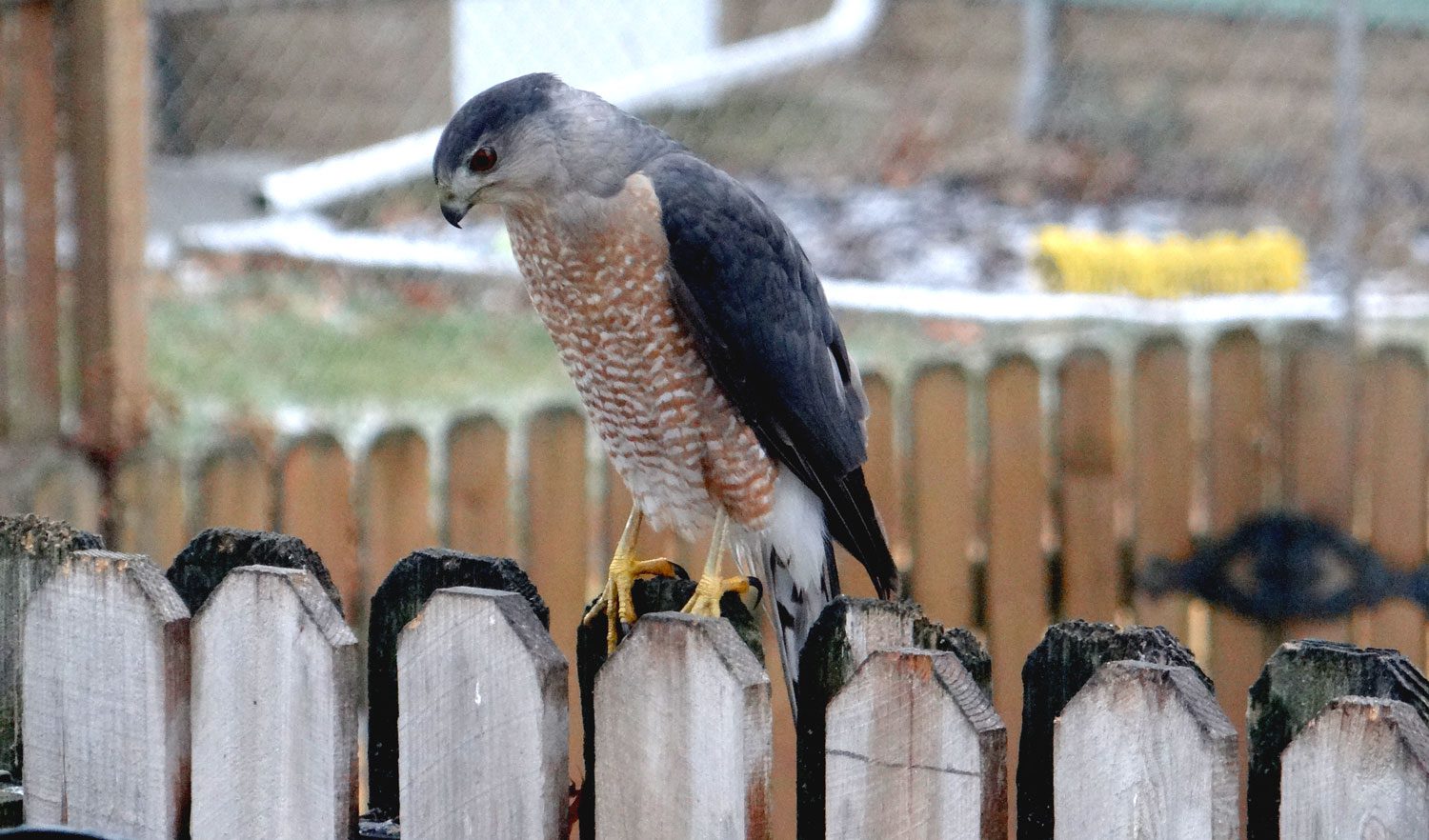
Credit: www.allaboutbirds.org

Credit: www.allaboutbirds.org
Frequently Asked Questions
How Can I Deter Hawks From Bird Feeders?
Use visual deterrents like reflective tape or fake owls near feeders. Keep feeders away from open spaces to reduce hawk visibility. Regularly change feeder locations to confuse hawks and protect smaller birds.
What Plants Help Keep Hawks Away From Feeders?
Plant dense shrubs or trees around feeders. These provide cover for small birds and limit hawks’ hunting space. Thorny plants can also discourage hawks from perching nearby.
Are Certain Bird Feeders Safer From Hawk Attacks?
Tube feeders with small perches limit hawks’ access. Platforms or open feeders attract more prey and increase hawk visits. Choose feeders designed to protect smaller birds from predators.
Can Noise Help In Keeping Hawks Away?
Yes, sudden noises like clapping or wind chimes can scare hawks. However, noise deterrents may only work temporarily, so combine them with other methods for better results.
Conclusion
Keeping hawks away from bird feeders takes patience and smart steps. Use feeder covers or place feeders near shelters. Move feeders often to confuse hawks. Add decoys or reflective objects to scare them off. Watch birds safely enjoy their food without fear.
These simple actions help protect small birds. Stay calm and keep trying different ideas. Your garden can be a safe place for all birds. Small changes make a big difference.




