
Are you tired of doves taking over your bird feeders and scaring away the smaller birds you actually want to see? It can be frustrating when these gentle birds dominate your feeding spots, leaving little for others.
But don’t worry—there are simple, effective ways you can keep doves off your feeders without harming them. Keep reading to discover easy tricks that will help you enjoy a more balanced and lively birdwatching experience right in your backyard.
Credit: www.kingsyard.com
Why Doves Visit Feeders
Doves are gentle birds that often visit feeders, drawn by the easy access to food and a safe resting spot. Understanding why doves come to your feeder helps you manage their visits better. Let’s look at what attracts them and how their feeding habits influence their behavior around feeders.
Attraction Factors
Doves are attracted to feeders mainly because of the type of food offered. They prefer seeds like millet, cracked corn, and sunflower seeds.
They also seek feeders that provide a quiet, open space where they can see predators easily. If your feeder is near shrubs or trees, it offers doves a quick escape route, making it more appealing.
Have you noticed how doves often appear right after other birds finish feeding? They like to wait their turn, showing a preference for less crowded feeders.
Feeding Habits
Doves usually feed on the ground, picking up scattered seeds with their beaks. When a feeder drops seeds, it becomes a perfect dining spot for them.
They tend to feed in pairs or small groups, so if you see one, expect more soon. Their calm and slow eating style contrasts with the quick pecking of smaller birds.
Knowing that doves prefer ground feeding, you might consider feeder styles that minimize seed spillage. This simple change can reduce unwanted dove visits without affecting other birds you want to attract.

Credit: www.greenmatters.com
Feeders That Deter Doves
Keeping doves away from bird feeders can be tricky. Doves are large birds. They often crowd feeders meant for smaller birds. Using feeders that deter doves helps protect your seeds and attracts the birds you want.
Choosing a feeder designed to limit dove access makes a big difference. These feeders have features that stop doves from perching or eating comfortably. Understanding these features helps you pick the best feeder for your garden.
Choosing The Right Feeder
Pick feeders with small perches. Doves need wide, stable places to stand. Small or no perches make feeding hard for them.
Tube feeders with tiny ports work well. They allow small birds to eat but keep doves out. Avoid large tray feeders. Doves love these because they offer plenty of space.
Consider weight-activated feeders. These close access when heavy birds land. Doves are heavier than many songbirds. This feature stops them from feeding.
Design Features To Consider
- Perch Size: Tiny or no perches limit dove landing spots.
- Feeding Ports: Small openings fit small birds only.
- Weight Sensitivity: Feeder closes when heavy birds try to feed.
- Seed Tray: Avoid large, flat trays that attract doves.
- Material: Durable, weather-resistant feeders last longer outdoors.
- Height: Hang feeders high to discourage doves from landing nearby.
Choosing feeders with these features reduces dove visits. It helps create a peaceful feeding area for smaller birds.
Changing Feeding Practices
Changing how and what you feed birds can make a big difference in keeping doves away from your feeders. Doves prefer certain seeds and feeding times, so tweaking these habits can help you attract the birds you want and discourage the ones you don’t. It’s about adjusting your approach without giving up the joy of birdwatching.
Altering Food Types
Doves love large, soft seeds like millet and cracked corn. Switching to smaller seeds such as nyjer or safflower can reduce dove visits. These seeds are less appealing to doves but still attract finches and other small songbirds you might want to see.
Another tactic is to use feeders designed for specific seeds that doves can’t easily access. Tube feeders with small ports can limit the type of birds that feed there. Have you noticed how different birds react to seed changes? Experimenting with seed types can help you find the perfect balance.
Adjusting Feeding Times
Doves tend to feed during the early morning and late afternoon. By adjusting your feeding schedule to midday or late morning, you might reduce dove visits. This simple change can encourage other birds that feed at different times to visit instead.
Try removing feeders at dawn and dusk and see how the dove activity changes. It might feel inconvenient, but if you want to control which birds visit, timing matters. Have you ever thought about what feeding times your favorite birds prefer?
Physical Barriers And Deterrents
Physical barriers and deterrents offer a straightforward way to keep doves off your bird feeders. These solutions create a direct obstacle that prevents doves from landing or accessing the food. They don’t rely on sound or movement, so they are usually quiet and low-maintenance.
Using Netting And Screens
Netting and screens act like invisible shields around your feeder. You can drape a fine mesh net over the feeder or install a screen that blocks doves but allows smaller birds to feed freely.
Choose netting with small holes—around 1/2 inch or less—to stop doves from squeezing through. Attach it securely to avoid gaps where doves could sneak in.
Think about how you install the netting: will it be easy for you to refill the feeder? Setting up a removable section can save time and hassle.
Installing Spikes And Wire
Spikes and thin wires make landing uncomfortable for doves. You can add plastic or metal spikes on top of the feeder’s edges or on nearby perches.
Wires stretched a few inches above the feeding area create an unstable surface, discouraging doves from settling. They are discreet and don’t harm the birds.
Placement is key. Too many spikes or wires might also keep away your favorite smaller birds. Observe your feeder and adjust the barriers to balance protection and accessibility.
Natural Repellents For Doves
Natural repellents offer a gentle way to keep doves away from bird feeders. These options use scents, tastes, and plants that doves dislike. They create an unwelcoming environment without harming the birds.
Natural repellents work quietly and blend well with garden settings. They can reduce dove visits while keeping your space safe and pleasant.
Plants That Discourage Birds
Certain plants can help keep doves away naturally. Their smell or texture makes the area less inviting for these birds.
- Lavender:Strong scent that birds avoid.
- Marigolds:Bright flowers with a smell doves dislike.
- Rosemary:Woody smell deters many birds.
- Mint:Spreads quickly and has a sharp scent.
Planting these around your feeder can create a natural barrier.
Scent And Taste Repellents
Doves react strongly to certain smells and tastes. Using these can keep them off feeders effectively.
- Vinegar:Spray diluted vinegar near feeders. The sharp smell drives birds away.
- Chili powder:Sprinkle a small amount on seeds. Birds dislike the spicy taste.
- Garlic spray:Mix crushed garlic with water. Spray it around feeding areas.
- Essential oils:Oils like eucalyptus or citronella can repel doves.
Use these repellents carefully to avoid affecting other wildlife.
Behavioral Techniques
Doves can be delightful creatures, but when they monopolize your bird feeders, it might be time to intervene. Behavioral techniques can effectively deter them without causing harm. By using a mix of visual and auditory stimuli, you can encourage doves to find a new hangout.
Visual Scare Devices
Visual scare devices are an excellent way to deter doves without much effort. Items like reflective tape or old CDs can be hung around the feeder. The reflections and movements keep doves wary and away.
Another technique involves placing predator decoys, such as plastic owls or hawks, near the feeders. These decoys make doves think twice before approaching. It’s essential to move the decoys occasionally to maintain their effectiveness.
Sound Deterrents
Sound deterrents can be highly effective in keeping doves at bay. Consider using wind chimes or bells near your feeder. The unexpected noises can make the space less attractive to doves.
There are also electronic bird repellers available that emit distress calls or predator sounds. These devices can be a game-changer, especially if doves are particularly persistent. Have you ever noticed how certain sounds make you uneasy? The same principle applies here, encouraging doves to look for quieter areas.
Maintaining A Dove-free Feeding Area
Creating a feeding area that doves avoid helps protect other birds. Use feeders designed to limit dove access and keep food off the ground. Placing feeders in open spaces also discourages doves from settling nearby.
Maintaining a dove-free feeding area can be challenging. Doves are persistent and can scare away smaller birds. Creating a welcoming space for preferred birds requires some effort. Here are some tips to keep doves away from your bird feeders.Regular Cleaning
Clean your feeders weekly. This helps remove leftover seeds and debris. Doves are attracted to dirty feeders. Fresh, clean feeders appeal more to smaller birds. Use a mild soap and water solution. Rinse thoroughly to remove soap residue.Monitoring And Adjusting
Observe your bird feeders regularly. Note if doves visit frequently. Adjust feeder height to deter them. Hang feeders higher or use pole-mounted options. Consider adding a baffle or dome above the feeder. This can make access difficult for doves.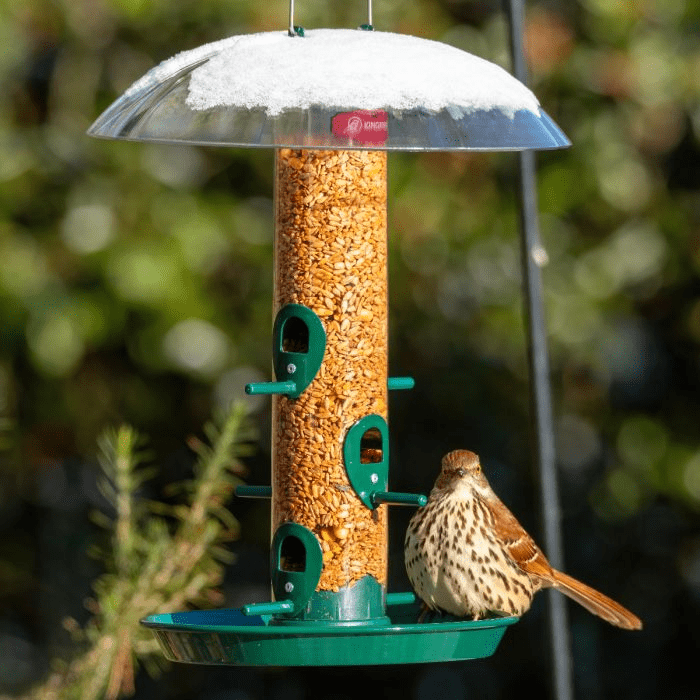
Credit: www.kingsyard.com
Frequently Asked Questions
How Can I Deter Doves From Eating Bird Feeder Seeds?
Use feeders with weight-sensitive perches that close for heavier birds. Offer seeds doves dislike, like nyjer or safflower. Place feeders away from areas doves frequent to reduce visits.
What Bird Feeder Types Keep Doves Away Effectively?
Tube feeders with small perches limit dove access. Hopper feeders with small openings also help. Avoid platform feeders, as doves prefer open spaces to feed.
Which Seeds Do Doves Avoid In Bird Feeders?
Doves dislike nyjer, safflower, and thistle seeds. Using these seeds attracts finches, not doves. Mixing seeds can help reduce dove visits.
Can Physical Barriers Keep Doves Off Feeders?
Yes, use cage guards around feeders to block doves. Netting above feeders also prevents doves from landing. Barriers should allow smaller birds to feed freely.
Conclusion
Keeping doves off bird feeders takes patience and simple steps. Use feeders designed for small birds only. Try adding baffles or placing feeders where doves cannot land easily. Clean feeders often to avoid attracting unwanted birds. Changing seed types can also help.
Watch your feeder and adjust as needed. Enjoy feeding small birds without doves taking over. Small changes make a big difference in your garden. Stay consistent, and you will see results soon.




