
Have you ever felt tiny bites or noticed strange itching after wearing certain clothes? Bird mites might be the hidden cause.
These tiny pests can cling to your clothing, making your skin uncomfortable and leaving you frustrated. The good news is, you don’t have to let bird mites take over your wardrobe. You’ll discover simple, effective ways to get bird mites out of your clothing quickly and keep them from coming back.
Keep reading to protect yourself and your clothes from these unwanted visitors.

Credit: www.bedbugbarrier.com.au
Identifying Bird Mites On Clothing
Identifying bird mites on your clothing is the first crucial step to stop their spread and protect your skin from irritating bites. These tiny pests can be hard to spot because of their size and quick movement, but knowing what to look for makes a big difference. Pay close attention to unusual signs that hint at their presence before your clothes become a permanent breeding ground.
Signs Of Bird Mite Infestation
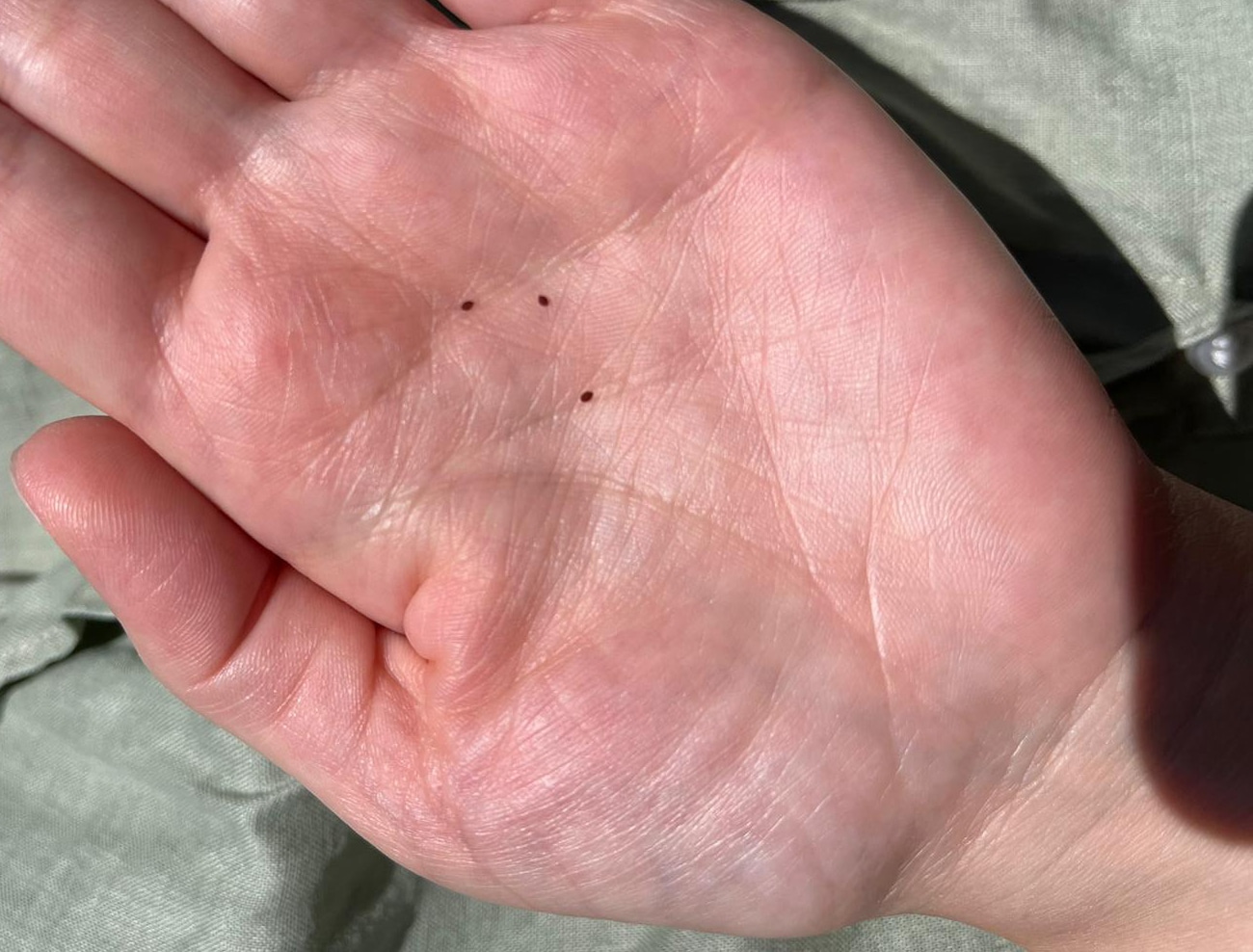
Bird mites are almost invisible to the naked eye, measuring less than 1 millimeter. However, you might notice small, moving dots on your fabric, especially after being outdoors or near bird nests.
- Itchy skin or bites:Bird mites often leave tiny red bites on your skin that itch intensely.
- Visible mites:Look closely at seams, folds, and cuffs where mites tend to gather.
- Discolored spots:Dark or rust-colored stains may appear from mite feces or crushed bugs.
- Unusual odor:Some report a faint musty smell on infested clothing.
Have you noticed persistent itching after wearing certain clothes? That could be a key indicator worth investigating.
Common Fabrics Affected
Bird mites don’t pick favorites, but certain fabrics trap and hold them more easily. Fabrics with tight weaves or rough textures give mites plenty of places to hide.
- Cotton:Woven cotton shirts and pants can harbor mites in the threads.
- Wool:The dense fibers provide an ideal environment for mites to cling onto.
- Denim:Thick denim seams often shelter these pests, especially near pockets.
- Synthetic blends:Some blends may repel mites better, but not always effectively.
Pay special attention to clothing you wore near bird nests or infested areas. Could your favorite jacket be hiding unwelcome guests?
Preparing Clothes For Treatment
Before you dive into treating bird mites on your clothing, setting up your clothes properly is key. This step helps prevent the spread of mites and makes the treatment more effective. Taking a moment to prepare can save you from a lot of frustration later on.
Sorting And Isolating Infested Items
Start by separating the clothes you suspect are infested from the rest of your wardrobe. Keep these items in a sealed plastic bag or container to avoid mites jumping to other fabrics. Sorting also helps you focus treatment only where it’s needed.
Think about the last time you found bugs in your clothes. Did you throw everything in the wash together? That might have spread the problem. Instead, organize your items by fabric type and level of infestation.
- Place heavily infested clothes in one bag.
- Keep lightly infested or questionable items in another.
- Set aside clean clothes far from infested ones.
Handling Precautions
Bird mites are tiny but can cause skin irritation and discomfort. When handling infested clothing, wear gloves to protect your skin. Avoid shaking the clothes; this can release mites into the air or onto other surfaces.
Have you ever rubbed your eyes after touching something itchy? It’s easy to do, but it can worsen the irritation. Keep your hands away from your face until you’ve washed them thoroughly.
- Use disposable gloves if possible.
- Work in a well-ventilated area to reduce airborne mites.
- After handling, wash your hands and gloves with hot water and soap.
Washing Techniques To Remove Mites
Washing clothes infested with bird mites requires careful attention. Proper washing techniques can help remove mites and prevent them from spreading. Understanding the right water temperature, detergents, and safe use of bleach ensures clothes come out clean and mite-free.
Choosing The Right Water Temperature
Hot water kills bird mites effectively. Use water heated to at least 130°F (54°C). Warm or cold water may not remove all mites. Check the fabric label to avoid damage. Use the hottest water safe for your clothing.
Effective Laundry Detergents
Choose detergents designed to remove tough dirt and pests. Detergents with enzymes break down mite proteins. Use the recommended amount for a full load. Avoid mild soaps that may not kill mites. Regular detergents work but stronger formulas are better.
Using Bleach And Disinfectants Safely
Bleach kills mites quickly but can damage some fabrics. Test bleach on a small area first. Use diluted bleach solutions for colored clothes. Avoid mixing bleach with ammonia or other cleaners. Follow product instructions carefully to ensure safety.

Credit: www.reddit.com
Drying And Heat Treatment
Drying and heat treatment play a crucial role in removing bird mites from your clothing. These tiny pests cannot survive high temperatures, making heat an effective weapon against them. Using the right drying methods can save your clothes and give you peace of mind.
Benefits Of High Heat Drying
High heat from a dryer kills bird mites quickly and efficiently. Temperatures above 120°F (49°C) are typically enough to destroy the mites and their eggs.
Besides killing mites, heat drying also helps remove any lingering allergens they might leave behind. It’s a simple step that fits easily into your laundry routine.
Have you ever noticed how fresh clothes feel after a long, hot drying cycle? That same heat works wonders against pests, making it a practical choice for mite removal.
Alternative Heat Methods
If you don’t have access to a dryer, other heat options can still work. Ironing your clothes with a hot iron can target mites on delicate fabrics that might not handle the dryer well.
Another option is using a steam cleaner on your clothing. The steam’s moisture combined with heat can penetrate fabrics to eliminate mites effectively.
Consider placing clothing in a sealed plastic bag and leaving it in direct sunlight for several hours. Sunlight generates heat inside the bag, creating a hostile environment for the mites.
Would you be willing to try these alternative heat methods to avoid using harsh chemicals on your favorite clothes?
Additional Cleaning Methods
Removing bird mites from clothing requires more than just washing. Some mites hide deep in fabric fibers. Extra cleaning steps help ensure all mites are gone. These methods target mites that survive regular washing.
Freezing Clothes To Kill Mites
Freezing clothes can kill bird mites effectively. Place the infested clothing in a sealed plastic bag. Put the bag in the freezer for at least 48 hours. The cold temperature stops mites from surviving. After freezing, thaw clothes and wash them again. This process helps remove any remaining mites.
Vacuuming And Brushing Techniques
Vacuuming clothes removes loose mites and eggs. Use a vacuum with a brush attachment for best results. Gently brush the fabric while vacuuming to loosen mites. Focus on seams, folds, and thick areas where mites hide. After vacuuming, use a soft brush to remove any stuck mites. These steps reduce mite numbers before washing.
Credit: www.bedbugbarrier.com.au
Preventing Future Infestations
Prevent future infestations by regularly washing clothes in hot water and drying on high heat. Store garments in sealed containers. Clean storage areas frequently to discourage bird mites from finding a new home.
Preventing bird mites from infesting your clothing again is crucial. Understanding how to avoid future issues keeps your clothes mite-free. Implementing simple strategies can help protect your garments and home.Storage Tips For Clean Clothes
Store clothes in airtight containers to keep mites out. Use vacuum-sealed bags for long-term storage. Avoid leaving clothes on floors or damp areas. Keep closets clean and organized regularly. Place cedar blocks in storage to repel mites naturally. Ensure storage areas are dry and well-ventilated.Regular Inspection Practices
Regularly inspect clothes for signs of mites. Check seams and folds carefully. Use a lint roller to capture any mites. Wash clothes in hot water if mites are found. Maintain a clean home environment to discourage mites. Inspect pets regularly, as they can carry mites.Frequently Asked Questions
How Do Bird Mites Get Into Clothing?
Bird mites transfer to clothing when you come into contact with infested birds or nests. They cling to fabric fibers. Avoiding bird nests and washing clothes promptly helps prevent infestations.
What Is The Best Way To Remove Bird Mites From Clothes?
Wash infested clothes in hot water above 120°F (49°C). Use strong detergent and dry on high heat. This kills bird mites and their eggs effectively.
Can Bird Mites Survive Washing Machines And Dryers?
Bird mites cannot survive high heat from washing machines and dryers. Hot water and drying at high temperatures eliminate them. Cold washing may not be effective.
How To Prevent Bird Mites From Infesting Clothing Again?
Avoid contact with bird nests and infested areas. Store clothes in sealed bags if near birds. Regular washing and cleaning reduce mite risks.
Conclusion
Getting bird mites out of clothing takes patience and care. Wash clothes in hot water to kill mites effectively. Dry clothes on high heat for best results. Avoid letting mites spread to other items. Regular cleaning helps keep your clothes mite-free.
Stay consistent with these steps to protect yourself. Clean your living space to reduce mite problems. Small actions make a big difference over time. Keep your clothes and home safe from mites. Simple steps can bring you peace of mind.




